

Construction site theft can derail a project fast. One missing skid steer or trailer full of tools can shut down a crew for days and strain your schedule, budget, and client relationships. If you’re looking for practical ways to protect your equipment and materials, this article breaks down what construction site theft really looks like and how to prevent it. The goal isn’t to turn your jobsite into a fortress. Reduce opportunity, increase visibility, and make your site inconvenient enough that thieves move on to an easier target.
Quick look
- Construction site theft costs the U.S. industry up to $1 billion each year, and recovery rates for stolen equipment often fall below 25%.
- Power tools, generators, copper wiring, skid steers, and work trucks are among the most commonly stolen items.
- Open perimeters, limited lighting, changing site layouts, and high daily traffic make jobsites easy targets.
- Effective construction site theft prevention relies on layered protection: controlled access, secure storage, asset tracking, and consistent end-of-day procedures.
- The goal is to reduce opportunity, increase visibility, and make your site harder to target than the next one down the road.
The scale and reality of construction site theft
Construction site theft in the US has a staggering price tag of up to $1 billion a year, according to the National Equipment Register (NER) and the National Insurance Crime Bureau (NICB). And it’s not just the theft itself that is the issue, but also the low recovery rates on stolen equipment—machines are found less than 25% of the time. That alone should make contractors sit up and take a close look at their risk management.
Nearly 9 in 10 contractors report experiencing theft on construction sites, according to industry surveys of tradespeople and builders, with many reporting repeated incidents each year. Many smaller incidents never make it into official reports because contractors assume nothing will come of it, or the value falls below their insurance deductible. When theft goes unreported, the problem appears smaller than it is, but the financial impact still lands squarely on the contractor.
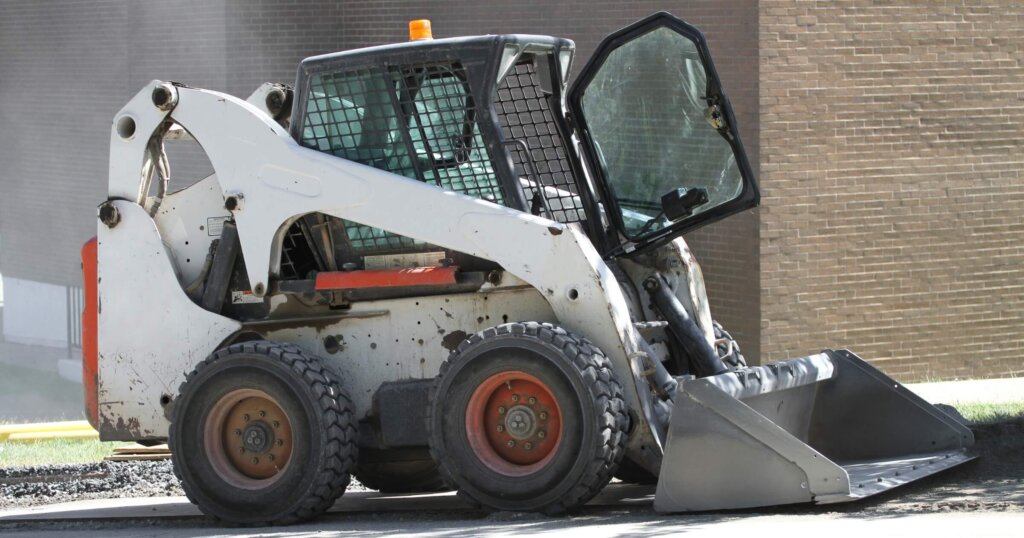
Heavy equipment theft is a real concern, given the high price of each machine. NICB data has consistently shown that skid steers and compact loaders rank among the most commonly stolen pieces of construction machinery. They’re powerful enough to be useful across trades, compact enough to transport easily, and common enough that resale doesn’t raise suspicion.
There are two common patterns behind construction site theft, and understanding the difference helps shape prevention. Opportunistic theft happens when someone sees unsecured tools, materials, or fuel and acts quickly. More often than not, it’s the overnight or weekend raids, often taking advantage of poorly lit parking lots, unlocked gates, and tools left carelessly on the ground. But then there are the more sophisticated thieves—the organized gangs who do their reconnaissance, scouting out weak spots in your site’s fencing or where the cameras might be blind spots, and then they come in with a truckload of gear and fake documents. Once equipment crosses state or provincial lines, recovery becomes much harder, especially if serial numbers were never properly recorded.
Most commonly stolen items
Certain materials and machines appear repeatedly in theft reports because they combine value, portability, and resale demand.
- Power tools: Cordless drills, saws, laser levels, and specialty trade tools are compact and expensive. A handful of gang boxes can hold tens of thousands of dollars’ worth of equipment. These tools are easy to move and easy to sell through online marketplaces or informal networks.
- Generators: Portable generators often sit outside, sometimes chained but not fully secured. They weigh enough to be valuable but not enough to slow down a determined thief with a truck and ramp.
- Copper wiring and pipe: Copper has a consistent scrap value, and theft often spikes when prices climb. Thieves may strip wiring from partially completed buildings, leaving behind repair costs that exceed the value of the stolen material.
- Lumber and sheet goods: Large stacks of lumber left in open laydown areas create opportunity. Pickup trucks can haul away hundreds of dollars’ worth in a single trip, especially on residential sites.
- Skid steers and mini excavators: Compact equipment remains a favorite target. These machines can be started quickly and loaded onto trailers within minutes. Without immobilizers or tracking devices, they can vanish before the morning crew arrives.
- Work trucks: A stolen truck often means losing all the tools stored inside it. If keys are left in cabs or hidden nearby, the risk multiplies.
Recovery rates and secondary impacts
Recovery rates for small tools are painfully low. The moment tools end up on resale platforms, it becomes virtually impossible to track them. Heavy equipment has a bit better recovery odds when registered and tracked, but many contractors still end up losing their machines for good.
The financial fallout from tool loss stretches far beyond the cost of replacing it. Delays are common because missing equipment brings work, such as excavation, framing, or finishing, to a grinding halt. Even a short delay can have a ripple effect across all subcontractor schedules and push back inspections.
Renting emergency equipment to get back on track costs even more and eats away at profit margins, especially when you need to get hold of something on short notice. Insurance deductibles are an immediate hit, and you can end up with higher premiums and changed terms of coverage if you have to make multiple claims. When crews lack equipment, their productivity takes a hit, and morale does too. They turn up ready to get to work but spend their time reorganising tasks or waiting for their gear to be replaced.
Site owners and developers take note when a project starts to slow down. If you have repeated incidents, it can damage trust and raise serious questions about how you’re running the site.
Why construction sites are easy targets
Construction sites are temporary by design. They lack the fixed infrastructure and permanent security systems found in warehouses or factories. That makes them inherently more vulnerable.
Poor and inconsistent security
Early-phase sites often lack full perimeter fencing. Even with a fence, gates tend to stay wide open on busy days and sometimes stay open at the end of the day. Lighting usually focuses on the areas where the actual work is going on, leaving storage areas in the dark. As the project goes on, things get rearranged and new access points are built—storage areas get shifted all over the place. If the security plans don’t keep up, some nasty gaps open up.
Long weekends and holidays are like flashing signs for thieves—they know the crew won’t be back on the site until Monday morning, so they’ve got plenty of time to commit thievery. When nobody’s looking after the site on a Friday evening, you’re giving the crooks an open door to come in and take what they want.
Value of materials and equipment
Construction sites are like the ultimate treasure trove where all the high-value gear gets dumped in one place. Copper, aluminium, fuel, catalytic converters, and all sorts of tools—these are all highly valuable and often get taken. Then you’ve got the expensive equipment just sitting there overnight, and if material costs are increasing, thieves have even more incentive to jump in.
Small machines are very tempting for thieves because they’re easy to haul off using a trailer—especially if the keys are lying around.
High traffic and subcontractor presence
Multiple trades, delivery drivers, inspectors, and temporary laborers rotate through jobsites daily. With so many people entering and leaving, it becomes harder to identify who belongs and who doesn’t. Without structured access control or credentialing, someone unfamiliar can blend in.
Subcontractors may leave equipment for the next shift, assuming it will be safe. That assumption creates exposure. High traffic increases complexity, and complexity often reduces accountability.
How to prevent construction site theft
Stopping construction site theft is a bit like trying to hold back a tide: you need a good few layers of defence working together to stop the thieves.
Site access control and physical barriers
It starts with locking things down around the edges—perimeter control. Fencing that surrounds the whole site is the way to go, and if a breach happens, patch it up quickly. Lock the gates at the end of each shift and assign someone to double-check they’re locked. Don’t assume someone else will do it.
Use heavy-duty storage containers for housing tools and equipment. You don’t have to break the bank on super high-end safes, but investing in quality locks is a good idea. Once you have walls and doors locked up, get tools securely stored inside. When you’re storing equipment, park it all together with the buckets on the ground—it keeps things looking neat and organised. Then take any keys and keep them somewhere off-site. There are also lockouts for trailers and machines that will make them less appealing to thieves—wheel locks, hitch locks, and hydraulic lockouts all do the trick.
Having good lighting around the site is also important—it not only makes things easier to see but also reduces the hiding spots for potential thieves. Motion-activated lights near your storage areas are especially useful if you have a lot of nighttime work. And having clear signs up that let everyone know you have cameras will put a lot of opportunistic thieves off. They’ll go looking for softer targets.
Asset tracking software
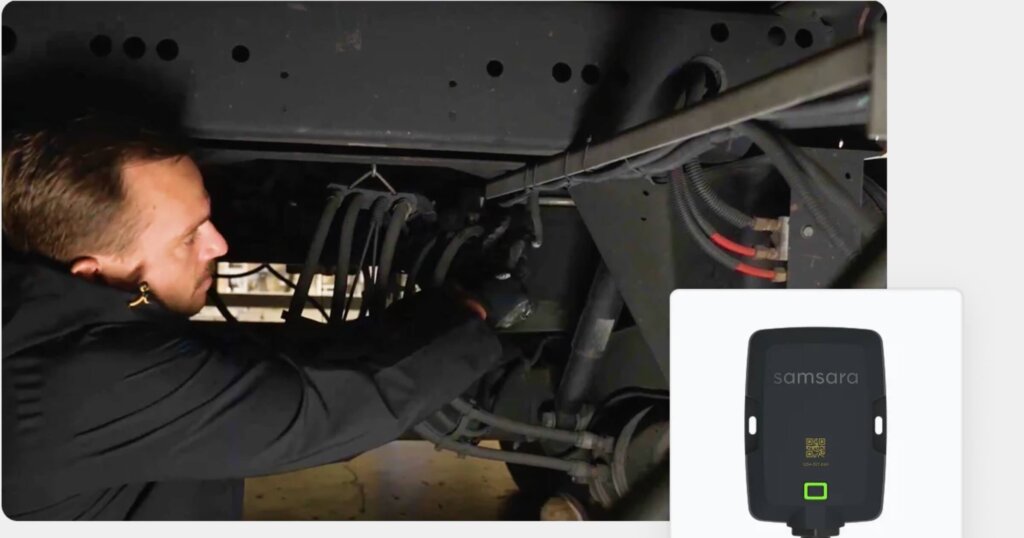
GPS asset tracking device from Samsara being installed.
Technology really helps keep thieves at bay on construction sites. What it does is make everything a lot more visible. For example, GPS fleet systems like Samsara, Verizon Connect, and Teletrac Navman track heavy equipment in real time and will send you a message if any of it leaves a certain area after dark. There are also tool-tracking platforms, like Hilti ON! Track and Milwaukee ONE-KEY, which assign digital records to tools and let you see where they’ve been.
Registering the serial numbers of all your equipment with the National Insurance Crime Bureau makes it easier to get your gear back if it’s stolen and also helps the police identify missing items. If you have a really large or remote site, you might want to consider mobile surveillance trailers—they offer a lot of flexibility and can provide remote camera coverage. There are also cameras you can monitor from your desk that will alert you if anyone is lurking after hours. Alarm systems installed on storage containers notify supervisors immediately if unauthorized access occurs. The goal is early detection. The faster you know something is wrong, the greater your chance of recovery.
Personnel and procedural strategies
Hardware alone won’t stop construction site theft. Procedures must support technology. Create sign-in and sign-out logs for workers and visitors. Maintain delivery records and limit the number of people with key access. Establish a formal end-of-day lockup checklist that includes tool storage, equipment positioning, and gate verification.
Conduct periodic security audits to inspect fencing, lighting, and blind spots. Rotate parking positions of high-value machines to avoid predictable patterns. Train crews to report suspicious activity.
Keep detailed equipment records with photos and serial numbers. Accurate documentation speeds police reporting and insurance claims if theft occurs. When security becomes part of daily culture, opportunities shrink.
Final thoughts
Construction site theft isn’t inevitable, but it is persistent. Knowing how to prevent it means accepting that security is part of project management. Prevention works best when physical barriers, tracking tools, and crew accountability reinforce each other. A secure site protects more than equipment—it protects schedules, budgets, and trust.
If you want more practical construction insights like this, subscribe to the Under the Hard Hat newsletter. We share field-tested guidance to help you manage risk and keep your projects moving forward.