
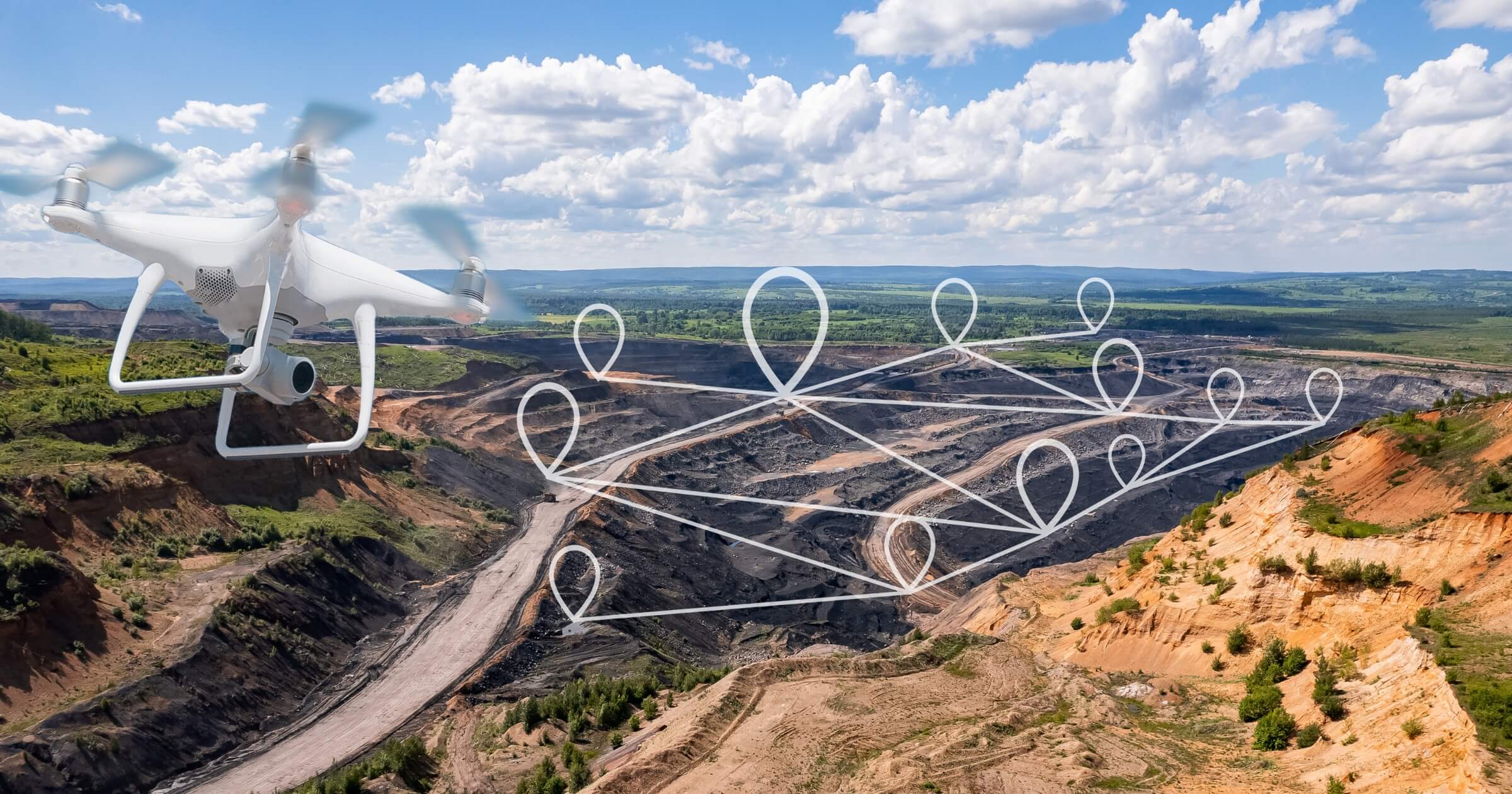
Geospatial AI tools now handle massive volumes of spatial data for infrastructure, urban planning, and construction. They sort imagery, detect changes in land use, and track construction progress in hours rather than days. Yet these systems depend heavily on human insight. A survey of the geospatial profession argues that experts still matter for tasks such as bias correction, model training, and interpreting what the data actually means.
AI algorithms often reflect the biases built into their training data. In geospatial workflows, that means patterns linked to specific regions, land types, or development norms may be misrepresented unless a person spots the distortion and corrects it. Practitioners pick the model type, feed it contextually relevant layers, and ask the right questions—without that input, the tool might call a sidewalk a road or miss informal housing. This human role continues even as AI accelerates.
Raw spatial outputs lack meaning until someone asks why specific clusters appear or what changes over time represent. A city planner examining algorithm-detected growth requires human inspection to determine whether that growth constitutes legal zoning, informal expansion, or redevelopment. The AI can highlight places where change has occurred, but humans decide whether that change matters, is permitted, or requires mitigation.
Human collaboration is the key to harnessing the productivity of Ai tools
In construction, geospatial AI can monitor big sites for progress, safety issues, or deviations. However, human teams still possess trade-specific knowledge, are familiar with the regulatory context, and can validate any unusual events flagged by the system. In urban planning, algorithmic mapping may show land cover changes, but only human experts can interpret the social or economic implications. Without that human oversight, decisions made solely by AI will go wrong.
AI can deliver fast results but can’t fully grasp broader consequences, such as policy changes, cultural practices, or shifting ground conditions. If a model flags land encroachment based solely on pixel changes, it may overlook local legal definitions or historical easements, and human intervention is necessary. There’s also the risk of over-reliance: seeing AI as infallible reduces critical scrutiny and opens projects to error.
At the end of the day, surveyors, planners, and engineers bring knowledge that AI simply can’t replicate—terrain behavior after heavy rain, material durability in extreme heat, or subtle boundary markers hidden by vegetation. These observations transform raw spatial data into informed decisions that withstand real-world conditions. As projects scale in size and complexity, human input remains the anchor that keeps geospatial AI reliable.
For professionals in construction, architecture, and engineering, this means geospatial AI should be seen as a tool—not a replacement—for expert oversight.
Subscribe to the Under the Hard Hat newsletter to stay updated on how geospatial technology and human expertise combine in the built-environment industry.