
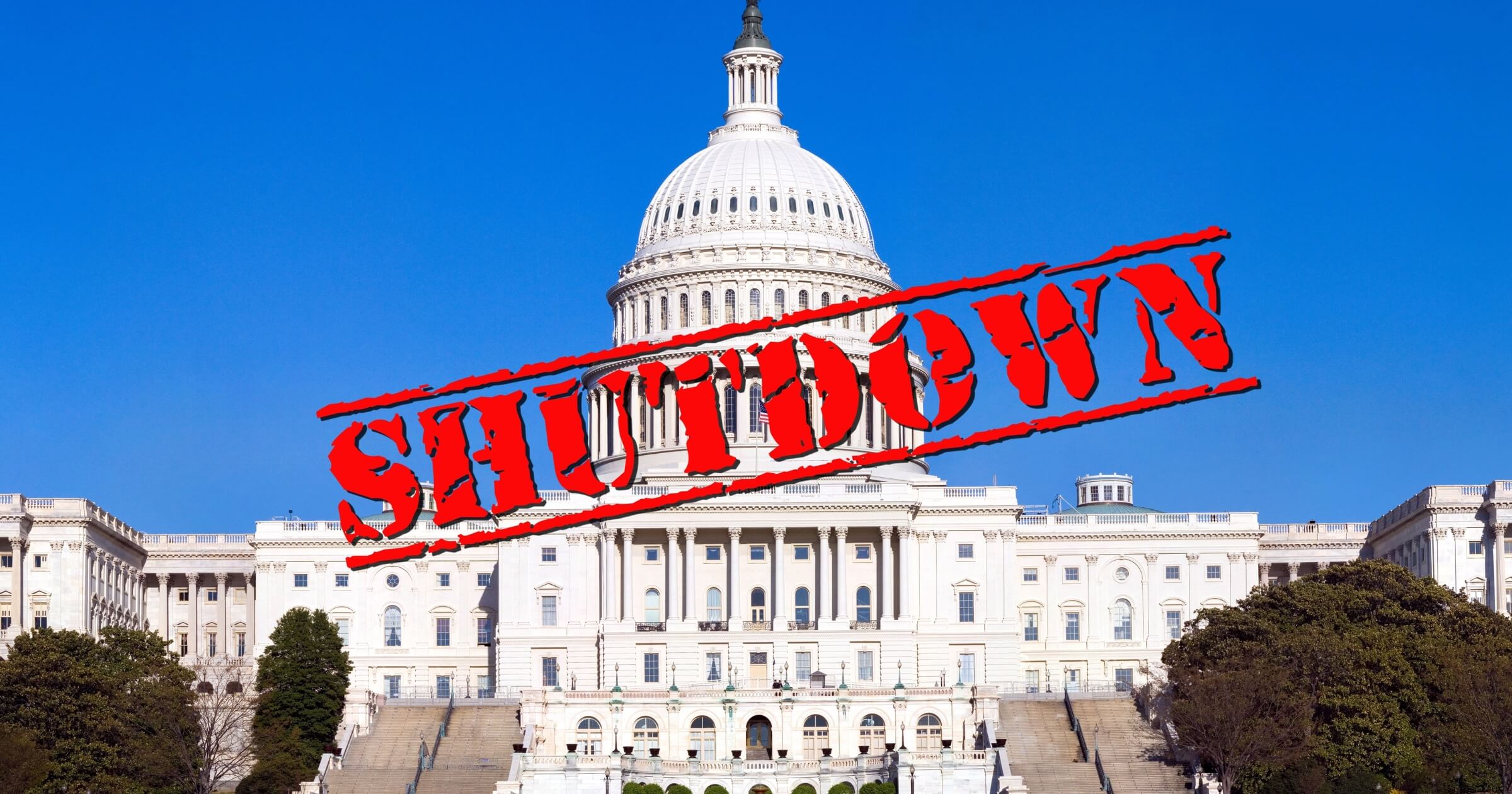
Amidst a government shutdown, uncertainty about construction project changes adds to already mounting stress of delayed projects. The fall of 2025 has brought day-by-day government changes, and although the 2026 economic outlook may be uncertain, there are ways businesses can better protect themselves from financial hardship. In this article, we’ll cover what typically changes during a government shutdown, including work stoppages, cash flow disruptions, and which claims and disputes companies can expect.
What changed during the government shutdown
Simply put, when there’s a government shutdown in Trump’s America, the industry can expect the shutdown of some federally funded projects as well—but it depends on the contract type, funding status, and agency instructions. During the October 1st shutdown, we saw a freeze in activity across several projects, inadvertently serving as a test of how well certain construction companies negotiate and document their federal contracts.
When shutdowns create funding gaps, the decision to stop work or continue becomes an internal struggle. Cost-type work is more likely to be suspended, while certain fixed-price or essential infrastructure projects may have more direction to continue.
In some cases, depending on the project, workers can go unpaid for weeks. But for all construction businesses, it’s a lesson learned in which clauses effectively protect them and which derail their work.
When you must keep working vs stop
Unfortunately, there isn’t a cut-and-dry answer for every firm. Some workers may discover they’re required to work even if they don’t receive timely pay, and this may continue for extended periods.
The work uncertainty trickles down to subcontractors, too. Companies that choose not to include a stop-work or suspension clause for subcontractors risk being caught in the middle between their subcontractor partners and the government. But at the end of the day, it all comes down to the individual agency or contract at play for each project.
If a firm’s project was funded before the fiscal year began, these are the cases where work will typically continue, even if payment cycles slow. However, if project funds weren’t appropriated before that fiscal year, the project normally goes dark for at least the remainder of the shutdown.
Cash flow and getting paid
Not only do federal contractors lack a definitive answer as to whether or not work can continue, but they’re also often in the dark about whether costs are reimbursable. Many federal contracts, however, require continued work regardless of project payment details or status.
In this case, businesses are forced to self-finance their operations until funding returns. During this process, idle labor, idle equipment, and delay claims must be well preserved. Those without funding clarity risk facing disputes down the road.
Claims and disputes to expect
Costs, delays, idle time, and all communications should be thoroughly documented throughout a project, especially during a shutdown. Any stop-work clauses and contract changes should also be presented in written notices to all contracting officers, contractors, and ideally, subcontractors.
All costs related to the shutdown, like remobilization, demobilization, storage, and idle time, should be logged with separate cost codes. Common mistakes businesses make while trying to keep records clean include:
- Using verbal-only communication
- Failing to collaborate through a unified app or email chain
- Ignoring or mishandling late notices
- Poor timekeeping
The goal, ultimately, is to quantify the impact of any contractual changes made during the shutdown to reduce dispute risk. The most important clauses, according to lawyers, are:
- Stop-work clauses
- Terminations for convenience
- Equitable adjustment
- Change clauses
- Limitation of funds clauses
Actionable steps for contractors now
Contractors working directly for a federal agency should assess provisions allowing for work suspensions or stoppages. Doing this, in accordance with cost and time recovery mechanisms, is key. The provisions should also be matched and flow down to their subcontractor agreements, to ensure contractors aren’t caught between the government and downstream suppliers and subcontractors.
Businesses should also plan coordination meetings with COs and owners to clarify the status of every project. Additionally, by drafting a shutdown plan that addresses security, workforce, and materials considerations, businesses can better protect themselves against future delays, disputes, and financial hardship.
To stay up to date with the latest in AEC news, be sure to subscribe to our newsletter and follow us on LinkedIn!