Hitachi Construction Machinery has announced a $3 million strategic investment in Rithmik Solutions, a U.S.-based company that specialises in processing performance data to make mining operations run more smoothly. The investment, announced in early 2026, is a clear signal that Hitachi is pushing toward data-driven performance and decision-making across its equipment lineup. For mining operators and heavy equipment contractors, it’s another sign that machine intelligence is becoming just as important as machine horsepower.
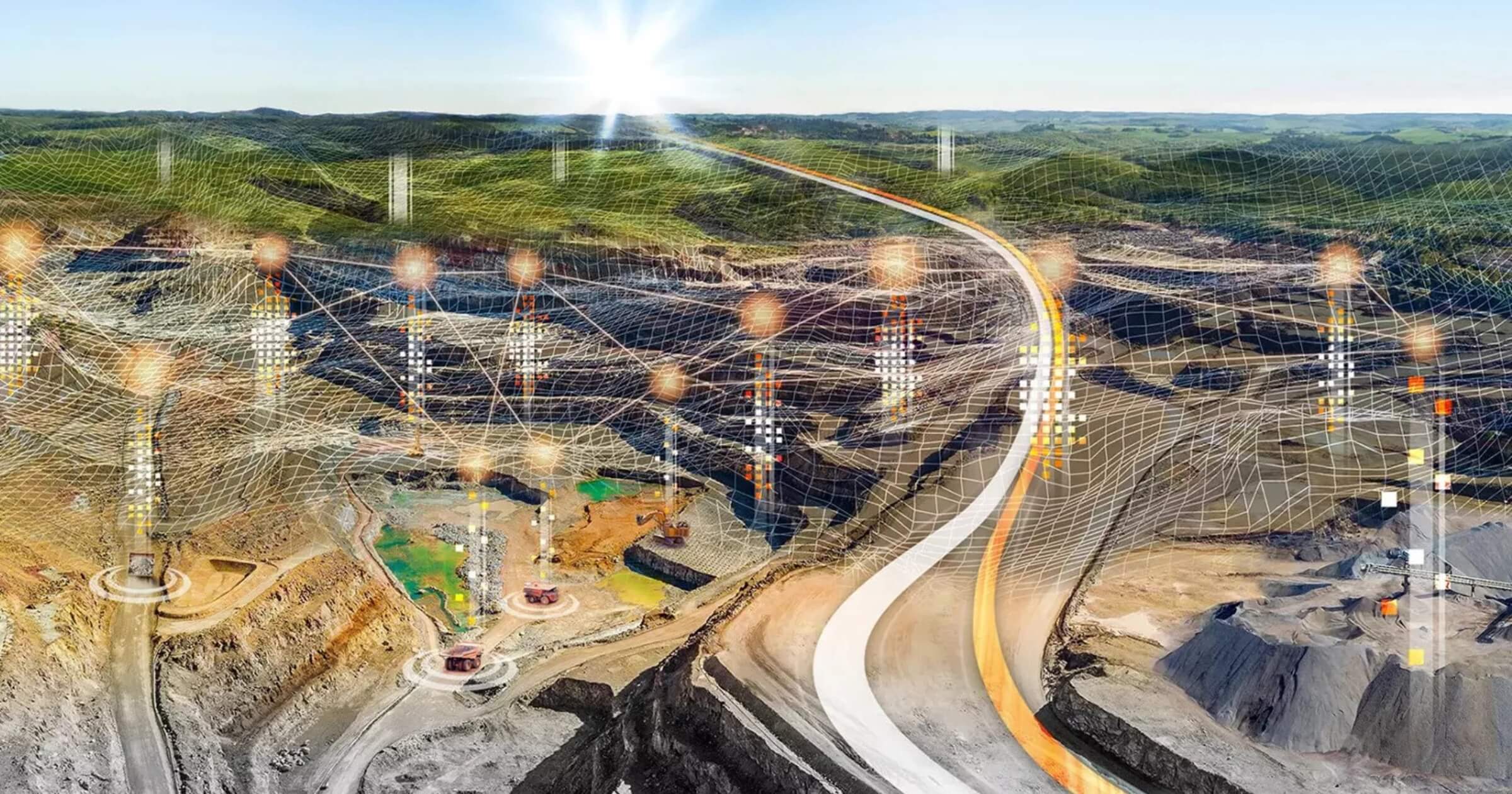
The partnership is built around Rithmik’s AI-driven analytics platform, which gathers operational and equipment data and uses it to unearth real patterns that the crews can actually do something with. You will no longer be plagued with a bunch of reports or waiting until the end of the day for someone’s summary. This platform identifies inefficiencies, safety risks, and productivity gaps while work is still underway. Hitachi anticipates that this investment will be the kick-start they need to get their mining customers using these tools faster, and ultimately, they’re pushing for serious scale with the end goal of making a real difference.
How AI analytics fit into modern mining operations
Rithmik Solutions specializes in turning raw machine data into usable signals for site managers. Their platform aggregates equipment telemetry, shift data, and production metrics and flags trends that can be easily overlooked in the daily hubbub of operations. That can be anything from haul trucks idling longer than they should be, loaders falling out of sync, or cycle times creeping up without an obvious cause. On larger mines, where a small glitch can rapidly add up to big losses, having visibility like this is a major advantage.
From Hitachi’s perspective, this investment represents a determination to move beyond selling machines and instead support how work actually gets done. Heavy equipment makers are increasingly expected not only to supply the hardware but also to help their customers do better, more efficient work. By investing in Rithmik, Hitachi is making a point of putting analytics right at the heart of equipment value. They’re saying that by combining Hitachi’s equipment expertise with Rithmik’s AI expertise, customers can optimize production scheduling, control costs more effectively, and make the most of what they already have.
Safety also comes into play here. Mining operations generate massive volumes of data tied to factors such as machine behavior, operator actions, and site conditions. If that data is used to train AI, it can help identify patterns associated with higher risk and alert supervisors earlier than they might otherwise. Over time, that can feed back into training, scheduling, and even job planning to keep workers safer without slowing production.
What this means for contractors and equipment outlook
For contractors and operators keeping an eye on the heavy equipment scene, this investment sends a clear message about where things are headed: data-driven tools are becoming the norm rather than just a nice extra on top of your fleet management. As AI becomes more tightly connected to equipment platforms, crews can expect fewer surprises in production data, clearer maintenance planning, and better support when making decisions on complex sites.
It also changes how value is really measured—the machine is still important, but the software can make all the difference to getting the most out of it. Contractors who can make sense of the data and act on it will be a cut above in putting together a winning bid, managing risk, and squeezing those tighter margins. Partnerships like this suggest manufacturers are preparing for this reality by building intelligence into everything they offer.
Looking ahead, this collaboration between Hitachi and Rithmik points to a future where AI is a standard part of daily operations in mining and heavy civil work. As these tools mature, they’ll likely start to influence how big fleets are sized, how jobs are planned, and how issues are caught before they even reach the end of the shift (instead of leaving you in a tight spot after the fact).
If you want to keep up with how equipment, data, and technology are reshaping construction and heavy industry, subscribe to the Under the Hard Hat newsletter for more coverage like this.