
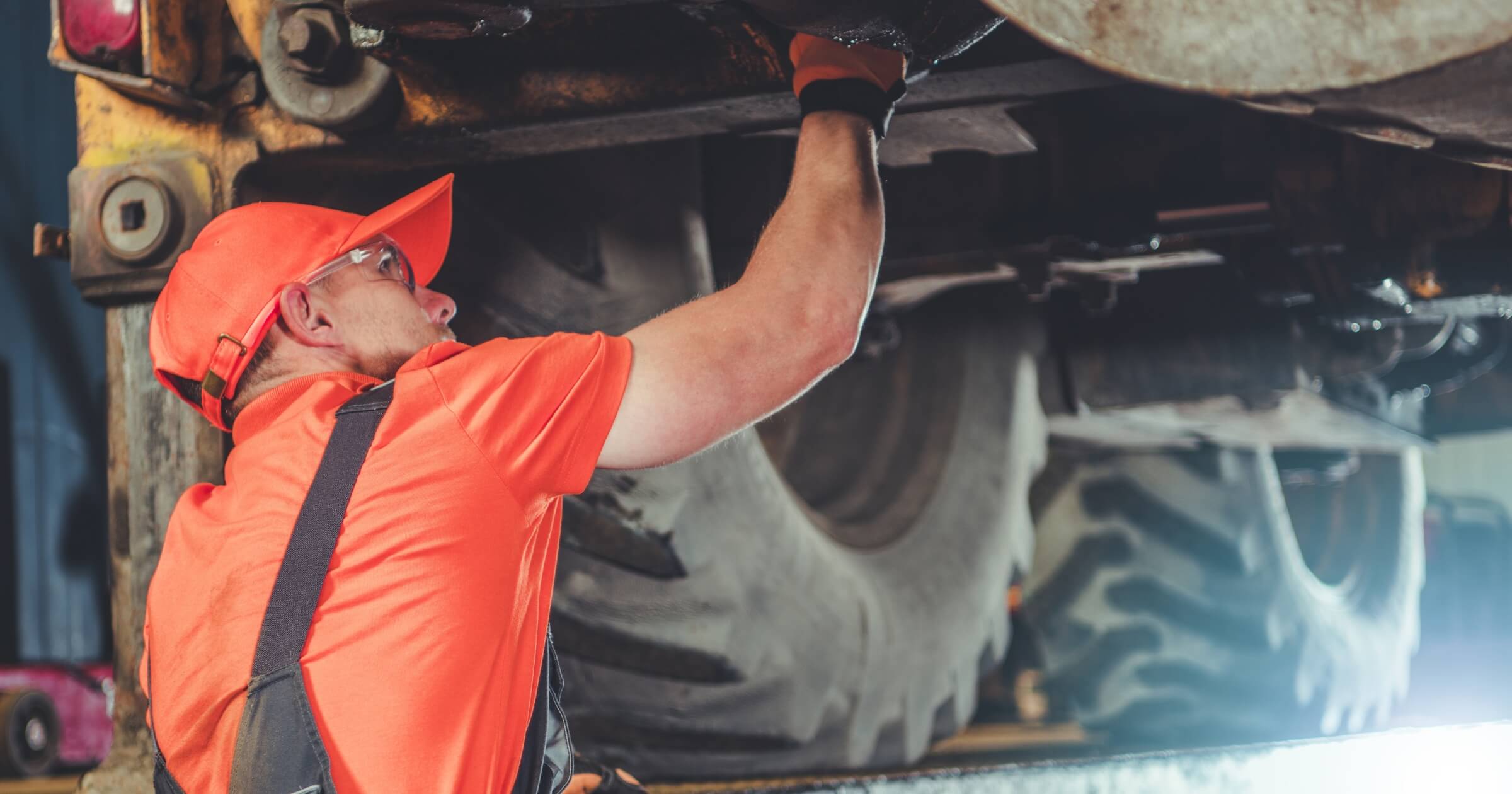
Heavy equipment mechanics keep construction and agricultural projects running by maintaining and repairing machinery like bulldozers, cranes, loaders, and excavators. Without them, job sites grind to a halt. If you’ve got a knack for fixing engines, working with your hands, and problem-solving, this career path offers steady work and good pay. This guide will walk you through how long it takes to get into the trade, the exact steps to follow, what kind of salary you can expect, and tips for succeeding once you’re on the job. Whether you’re fresh out of high school or considering a career change, becoming a heavy equipment mechanic in the US is a path worth considering.
Quick look
- Training typically takes 3–5 years, combining schooling with hands-on apprenticeship.
- Steps include earning a high school diploma, completing a training program, and logging paid hours under the supervision of a licensed mechanic.
- Average pay ranges from $42,000 for entry-level mechanics to over $75,000 with experience, with overtime providing additional earnings.
- Demand is strong nationwide, with more than 150,000 new technicians expected to be needed in the next decade.
- Career growth opportunities are available in areas such as diesel diagnostics, hydraulic repair, and supervisory roles.
How long does it take to become a heavy equipment mechanic?
The time it takes depends on the route you choose:
- Vocational or community college programs – These typically last 1–2 years. Students complete coursework in diesel technology, electrical systems, and hydraulics before moving into entry-level mechanic positions.
- Apprenticeships – A more traditional pathway, apprenticeships last 3–4 years and combine on-the-job learning with classroom instruction. For example, the International Union of Operating Engineers (IUOE) requires 8,000 hours of training over four years.
- On-the-job training – Some mechanics enter the trade by starting as helpers or laborers. Employers train them gradually, but this route can take longer—sometimes 4 to 5 years—before they reach full proficiency.
Overall, expect anywhere from 2 to 4 years before you’re considered a fully qualified heavy equipment mechanic.
Steps to become a heavy equipment mechanic in the US
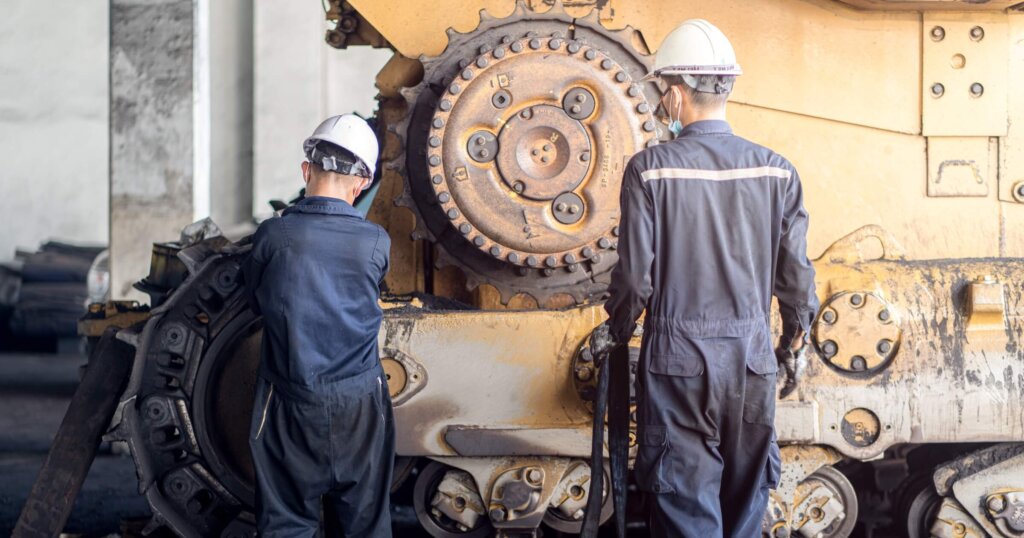
Routine maintanance being done on a bulldozer by heavy equipment mechanics. Photo courtesy of Shutterstock.
1. Get your high school diploma or GED
Employers require at least a high school diploma or equivalent. Classes in math, shop, automotive repair, and physics are especially helpful. Strong reading comprehension also matters since you’ll use manuals and digital diagnostic tools regularly.
2. Complete a vocational or community college program
While you can jump straight into an apprenticeship, a formal program provides a solid technical base. Diesel technology or heavy equipment repair programs are offered at many trade schools and community colleges. These usually cover:
- Diesel engines and fuel systems
- Hydraulic systems
- Powertrains and transmissions
- Electrical and electronic systems
- Welding and fabrication basics
- Safety protocols and OSHA standards
Many programs include lab hours where students work on actual machinery, which makes the transition to the workplace smoother.
3. Gain hands-on experience through work or an apprenticeship
After completing your education, you’ll need real-world experience. Apprenticeships are one of the best ways to gain this. They pay you while you learn, with wages increasing each year of the program. Apprentices spend their time split between working under the guidance of journeyman mechanics and attending classroom sessions that cover advanced systems and diagnostics.
If you don’t pursue a formal apprenticeship, look for entry-level jobs as a mechanic’s helper, shop assistant, or equipment technician trainee. The more exposure you get to different machines, the better.
4. Earn industry certifications
Certifications aren’t mandatory, but they make you more competitive in the job market. The National Institute for Automotive Service Excellence (ASE) offers certification for Medium-Heavy Truck and other specialties relevant to heavy equipment mechanics. Passing ASE exams shows employers you’re qualified in areas like diesel engines, brakes, and hydraulics.
Manufacturers like Caterpillar, John Deere, and Komatsu also offer brand-specific training. These can be valuable if you want to work for dealerships or companies that primarily use one brand of equipment.
5. Apply for heavy equipment mechanic jobs
Once you have a mix of education and experience, you’re ready to start applying. Heavy equipment mechanics are needed in industries like:
- Construction and infrastructure projects
- Mining operations
- Agriculture and farming
- Equipment dealerships and rental companies
- Government agencies (highway departments, public works)
Job postings often ask for candidates who can diagnose mechanical and electrical issues, perform preventive maintenance, and work with computerized diagnostic systems. Many employers also prefer mechanics who are comfortable traveling to job sites for field service.
Salary expectations for heavy equipment mechanics
Heavy equipment mechanics earn a solid wage, especially compared to other trades. According to the Bureau of Labor Statistics:
- Entry-level: Around $43,000–$48,000 annually
- Mid-career: Roughly $55,000–$65,000 annually
- Experienced mechanics: $70,000–$85,000+, with some exceeding six figures in high-demand regions or through overtime
Hourly pay is standard, and mechanics often earn extra through overtime or shift differentials. Field service technicians—who travel to job sites for emergency repairs—may earn additional pay for being on call.
The job outlook is positive, with the BLS projecting 6% growth through 2034. That translates to approximately 21,700 openings each year, driven by construction booms, infrastructure investment, and the retirement of an aging workforce from the trade.
Career advancement opportunities include:
- Lead mechanic or shop foreman – Supervising other mechanics
- Service manager – Running an entire maintenance operation
- Field service specialist – Handling specialized or emergency repairs
- Equipment sales or technical representative – Leveraging hands-on knowledge in a business role
Tips for success as a heavy equipment mechanic in the US
- Master diagnostics – Employers value mechanics who can quickly identify problems using computerized tools and experience.
- Stay physically prepared – The job requires lifting, climbing, and working in tight spaces, so staying in shape matters.
- Keep learning – Equipment is becoming more computerized every year. Training on electronics and telematics keeps you competitive.
- Develop communication skills – Mechanics don’t just fix machines; they explain issues and solutions to operators, supervisors, and customers.
- Build a reputation for reliability – Showing up on time, following safety rules, and finishing jobs correctly makes you someone employers trust.
Is being a heavy equipment mechanic a good career?
Yes, this trade offers strong pay, job security, and opportunities for advancement. In a recent poll, 71% of heavy equipment employers said they’re unable to keep up with demand because they can’t hire enough technicians—projecting a need for more than 150,000 new mechanics in the next decade. For example, federal spending on highways and bridges means more machinery in use, which directly increases the need for mechanics.
The career is well-suited for people who enjoy problem-solving, working outdoors, and taking on practical challenges. Mechanics often work independently once trained, which appeals to those who prefer hands-on tasks over office work.
Union membership can also add stability, with many mechanics receiving benefits packages that include healthcare and retirement contributions. In some regions, state and local governments support apprenticeship programs, making it easier to get started.
Final thoughts
Becoming a heavy equipment mechanic takes a mix of training and experience, but it pays off with steady work and good wages. Whether you choose a vocational program, apprenticeship, or direct on-the-job training, the skills you gain are in demand across construction, mining, agriculture, and government sectors.
If you’d like to explore related trades, check out our guides on how to become a heavy equipment operator or the best heavy equipment anti-theft devices.
To keep learning about trades, careers, and construction industry trends, subscribe to our newsletter. You’ll get updates tailored to professionals who want to grow in the field.