
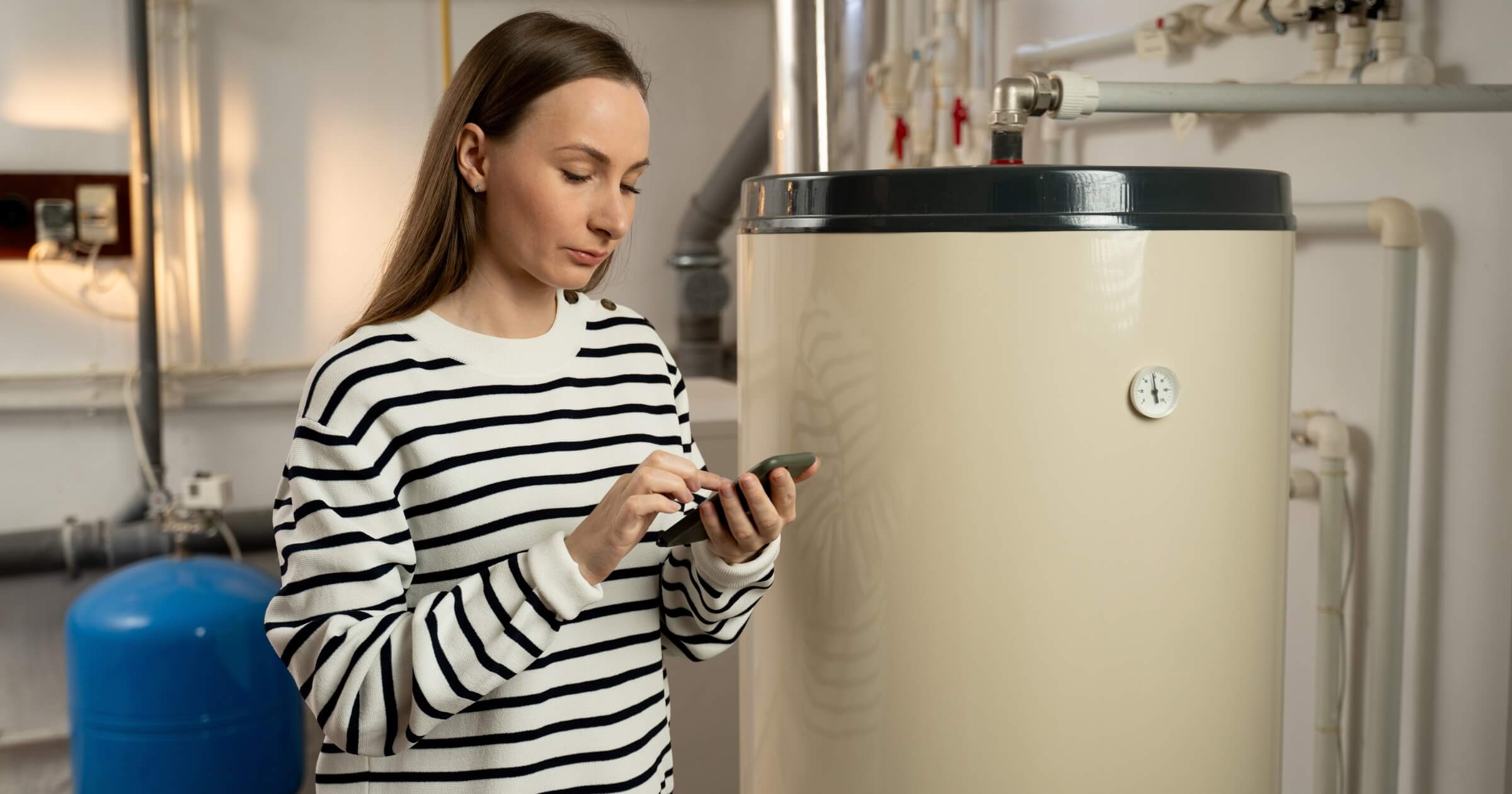
When your furnace stops working, it can throw your entire home or jobsite into chaos—especially during cold months. Common issues range from dirty filters and tripped breakers to malfunctions of the pilot light or thermostat. Knowing how to troubleshoot a furnace can help you identify minor problems early, before they escalate into major repairs. With a few careful checks, you can often restore heat safely. But if you notice unusual smells, electrical issues, or leaks, that’s when it’s time to call a specialist. In this article, we’ll guide you through some of the most common problems with furnaces and what you can do yourself before calling a professional for help.
Quick look
- Dirty filters, thermostat malfunctions, pilot light or ignition failure, tripped breakers, or blocked air vents are all possible causes for a faulty furnace.
- Check thermostat settings, replace or clean the air filter, inspect the circuit breaker, verify the pilot light, and clear any obstructions from vents or air intakes.
- If you smell gas, hear loud or unusual noises, or experience repeated system shutdowns, please call a specialist immediately.
- Minor fixes average $75–$200; larger repairs, such as blower or ignition replacement, range from $400 to $1,200.
- Schedule yearly inspections, keep filters and vents clean, and install a carbon monoxide detector for safety.
Common reasons your furnace isn’t working
Dirty or clogged air filter
A clogged air filter is one of the simplest and most common reasons a furnace stops heating properly. When the filter is clogged with dust and debris, airflow becomes restricted, forcing the furnace to work harder and potentially overheat. This can trigger the system’s safety switch, causing it to shut down entirely. Filters should be checked monthly during heavy use and replaced every one to three months, depending on your environment.
Thermostat malfunction
Sometimes the issue isn’t the furnace itself but the thermostat controlling it. If the thermostat isn’t sending the correct signal, the furnace won’t start or may cycle irregularly. Dead batteries, incorrect settings, or wiring issues are typical culprits. Confirm the thermostat is set to “heat,” the temperature is above room level, and the display is functioning.
Pilot light or ignition failure
Older gas furnaces rely on a pilot light that must stay lit for the system to function. Newer models use electronic igniters that can wear out or malfunction. If you notice no flame or hear clicking without ignition, there may be a problem with the gas flow or a failed igniter. It’s best to avoid relighting a pilot if you smell gas—turn off the system and contact a technician.
Tripped circuit breaker or blown fuse
Furnaces draw significant power, and electrical overloads can trip breakers or blow fuses. If your unit isn’t turning on at all, check the electrical panel to see if the furnace switch is in the “on” position. Resetting the breaker can restore function, but frequent trips may indicate a more serious electrical issue that requires the expertise of a specialist.
Blocked air vents or ducts
If the furnace runs but rooms stay cold, the problem could be blocked or closed air vents. Furniture, construction materials, or dust buildup can restrict airflow through ducts. Blockages make the system inefficient and cause uneven heating in your space. Regular cleaning and keeping vents unobstructed prevent these issues.
How to fix your furnace step by step
Step 1 – Check the thermostat
Start by confirming the thermostat is set to “heat” and that the temperature is higher than the current room reading. Replace the batteries if the display is blank or dim. If it’s a smart thermostat, make sure it’s connected to Wi-Fi and hasn’t lost its schedule settings.
Step 2 – Inspect the air filter
Turn off the power to the furnace before pulling out the filter. Hold it up to a light source—if you can’t see through it, it’s time to replace it. Install the new filter with the airflow arrows pointing toward the furnace. Regular replacement can prevent a surprising number of heating problems.
Step 3 – Check the circuit breaker and power supply
Locate your electrical panel and look for the circuit breaker that controls the furnace. If it’s in the middle or “off” position, switch it fully off, then back on. Also check the furnace’s power switch (usually near the unit). If the breaker continues to trip, stop troubleshooting and call a professional to inspect for electrical faults.
Step 4 – Examine the pilot light or ignition system
For gas furnaces, remove the front panel and inspect the pilot flame. If it’s out, follow the manufacturer’s relighting instructions, which are printed on the panel or included in the manual. If the flame won’t stay lit or you smell gas, shut off the system and ventilate the area immediately. Modern units with electronic ignition should only be repaired by trained technicians due to the risk of electric shock.
Step 5 – Inspect vents and air intakes
Walk around your home or building and make sure all supply and return vents are open. Check outdoor intake and exhaust pipes for ice, leaves, or debris that could block airflow. A clogged exhaust can cause safety switches to trip or even lead to a dangerous buildup of carbon monoxide.
When to call a specialist
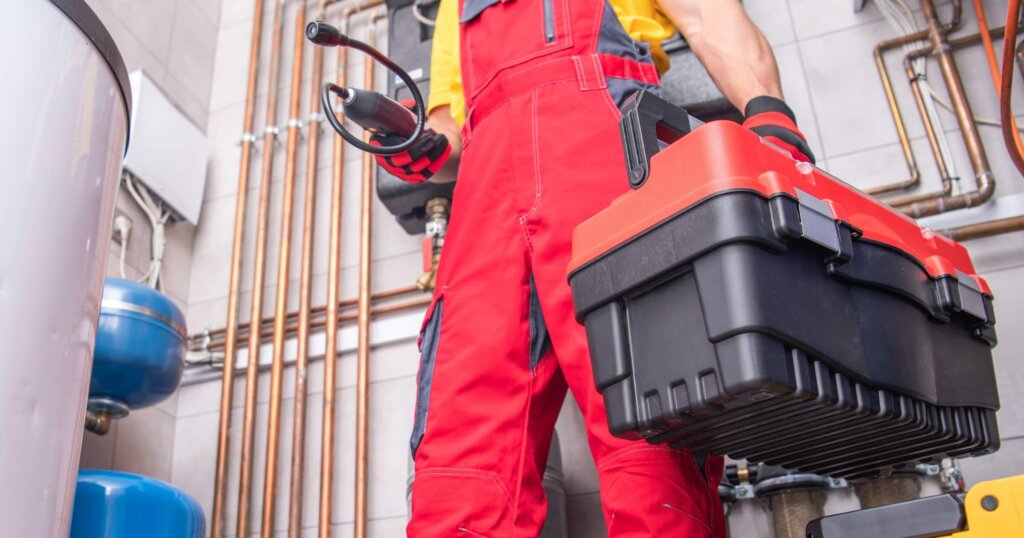
You smell gas or burning odors
Any time you smell gas, sulfur, or burning plastic, shut off the furnace and call your utility company or an HVAC specialist immediately. These smells can signal a gas leak or overheating electrical parts. Both are serious hazards that should never be ignored.
The furnace short-cycles or makes loud noises
Short-cycling (turning on and off rapidly) or unusual noises, such as banging, rattling, or grinding, indicate mechanical failure or poor airflow. Left unchecked, these problems can damage the blower motor or heat exchanger. An HVAC technician can pinpoint whether the issue is with the fan, belt tension, or a faulty flame sensor.
Average repair costs for fixing a furnace
Minor repairs and maintenance
Replacing an air filter, thermostat batteries, or cleaning sensors usually costs between $75 and $200 if done professionally. Thermostat replacements typically range from $150 to $350, depending on whether the thermostat is programmable or smart-enabled.
Major mechanical or gas-related repairs
More serious repairs—like replacing a blower motor, igniter, or control board—typically range from $400 to $1,200. A cracked heat exchanger, one of the most costly issues, can exceed $2,000 and may necessitate a complete system replacement, especially in older furnaces.
Preventive tips to keep your furnace working
- Schedule annual professional inspections: Even if your furnace is working fine, have it serviced at least once a year before winter. Technicians clean components, check for gas leaks, and test safety switches to ensure reliability throughout the season.
- Keep vents and filters clear: Change filters regularly and vacuum dust around registers and intakes. Good airflow reduces strain on the blower motor and maintains consistent heating.
- Install a carbon monoxide detector: A working CO detector is critical for any gas furnace. Test it monthly and replace batteries twice a year. It’s a small investment that can prevent major health risks from unseen leaks.
Final thoughts
Most furnace problems start small—such as a dirty filter or a tripped breaker—and can be resolved with basic checks. Knowing how to troubleshoot a furnace lets you quickly resolve simple issues and save on service calls. When in doubt or if you suspect gas or electrical trouble, calling a certified technician is the safest course of action.
To stay ahead on maintenance tips and repair guides, subscribe to Under the Hard Hat’s newsletter for reliable insights into heating, building systems, and home performance.
FAQ
What’s the first thing I should check if my furnace stops working?
Check the thermostat and make sure it’s set to “heat.” Then inspect the air filter and circuit breaker. These simple steps solve many common heating issues.
Why does my furnace turn on and off so often?
Frequent cycling may indicate a clogged filter, a malfunctioning thermostat, or overheating. If cleaning and resetting don’t help, contact a professional.
What temperature should I set my thermostat to in winter?
Most households find 68°F comfortable when occupied and 60–62°F when away or sleeping. Programmable thermostats can help manage these settings efficiently.
Can I relight a gas furnace pilot myself?
You can relight it if you don’t smell gas and follow the manufacturer’s instructions carefully. If the flame won’t stay lit, call a technician.
How long should a furnace last?
A well-maintained gas furnace typically lasts 15 to 20 years. Regular servicing and clean filters can extend its lifespan and prevent costly repairs.