
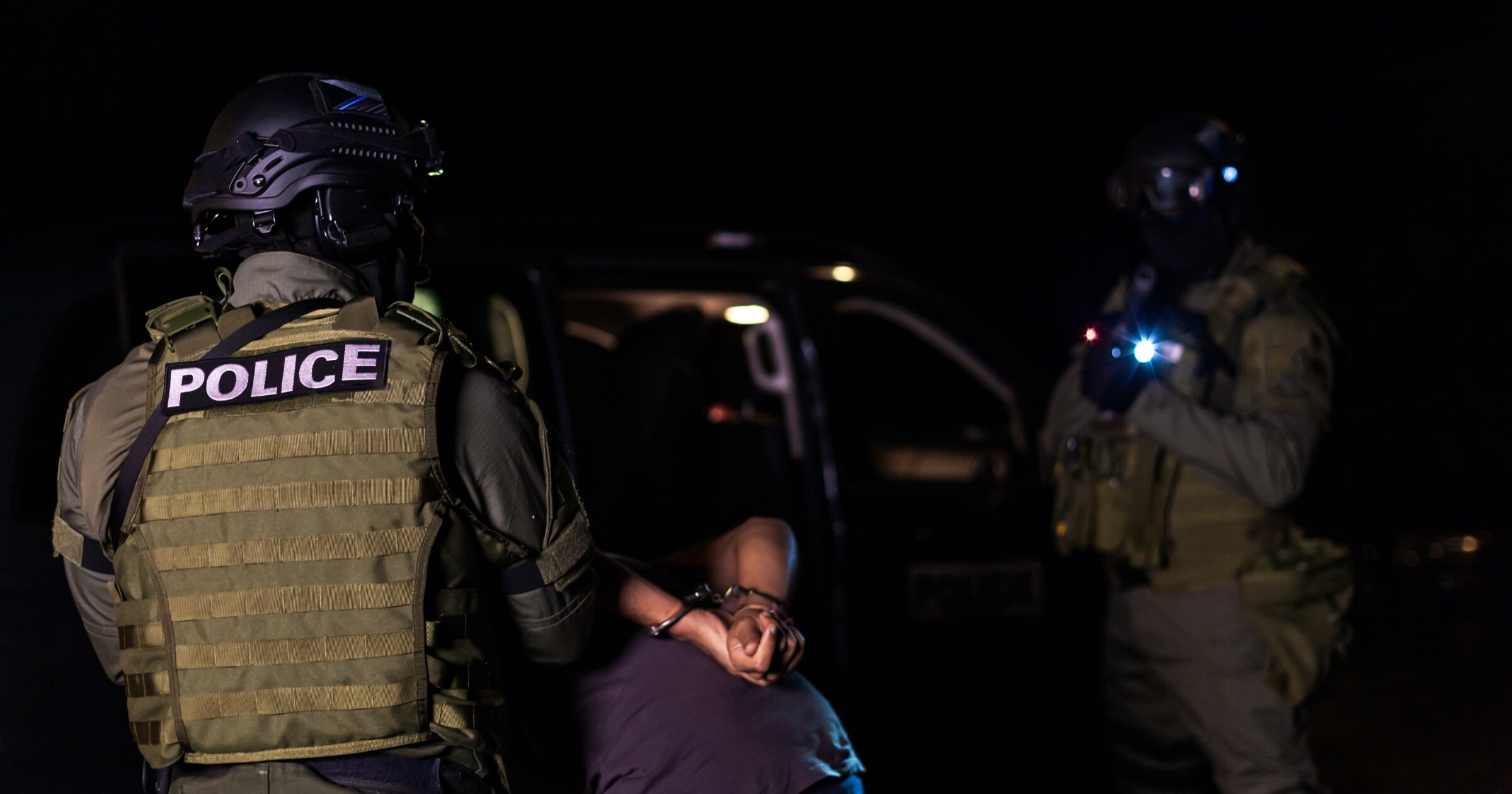
Across U.S. job sites, construction work is slowing as immigration crackdowns drive widespread worker absences. In cities like Washington, D.C., and Los Angeles, crews are thinning out as immigrant workers stay home to avoid potential ICE enforcement. The result is delayed projects, higher costs, and growing pressure on contractors already facing severe labor shortages.
In Washington, D.C., several contractors claim that workers are skipping jobs in the city because they fear immigration arrests. Some said they’ve had to turn down new projects or look for replacements in nearby Maryland and Virginia instead. One crew manager said a few workers now refuse to cross the city line at all, worried about being stopped while commuting.
The same story is playing out hundreds of miles away in Los Angeles. Contractors there say some job sites are running at half strength because many crew members are avoiding work. “They’re hiding,” said Jason Pietruszka, a general contractor in Los Angeles, in a recent CBS News interview. “People aren’t willing to come to work.”
The fear isn’t hard to understand. Immigrant workers, many of whom are undocumented, make up a large share of the construction workforce. When immigration crackdowns increase, job sites lose people fast. Some workers now avoid going to Home Depot or Lowe’s to pick up supplies out of fear of ICE targeting those spots.
A national survey by the Associated General Contractors (AGC) and the National Center for Construction Education and Research (NCCER) found that 28% of construction firms have been affected by immigration enforcement in the last six months. About 10% said workers failed to show up or quit after reports of raids or checkpoints, and 20% said subcontractors lost workers altogether.
The labor shortage is only getting worse. A recent AGC report found that about 92% of construction firms can’t find enough skilled workers, and nearly half say that lack of labor is now the biggest reason projects fall behind. To keep things moving, many contractors are boosting pay, offering hiring bonuses, and putting more money into training and apprenticeships.
In Los Angeles, the issue is hitting hard during a time when rebuilding is needed most. Post-wildfire construction projects are slowing down because many skilled tradespeople, especially those who handle drywall, roofing, and finishing work, are staying home. Projects that once took months are now dragging on for a year or longer, leaving homeowners and developers frustrated.
All across the country, contractors are feeling the effects. With fewer people showing up for work, progress slows, budgets stretch, and housing supply struggles to keep up with demand. Some builders have stopped bidding on projects in cities where enforcement is strong, while others are trying to rebuild their crews through job fairs, local training programs, and trade schools.
The U.S. construction industry depends on a diverse workforce, including thousands of immigrant laborers who help build homes, schools, and infrastructure. Without them, the nation’s biggest projects could grind to a halt.
Want to stay updated on the latest trends shaping America’s construction workforce? Subscribe to our newsletter for weekly stories on labor, infrastructure, and innovation.