

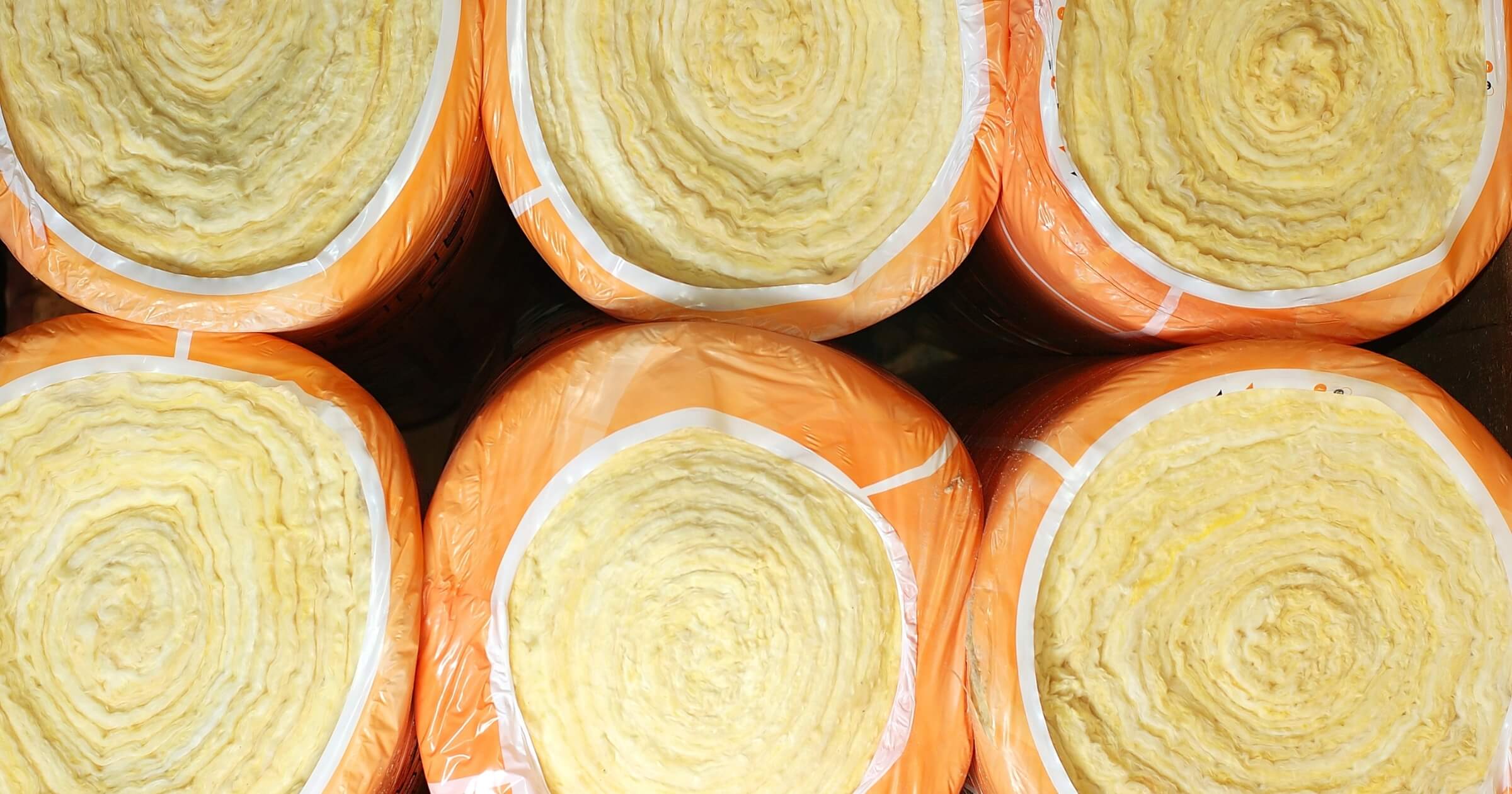
When you hear the term “insulation companies,” you might think only of batt insulation or spray foam. However, the market behind those products is large, complex, and rapidly evolving. It is essential to acknowledge that the insulation industry is under pressure from energy codes, sustainability goals, and changing material costs—meaning contractors and engineers must think beyond standard batts and boards. This article highlights some of the largest insulation companies around the world to help you understand who’s driving supply, innovation, and change. We’ll spotlight firms such as Owens Corning, Compagnie de Saint‑Gobain S.A., Rockwool International A/S, and Johns Manville Corporation.
Global insulation market projections
The insulation market is currently undergoing a shift driven by new building-performance regulations, retrofits aimed at meeting climate targets, and growing demand for materials that deliver higher thermal and acoustic performance. According to one study, the global market for thermal insulation materials was projected to be roughly USD 76 billion in 2024 and is expected to reach USD 151 billion by 2035. For those in the trades, this means the usual insulation scope is being expanded to include requirements around material specification, product certification, sustainability claims, and tighter supply chains. Now let’s look at the top firms making the most significant impact in this space.
Top 10 global insulation companies to watch
10. CertainTeed (Saint-Gobain)
- Website: https://www.certainteed.com/
- Market cap/revenue: CertainTeed is a major Saint-Gobain brand; Saint-Gobain group revenue was €46.6 billion in 2024.
- Employees: CertainTeed reports 6,900 employees in North America; Saint-Gobain employs 161,000 employees overall.
- CEO / parent CEO: CertainTeed operates under Saint-Gobain’s CEO Benoît Bazin.
- Founded: 1904
CertainTeed is the North American brand of the Saint-Gobain group, focused on insulation, roofing, siding, and exterior systems. Its insulation division supplies fiberglass batts, mineral wool, rigid board, and acoustic panels for both residential and commercial use. Contractors will find CertainTeed specified frequently because of its extensive availability across U.S. and Canadian markets, strong code-compliance documentation, and integration with broader building-material lines from its parent group. Because financials are tied to Saint-Gobain’s global figures, insulation-specific revenue isn’t broken out publicly. However, as a brand under a major materials group, it offers scale and supply reliability—an essential factor when tendering larger projects or facing tight schedule windows.
9. Knauf Insulation
- Website: https://www.knaufinsulation.com/
- Market cap/revenue: €2.5 billion
- Employees: 6,000 employees across 28 manufacturing sites
- CEO / leadership: Alexander Knauf
- Founded: 1932
Knauf Insulation offers glass and stone wool insulation, rigid boards and panel systems, acoustic/thermal packages, and system solutions for building envelopes. With approximately 6,000 employees worldwide and estimated revenue exceeding €2.5 billion for its insulation business, Knauf is a strong player, particularly in Europe and increasingly in North America. For contractors working on commercial or high-spec builds where higher R-values, recycled content, and environmental product declarations are essential, Knauf offers installation-friendly product lines and an international manufacturing footprint. Its growing focus on circular-economy material content means that teams will increasingly face questions about product chain documentation and handling.
8. Armacell
- Website: https://www.armacell.com/
- Market cap/revenue: €836.1 million
- Employees: 3,100 employees
- CEO: Laurent Musy
- Founded: modern form 2000
Armacell specialises in flexible technical insulation and engineered foams: elastomeric foam, industrial pipe insulation, mechanical equipment covers, and special-application insulation for data centres, mechanical rooms, and industrial piping systems. The company reported net sales of €836.1 million in 2023 and employs approximately 3,100 people worldwide. On jobs where mechanical insulation, vibration control, noise suppression, or non-standard material types are involved, contractors will encounter Armacell product lines more frequently than traditional batt insulation. Installation teams working on mission-critical HVAC or piped systems should be familiar with Armacell’s product handling, adhesive systems, and supplier inspection requirements.
7. BASF (insulation-related products/chemicals)
- Website: https://www.basf.com/
- Market cap/revenue: €65.3 billion
- Employees: 111,822 employees
- CEO: Dr. Markus Kamieth
- Founded: 1865
BASF is a chemical and materials company with a portfolio that includes high-performance foam insulation cores, vacuum-insulation panels, rigid polyurethane boards, and specialty composite materials used in high-efficiency building envelopes. The group reported €65.3 billion in group sales in 2024 and has around 111,800 employees. Although BASF is not a pure batt insulation manufacturer, its materials are used in advanced applications within the sector, including modular wall panels, energy-efficient facades, prefabricated building systems, and high-rise installations where insulation is integrated into structural or manufactured components. Architects and contractors working in the high-performance or modular-prefab space will encounter BASF-backed materials and must coordinate with mechanical, façade, and structural trades accordingly.
6. Kingspan Group
- Website: https://www.kingspan.com/
- Market cap/revenue: €8.6 billion
- Employees: 22,000+ (2024)
- CEO: Gene Murtagh
- Founded: 1966
Kingspan specialises in rigid insulation panels, insulated wall, roof and façade systems, and prefabricated envelope materials for commercial, industrial and net-zero buildings. With revenue of approximately €8.6 billion in 2024 and over 22,000 employees, the company operates globally with manufacturing, supply, and installation partners. For major contractors handling large-scale commercial or industrial projects, specifying Kingspan often means insulation is delivered as a system (panel, jointing, fixings, integrated façade) rather than as a commodity material. Installation teams may need to coordinate directly with Kingspan regarding pre-assembly, joint treatment details, and sequencing to align with structural and envelope installation schedules.
5. ROCKWOOL
- Website: https://www.rockwoolgroup.com/
- Market cap/revenue: €3,855 million
- Employees: 12,000+ employees
- CEO: Jes Munk Hansen
- Founded: 1909
ROCKWOOL produces stone-wool insulation that offers strong fire resistance, acoustic control, and thermal performance simultaneously. The company reported approximately €3.86 billion in revenue for 2024 and employs more than 12,300 people worldwide. For contractors involved in mixed-use, multi-story, retrofit, or acoustically challenging projects, ROCKWOOL’s material has relevance when fire ratings and sound control are specified. Installation workflows differ from standard fiberglass: different cutting tools, fixings, and handling protocols. It’s worth noting that fire- and sound-performance requirements are growing in many markets, increasing demand for stone-wool variants.
4. Johns Manville (JM)
- Website: https://www.jm.com/
- Market cap/revenue: $4.0 billion
- Employees: 8,000 employees
- CEO: Bob Wamboldt
- Founded: 1858
Johns Manville, a subsidiary of Berkshire Hathaway, supplies insulation (fiberglass, mineral wool, polyiso boards), roofing systems, and mechanical insulation solutions. The business reports annual sales over $4 billion and employs around 8,000 people. On large commercial or industrial installations (mechanical rooms, industrial plants, high-performance façades), JM is a frequent spec choice. Contractors working with mechanical insulation scopes may specify JM equipment for vessel/piping insulation, fire-stopping foam systems, and factory-prefabricated insulation systems. The company’s backing by Berkshire often gives faith to architects, owners, and GCs in warranty support and distribution.
3. Covestro AG
- Website: https://www.covestro.com/
- Market cap/revenue: €14.2 billion
- Employees: 17,500 employees
- CEO: Dr. Thorsten Dreier
- Founded: 2015
Covestro supplies polymer materials and foam cores that underlie high-efficiency insulation boards, prefabricated envelope panels, vacuum-insulation panels, and specialty building-component supplies. The company reports €14.2 billion in revenue in 2024 and approximately 17,500 employees. Contractors may not interact directly with Covestro on standard batt insulation; however, when insulation is built into modular wall/roof panels, prefab pods, or integrated façade systems, Covestro-derived materials are often part of the supply chain. Being aware of such upstream material providers helps trades coordinate around new product types, deeper install detail, and warranty interfaces.
2. Compagnie de Saint-Gobain S.A.
- Website: https://www.saint-gobain.com/
- Market cap/revenue: €46.6 billion
- Employees: 161,000 employees
- CEO: Benoît Bazin
- Founded: 1665
Saint-Gobain is a global leader in building materials; its insulation business (via brands like Isover and CertainTeed) is substantial. The group’s revenue for 2024 was €46.6 billion, and it employs around 161,000 people. For architecture, engineering, and construction firms, specifying insulation from Saint-Gobain brands offers access to global supply chains, deep product libraries, and efficient logistics. Contractors dealing with large envelope or façade packages can benefit from leveraging Saint-Gobain’s global manufacturing footprint, broad building-product ecosystem, and code-compliance documentation. On the other hand, clear specifications and early coordination are essential to ensure the right product line and installation workflow are chosen for the project’s region and performance targets.
1. Owens Corning
- Website: https://www.owenscorning.com/
- Market cap/revenue: $11.0 billion
- Employees: 25,000 employees
- CEO: Brian Chambers
- Founded: 1938
Owens Corning is widely regarded as the largest insulation-focused company by revenue, reporting approximately $11.0 billion in net sales for 2024 and employing around 25,000 people. The company supplies fiberglass insulation for homes, rigid foam board for commercial construction, and composite systems for high-end envelope designs. For contractors, Owens Corning matters because its scale enables strong distribution, standardized installation practices, broad training programs, and recognized warranties. When insulation is specified under the Owens Corning brand, contractors can often rely on consistent product supply, installation documentation, and integration with system builders or general contractors. Given its leadership role, Owens Corning influences installer training, performance benchmarks, and supply-chain partnerships—making it wise for contractors working on large envelope or retrofit programmes to be familiar with its products and installation requirements.
Final thoughts
The insulation industry sits at the crossroads of sustainability, energy performance, and construction efficiency. For builders and engineers, knowing the largest insulation companies isn’t just trivia—it shapes how projects are specified, budgeted, and delivered. Supply reliability, code compliance, and long-term building performance all trace back to these major players. Whether you’re sourcing fiberglass batts for residential work or insulated panels for large commercial envelopes, aligning with the right manufacturer can make or break a schedule.
To keep up with material trends, product launches, and the changing supply landscape shaping modern construction, subscribe to the Under the Hard Hat newsletter. It’s where tradespeople, engineers, and architects stay informed on the products and companies driving the industry forward.

