

In the construction industry, mental health matters just as much as physical health. Construction sees the high suicide rates of almost any field, and remote jobsite living is a contributing factor. In this article, we’ll explore what it means to be a remote worker and how strategies such as fostering connection and providing accessible resources can help mitigate feelings of isolation.
What is remote job site living?
In a construction context, remote job-site living means construction professionals work on-site, far from urban centers or their homes. This means teams must plan for challenges like longer commutes, difficulty accessing resources, and sourcing temporary housing.
For many, it also means increasing feelings of isolation and declining mental health. Teams are required to go long periods without days off or time with their friends and loved ones. It means taking large workforces away from their usual, comfortable routine. Some remote job site projects can last weeks, while others can last months or years.
Why isolation and mental-health issues are a concern for remote job sites
Mental health issues and feelings of sadness and isolation are a concern for those working on remote sites for a number of reasons. For one, it eliminates their regular social interactions, which can lead to stress, loneliness, and burnout, much like shiftwork. Additionally, the lack of social and emotional support blurs the work-life boundaries and can impact psychological well-being. This contributes to mental health symptoms like fatigue, feelings of hopelessness, and, in some cases, musculoskeletal disorders.
Key strategies to mitigate isolation and promote mental health on remote job sites
Promote connection and community
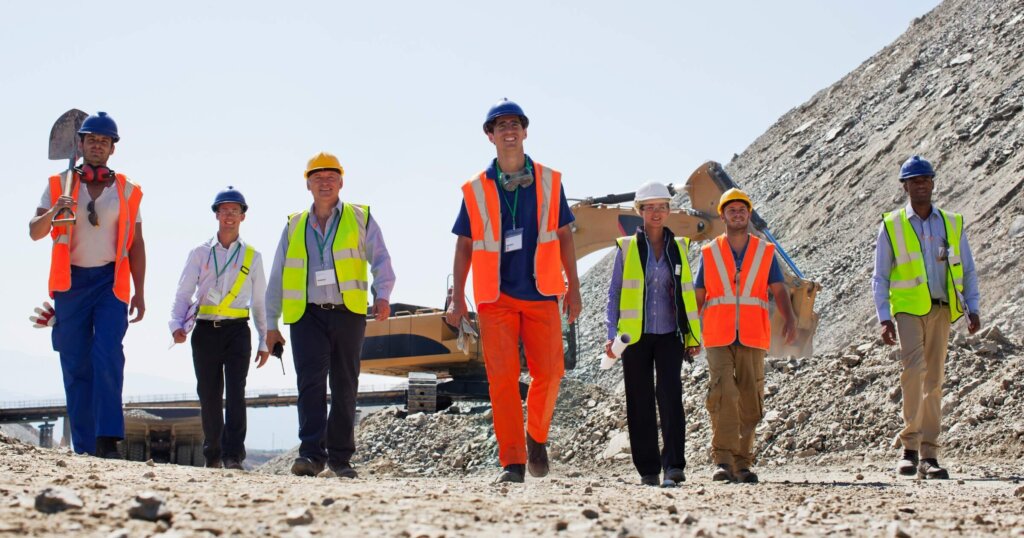
Creating and fostering opportunities for workers to connect is key to keeping them happy and mentally healthy. This could be through team check-ins, group meals, or shared activities. It may seem small, but these opportunities can foster a stronger sense of belonging and mutual support.
When workers feel seen and well-connected, trust within the team grows and feelings of isolation decrease. A tight-knit community also encourages people to speak up when they’re struggling mentally.
Enhance living-site conditions and routines
When workers are comfortable in a well-maintained living space, it brings on a sense of stability and calm in an otherwise demanding setting. Easy access to healthy food, clean spaces, exercise amenities, and downtime also helps workers in any construction role recharge mentally and physically.
These improvements to their physical space send the message that their well-being matters, reducing stress and boosting morale on site.
Provide accessible mental-health resources
On-site and virtual counselling options, confidential hotlines, and peer support programs can go a long way for those working on location. The more widely these mental health resources are discussed, the better. Mentioning available resources in onboarding and training, hanging posters, and providing brochures and wellness books are great ways to reduce stigma and ensure mental health is part of everyday wellness culture.
Embed mental health into safety and jobsite culture
When mental health is treated as one of the core pillars of safety, alongside physical hazards, it becomes everyone’s duty on and off-site. Routine talks, leadership training, and open conversations about fatigue, isolation, and stress create a stronger culture of wellness.
This helps workers feel valued and supported long term, leading to healthier job sites with fewer incidents over time.
Benefits of addressing isolation and mental health in remote jobsite living
Worker wellbeing and retention
When companies actively support workers’ mental health, employees feel cared for and are therefore more likely to stay long-term. Reduced stress, burnout, and loneliness lead to fewer sick days and lower turnover.
A supportive environment also boosts team morale and loyalty, which creates a more stable and motivated workforce.
Safety and productivity gains
Workers who prioritize their mental health are more focused, alert, and less prone to causing incidents and accidents. These attributes are particularly crucial in high-risk construction settings. Addressing feelings of isolation, stress, and fatigue helps maintain focus and decision-making, which directly improves job site safety.
In turn, fewer job site disruptions and incidents also keep efficiency and productivity up. In turn, job sites see safer working conditions and more projects that finish on time.
Reputation and workforce attractiveness
When job sites prioritize mental health and connection, they build a reputation as responsible, caring, people-first employers. This helps attract top talent in an industry where skilled labor is increasingly difficult to find.
A glowing reputation around mental health also strengthens client trust, especially those with environmental, social, and governance (ESG) goals. When companies treat their workers with respect and care, the ripple effect impacts the business’s long-term success.
Final thoughts
Much like with physical safety, psychological safety is everyone’s responsibility on the job site. When companies make an effort to promote connection, improve site conditions, and embed mental health into their safety procedures, workers feel cared for, and sites see fewer incidents and suicides.
Companies can start with something as simple as making their employees aware of their mental health resources. From there, the culture, productivity, and business reputation are only on the rise.
Subscribe to our newsletter and follow Under the Hard Hat on LinkedIn to stay on top of all health and safety news in AEC.