

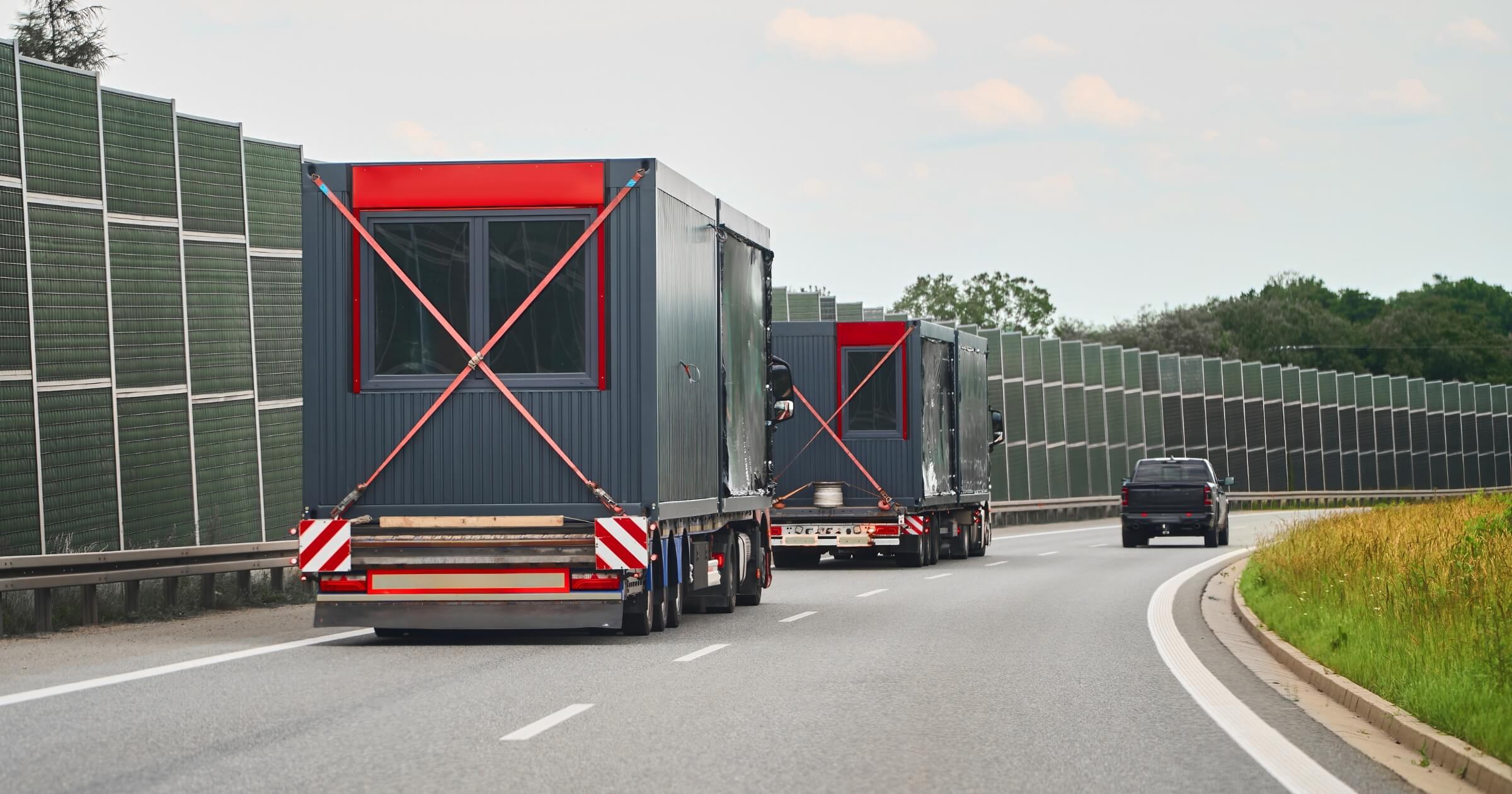
Modular construction is reshaping how cities respond to urgent housing needs. For communities struggling with affordability and accessibility, the speed and efficiency of modular building are opening doors to solutions that traditional methods can’t deliver. Toronto’s recent 56-unit development is a clear example of how this shift is playing out, offering residents barrier-free homes in a fraction of the time it would have taken with conventional construction.
Modular construction developments in Canada and the U.S.
Toronto recently opened a 56-unit development built using modular methods, designed to provide affordable and accessible housing for residents in need. Unlike conventional projects that can take years, tenants moved in within months of the groundbreaking. The units feature wide doorways, barrier-free layouts, and on-site community support services. Lower labor time, less exposure to weather delays, and reduced site disturbance helped the city stretch its budget further while addressing an urgent housing shortage.
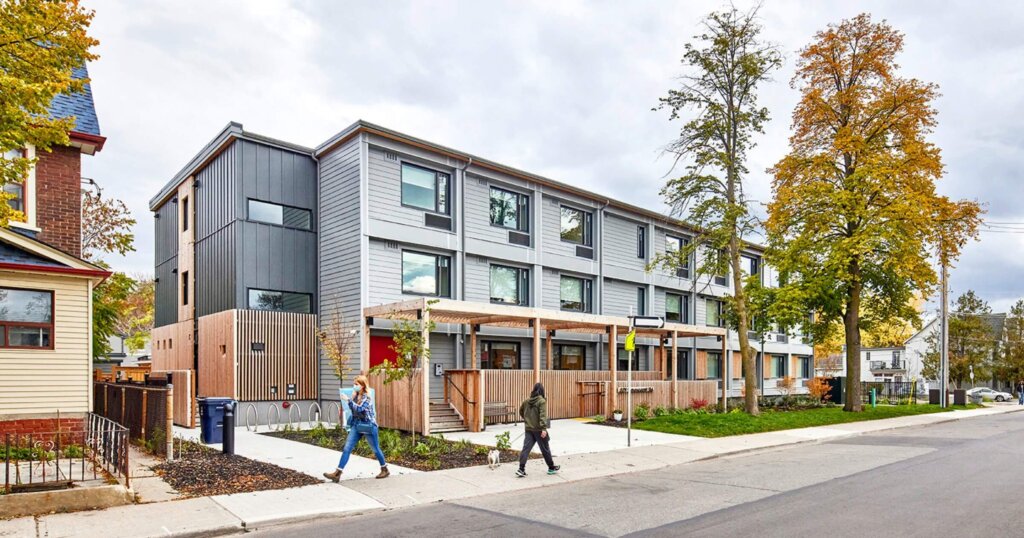
One of the major developments from the Modular Supportive Housing project in Toronto. Photo courtesy of https://www.montgomerysisam.com/.
The Toronto project is not an isolated example. In Yonkers, New York, the La Mora Senior Apartments utilized modular construction to create 60 affordable units for residents aged 62 and above. Much of the work was completed in a factory, which shortened the build time, reduced waste, and minimized disruptions in the neighborhood. That speed mattered for seniors who needed housing quickly.
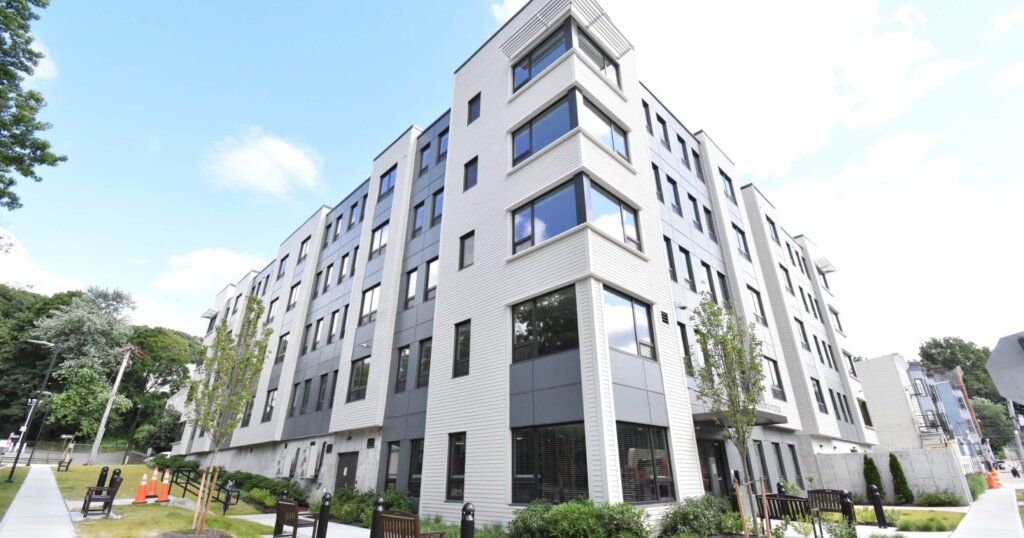
La Mora Senior Apartments completed using modular construction. Photo courtesy of https://www.grouppmx.com/.
Analyses in the U.S. show modular projects saving roughly 20% compared to conventional builds. These savings are tied to streamlined labor, predictable timelines, and tighter material control. In cities where every dollar must stretch across multiple housing initiatives, that difference can translate into dozens of additional units.
Other modular developments have demonstrated the same advantages: faster delivery, more consistent quality, and the ability to scale supportive housing programs without the delays that often stall traditional projects. For populations facing steep barriers, such as seniors, low-income families, and individuals needing accessible housing, those gains can be the difference between waiting years and moving in within months.
Where modular construction helps and where challenges remain
Modular isn’t a cure-all. Land prices, zoning restrictions, and code requirements continue to influence the affordability of housing projects. Transporting modules through city streets can also add costs, and some municipalities remain slow to adapt permitting processes for factory-built units. These factors can narrow the cost advantage if not addressed early.
However, when governments and builders adopt modular methods, the results are hard to ignore. Faster occupancy, better predictability for contractors, and housing tailored for accessibility are no longer hypothetical benefits—they’re being delivered in Toronto, Yonkers, and other cities taking this path.
For architects, modular design has evolved beyond cookie-cutter boxes, with layouts meeting accessibility standards without sacrificing comfort. Builders are experiencing fewer weather-related setbacks, and engineers are refining connections and transportation methods to enhance efficiency. Together, these advances make modular construction a practical tool for expanding housing accessibility, not just an experiment.
The test now is whether cities scale these programs beyond pilot projects. If they do, modular could become one of the most effective ways to close the gap in affordable and accessible housing.
If you want to follow more stories about modular builds, cost breakdowns, and methods shaping the future of housing, subscribe to our newsletter at Under the Hard Hat.


1 comment