
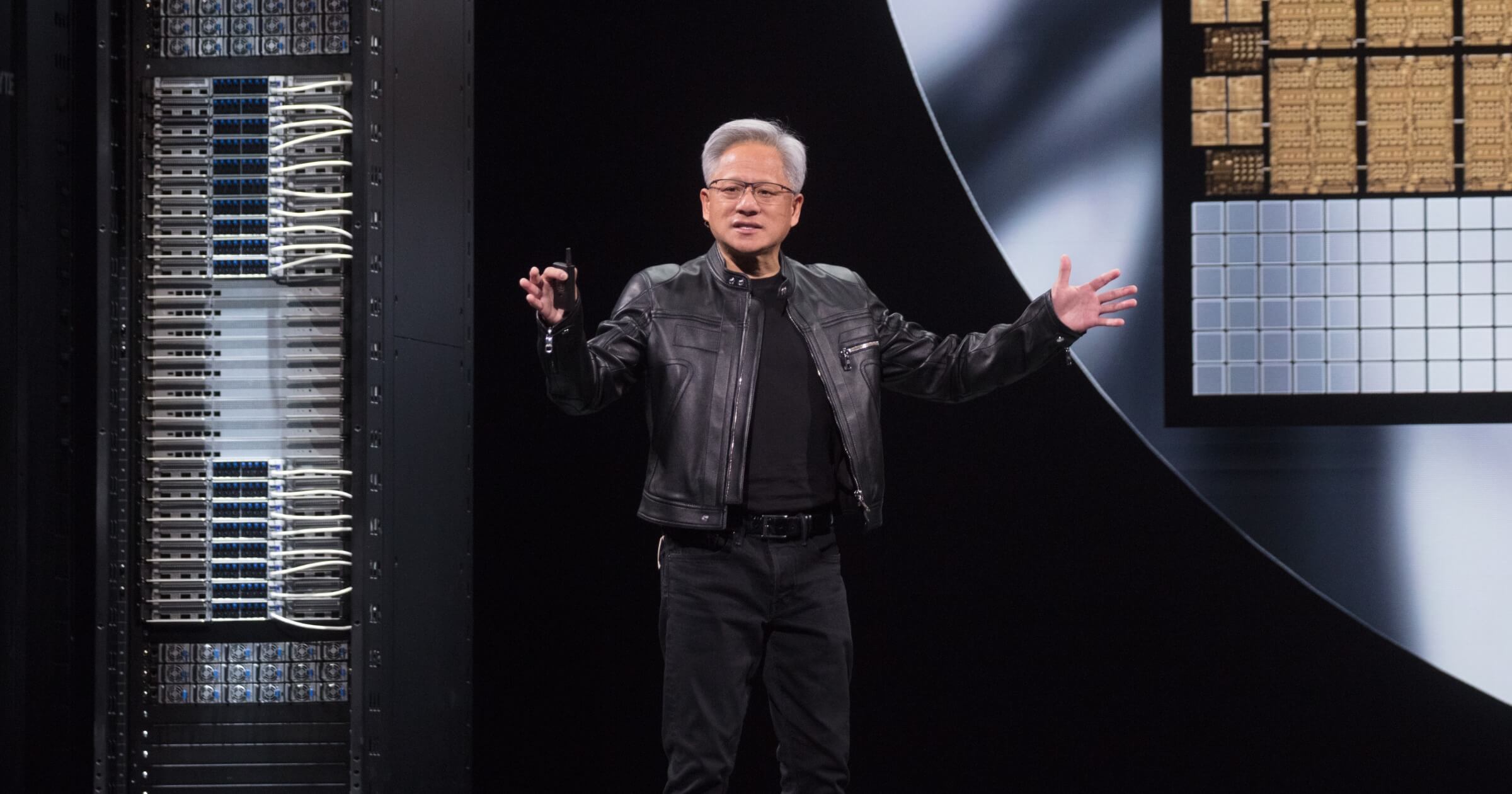
Nvidia plans to put $100 billion into OpenAI in their new partnership, a move CEO Jensen Huang describes as the “biggest AI infrastructure project in history.” The project focuses on constructing large data centers and energy systems that can meet the massive computing demands of advanced AI.
The Nvidia and OpenAI partnership marks one of the largest investments ever made in technology infrastructure. Nvidia’s stock jumped nearly 4% after the announcement, showing just how much Wall Street believes in the project’s potential.
At the center of the plan are massive data centers, each filled with advanced Nvidia GPUs. These facilities require land, construction crews, power lines, cooling systems, and fiber networks. That means general contractors, electricians, HVAC specialists, and engineers could see billions in new contracts. “AI is now infrastructure, and this infrastructure, just like the internet, just like electricity, needs factories,” Huang explained.
He described these AI factories as data centers designed for a singular purpose: to process, refine, and serve AI. Building and powering these facilities will demand not only construction but also new energy and utility projects to handle their enormous electricity needs.
Opportunities for builders
For the construction industry, this project presents an opportunity to be part of a technology revolution from the outset. Labor shortages are already a challenge in construction, and AI projects will make the squeeze even tighter. Building one of Nvidia’s planned data centers is a massive undertaking; crews are needed for foundations and steel framing, electricians to install high-voltage lines, and mechanical teams to set up industrial-scale cooling. Because of the size and complexity, these projects can take years to finish and keep hundreds of workers on site. For smaller contractors, partnerships with larger firms could open the door to projects worth millions.
A ripple effect
Regions that land one of these projects can expect ripple effects. New data centers mean steady construction jobs, upgrades to power and utility lines, and even growth in nearby housing and retail to support workers. Firms already used to handling power plants or industrial facilities will have an edge when it comes to winning bids.
“We’re literally going to connect intelligence to every application, to every use case, to every device; and we’re just at the beginning,” Huang said.
The scale of the buildout required will drive massive demand for contractors, builders, and skilled trades. For the construction industry, this is a rare chance to ride the wave of a tech investment that will shape both digital and physical landscapes for decades to come.
Stay ahead of industry-shaping projects like this. Subscribe to our newsletter for insights straight to your inbox.