

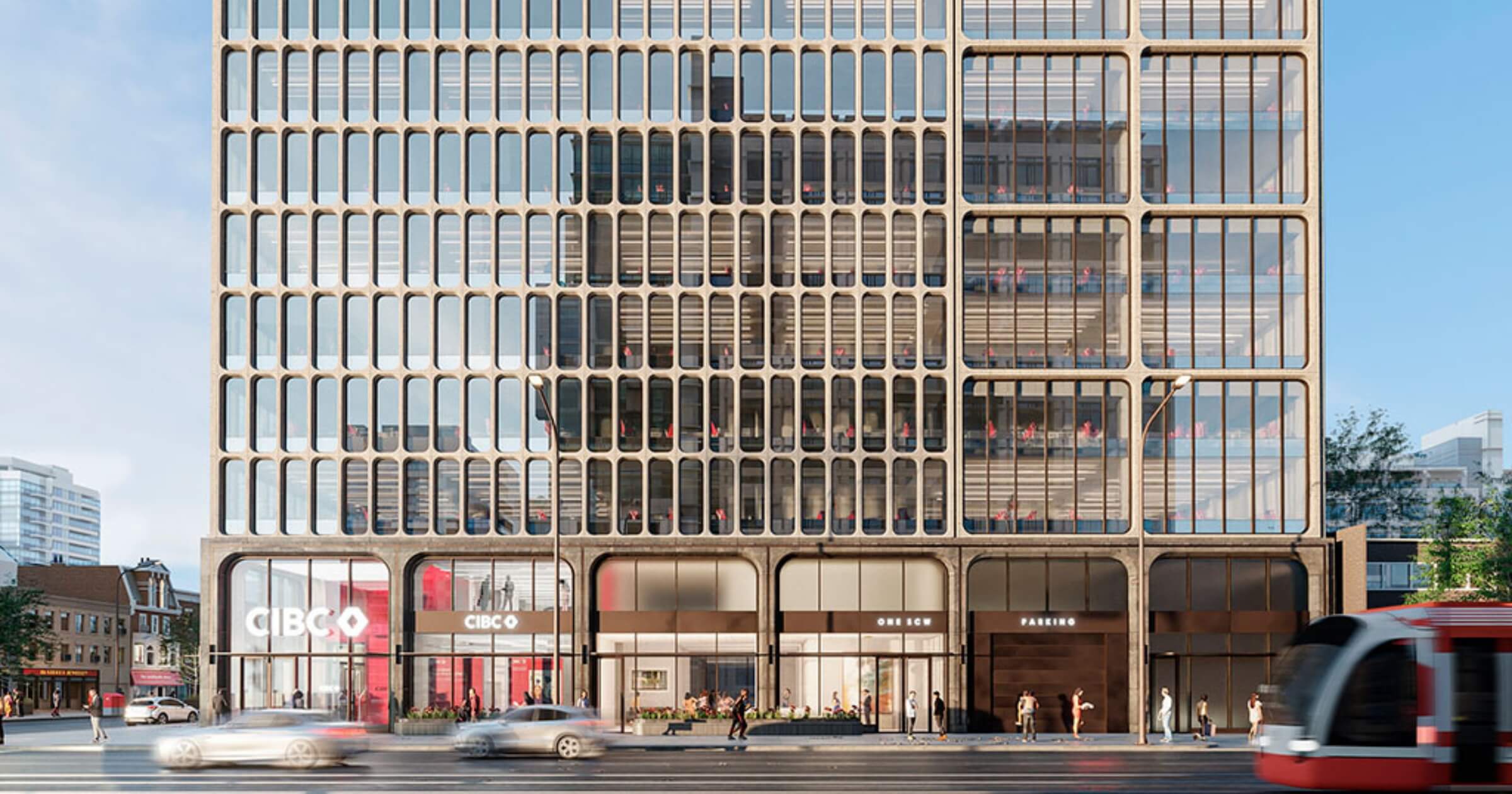
Cities across the United States and Canada are racing to turn underused office towers into badly needed homes. Surging office vacancies, tight housing markets, and downtowns that are still recovering from the pandemic have all pushed office-to-residential conversions into the spotlight. Developers, planners, and policymakers see an opportunity to solve two major problems at once: too much empty commercial space and too little housing in walkable city cores.
By 2026, conversions have moved from a niche trend to a mainstream strategy. Momentum has accelerated across North America, with vacancies remaining stubbornly high and demand for urban living rising. Calgary stands out as one of the leaders, with a long list of underway and proposed projects supported by incentive programs and a clear municipal focus on filling vacant space with residents.
“Nearly five years ago, city council set an ambitious goal to repurpose six million square feet of empty office space and transform it into homes, hotels, classrooms, and community spaces,” said Calgary mayor Jeromy Farkas. “And today, I’m excited to share that we are nearly halfway there.”
The appeal is understandable. Conversions can deliver new housing faster than ground-up construction and often cost less because the building footprint is already there. They also help cities restore energy to their downtowns by adding residents who support restaurants, transit, and local services. For workers in construction and development, these projects create a steady stream of renovation and adaptive reuse jobs that draw on a wide range of trades.
Still, converting an office tower into livable homes is not a simple design tweak. Many office buildings were never intended to accommodate bedrooms, kitchens, plumbing stacks, or natural-light requirements. Some towers have deep floor plates that limit daylight, others need major upgrades to mechanical systems. In fact, only about 25% of existing office buildings are real candidates for conversion, primarily due to these layout challenges. “If you go through all those variables with space layout, the building itself, and the anticipated cost, it might be easier to demolish it and start from scratch,” said Raymond Wong of Altus.
Financing can also be a hurdle. Even though conversions can be more cost-effective than new construction, lenders may hesitate if the building requires heavy structural changes. This is why municipal incentive programs have become an important catalyst. Calgary’s Downtown Development Incentive Program and similar initiatives in U.S. cities help bridge financial gaps and encourage developers to take on projects that revitalize entire neighbourhoods.
Despite the challenges, the pace is picking up fast. North American cities are approving more conversion projects than ever before. In the U.S. alone, data shows the office-to-apartment pipeline jumping from about 23,000 units in 2022 to nearly 71,000 units in 2025, a record high. The combination of commercial vacancies and housing pressure is unlikely to ease soon, which means adaptive reuse will continue to be a powerful tool for city building. For many downtowns, welcoming new residents is the key to restoring vibrancy, boosting safety, and supporting local businesses year-round.
Office-to-residential conversions aren’t a silver bullet, but they are proving to be one of the most practical solutions in a tough market. They give developers a path forward with underused assets, they give cities new life, and they give residents more options in neighbourhoods that were once reserved for office workers alone.
Subscribe to our newsletter for weekly updates on construction trends and industry insights.

