For those looking to buy or sell, keeping an eye on the residential housing market is a top priority, especially given the market’s heightened volatility under the new administration. In this article, we’ll reveal the top 10 U.S. housing market trends to watch in 2026, including a lower average mortgage rate, more quiet spaces, sustainability features, and even AI-facilitated buying procedures.
Trend #1: Mortgage rates expected to drop
Home buyers can expect some great news in 2026: Mortgage rates may drop and hold steady around 6%. While the federal government doesn’t directly set mortgage rates, its decisions do help shape them. After cuts in 2024 and 2025, officials aren’t expecting them to go much further, nor are they expected to rise.
According to projections from the Federal Reserve, policymakers anticipate only one cut in 2026, suggesting total borrowing costs will likely remain near current levels. For those looking to sell and rebuy, or buy for the first time, there’s a reason to look forward to the process in the next year.
Trend #2: More sports and recreation

Many homeowners are looking to add more athletic facilities and features to their homes. For those in a townhouse or condo, it likely means community amenities like tennis and pickleball, yoga studios, and even pilates. For those with a bit of extra space, golf simulators, batting cages, home gyms, and calisthenic spaces are becoming a must-have.
Cost-of-living pressures drive this move toward personalized play, as many are looking to invest in long-term home activities rather than visiting overpriced businesses for a quick game.
Trend #3: The new construction market will weaken
The new year is expected to be the slowest for single-family home construction since before the COVID-19 pandemic. Last year was already a weak spot in the market, with a large crop of new homes, additional homes under construction, and few buyers, which means a slower 2026. Builders are already anticipating having to hold back on new projects, and many buyers are looking to go the pre-existing route to save money without sacrificing quality.
As of now, new single-family construction is trending 5% below last year’s rate, and a further 2% drop is expected in early 2026. The new year will bring expected builders leaning heavily on incentives like rate buydowns to keep homes moving, especially in areas where affordability is already a challenge.
Trend #4: “Kidfluence” will drive rent demand
Home buyers in 2026 can expect their kids to drive new U.S. housing market trends. Lifestyle renting and cost-of-living difficulties are changing who stays renting and what they look for in a home. According to the Zillow Consumer Housing Trends Report, 37% of current renters have at least one child at home, up from 33% last year.
This generation’s kids are influencing much of their parents’ buying, which means condo buildings are more likely to include family-friendly amenities like “homework pods,” “imagination centers,” and sports facilities with kid-specific booking times. The cost-of-living crisis shows no signs of slowing, so we can expect to see more kid-centric builds beyond just 2026.
Trend #5: Apartment renters will catch a break
Rent affordability is expected to improve in most of the US in 2026, with 37 of the 50 largest markets seeing more income growth than rent increases. A median-income household typically spends 27.2% of its earnings on rent as of this fall, which is the lowest since August 2021. According to Zillow, multifamily rent is expected to increase by only 0.3% next year, giving wages an additional chance to catch up.
There’s expected to be a 2.3% increase in rents in 2026, and most first-time home buyers continue to delay their purchases and stick to the flexible route. The only exception is New York City, as many economists anticipate more rent growth, straying from the expected national trend.
Trend #6: A need for quiet spaces

Also referred to as “reading nooks,” the quiet space is a tucked-away area dedicated to reading or other quiet activities. According to real estate reports, they’re becoming increasingly popular, especially as many buyers crave opportunities to unplug and recharge.
According to Zillow, reading nooks are showing up in 48% more listings. Buyers are increasingly looking to convert the undersides of staircases, hollow out areas near windows in larger rooms, or build nooks off the primary bedroom. These highly intimate spaces can also serve as a place to nap, scroll, or work. Many millennial and Gen Z buyers feel they evoke memories of childhood forts from generations ago and want to return to that simplicity.
Trend #7: AI will facilitate more home-buying transactions
In 2026, AI will grow beyond a chatbot or simple virtual assistant and begin coordinating the first steps in the renting, buying, and selling process.
Real estate agents are employing AI agents to assist in tasks throughout the entire buying pipeline. This includes matching potential buyers to agents, scheduling tours, answering inspection questions, negotiating, and preparing for the close. This approach will simplify decision-making, smooth out routine tasks, and make every transaction feel more predictable and less like pressure.
Trend #8: The “easy living” lifestyle
Historically, new home buyers sought lavish features, furnishings, and designs, opting for luxury over practicality. Moving into 2026, however, buyers are looking for a simpler, more low-key lifestyle with clean designs and fewer chores.
The easy living trend aligns with buyers seeking more relaxation and quiet spaces. The bottom line is, buyers are moving away from luxury fads and are seeking more functional design choices that maintain their beauty without all the additional maintenance.
Trend #9: Sustainability features will become the norm
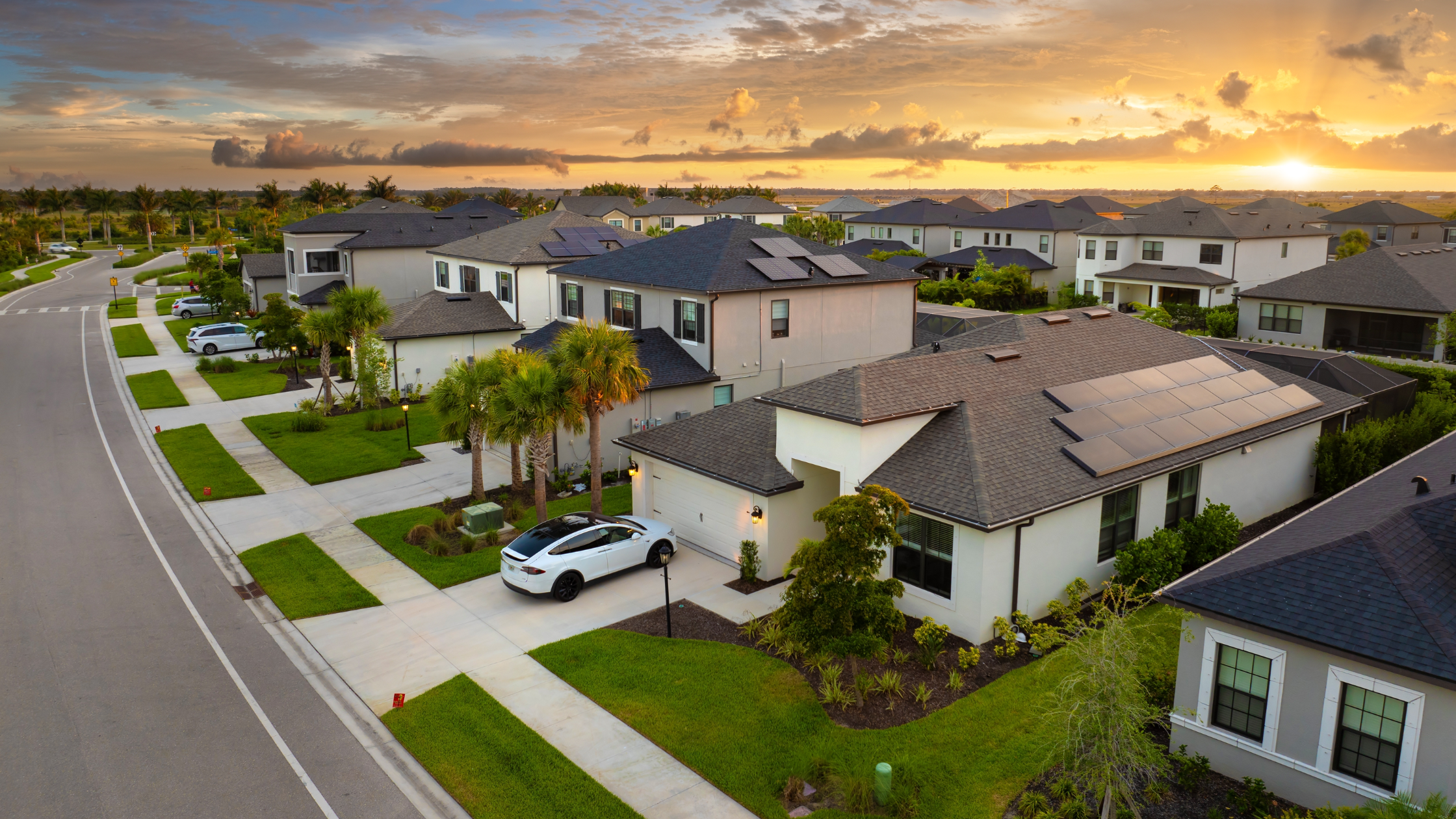
While home maintenance is on the way out, sustainable living is on the way up. Household expenses are on the rise, and the eco-friendly features home buyers are adding to their must-have lists are shifting. Zero-energy-ready homes, EV charging ports, and whole-home battery systems are increasingly requested in Zillow listings.
Many are predicting that families will move toward sustainable and grocery-friendly builds, including garage cold zones, walk-in pantries, refrigerated drawers, and smart bulk-item organization. The more a home can help families shop smart and keep food fresh, the better.
Trend #10: More disaster preparedness
Severe weather and disaster preparedness have been a concern for many regions, particularly in recent years due to the climate crisis. With hurricanes, wildfires, and earthquakes happening more frequently, people are looking for storm-proof buildings. Wildfire and flood-resistant homes are becoming more common, and many Wildfire Preparedness Communities are in the planning stages across the US.
Zillow anticipates an increase in “flood protection” in future listings and details around fire protection, including safety precautions such as defensible landscaping. Home battery systems, also highlighted in the sustainability trend, are increasingly mentioned in listings as a way to build disaster resilience.
Final thoughts
Buying a home, especially for the first time, is always a tricky process. But buyers in 2026 are likely to enjoy lower mortgage rates, better disaster resilience, and more sustainable builds. The slow-paced, self-care lifestyle of today is also influencing U.S. residential housing trends, with a rise in quiet spaces, sports areas, and easy-living, low-maintenance designs.
While no home has absolutely everything on a person’s must-have list, sustainability, lower rent, and streamlined purchasing processes are perks that everyone can get behind.
If you enjoyed this article on U.S. residential housing trends, you may also enjoy:
- 8 design trends home buyers will love in 2025
- 10 global construction waste trends to watch in 2025
- 10 sustainable construction technology trends to watch (2025-2027)
- 12 kitchen trends heating up design in 2025
- 10 sustainable infrastructure trends to watch out for (2025-2027)
Like this and want more design content? Subscribe to our newsletter and follow us on LinkedIn to stay up to date with AEC trends in 2026.