
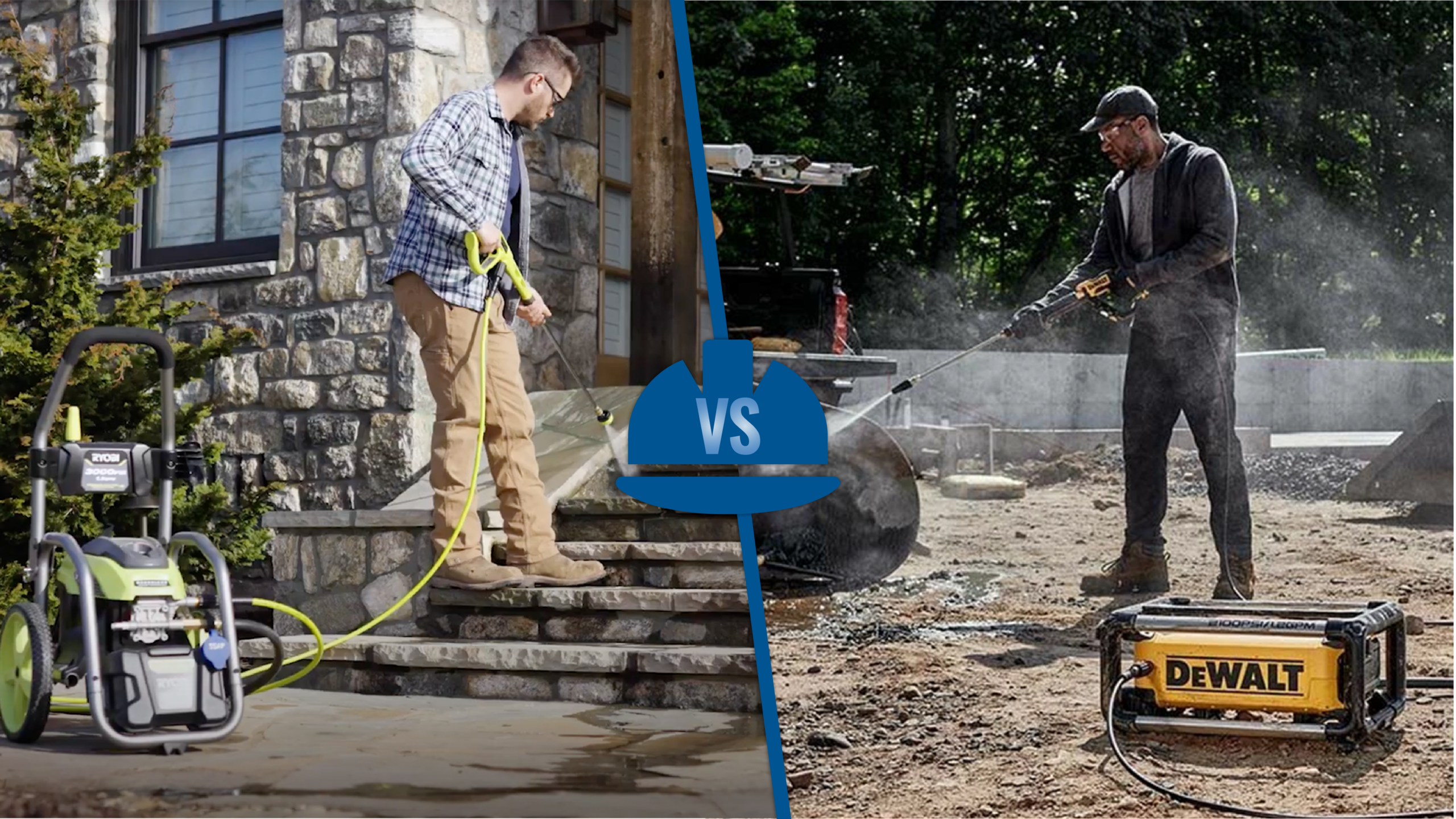
Ryobi and DeWalt both have strong reputations in the tool world, and their pressure washers reflect that. Ryobi is often the go-to choice for affordable, easy-to-use machines that suit everyday cleaning needs. DeWalt, on the other hand, tends to build tougher equipment that can handle frequent or heavier jobs. This article compares the top-rated models from each brand, examining how they stack up in terms of power, design, and value for the money.
Overview of Ryobi and DeWalt pressure washers
Ryobi pressure washer in a nutshell
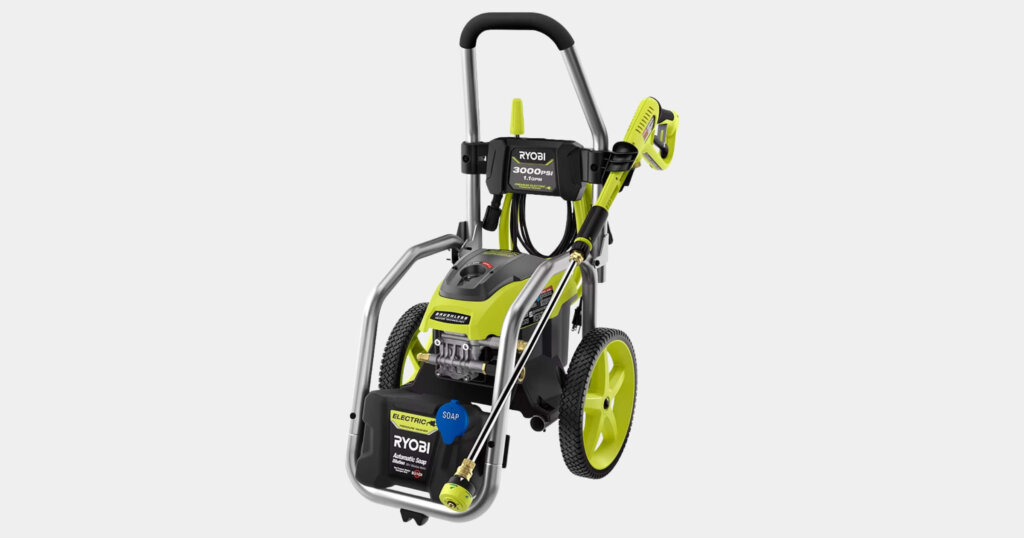
For Ryobi, a standout model is the Ryobi RY143011 3000 PSI, 1.1 GPM electric cold water pressure washer. That unit is one of the better-rated Ryobi models in recent user reviews. It’s corded electric, avoiding gasoline fuel hassles, though the flow rate is moderate. Users love its easier setup, lighter weight compared to gas washers, and how it handles typical home tasks, like cleaning siding, patios, and driveways. It also comes with accessories, such as a 35-ft hose and multiple nozzles. One downside noted in reviews is that it doesn’t always compare to gas models when very high blast power is required.
DeWalt pressure washer in a nutshell
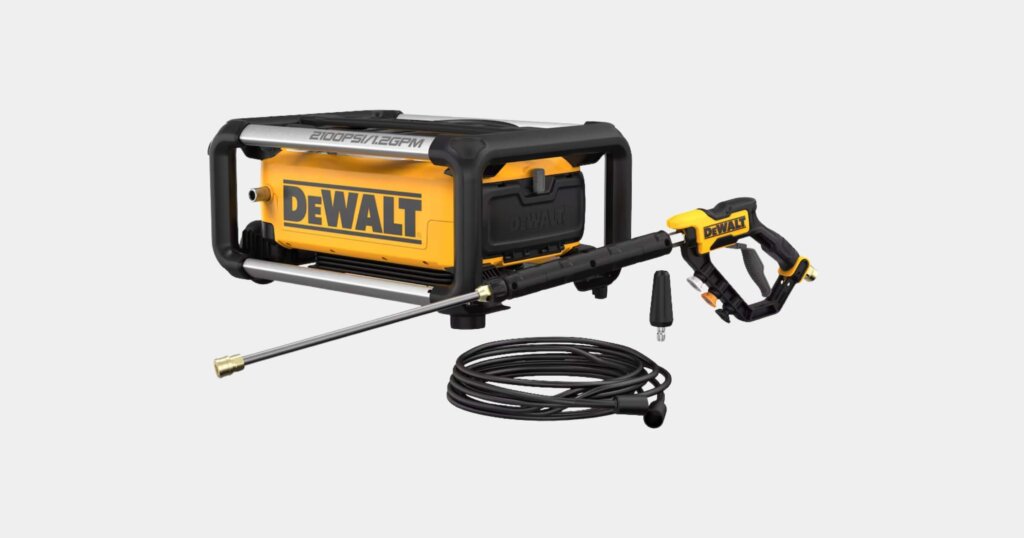
For DeWalt, the DeWalt 2100 PSI electric jobsite cold water pressure washer is one of their higher-rated models. It’s another electric model that’s designed for portability plus solid performance. With approximately 2,100 PSI and 1.2 GPM, it won’t compete with large gas machines, but it has sufficient strength for most household cleaning jobs. Reviewers highlight its solid motor, easy handling, and a hose that’s long enough for typical yard and driveway use. The built-in wheels make it easy to move around, and many users view it as a step up from entry-level models, offering the convenience of commercial-grade washers without the bulk and upkeep.
Ryobi vs DeWalt: Pressure washer specifications comparison
Here’s a side-by-side spec table for Ryobi RY143011 versus DeWalt 2100 PSI Electric Jobsite.
| Specification | Ryobi RY143011 | DeWalt 2100 PSI Electric Jobsite |
| Peak Pressure (PSI) | 3000 PSI | 2100 PSI |
| Flow Rate (GPM) | 1.1 GPM | 1.2 GPM |
| Motor Type | Electric (corded) | Electric (corded) |
| Hose & Cord Length | 35 ft hose, various nozzles included | 35 ft cord, 25 ft hose, multiple nozzles |
| Weight & Portability | Lighter than typical gas models; easier to move around | A bit bulkier but with wheels; handle for easier transport |
| Best Match Use-Case | Cleaning patios, siding, and driveways at home | Home car detailing, light siding, patios |
Performance and power: Which pressure washer packs more punch?
- Ryobi RY143011: Reviews on Home Depot say it handles medium-duty jobs well, such as removing dirt, cleaning siding, and washing vehicles. Some note that under continuous heavy use (like very large driveways or thick paint), it struggles compared to gas washers. Another Ryobi model (1.8 GPM Automotive High Flow) is favored by car enthusiasts for its higher water volume, making foam washing easier and a more thorough clean.
- DeWalt 2100 PSI Electric Jobsite: The review in The Drive praised this machine for “doing its job well” for months, particularly for cars, grills, and other applications. It’s quieter than gas units, and the build (including wheels, handle, and cord/hose length) makes it easier to use. Some users, however, noted that concrete stains or deeply embedded grime require more pressure or a higher flow rate than this model offers.
Real-world tasks
If you’re washing patios, siding, and automobiles and want easy handling, Ryobi offers more pressure, which may allow you to finish some tasks faster. However, DeWalt wins in comfort features (wheels, handle), noise, and overall build when you’ll be moving the unit frequently. For large jobs (such as blasting old paint or thick concrete grime), neither electric washer will match the power of heavy-duty gas washers, but which of Ryobi vs. DeWalt wins depends on the specific tasks that dominate.
Ease of use & ergonomics: Which pressure washer is more beginner-friendly?
Here are features that matter day to day:
- Handling and balance: Ryobi’s lighter build and simpler frame make it easier to lift into a car or move around tight spots. Some reviewers mention it feels more nimble when dragging hoses and cords around. DeWalt’s 2100 model is heavier, but the wheels and good handle help mitigate the weight somewhat.
- Grip and controls: Both include standard gun/nozzle setups, as well as quick-connect tips. Ryobi’s wand and triggers get praise for being less stiff and easier to control. DeWalt’s trigger feels solid, perhaps even firmer, but it is built sturdily.
- Vibration and noise: Electric models have an advantage: both Ryobi and DeWalt electric units are much quieter than gas washers. Users report that Ryobi is significantly quieter than older gas models. DeWalt electric is also quiet, although some users note that motor vibration, particularly with long nozzles or awkward hose positions, is more noticeable.
- One-handed/overhead use: Neither is ultra-light, but Ryobi’s lower weight makes overhead work or small-spot (like washing the car roof or gutters) less tiring. DeWalt tends to require more effort due to the weight and bulk of the hose.
Verdict on ergonomics
If you’re going to move the washer around, do a lot of lighter tasks, or want comfort, Ryobi has a slight edge. If you rarely move the unit but need durability, DeWalt holds up better under tougher conditions.
Ryobi vs DeWalt: Which pressure washer gives more bang for your buck?
- Ryobi tends to be cheaper for similar power. With that, some compromises exist (flow rate, durability under heavy load). However, for homeowners who do moderate cleaning, Ryobi offers excellent value.
- DeWalt costs more for build quality and user comfort, so you pay a premium for features, durability, and other benefits. If your cleaning tasks are frequent or more demanding, the extra expense seems justifiable.
According to reviews, many users say the DeWalt 2100 PSI model is “worth the money” for regular home use, where comfort and build quality matter. Meanwhile, Ryobi appeals more to those who want more pressure per dollar and can accept smaller trade-offs.
Features & accessories worth noting
Here are extras that make a difference:
- Ryobi’s models often include long hoses, onboard soap tanks, and multiple quick-connect nozzles. The High Flow model has specialized automotive nozzles and a foamer.
- DeWalt’s 2100 model features a telescoping handle, solid hose storage, decent accessories (including nozzles), and a good warranty. Reviewers note its portability features help.
DeWalt vs Ryobi: Pressure washer pros and cons summary
Ryobi
Pros:
- Higher PSI in its class
- More value per dollar for moderate power
- Good hose length, tools/accessories included
- Easier to maneuver for many users
Cons:
- Lower flow rate limits performance on really large or deeply stained surfaces
- Electric cord or power outlet limitations vs. gas units
- Might struggle under continuous heavy use
DeWalt
Pros:
- Solid build quality and user comfort
- Better ergonomics for frequent use and moving the machine
- Suitable for many home tasks—cars, light siding, patios
Cons:
- Less pressure than higher PSI gas units for tough grime
- Heavier and bulkier than lighter electric models
- Slightly higher cost for features
Which pressure washer should you buy?
Overall, Ryobi is the stronger option for typical household tasks such as washing cars, patios, siding, or decks, offering higher pressure and good value for the price. DeWalt, on the other hand, stands out for its durability, ease of transport, and long-term reliability, making it a better fit for frequent use despite the higher cost. Both brands fill distinct roles: Ryobi delivers more pressure per dollar, while DeWalt emphasizes comfort, sturdiness, and consistent performance.
Don’t forget to see our other tool comparison articles on Under the Hard Hat, such as Makita vs Bosch compact drill, Carhartt vs. Caterpillar workwear, and Makita vs. Milwaukee belt sanders.
If you found this helpful, consider subscribing to our newsletter to get more hands-on reviews and tool breakdowns.