
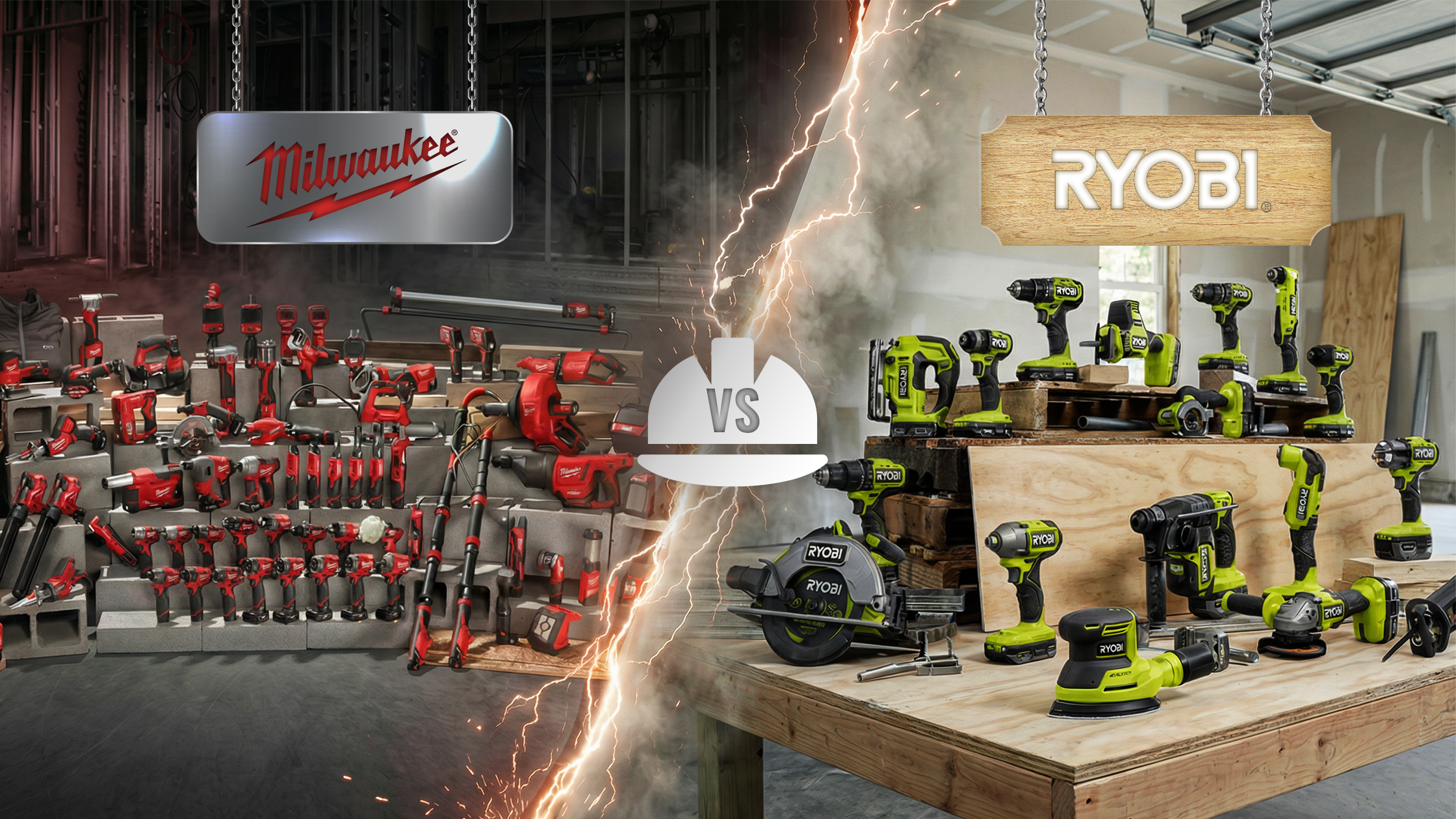
When it comes to buying power tools, two names commonly come up: Ryobi vs Milwaukee. Both brands offer a wide range of cordless drills, saws, and other jobsite essentials, but they serve very different users. This guide is for anyone who has ever wondered whether to pick up Ryobi or Milwaukee for their next project. We will compare both manufacturers on performance, ergonomics, warranty, and price to help you decide which is the better value for your needs.
Overview of Ryobi and Milwaukee
Ryobi power tools in a nutshell
Ryobi is best known for producing affordable and reliable tools that cater to the needs of everyday homeowners and DIY enthusiasts. The brand has built its reputation on offering a wide range of tools at prices often lower than competitors’, such as Craftsman or DeWalt. This makes Ryobi power tools a good choice for people who want dependable gear without spending a premium.
One of Ryobi’s biggest strengths is its 18V ONE+ battery system, which powers more than 300 cordless tools across categories, including drills, saws, yard equipment, and even home accessories. This “one ecosystem” approach means a user can invest in one battery and charger, then expand their lineup over time without having to buy into new platforms. Many DIYers on tool forums note that the system is handy for occasional use, as a single battery can power every tool in the garage.
If you are curious whether Ryobi tools are worth the money, you can see detailed comparisons in this guide. For those looking for affordable entry points, options like the best battery-powered tools from Ryobi or the top 10 Ryobi tools under $100 highlight the value Ryobi offers.
Milwaukee power tools in a nutshell
Milwaukee is renowned for crafting premium power tools that deliver professional-grade durability and performance. Unlike Ryobi, which mainly targets the DIY and homeowner market, Milwaukee focuses on contractors and professionals who need tools that can handle heavy use day after day. Many users compare Milwaukee vs Ryobi by noting that Milwaukee tools are often the better choice when jobs demand more torque, longer runtime, and tougher materials.
One of Milwaukee’s biggest strengths is its advanced battery system, with the M18 and M12 lines leading the way. These platforms include hundreds of cordless tools, including drills and impact drivers, saws, and ratchets. The brand also integrates smart features, such as Redlink Plus Intelligence, to protect the motor and extend the life of the tool and battery. This makes Milwaukee a long-term investment for pros who want reliability and efficiency on the job.
While Milwaukee can be more pricey than Ryobi, many pros argue that the higher cost pays off in fewer repairs and longer tool life. If you want to see where the manufacturer shines, check out Milwaukee’s best budget tools under $100, the 7 Milwaukee tools that are worth the splurge, or the top 10 Milwaukee tools every DIY enthusiast needs.
Tool offerings comparison: How do Ryobi and Milwaukee compare?
When you line up Milwaukee and Ryobi, the first big difference is their focus. Ryobi offers a wide range of budget-friendly tools that appeal to homeowners, hobbyists, and DIY users. Their cordless lineup is one of the largest in the industry, covering everything from drills and saws to yard gear, inflators, fans, lights, and other lifestyle accessories. This makes Ryobi a versatile pick for anyone looking to build out a single battery system that powers every tool in the shed.
Milwaukee, on the other hand, is designed for professionals. Their tool lineup focuses on trades and jobsite performance, featuring heavy-duty drills, saws, impact wrenches, and ratchets that can handle tough applications. Contractors often note that while Milwaukee tools can be more pricey, they deliver better specs, higher torque, and longer-lasting lithium batteries that hold up under heavy use.
In short, Ryobi offers a wide selection of tools at lower prices, making it a great choice for DIY projects or homeowner repairs. Milwaukee gives you premium gear with advanced motors and features, making it the smarter buy for pros and contractors who need tools that can withstand the demands of the jobsite.
Top selling Ryobi products
Ryobi ONE+ 18V Drill/Driver Kit (PCL206K1)
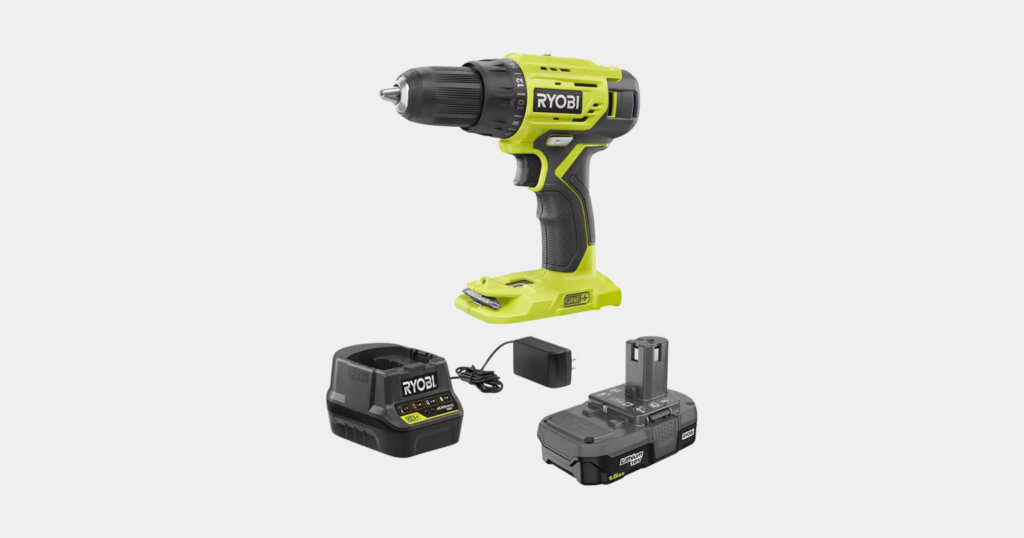
This drill/driver kit comes with a motor, 1/2″ keyless chuck, battery, and charger. It supports the ONE+ ecosystem so that you can use the same battery across many Ryobi power tools. This drill delivers solid power for everyday DIY projects and keeps you connected to Ryobi’s growing ONE+ ecosystem.
Ryobi ONE+ 18V Cordless Impact Driver (P235A)
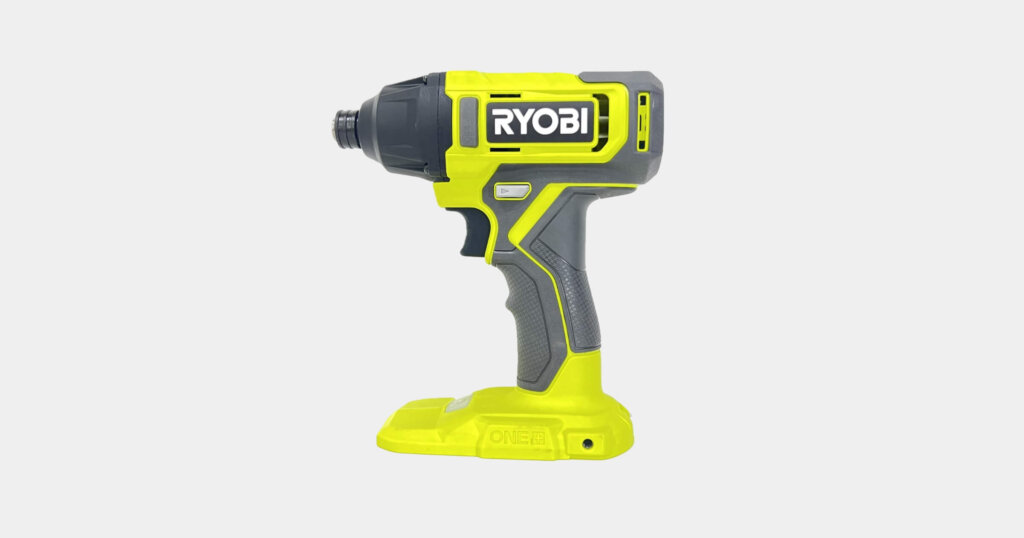
The Ryobi P235A Impact Driver is a budget-friendly option that delivers solid torque for driving screws and bolts. It’s especially popular with DIYers who want more power than a standard drill can provide without paying a premium. The tool is compatible with the full ONE+ lineup, so one battery can keep multiple tools running.
Ryobi ONE+ HP 18V Brushless 4-1/2″ Angle Grinder (PBLAG02B)

The RYOBI ONE+ HP 18V Brushless 4-1/2″ Angle Grinder packs up to 9,200 RPM and delivers up to 30% faster cutting vs Ryobi’s older models. It also works with the entire ONE+ battery system, so the same battery powers every tool in your lineup.
Top-selling Milwaukee products
Milwaukee M18 Fuel 1/2” Hammer Drill/Driver Kit (2804-22)
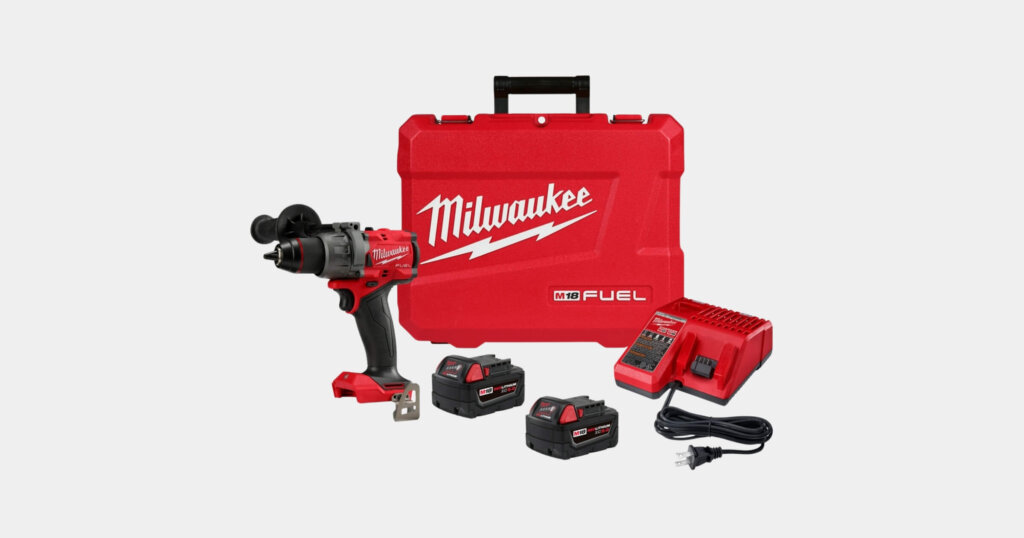
The Milwaukee M18 Fuel Hammer Drill/Driver Kit is one of the brand’s top sellers, known for its power, durability, and compact size. With up to 1,200 in-lbs of torque, this drill can handle wood, metal, and masonry with ease. It comes with two M18 REDLITHIUM batteries, a charger, and a carrying case, making it a strong starter option for contractors or serious DIYers.
Milwaukee M18 Fuel 1/4” Hex Impact Driver (2853-20)
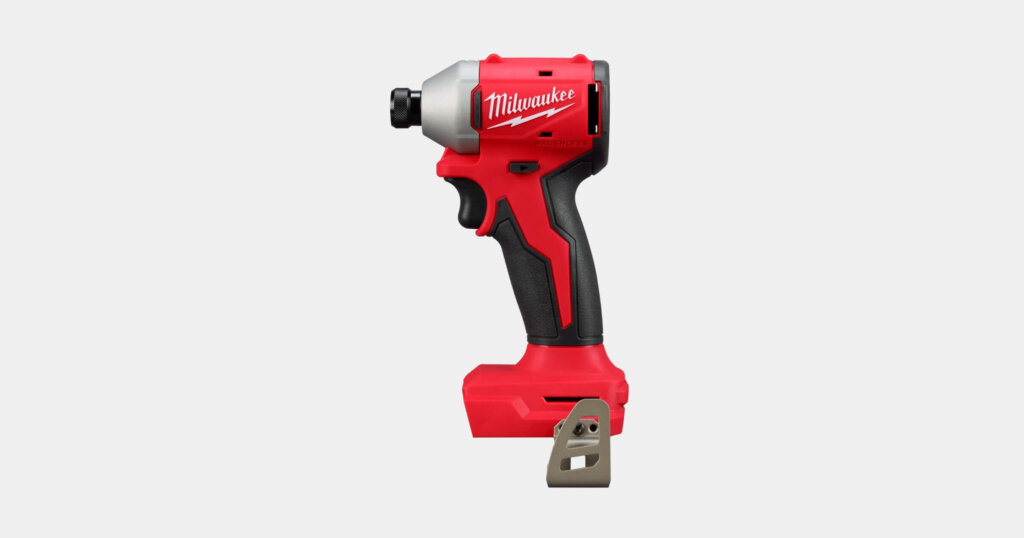
Compact but incredibly strong, the Milwaukee 2853-20 Impact Driver delivers up to 2,000 in-lbs of torque in a lightweight frame. It’s built with Milwaukee’s Redlink Plus Intelligence system, which protects the motor and battery during extended use. Many pros choose this model because it balances raw power with a small, ergonomic design that works well in tight spaces.
Milwaukee M18 Fuel Sawzall Reciprocating Saw (2720-20)

The Milwaukee M18 Fuel Sawzall is a contractor favorite for demolition and jobsite cutting. Its brushless motor delivers faster cutting and longer runtime compared to older brushed models. It’s designed to stand up to tough applications, from cutting pipes to tearing through wood with nails. This saw is one of the best examples of why many pros choose Milwaukee over cheaper manufacturers.
Performance: Which brand generally packs more power?
When comparing Ryobi and Milwaukee, performance is one of the biggest differences. Milwaukee tools are generally stronger in torque, speed, and battery runtime. The M18 and M12 Fuel lines use advanced brushless motors and REDLITHIUM battery systems, which deliver longer runtime and more cuts or drives per charge. Reviewers on tool forums and retailer sites often note that Milwaukee drills and impact drivers feel faster and more powerful in real-world applications.
Ryobi tools, on the other hand, provide more than enough power for most DIY and homeowner projects. Their 18V ONE+ lineup is designed for light- to medium-duty use, and while not as strong as Milwaukee, many users say it’s perfectly capable for tasks like furniture assembly, fence repair, or small home builds. Ryobi may fall short on torque for heavy materials, but it still performs well for its price category.
In practice, this means Milwaukee is the better fit for contractors and professionals who require tools that can withstand heavy daily use. At the same time, Ryobi is a smarter and more value-driven choice for homeowners who only need tools occasionally for projects. If you are using Milwaukee, you are paying for jobsite-ready reliability. If you are using Ryobi, you are saving money while still getting solid performance for everyday needs.
Ease of use & ergonomics: Which brand is more beginner-friendly?
When it comes to handling, Ryobi tools are built for the casual DIY user. They are generally lighter, have more straightforward controls, and produce less vibration. Many homeowners on tool forums say their drills and saws feel easier to manage overhead or one-handed, which makes them a good pick for projects like hanging shelves or quick repairs around the house.
Milwaukee tools, by comparison, are heavier and built for professional use. They often include advanced features, such as multiple speed settings and electronic controls, which give professionals more precision. The added weight can be tiring for a beginner, but for contractors working long hours, the balance and rugged build provide the stability needed for demanding applications.
Verdict: If you are a new user or casual DIYer, Ryobi may feel more comfortable and beginner-friendly. If you are a contractor or enthusiast who needs to handle long projects with heavy use, Milwaukee excels in ergonomics and delivers the durability you’ll need on the jobsite.
Price and value: Which brand gives more bang for your buck?
Cost is often the deciding factor when investing in tools. Ryobi power tools are among the most affordable on the market, making them an excellent choice for homeowners, hobbyists, and anyone who needs tools for occasional projects. A Ryobi drill kit, for example, can be found on sale for under $100, and the same Ryobi battery and charger can power every tool in the ONE+ system. This makes it easy for a DIYer to build a complete workshop on a budget.
Milwaukee tools, on the other hand, are pricier but deliver long-term value for pros and contractors. While a Milwaukee hammer drill or impact wrench may cost significantly more than a comparable Ryobi model, users often note that they last longer, require fewer repairs, and perform better under daily use. The specs and durability make Milwaukee a wise investment if you rely on your tools for work.
Ryobi also offers better value for a budget-conscious homeowner, while Milwaukee delivers premium performance and durability that make sense for professionals.
Milwaukee vs Ryobi: Warranty
A warranty can make a big difference when deciding between Ryobi vs Milwaukee. Most Ryobi tools come with a standard 3-year limited warranty. This is solid coverage for the price, especially for a manufacturer aimed at DIYers and homeowners. It gives users peace of mind that their drill, saw, or other cordless tool is backed by a warranty if something goes wrong early on.
Milwaukee tools usually go further. While coverage varies by category, many of their core products come with a 5-year limited warranty, one of the best in the industry. That longer protection is especially valuable for pros and contractors who rely on their tools daily.
Ultimately, Ryobi offers reliable coverage that matches its budget-friendly lineup, but Milwaukee’s longer warranty adds extra value for anyone making a long-term investment in professional-grade gear.
Features & accessories: What extra features do they offer?
Ryobi stands out for its ONE+ battery system, which powers over 300 cordless tools across its lineup. This includes standard tools like drills and saws, as well as unique Home+ lifestyle tools, such as cordless fans, inflators, glue guns, and even small vacuums. For many DIYers, the wide range of tools in one ecosystem is what makes Ryobi a better value.
Milwaukee, by contrast, focuses on pro-grade extras. Their tools often feature Redlink Plus Intelligence, an electronic system that protects the motor and battery under heavy use. The brand also uses advanced brushless motors that boost performance and tool life. Beyond tools, Milwaukee’s Packout storage system has become a favorite among contractors who want modular, rugged storage that connects seamlessly with their tools and accessories.
Ryobi or Milwaukee: Which power tools should you buy?
When it comes down to Ryobi vs Milwaukee, the right choice depends on who you are and how you plan to use your tools.
Choose Ryobi if you are a DIYer or homeowner looking for affordable and reliable tools for household projects. With the 18V ONE+ battery system, Ryobi offers a wide range of cordless options that cover everything from drills and saws to fans and yard tools. It’s a great choice if you want solid performance without a premium price tag.
Choose Milwaukee if you are a contractor or pro who needs maximum durability and power for demanding applications. With stronger motors, longer-lasting batteries, and features like Redlink Plus Intelligence, Milwaukee tools are designed for heavy-duty use and to withstand jobsite demands.
Ultimately, both Ryobi and Milwaukee have their place. Ryobi delivers better value for budget-conscious buyers and casual users, while Milwaukee delivers pro-grade performance that justifies the higher cost. The key is knowing whether you need tools for occasional use or a lineup that can handle work every single day.
Want more straight-to-the-point gear reviews, pro tips, and industry news? Subscribe to our newsletter and stay up to date with the latest in tools, tech, and construction trends.