

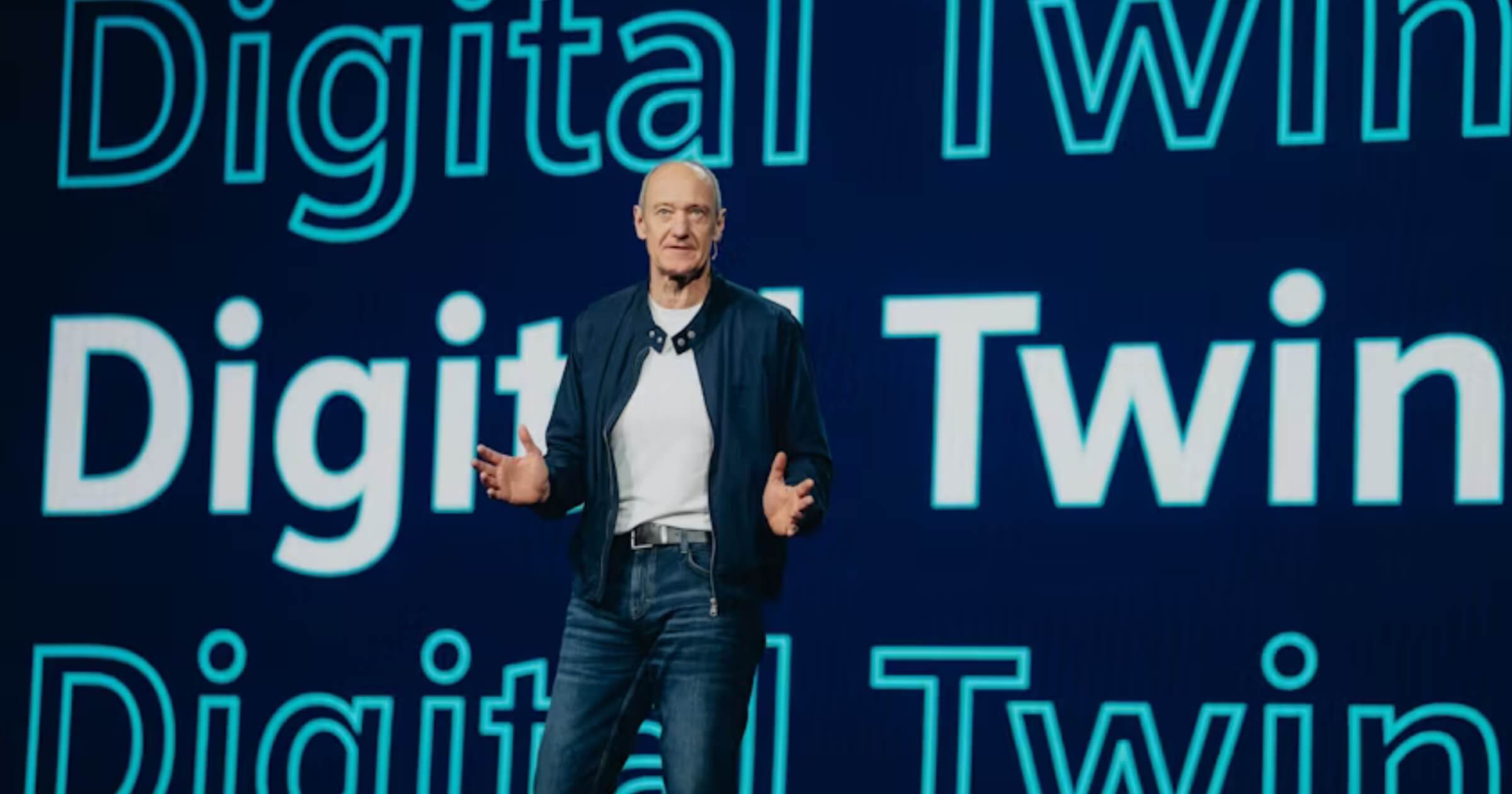
Siemens showed up at CES 2026 with a clear plan rather than just a slew of ideas. They weren’t there to wow us with a futuristic gadget—they had a particular vision for how industrial AI is meant to function on actual plant floors, under real-world conditions, and hitting real deadlines. They’re putting an end to flashy technology demos and getting down to the nitty-gritty of taking the designs from theory to reality and keeping the whole process running smoothly. Siemens wants all its complex software systems, hardware automation, and data in one place, not spread across multiple tools as it is currently. For contractors, building owners, and industrial operators, this means fewer surprises once work begins.
Quick look
- Siemens’ 2026 plan focuses on addressing disconnects between design, construction, and operations by integrating data, simulation, and automation into a single system.
- The NVIDIA partnership provides Siemens with the computing power needed to run large simulations quickly enough to matter in real projects.
- Digital twins are shifting from static design files to tools that owners and operators actually use once assets are live.
- Siemens Digital Twin Composer is already used by major manufacturers such as PepsiCo to test changes before disrupting production.
- Industrial copilots built with Microsoft aim to support engineers and operators by reducing time spent on troubleshooting, coding, and documentation.
Siemens’ 2026 strategy at a glance
Siemens is doubling down on software as the driving force behind its business. Automation hardware is still a vital part of the picture, but the real value lies in what happens before and after it’s installed. We’re talking about simulation, planning, monitoring, and all the other parts that make up long-term asset management.
One of the most striking changes at Siemens is the way they’re approaching AI technology. Rather than including it as an afterthought, they’re weaving it into the very fabric of their engineering and automation tools. Their view is that AI should be used to make everyday tasks easier—such as checking designs for errors, testing changes on the production line, or catching issues before they become big problems—rather than being a tool reserved for experts.
A few themes from the CES announcement stood out for AEC and industrial audiences:
- Siemens is putting industrial AI right at the heart of its core engineering and operations software, not off on a separate platform
- Digital twins are expected to stay active after construction or commissioning
- Software, controls, and real-world data are being tied together into a single workflow
- Partnerships are doing the heavy lifting where compute and cloud scale are required
This direction matters because most jobsite and plant issues don’t come from a lack of data—they come from disconnected data. Siemens is working to remove friction by keeping everything tied to a single source of truth.
The Siemens–NVIDIA partnership and why it matters
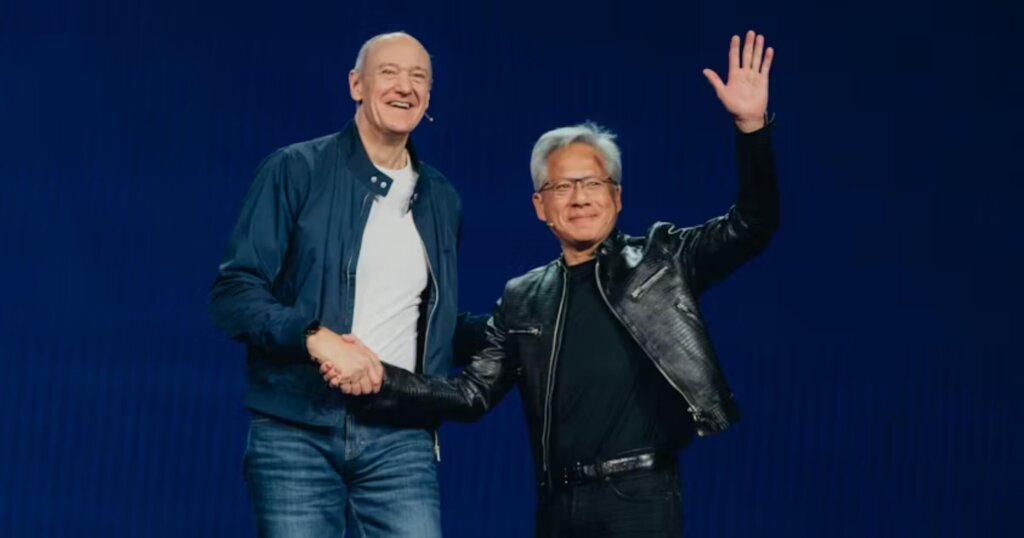
The partnership between Siemens and NVIDIA is about enabling complex simulations to run at high speed. Siemens knows how to build the most complex industrial simulations out there—the kind that really let you dig into a system and see how all the pieces work together. And NVIDIA has the computing muscle to actually keep those simulations moving at a rate that doesn’t grind the whole project to a halt.
Simulation-heavy work has long been the slowest way to get things done. You can get super precise with these massive digital models, but getting them to run quickly enough can be a real challenge. And that’s a huge roadblock for teams trying to test new ideas in the field or respond to changes as they go. By pairing Siemens’ simulation and automation software with NVIDIA’s high-octane computing and AI platforms, you can suddenly give those digital models a significant boost in usability.
Both sides are putting serious muscle behind this partnership. Siemens is hard at work optimizing their digital industry software and digital twin tools to run smoothly on NVIDIA’s AI gears. And NVIDIA is taking design cues from its own, tailoring its platforms to work seamlessly with industrial-grade physics, spatial data, and other components of large-scale simulation environments. This is about ensuring these complex models don’t bog down decision-making.
In the AEC world, the payoff on infrastructure and industrial projects is pretty clear. With these simulations running faster and more smoothly, design teams can start testing their assumptions much sooner. Owners get a crystal-clear view of the risks, enabling changes to be made much sooner and preventing teams from being stuck with a pile of materials or equipment they can’t use or get rid of.
Digital twins as the foundation of Siemens’ industrial AI push
Siemens is giving digital twins a new reputation: no longer mere project deliverables that get put on a shelf the minute a job’s handed over, but rather valuable long-term assets that keep on giving. The company wants twins to reflect what’s actually happening in a facility or system, not just what was drawn during design.
A major part of that shift is Siemens Digital Twin Composer. Instead of static models, this software integrates geometry, operational data, and simulation in a single environment that remains active while the equipment runs. At PepsiCo, teams use it to test out production changes without any impact on what’s actually going on on the factory floor, which means much less downtime and fewer trial-and-error mistakes when it’s time to upgrade
What sets Digital Twin Composer apart is its focus on actual day-to-day use. Operations teams can see how their design decisions affect output. Maintenance teams can spot stress points before things start breaking, and thus failures happen much less often. Those industries with complex facilities—food processing, manufacturing, energy, and logistics—are likely to benefit first, but the same logic applies to large buildings and infrastructure projects as well.
For AEC professionals, this is a big change—or at least a shift in what owners now expect. Digital twins are no longer some design-phase necessity to be ticked off the list. Now they’re becoming tools that owners expect to use effectively for years after a project is complete.
Industrial copilots and the partnership with Microsoft
Siemens is also pushing deeper into AI-assisted work through its Industrial Copilot lineup, built with Microsoft. These copilots are designed to integrate seamlessly with Siemens tools engineers and operators already use daily, helping with the more mundane yet critical tasks they handle.
At CES, Siemens gave us a glimpse into how these copilots can be used, and it was eye-opening. For example, some copilots can help automate code, troubleshoot equipment, and configure systems. No longer do you have to trawl through endless documentation or start from scratch and try to rewrite standard procedures. With the copilot, you’ll get all the support you need right inside the software you’re already using.
That’s what makes all the difference in industries that are struggling with a shortage of skilled labour and an aging workforce. Experienced staff have a wealth of knowledge that’s been accumulated over years, and the copilots can help spread that know-how across teams without replacing the human touch. In the field, that means fewer delays, faster troubleshooting, and less reliance on the few experts already stretched to the limit.
Final thoughts
Siemens’ 2026 strategy is a deliberate effort to clean up rather than put on a big tech show. The company’s working to iron out wrinkles that can hinder the smooth integration of design, construction, and operations by linking data, simulation, and automation. It’s a job that NVIDIA can help with by providing the high-performance computing power that makes complex models actually useful. Meanwhile, Microsoft is bringing AI tools that fit right in with what industrial workers already do every day. For the people at the top of AEC and industry, the message is simple: simulation, automation, and live data are becoming the basics you need, not a futuristic fancy gimmick.
If you want to stay on top of how these shifts are changing construction and industrial work, subscribe to the Under the Hard Hat newsletter.

