

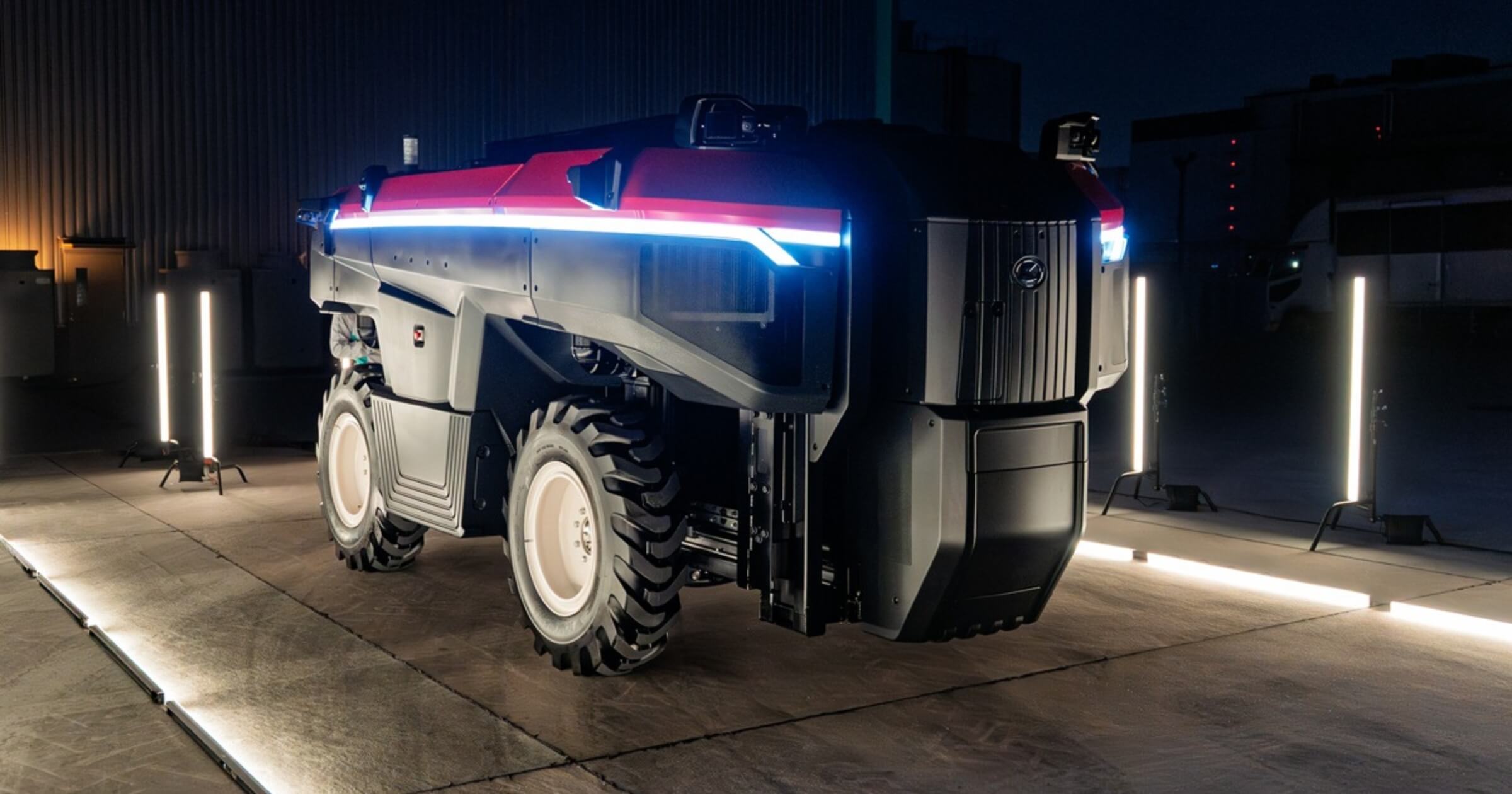
The Under the Hard Hat team had the pleasure of attending CES, the world’s largest tech conference, in January 2026. While the conference covers all technology, from augmented reality glasses to AI-powered robot arms that battle you in a game of chess, we were there to cover the latest in construction tech. And we found that the race to the top of the construction innovation ranks was tight.
Many common trends among key construction companies were autonomous vehicles, automation, and, of course, AI. Here are the top tech products our team checked out, and what they mean for the future of the industry.
The best construction tech at CES 2026
1. Bobcat RogueX3
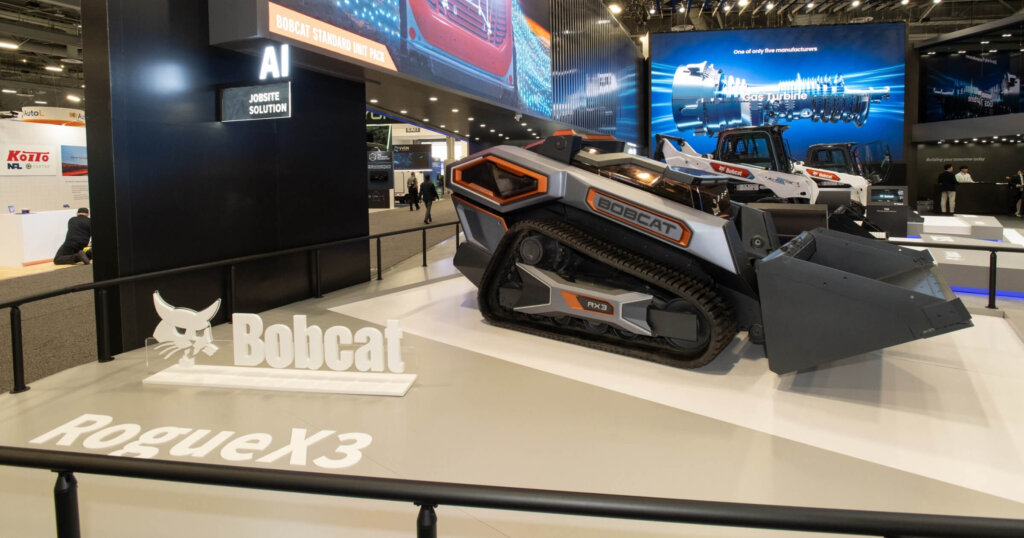
Some of our favorite machines at CES were autonomous, electric, and modular. The new Bobcat RogueX3 concept machine checks all three boxes. It can operate remotely or autonomously without a cab, and the module design takes customization to the next level. Do you need to swap wheels to racks, reconfigure the lift arms, or tailor the machine in another way for a new task? The RogueX3 can do it. This machine solves some of the industry’s biggest challenges: sustainability, labor gaps, and equipment availability.
The RogueX3 can also be built and powered in multiple ways, including diesel, electric, hybrid, or even hydrogen. Bobcat used historical data and insights from the X and X2 models to reach this newly innovated machine, and there are already pending patents that will reshape future lineups. Plus, it looks pretty cool.
2. Kubota KVPR
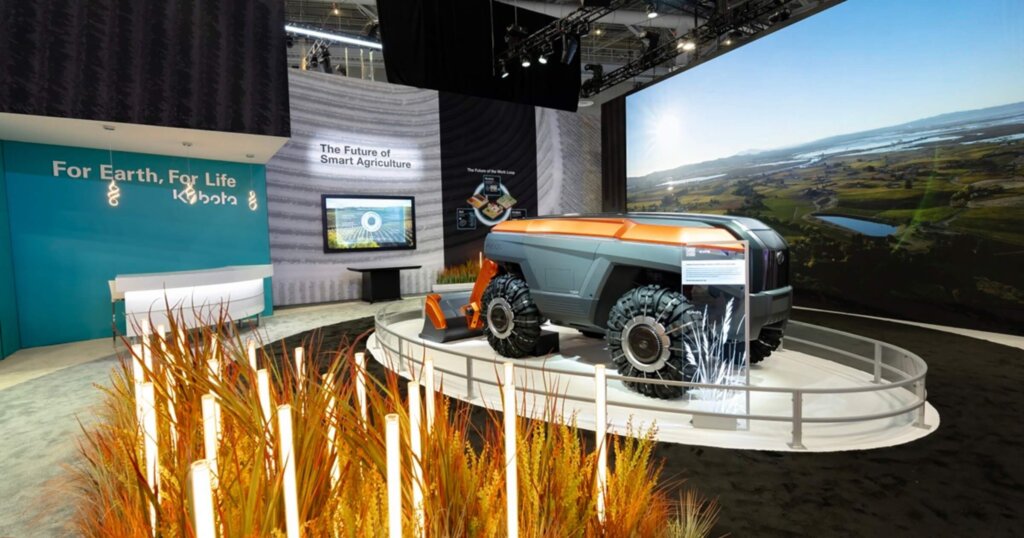
Like Bobcat, Kubota also unveiled a new machine that fits the modular, autonomous, electrified category. The new KVPR concept machine is highly customizable and built to replace multiple machines in a single, efficient model that can contract, expand, and move along any axis. Versatility is a top priority for Kubota, as it streamlines operations, keeps job sites more effective, and makes work for operators both simpler and more enjoyable.
3. Cat AI Assistant & Nexus
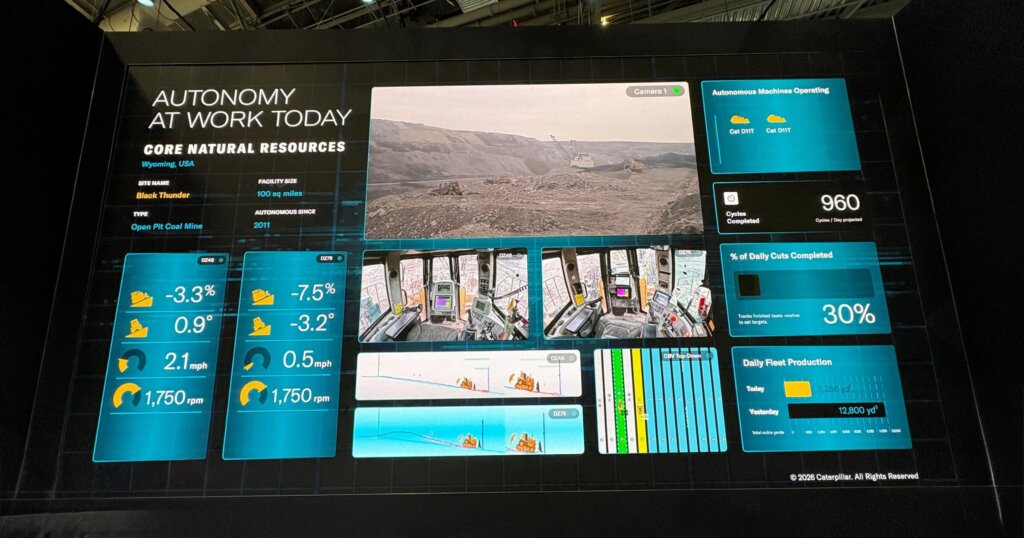
Being at the forefront of construction technology has been part of the Caterpillar culture for more than a century. CES 2026 brought Cat’s new AI assistant to the show floor, showcasing a vast portfolio of digital applications into an accessible voice-powered tool for operators. By saying “Hey Cat” in the cab, the AI assistant pulls up an expansive knowledge base to address operator queries on scheduled maintenance, vehicle how-tos, safety parameters, and more. Cat AI Assistant serves as a proactive partner for operators, using personalized insights and data to guide them through faster, smarter decisions.
Cat AI Nexus, the core piece of their CES booth, uses advanced AI as demonstrated on a 306 mini excavator. Like an AI assistant, Nexus delivers real-time guidance and safety features, along with smart fleet management. Nexus is the broader AI system Cat has developed, logging smart data and deep analytics—using the Helios data platform—to track performance metrics, operational history, and more, providing context-rich guidance to each operator.
4. Bobcat Jobsite Companion
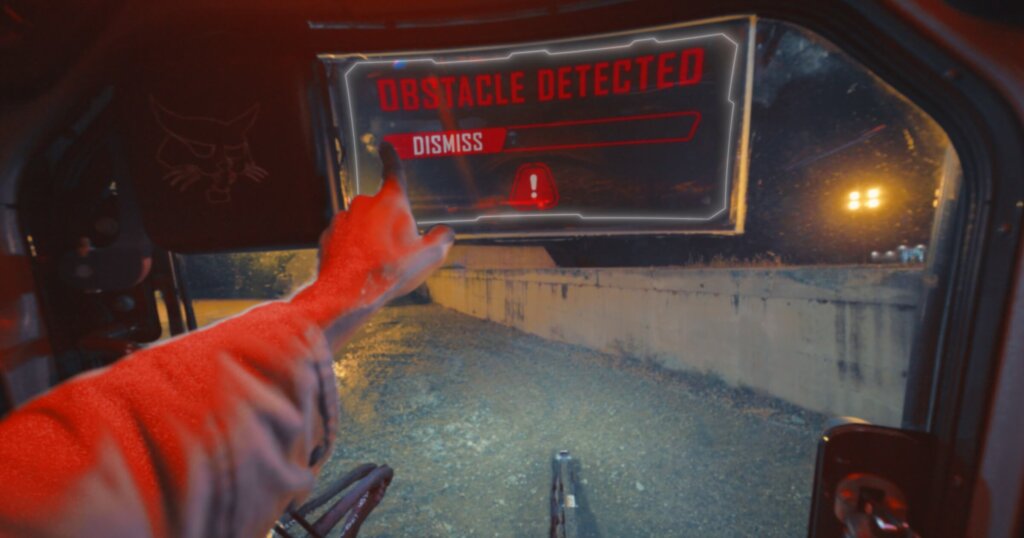
Bobcat is another key player offering AI-guidance to operators. The biggest innovation at their CES booth was the Bobcat Jobsite Companion, an AI-powered support system delivered audibly and on the windshield’s interior display. Operators can state a command or ask a question, and the Bobcat machine will adjust accordingly or offer user recommendations. Jobsite Companion automates more than 50 frequently used functions, so users rarely need to take their hands off the controls.
This AI feature uses Bobcat’s proprietary large language model (LLM) and runs entirely on the machine. There’s no delay or lag, and operators don’t need to rely on cloud connectivity to get the guidance they need. For those working in more remote areas, AI tech is only worth it if it’s accessible, something Bobcat carefully considered. This feature, Bobcat hopes, will redefine the operator-machine relationship. It’s expected to deliver the most impactful interface upgrade in nearly 20 years, enabling workers to operate with ease and precision.
5. John Deere Vögele Road Paver
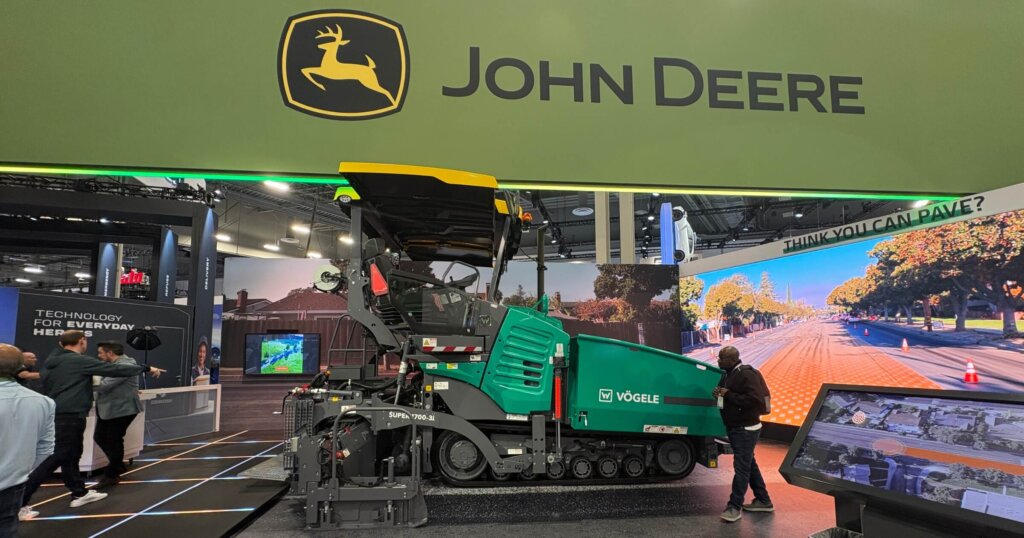
John Deere’s CES booth featured an impressive combine, but their road paver, in collaboration with Vögele, was the real showstopper for us. The GPS receiver, long used in their farming equipment, has been added to this new machine that leverages computer vision and AI to streamline the paving process.
The machine uses a digital file of the road to determine where to pave, and once the surface is ground down with precision, the asphalt can be applied cleanly in one fell swoop. The machine is semi-autonomous, essentially guiding itself, reducing operator cognitive load, and reducing the number of people on the equipment. It cuts down on high-risk duties and required headcount, making paving more efficient.
6. AI-powered JLG Boom Lift
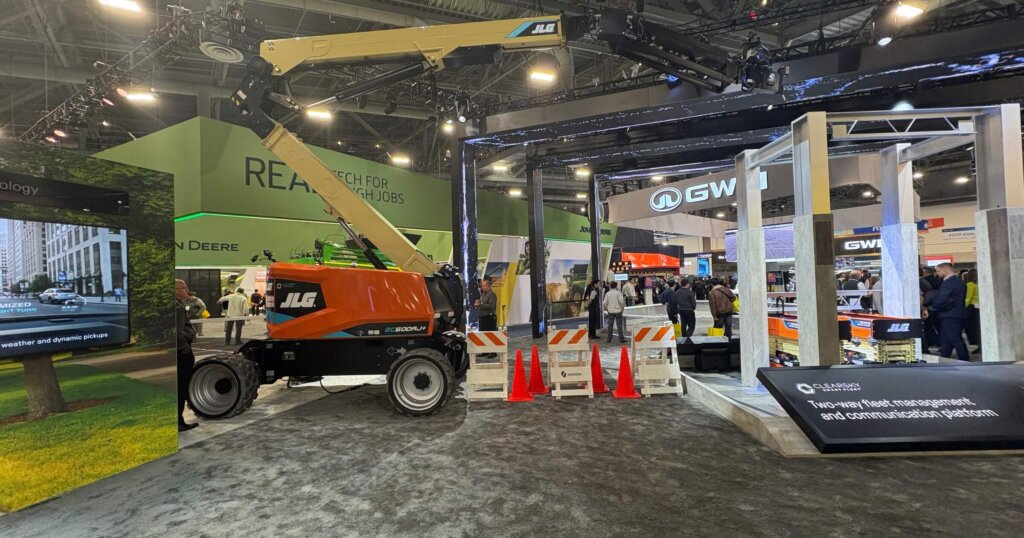
Another machine leveraging AI and autonomous tech was the JLG Boom Lift at the Oshkosh booth. This articulated boom lift features an autonomous effector system, enabling it to transform into an industrial-scale robot to take on repetitive, complex tasks.
Whether it’s painting, welding, material handling, or ductwork, this machine operates at great heights without an operator. And because it’s electric, it’s eco-friendly and operates quietly. This machine received top honors at the CES 2026 Innovation Awards. It’s versatile, eco-friendly, and leverages the technology to do more with less, safely.
7. Bobcat Standard Unit Pack
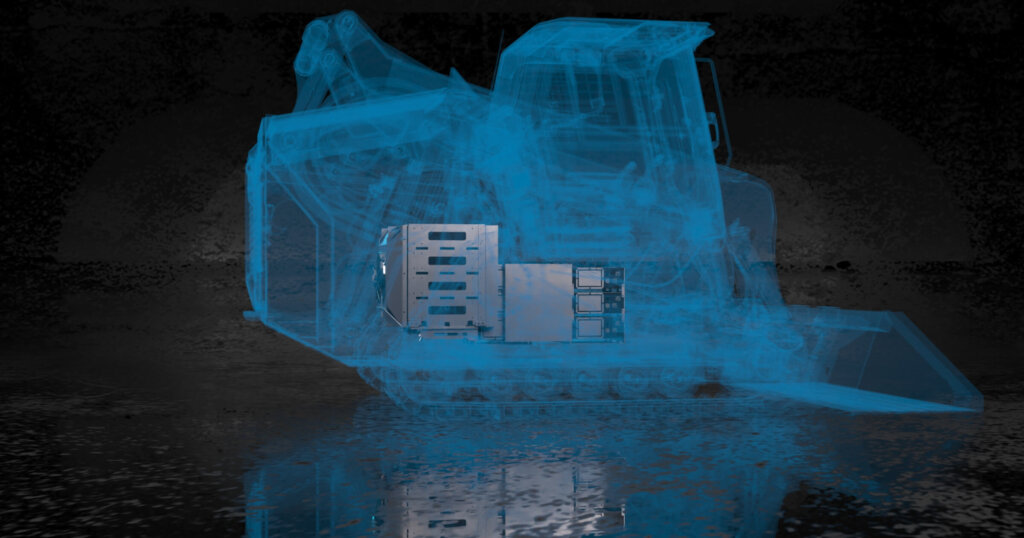
Bobcat also unveiled their new Bobcat Standard Unit Pack (BSUP). This quick-charging modular battery system is stackable and versatile, fitting machines like excavators, forklifts, and loaders on the most rugged jobsites.
The BSUP was battle-tested for durability and is built to last in dirty, dusty, high-impact environments. It’s a foundational building block for future electric equipment, as it’s clean, quiet, flexible, and scalable. The BSUP will be used for future Bobcat machines and will also be available for other OEM’s looking to go electric.
8. GoLe Robotics ND-3
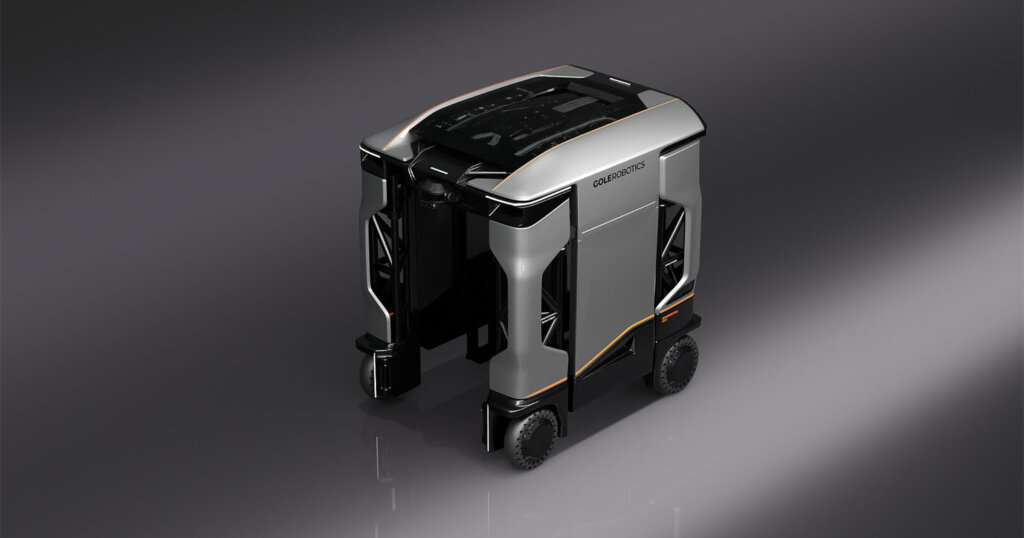
Moving away from heavy equipment, we have the ND-3 from GoLe Robotics. This autonomous robot lifts and moves construction materials, historically a tedious, manual job, and uploads live data of everything it counts, organizes, and delivers. ND-3 is rugged but highly maneuverable, navigating tight spaces and elevators with ease, often where bulkier equipment gets stuck, making it the perfect companion on almost any terrain.
The ND-3 is powered by advanced vision and navigation AI and uses deep learning to analyze and perceive obstacles, terrains, and unfamiliar routes. It adapts to any job site patterns over time and sets a new standard for material delivery on every site.
9. The Ring Mobile Security Trailer
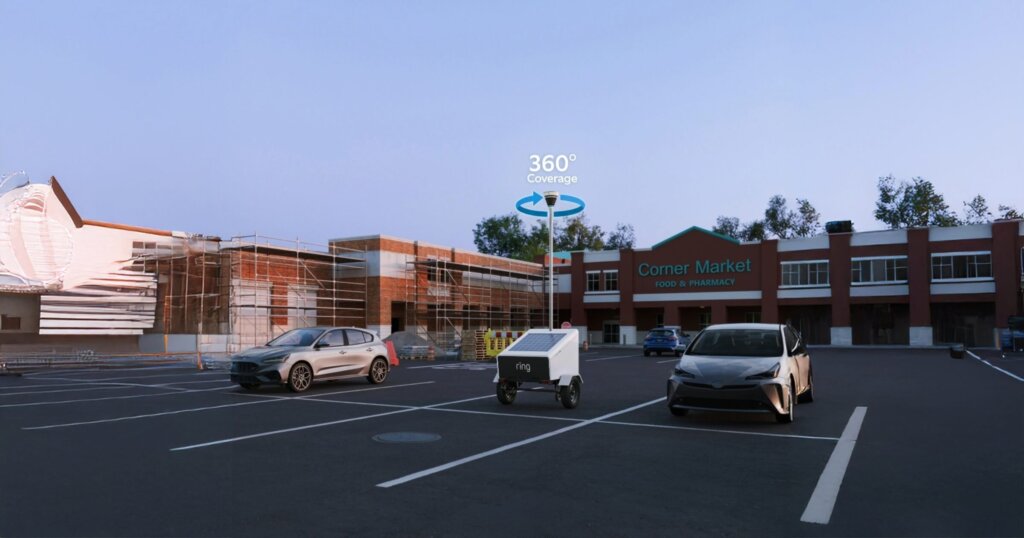
Lastly, we have the new mobile security trailer from Ring. We got to check this out in the Amazon lounge at CES, and it was a showstopper. This portable trailer has a 4K 360-degree camera, LTE connectivity, and solar support with a backup battery. It’s designed to support remote locations, events, and, yes, construction sites with uninterrupted surveillance.
It can operate without external infrastructure and is available for a subscription. Amazon and Ring expect to have it launched by the spring of 2026.
The future of construction technology will be autonomous
The future of construction technology is surely AI-powered, but it’s also becoming increasingly autonomous. Brands like Caterpillar and Bobcat are leading the charge in the space to not only improve efficiency and safety but also address the growing labor shortage.
Machines like loaders, dozers, boom lifts, and more will see greater autonomy in 2026, but companies like Bobcat and Kubota are a step ahead by developing new multifunctional modular heavy equipment. Unlike other autonomous tech in the market that are powered by retrofitted kits, these machines are built to do more, with autonomous functionality already baked in.
As of now, many autonomous machines are in concept, or are semi-autonomous, meaning the machine practically runs itself, but still requires a driver in the seat. This is still a significant advancement as these operators, like in the John Deere Road Paver, go from having to focus on several moving parts to simply overseeing the end product. Integrated use of these machines means the industry can slowly recover from the skilled labor shortage without sacrificing safety or output.
Final thoughts
Although the construction industry has historically been slow to adopt new tech, conferences like CES prove that the biggest players are still throwing their hats in the ring to make a difference. With products like Cat AI assistant, the Bobcat RogueX3, and the GoLe ND-3, innovation isn’t just possible; it’s already here.
If you liked this listicle on new tech at CES 2026, you might also like our other articles on the conference.
- Oshkosh brings autonomous and AI-powered jobsite tech to CES 2026
- CES Product spotlight: The Antigravity A1 8K 360 degree drone
- CES award spotlight: The AI Transformer Home Trailer (AI-THt)
- Global guide to the largest data center conferences
Subscribe to the Under the Hard Hat newsletter, and follow us on LinkedIn and Instagram to stay up to date with the latest content from CES 2026.


1 comment