
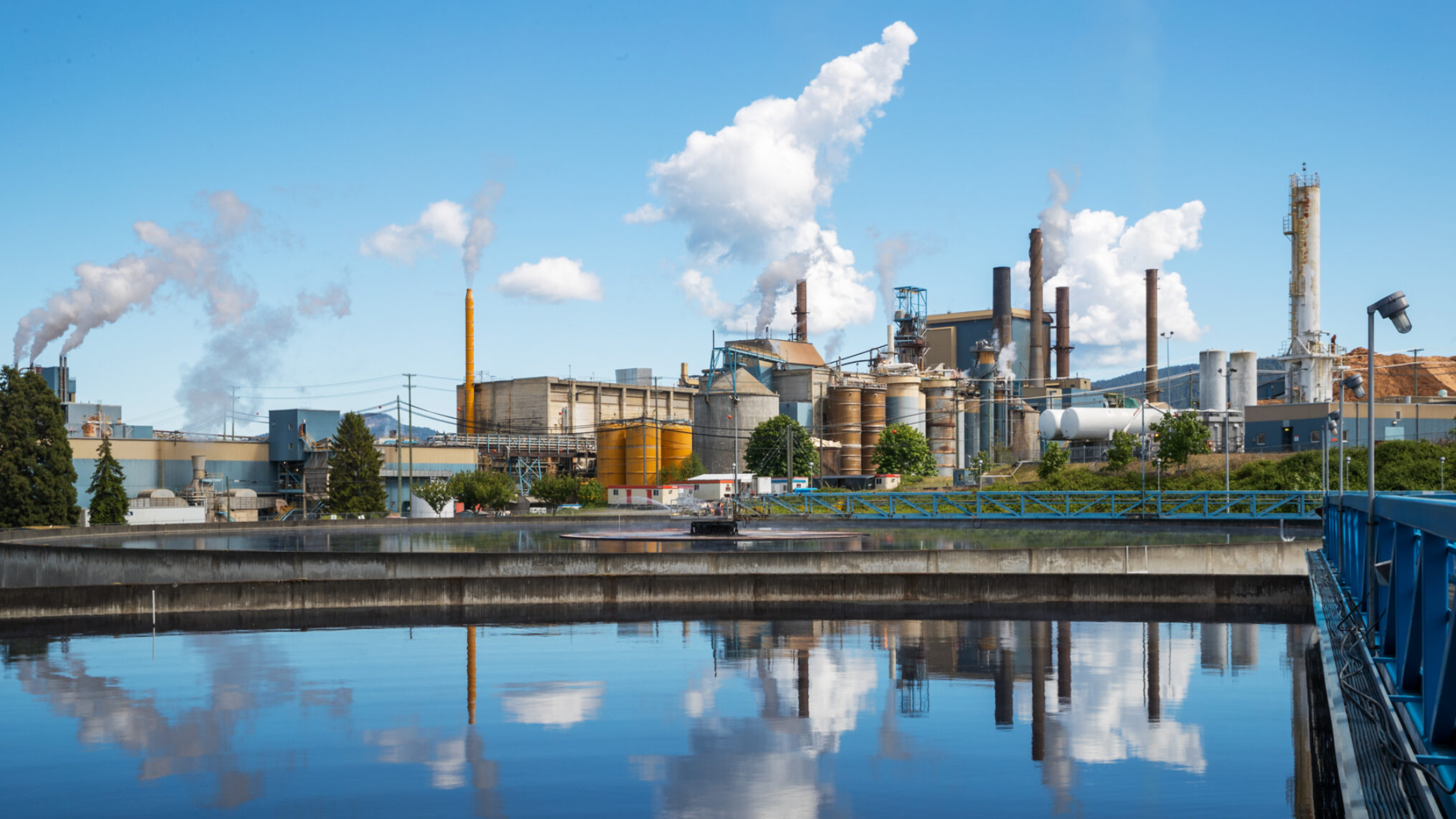
Permanent shutdown of Domtar’s Vancouver Island mill leaves 350 workers without jobs and heaps more pressure on an already very stretched forestry sector in BC. Domtar has confirmed its mill is done for good, citing low pulp prices, exorbitant running costs, and a declining fibre supply that just doesn’t make the operation worth it anymore. This closure joins a series of curtailments and permanent shutdowns across the province, where operators face the same combination of scarce fibre and unpredictable global markets. For builders across Canada, Domtar’s announcement signals further tightening in the long-term availability of wood-based construction materials.
Why Domtar closed the mill—and how it fits into wider trends
The Vancouver Island site relied on fibre sources that have steadily contracted over the past decade. Provincial reporting shows B.C.’s annual timber harvest has fallen from about 71 million cubic metres in 2014 to roughly 39 million cubic metres in recent years. With fewer logs available, mills like Domtar’s face higher costs and tougher competition for supply. Other major operators, including Western Forest Products, have echoed these challenges when announcing their own curtailments, citing weak markets, limited fibre, and rising costs. Domtar’s decision is part of a clear pattern rather than a stand-alone event.
The closure hits the local economy hard. Coastal communities rely on forestry jobs, and when a mill shuts down, the surrounding network—contract loggers, truckers, and service providers—shrinks with it. Skilled workers often leave the region or exit the industry entirely, making future restarts or expansions increasingly difficult, even if markets eventually rebound.
What Domtar’s shutdown means for Canadian lumber supply
Even though this mill was all about making pulp, it used a lot of the same timber that sawmills also use. So when one of your biggest customers suddenly disappears, it puts the squeeze on sawmills to find alternative suppliers. And with fewer players in the game, you start to see what they call redundancy in the system wear down a bit. Builders might not see a price hike right away, but long-term, this is all about Canada’s wood supply not having as much flexibility as it used to. With demand going up or forest troubles on the way, the system is now just a bit more brittle.
Suppliers are already leaning more heavily on Alberta, Saskatchewan, and U.S. producers to fill gaps. Large projects, including institutional builds and mass-timber work, may need wider pricing allowances heading into 2026 as the system adjusts to B.C.’s shrinking mill footprint.
Final thoughts
Domtar’s closure reflects deeper structural challenges in B.C.’s forestry sector: limited fibre, aging operations, and volatile markets.
For more reporting on construction materials and supply-chain trends shaping your projects, subscribe to the Under the Hard Hat newsletter.