
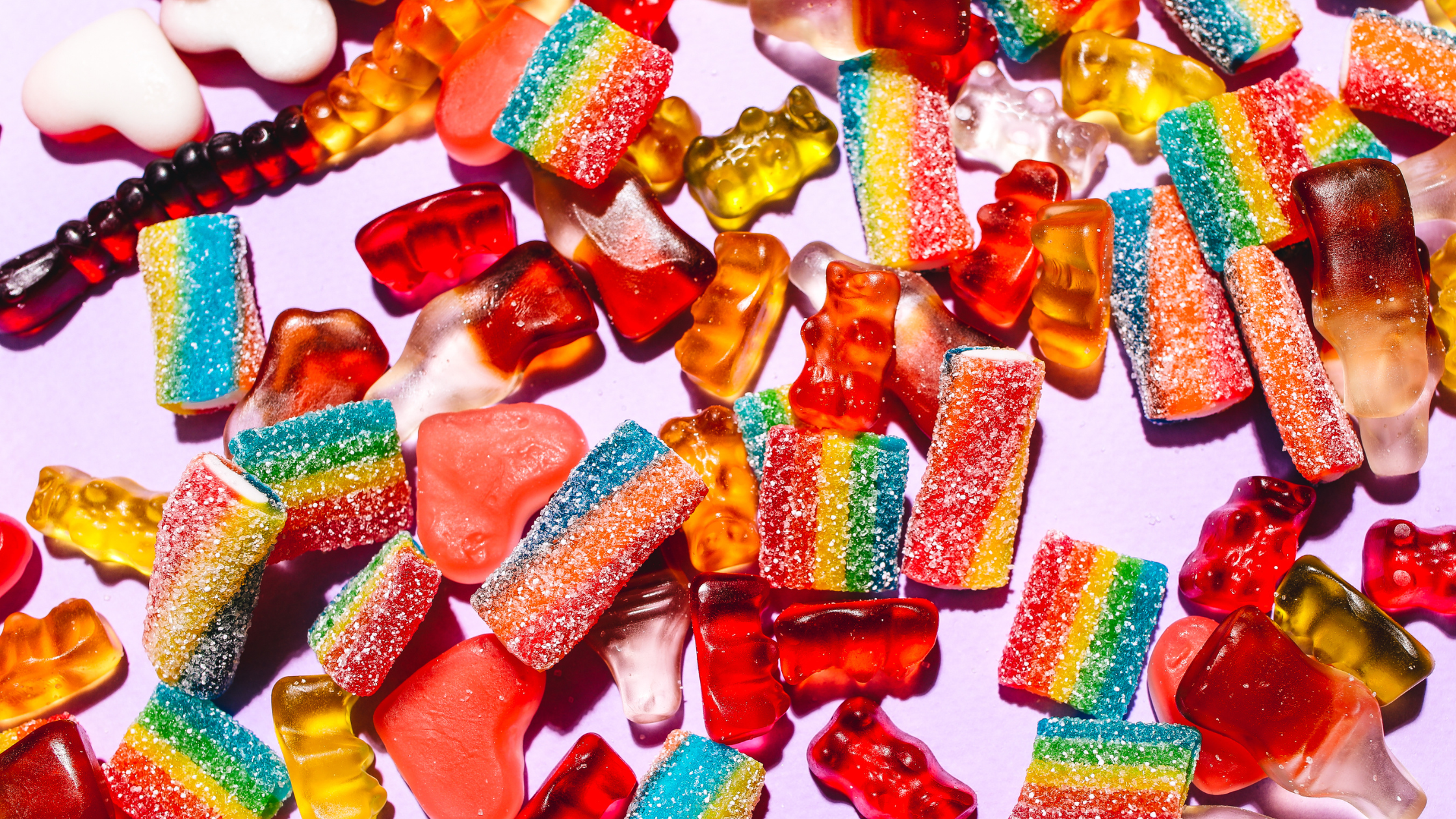
Food producers use dye to make their products seem fresher and more appealing. Some dyes can be naturally sourced from fruits, vegetables, and spices, but many manufacturers prefer artificial dyes for their longevity and vibrant hues. Artificial food dye, however, has become the subject of safety concerns after being linked to cancer, hyperactivity in children, and risk of contaminants. You can avoid food dye by reading labels, cutting down on processed foods, and choosing foods with natural colors instead.
The deets on food dyes
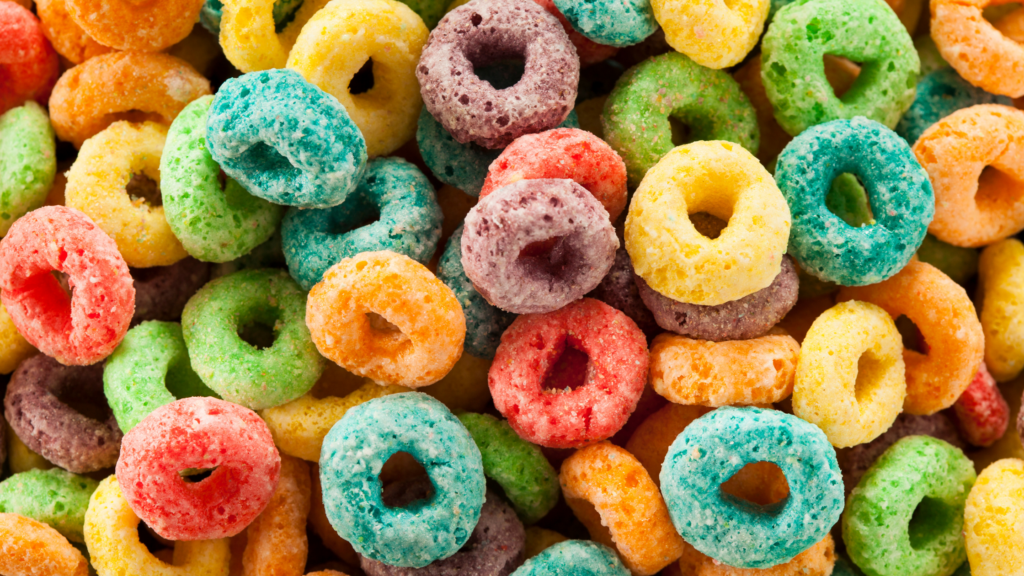
It’s no secret that Cheetos don’t get their fluorescent orange color from cheese, and the vivid hues in most candies aren’t natural. Like countless others, these foods contain added food dye to make them seem more appetizing, appealing, and fresh. But there’s more to food dyes than what meets the eye.
Manufacturers use food dyes to add pigment to foods and beverages. They are most commonly found in processed foods and drinks, but you’d be surprised to find that many of your favorite healthy snacks contain food dyes, too.
The US Food and Drug Administration (FDA) has approved 36 food dyes. Most are naturally derived, like beetroot and amaranth, but nine dyes approved for use in food and beverages are artificially created:
- Citrus Red No. 2
- Red No. 3, Erythrosine
- Red No. 40, Allura red
- Orange B
- Yellow No. 5, Tartrazine
- Yellow No. 6, Sunset yellow
- Blue No. 1, Brilliant blue
- Blue No. 2, Indigo carmine
- Green No. 3
Citrus Red No. 2 is only approved for adding color to orange peels, and Orange B is only approved for hot dog and sausage casings, but the other additives are found in many foods, like candy, sauces, cereals, and even pickles. Red 40, Yellow 5, and Yellow 6 are the most common food dyes, accounting for 90% of all food dyes used by manufacturers.
How worried should we be about food dyes?
We ingest five times as much food dye as people did in 1955, and concerns are growing about the potential implications for our health.
Cancer
Some animal studies have identified a link between certain artificial dyes and cancerous tumors. Research identified Blue No. 2 and Red No. 3 as potential carcinogens, and the FDA even banned Red No. 3 briefly during the 90s before eventually re-approving the compound for human consumption.
The science: A 1987 study on male rats concluded that Red No. 3 (also known as erythrosine) caused an increase in thyroid tumors. A 1990 study administering Red Dye No. 3 to rats reached the same conclusion. Upon re-evaluating the studies, however, the FDA concluded that erythrosine posed no danger to human beings at current levels of exposure, and it is still used to color Maraschino cherries, popsicles, and candy today.
Hyperactivity
Suspicions about the relationship between artificial dyes and hyperactivity in children have existed for decades. Though sugar has long been blamed for children’s increased energy and wild behavior after indulging in candy or birthday cake, some suspected it was the food dyes in the brightly colored treats instead.
The science: Some small studies support the idea that food dye causes hyperactivity in children. One study of three-year-old and eight/nine-year-old children showed that consuming artificial dyes and a preservative called sodium benzoate caused increased hyperactivity. A meta-analysis of 15 studies concluded that artificial dyes increase hyperactive behavior in children.
Contaminants
Some artificial food dyes contain low levels of known cancer-causing contaminants. These contaminants are permitted because they are present in such small amounts that they’re deemed safe to consume, but many worry that this confidence is misplaced.
The science: The artificial dyes Red No. 40, Yellow 5, and Yellow 6 contain benzidene, a known human carcinogen deemed safe by the FDA in small quantities. Other studies have found the contaminants 4-aminobiphenyl and 4-aminoazobenzene in Yellow No. 5, Yellow No. 6, and Red No. 40.
How to avoid food dyes
The FDA requires food manufacturers to disclose the presence of any food dyes in prepackaged foods, so if you’d like to reduce the amount of artificial dyes you ingest, start by reading food labels. Food dyes may be listed by their numerical name (like Red Dye No. 40, for example) or by their common name (tartrazine). Scan the ingredients label of your food before buying it to check for artificial food dyes (and any other ingredients you aren’t familiar with.
Cutting back on processed food is another easy way to avoid food dyes and artificial ingredients. While pre-packaged foods are ultra-convenient if you’re in a pinch or don’t feel like cooking, focus on consuming whole foods in their most natural state and avoid foods with nutritional labels.
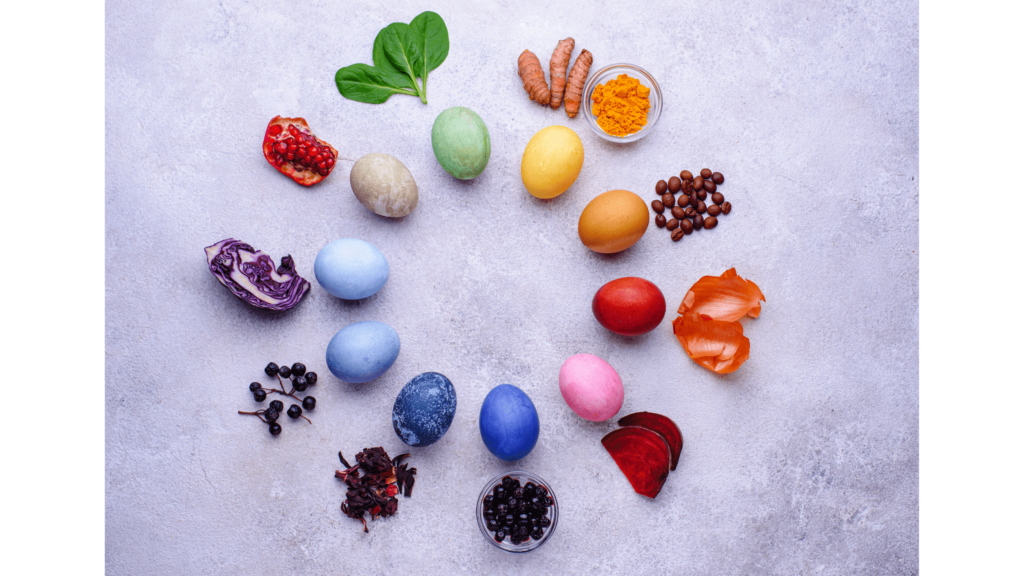
But avoiding food dyes doesn’t have to mean colorless food; although natural food dyes tend to be more subtle, they can still create fun colors without all the health risks. Green pigments are made by including chlorophyll and matcha, blue hues come from purple cabbage, and raspberries can add a sweet pink tone to food and drinks.
The final word on food dyes
The issue of artificial food dyes can seem complex and overwhelming, and sifting through the relevant research can be a neverending task. At its core, however, avoiding complications from artificial food dyes is made much simpler by ensuring that most of your diet consists of natural, unprocessed foods. Your meals can look incredibly colorful when you fill your plate with fruits, vegetables, beans, and whole grains—no food dyes necessary.
For more deep dives into food—from health lunch options to the best electrolyte powders—delivered directly to your inbox, subscribe to our weekly newsletter!