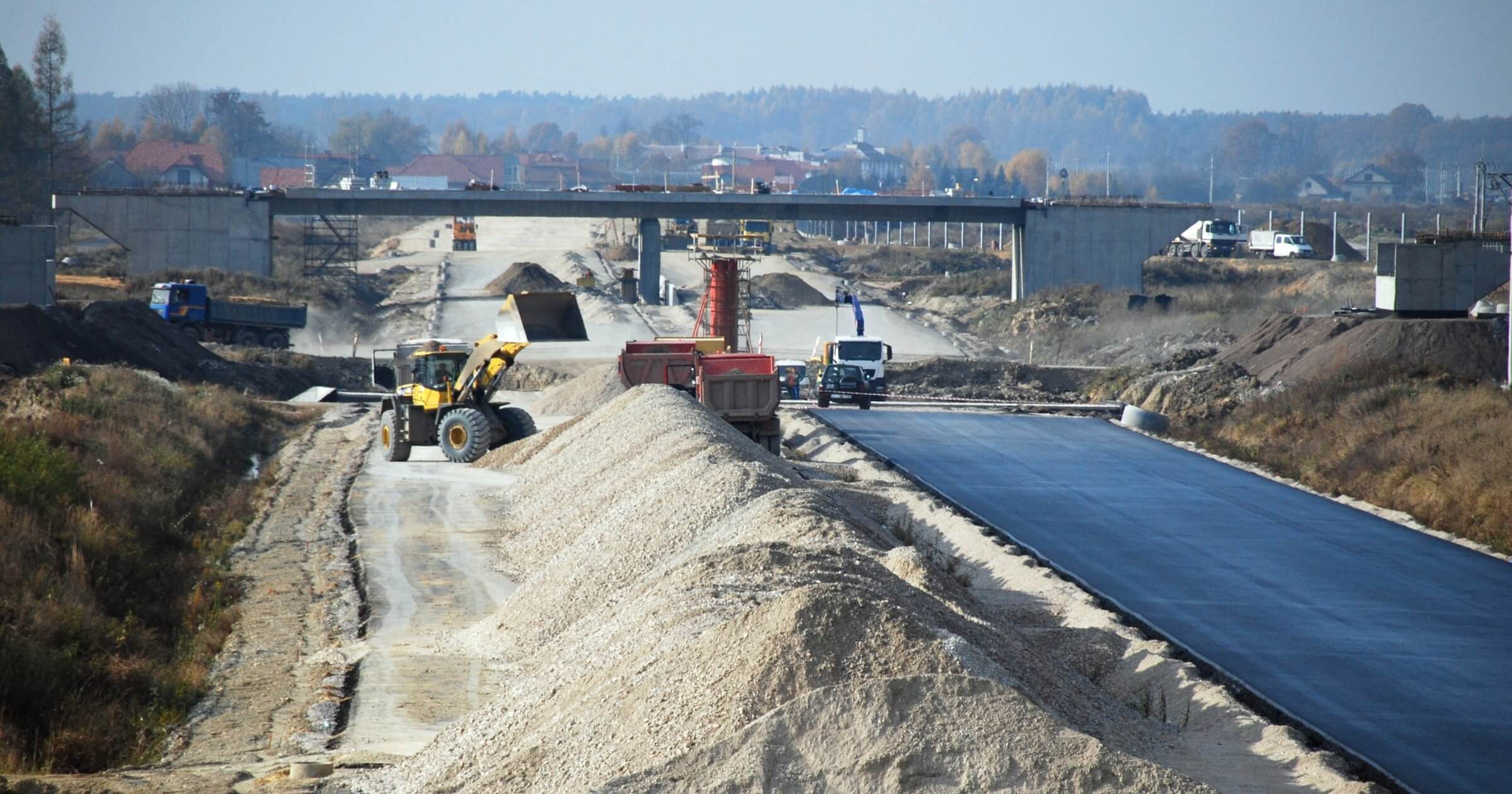
Transportation construction is in full swing across the United States as cities rush to repair, expand, and modernize the way people and goods move. Billions in new federal and state funding are fueling record growth in highways, bridges, rail systems, and airports. From the California High-Speed Rail to Brightline West, these massive transportation projects are reshaping mobility, boosting local economies, and setting the stage for a more connected future.
Quick look
- Major infrastructure projects, such as California High-Speed Rail, Brightline West, and the Hudson Tunnel, are reshaping U.S. mobility and economic growth.
- New investments from the Bipartisan Infrastructure Law are fueling record federal and state funding for transportation projects.
- Projects prioritize sustainability, clean energy, and reduced emissions while creating thousands of construction-related jobs.
- Upgrades to airports, rail lines, and urban transit aim to modernize outdated systems and prepare cities for future demands.
Why transportation projects are critical to economic growth
Transportation is the glue that keeps the U.S. economy moving. Roads, bridges, railways, and ports connect people to jobs and businesses to customers. When those systems run smoothly, goods travel faster, shipping costs go down, and local communities grow stronger.
The problem is that much of America’s infrastructure is aging. The American Society of Civil Engineers (ASCE) gave U.S. infrastructure an overall grade of C in its 2025 report, meaning most systems are in mediocre condition and need major investment to keep up with demand. From cracked bridges to outdated railways, the need for upgrades is urgent.
Investing in transportation does more than fix roads; it drives the economy forward. Every $1B spent on transportation construction supports about 13,000 jobs across engineering, manufacturing, and logistics. Those jobs boost spending power and help local economies grow.
Better infrastructure also means fewer traffic jams, smoother supply chains, and cleaner air. Efficient roads and railways reduce fuel waste and lower greenhouse gas emissions, which supports more sustainable mobility. As new projects continue across the country, the goal is not just to build but to build smarter, faster, and greener for future generations.
Biggest transportation infrastructure projects under construction
Project 1: California High-Speed Rail
Location: California
Specs: 500+ miles, connecting San Francisco to Los Angeles
Expected timeline: Phase 1 expected by late 2030s
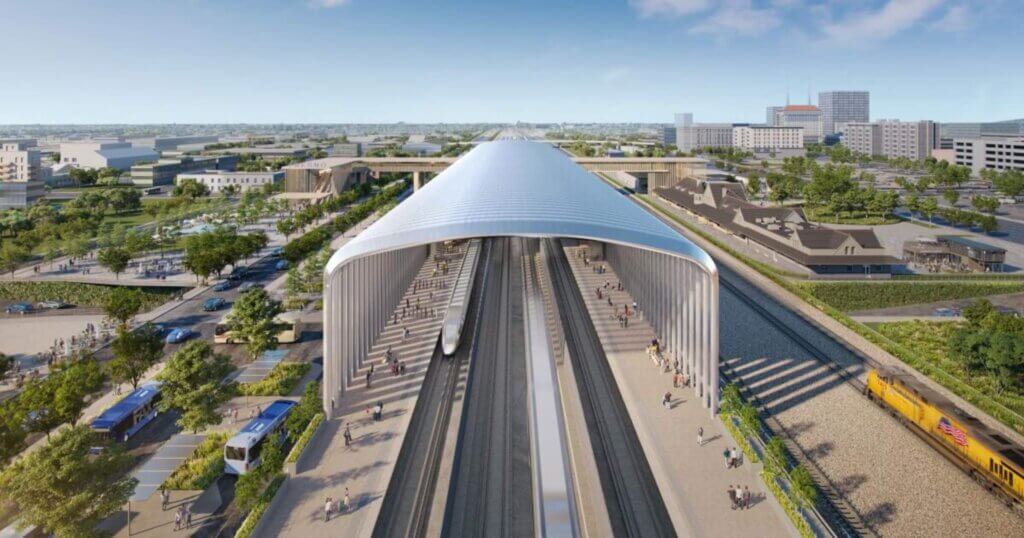
California’s high-speed rail line is one of the biggest transportation projects in the country. Once finished, it will span more than 500 miles between San Francisco and Los Angeles, with trains expected to reach speeds of around 220 miles per hour.
What really sets this project apart is the attention it pays to sustainability. The trains will run entirely on electricity from renewable sources, which means fewer car trips, less traffic, and a big cut in carbon emissions. Crews are also working to make construction as clean as possible by reusing materials and using energy-efficient equipment on site.
Building a high-speed rail system across California is no small job. Engineers are carving tunnels through the Central Valley and building long viaducts in earthquake-prone areas. When it’s complete, the line will change how people move around the state, open up thousands of jobs, and likely serve as the blueprint for more high-speed rail projects across the country.
Project 2: Brightline West High-Speed Rail
Location: Las Vegas, NV to Rancho Cucamonga, CA
Specs: Approximately 218 miles; trains reaching speeds of up to 186 mph
Expected timeline: Completion by 2028
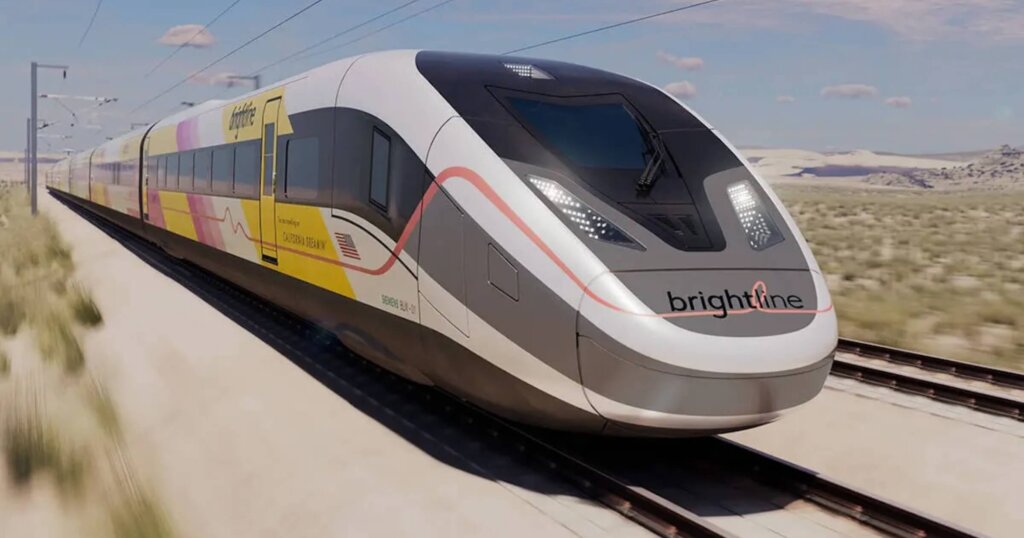
The Brightline West High-Speed Rail is set to become America’s first true high-speed rail system, connecting major cities. Stretching from Las Vegas to Rancho Cucamonga, California, the 218-mile route will allow passengers to travel between the two destinations in about two hours, roughly half the time it takes to drive.
The project is being developed by Brightline Holdings, with strong support from both state and federal partners, including funding through the Bipartisan Infrastructure Law. The system is designed to run fully electric trains that produce zero direct emissions, helping reduce traffic on Interstate 15 and lowering the carbon footprint from short-haul flights between Nevada and California.
Once complete, Brightline West will connect with California’s Metrolink commuter network, giving travelers an easy way to reach Los Angeles without using a car. It is also expected to create thousands of construction jobs and inject billions into the regional economy. With its sleek design, renewable energy use, and fast travel times, Brightline West is paving the way for a cleaner, more connected future in American travel.
Project 3: Austin Light Rail (Project Connect Phase 1)
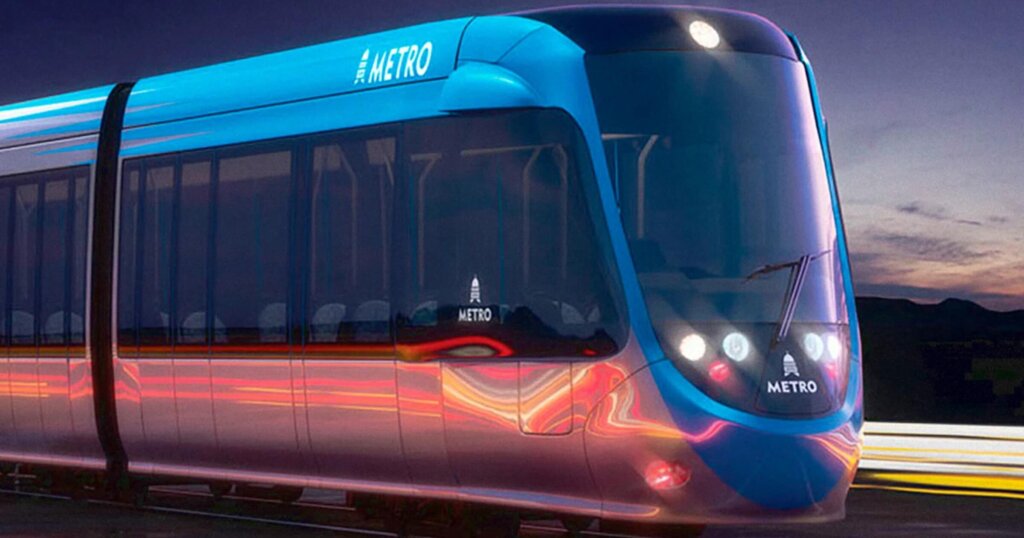
Location: Austin, Texas
Specs: 9.8-mile light rail with 15 stations
Expected timeline: Phase 1 completion projected for early 2030s
Austin is one of the fastest-growing cities in the country, and its new light rail project is designed to keep that growth moving in the right direction. As part of the city’s larger Project Connect plan, this 9.8-mile light rail line will connect key areas of Austin, including downtown, the airport, and major neighborhoods, through 15 modern stations.
The Austin Transit Partnership (ATP) is leading the project with help from top design and engineering teams. Their goal is to build a rail system that’s easy to use, environmentally friendly, and designed for how Austinites actually travel. The trains will run on clean power, and the stations are being planned with sidewalks, bike paths, and neighborhood access in mind so riders can get around without relying on cars.
When it’s up and running, the light rail will ease traffic, cut down on emissions, and give people better access to jobs, schools, and local hangouts. It’s also just the beginning. This first phase lays the groundwork for a much larger network that will eventually reach deeper into Austin’s growing communities.
Project 4: Hudson Tunnel Project (Gateway Program)
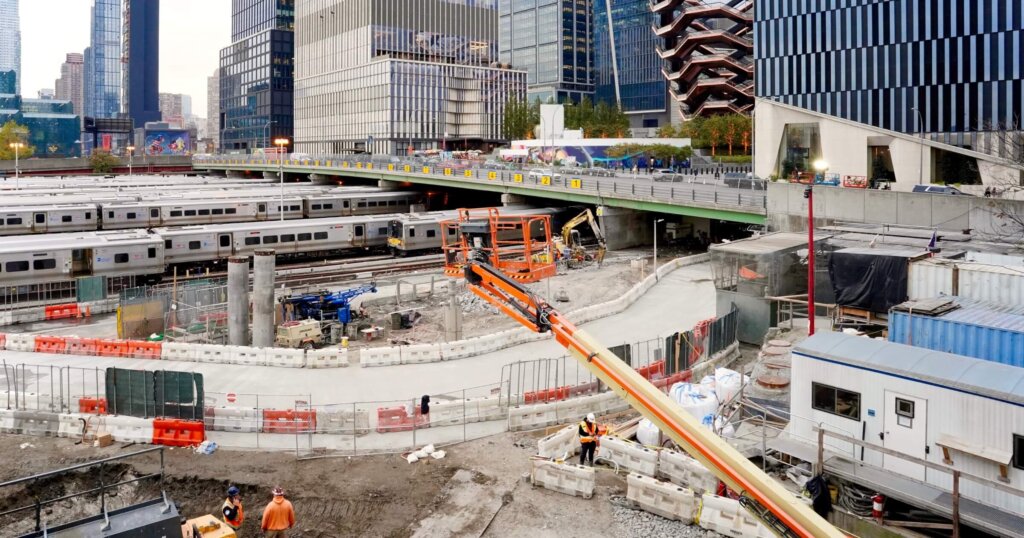
Location: New York–New Jersey
Specs: Two new rail tunnels beneath the Hudson River
Expected timeline: Completion expected by 2035
The Hudson Tunnel Project is one of the most important rail upgrades in the United States. It is part of the larger Gateway Program, which aims to improve passenger rail service between New Jersey and New York City along the busy Northeast Corridor. The plan includes building two new rail tunnels under the Hudson River and rehabilitating the existing 113-year-old tunnels that have been strained by decades of heavy use and storm damage.
The completed project will double train capacity between New Jersey and Manhattan, easing one of the most significant rail bottlenecks in the country. The new tunnels will allow for smoother, faster, and more reliable travel for thousands of daily Amtrak and NJ Transit passengers.
Beyond boosting capacity, the project will modernize critical parts of the Amtrak infrastructure that connect major East Coast cities from Boston to Washington, D.C. It is expected to create tens of thousands of jobs during construction and strengthen the region’s economy for years to come. By improving this public infrastructure project, the Hudson Tunnel Project represents a major investment in the future of American rail travel.
Project 5: Chicago O’Hare 21 Expansion
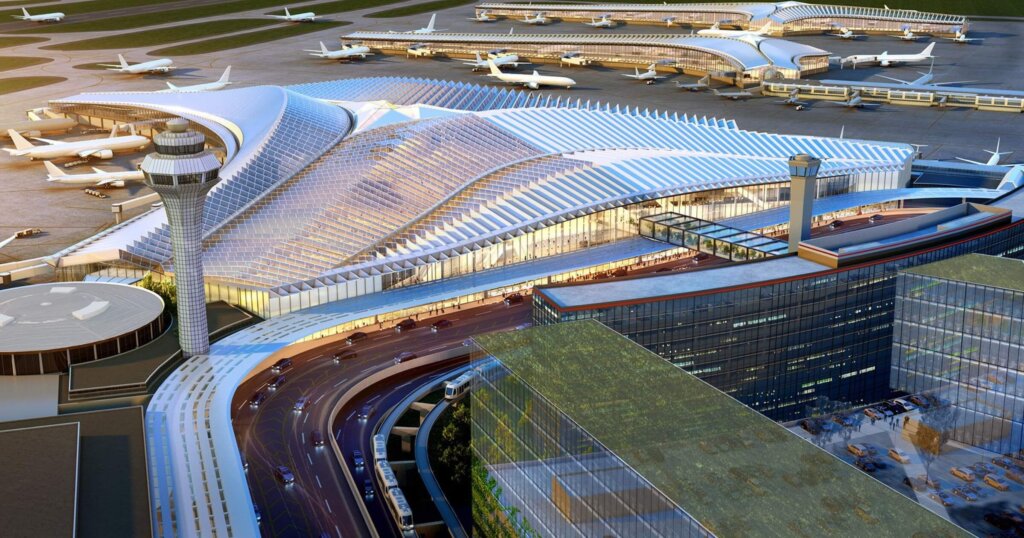
Location: Chicago, Illinois
Specs: $12 billion modernization of O’Hare International Airport
Expected timeline: Final completion expected between 2030 and 2035
The O’Hare 21 Expansion is one of the largest airport improvement programs in the country. The plan will completely modernize Chicago’s busiest airport, adding new satellite concourses, a next-generation Global Terminal, and upgraded gates to handle more flights and passengers. The goal is to make O’Hare faster, easier to navigate, and ready for the future of air travel.
Sustainability is a big part of the project. The new terminals will feature energy-efficient designs, enhanced insulation, and improved lighting to reduce energy consumption. A major update to Terminal 3, led by Clark Construction and O’Neil Construction, features wider concourses, larger gate areas, and modern baggage systems that enhance the flying experience, making it smoother and more efficient.
Technology upgrades are also on the way. The airport is adding smarter passenger tracking, improved security screening areas, and new gate layouts that make it easier for airlines to manage larger planes. One highlight is the new Concourse D, which will include 19 gates and flexible space for both domestic and international flights.
Together, these improvements are expected to reduce congestion, create thousands of construction jobs, and keep O’Hare competitive as a top global aviation hub.
Is the government investing more in transportation in 2025?
The federal government is boosting its investment in U.S. transportation infrastructure, and 2025 continues this trend. The landmark Infrastructure Investment and Jobs Act earmarked around $1.2 trillion in total spending, including approximately $550 billion for new infrastructure programs.
At the federal level, the U.S. Department of Transportation (USDOT) is distributing grants and formula funds to states, metropolitan areas, and transit agencies. For example, the law provides $23.1 billion over five years for transit repair and maintenance grants.
State-level infrastructure packages are also riding the wave; states are matching or leveraging federal funds to invest in highways, rail, ports, and airports. These combined efforts reflect a policy emphasis on sustainable, resilient, and digital infrastructure systems.
The era of “business as usual” for transportation spending is over, with federal, state, and local players all raising their game to meet the country’s mobility and infrastructure demands.
What’s next for public transportation?
Transportation construction has become an exercise in keeping people and goods moving, creating jobs, and building stronger, more connected communities. Every highway, bridge, rail line, and airport upgrade helps reduce congestion, lower emissions, and open new opportunities for economic growth.
With major transportation projects such as the California High-Speed Rail, Brightline West, and the Hudson Tunnel underway, the U.S. is positioning itself for long-term competitiveness and sustainability. These investments make travel faster and safer while also helping the country meet its climate goals. Upgrading infrastructure today ensures that future generations will inherit systems that are efficient, resilient, and well-equipped to meet the challenges ahead.
Want more stories about the transportation projects shaping America’s future? Subscribe to our newsletter for the latest updates on U.S. construction and infrastructure trends.