10 standout AECOM projects shaping infrastructure worldwide
From megabridges to underground rail systems, AECOM is behind some of the world’s most complex builds—where scale, coordination, and engineering push construction to its limits.


From megabridges to underground rail systems, AECOM is behind some of the world’s most complex builds—where scale, coordination, and engineering push construction to its limits.

Most developers ask how many houses they can fit on 451 acres. The team behind The Granary asked a different question, and the construction challenges…
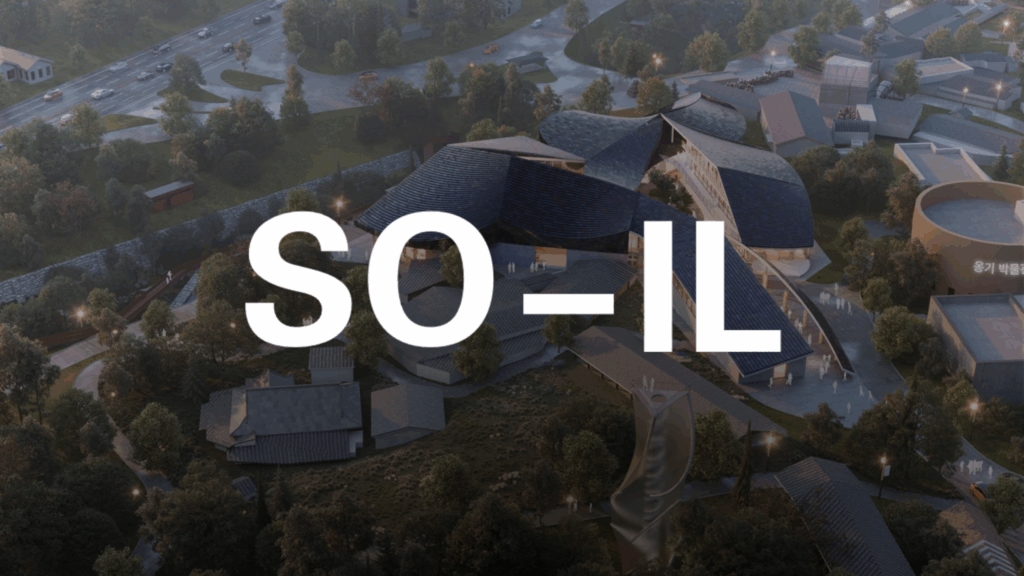
Most buildings are designed to keep the outside out. SO–IL is doing the opposite—and the construction complexity that comes with open-air facades, permeable skins, and…
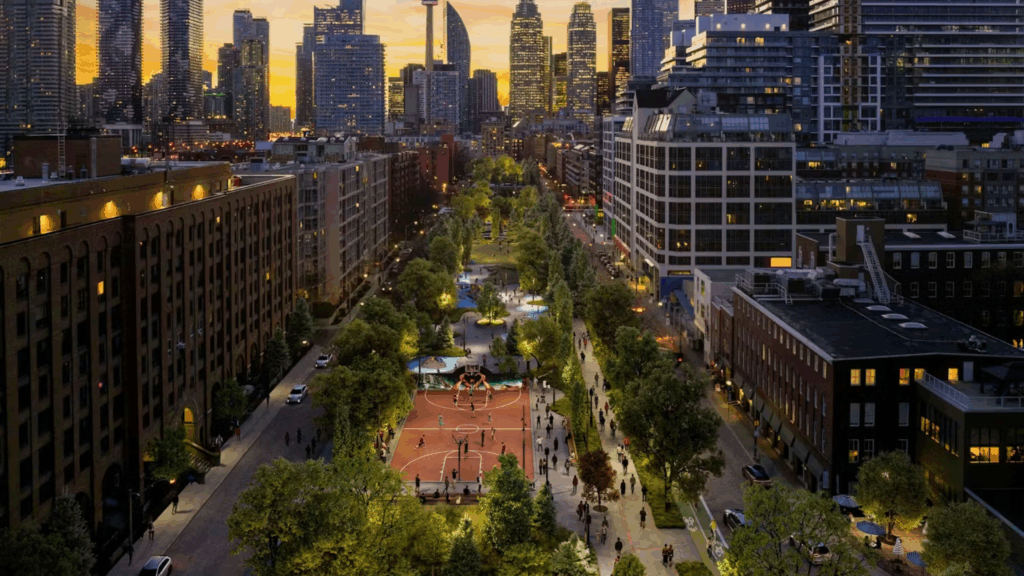
Construction has begun on one of Toronto's largest open-space redevelopments, and the constraints contractors face on this job are a preview of what urban infrastructure…
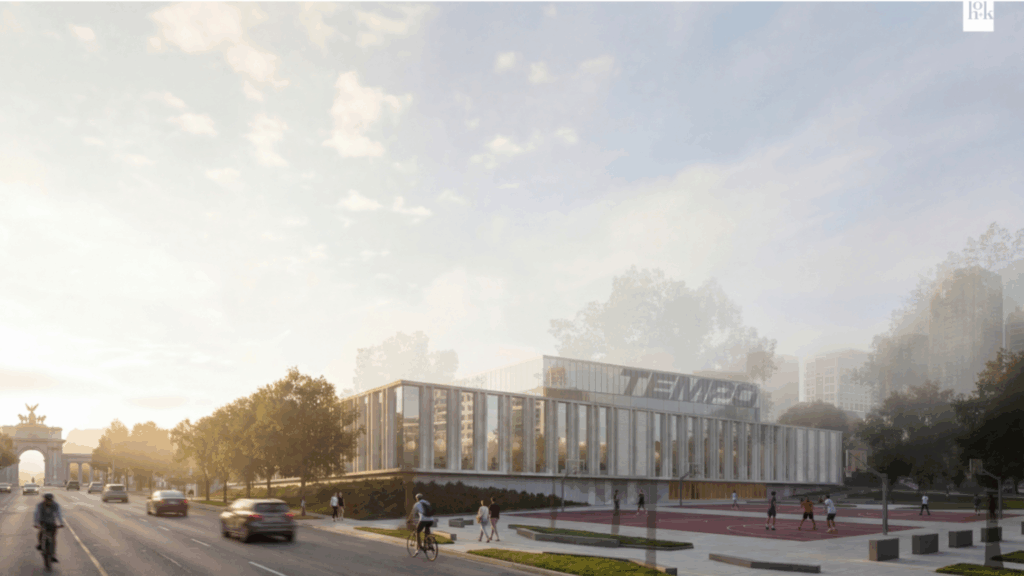
Women's professional sports are no longer making do with adapted spaces. The Toronto Tempo Performance Center is being built from the ground up, and what…
From airports to labs, HOK is reshaping how buildings are designed and built. These 10 projects highlight the firm’s push toward performance and sustainability.
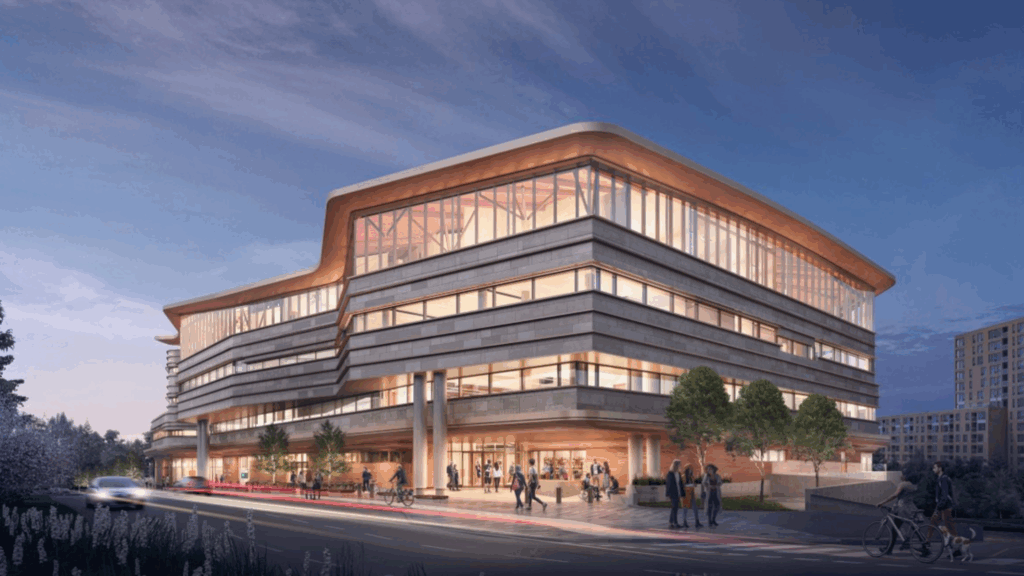
Ottawa's Ādisōke library puts a public library and national archives under one roof—and the tension between those two uses shaped every decision on site.
The single-use stadium no longer exists. MANICA is designing what comes next—venues built to generate activity 365 days a year, and the construction complexity that…
OMA is reshaping modern cities by breaking the rules of design The Office for Metropolitan Architecture, known as OMA, is a global design firm that…
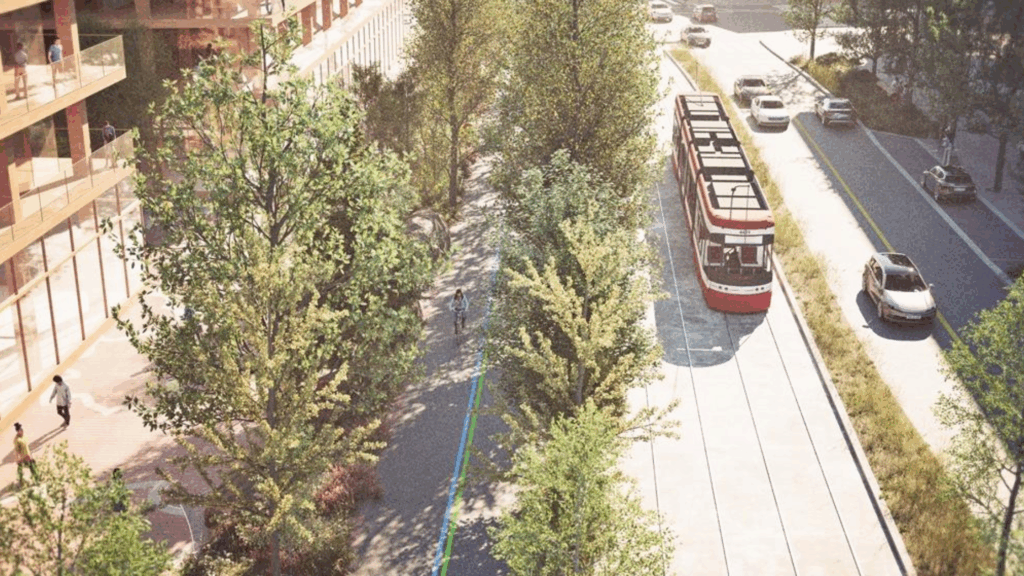
As public funding targets transit and housing together, projects like Waterfront East are reshaping where construction demand will cluster in Toronto.

From biophilic offices to high-rise structural innovation, NBBJ’s projects show how design is shifting to prioritize performance, people, and real-world constraints.

Mississauga’s Official Plan 2051 is reshaping how and where construction happens, shifting growth toward transit corridors and creating more consistent, long-term opportunities for contractors.