
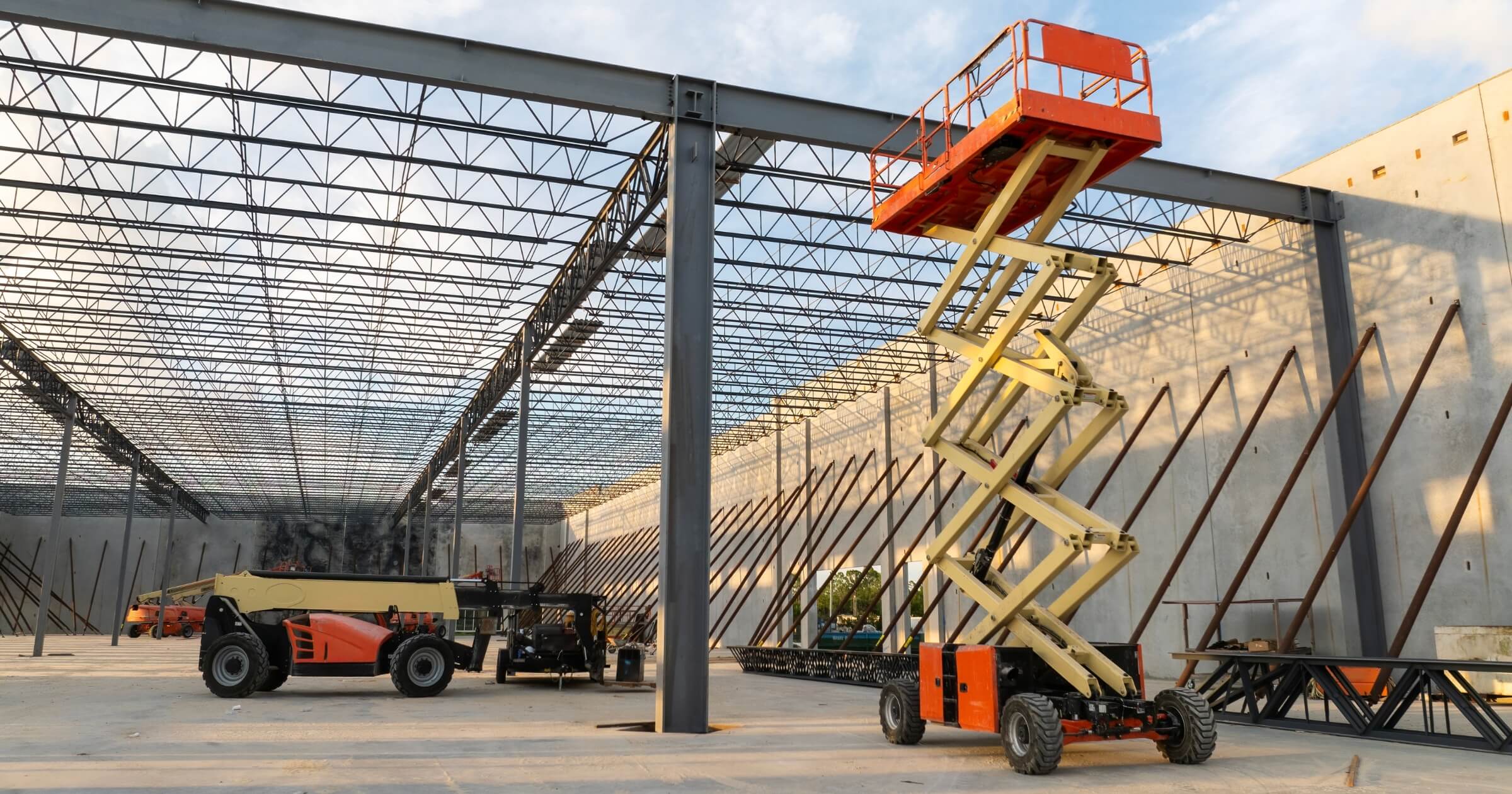
How much does it cost to build a warehouse? If you’re planning to build one, the price can vary widely depending on its size, design, materials, and whether you hire contractors or handle some of the construction yourself. From basic metal buildings to complex, climate-controlled storage spaces, warehouse construction costs can range widely depending on your needs. In this guide, we’ll break down the average costs of building a warehouse, the biggest factors that influence warehouse construction, and what kind of cost estimate you can expect based on your square footage, materials, and location.
Quick look
- Warehouse construction costs in 2025 range from $25 to $200 per square foot, depending on size, design, and features.
- Main cost factors include building size, material choice, labor (DIY vs. contractor), location, and design complexity.
- Budget-friendly options like prefab metal kits cost less, while high-end warehouses with offices and HVAC can exceed $10 million.
- Regional variables like climate, urban vs. rural sites, and permit costs play a major role in overall warehouse project pricing.
Average cost to build a warehouse
The average cost to build a warehouse in 2025 depends on the type of warehouse, its size, materials, and level of finish. In general, warehouse construction costs range from $25 to $200 per square foot, with basic storage spaces at the lower end and fully insulated, climate-controlled facilities at the higher end.
A simple steel warehouse for equipment or inventory storage might cost between $25 and $60 per square foot, while a mid-range build with insulation, lighting, and ventilation could fall between $70 and $100 per square foot. On the other hand, a high-end warehouse construction project with offices, HVAC systems, loading docks, and advanced energy-efficient features can reach up to $200 per square foot or more.
The difference in warehouse cost by size is also notable. A small 5,000-square-foot warehouse for light storage will have lower building costs than a 50,000-square-foot commercial facility that requires specialized features and extended construction time.
Here’s a look at average warehouse costs based on size and features in both the U.S. and Canada:
| Type | Low-End (USD) | Mid-Range (USD) | High-End (USD) | Low-End (CAD) | Mid-Range (CAD) | High-End (CAD) |
| Basic storage | $25–$60/sq ft. | $70–$100/ sq ft. | $120–$200/sq ft. | $35–$80/ sq ft. | $90–$130/sq ft. | $160–$270/sq ft. |
Keep in mind that construction costs vary by location. Rural areas often have lower labor and land costs, while urban or industrial zones tend to have higher soft costs, such as permitting, design, and infrastructure fees.
Understanding these costs early can help you make smart decisions about warehouse design, materials, and budget before breaking ground.
Key factors affecting the cost of a warehouse
Understanding the key factors that affect building costs can help you budget and identify cost-saving opportunities during your warehouse construction project.
Size: bigger builds = higher cost
The size of the warehouse is one of the biggest drivers of construction costs. A larger warehouse requires more materials, longer labor hours, and higher overall construction expenses. However, costs typically range lower per square foot as size increases.
For example, a small 5,000-square-foot storage warehouse might cost around $60 per square foot, while a large 100,000-square-foot steel building could be closer to $45 per square foot because of economies of scale. Essentially, the more square footage you build, the more efficient your warehouse cost per square foot becomes.
Materials: budget vs. premium options
Building materials play a major role in determining warehouse construction cost. Here’s a breakdown of common construction methods and what to expect from each:
| Material | Pros | Cons |
| Steel | Durable, fast to build, recyclable | Can be pricey, needs insulation |
| Concrete (Tilt-Up Construction) | Fire-resistant, low maintenance | Longer build time, higher labor cost |
| Wood | Affordable, easy to modify | Limited size, less durable |
| Prefab Kits / Metal Building Systems | Quick install, predictable cost | Less customization |
Steel warehouses and metal building kits remain a top choice for modern industrial projects because they’re strong, quick to assemble, and easy to maintain. Concrete and tilt-up construction systems are valued for their durability and fire resistance, making them ideal for long-term use. For smaller, low-cost builds, wood framing is still common since it’s affordable and simple to modify, though it’s less durable than steel or concrete.
Complexity: simple vs. custom design of a warehouse
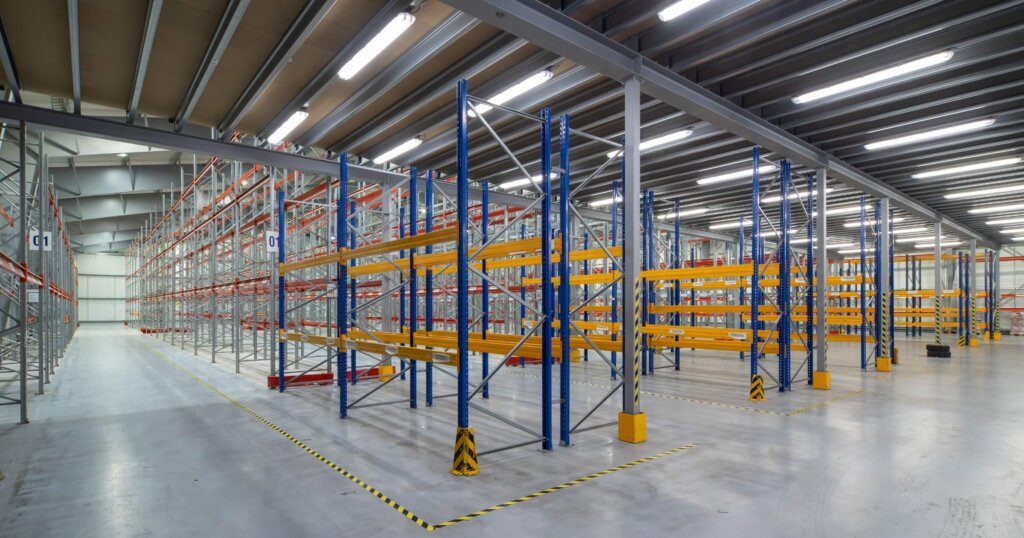
The warehouse design and level of customization play a major role in overall construction costs. A basic storage warehouse with limited interior finishes will always cost less than a facility that includes offices, HVAC systems, or loading docks.
When you add features such as climate control, advanced lighting, or energy-efficient upgrades, both hard costs (like materials and labor) and soft costs (like engineering, design, and permitting) increase. Put simply, the more complex your warehouse construction project is, the higher your final price will be.
Labor: DIY vs. contractor pricing
Labor is one of the largest expenses in building a warehouse, usually accounting for 20–40% of total construction costs. Hiring professional contractors helps ensure quality workmanship, compliance with building codes, and a faster construction timeline.
However, for smaller metal buildings or prefabricated warehouse kits, some owners choose a DIY approach to reduce upfront building costs. While this can save money, it often requires additional time, planning, and coordination to comply with local safety and construction regulations.
Location: regional differences
The location of your warehouse significantly affects construction costs. In the U.S., warehouses in rural or suburban areas tend to be cheaper to build due to lower land and labor costs, while urban builds are more expensive because of zoning restrictions and limited space.
In Canada, climate plays a bigger role. Colder regions may require thicker insulation, reinforced foundations, and weather-resistant materials, all of which increase overall warehouse costs.
Permits and site prep
Before you start building a warehouse, check what building permits are required in your area and plan for construction site preparation. The cost of permits can change quite a bit based on the size of the warehouse, location, and construction method you choose. In most cases, fees for commercial or industrial warehouse projects range from a few hundred to several thousand dollars, depending on local regulations and the project’s square footage.
Permit fees for commercial building projects generally range from $0.15 to $0.84 per square foot, equating to approximately 1% to 5% of the project’s total value. Because construction costs vary so much between regions, it’s smart to check with your local planning office for the most accurate estimate before starting your warehouse construction project.
It’s also important to plan ahead for site preparation when building a warehouse. This step often includes grading the land, digging for utilities, soil testing, and making sure the site is level and ready for the foundation. While these are considered soft costs, they’re just as essential as materials or labor. Good preparation sets the stage for a stable structure and helps ensure your warehouse construction follows local building codes. Skipping this work or rushing through it can lead to costly repairs or delays later in the construction process.
Basic vs. high-end warehouse examples
The cost to build a warehouse depends on how simple or advanced your design is. Below are two examples showing what you can expect at different price points: one for a small, functional storage warehouse and another for a large, fully equipped industrial warehouse construction project.
Basic build (low-cost example)
A basic warehouse build is ideal for small business owners or contractors who just need a place to store tools, vehicles, or materials.
- Size: Around 5,000 square feet
- Type: Small steel-frame or prefabricated metal building
- Approx. cost: $125,000–$250,000 (USD)
- Features: Minimal interior finishing, basic insulation, manual doors, and standard lighting
Many metal buildings can be assembled quickly with a small crew, which is why they’re popular for DIY warehouse projects and for small businesses that only need simple storage space. Once built, they’re durable, easy to maintain, and generally one of the most affordable warehouse construction options for anyone looking to keep costs low without adding features like climate control.
High-end build (commercial/industrial example)
A high-end warehouse is often built for large-scale operations, such as logistics, manufacturing, or data storage. These buildings are designed with efficiency and safety in mind and are made to handle heavy use over many years.
- Size: 50,000+ square feet
- Type: Custom steel warehouse with reinforced concrete flooring and high ceilings
- Approx. cost: $5–10 million+ (USD)
- Features: Climate control (HVAC), integrated office space, automated loading docks, fire suppression systems, and energy-efficient lighting
This kind of modern construction focuses on functionality and performance. These facilities often feature smart systems for temperature control, robotics, and automation, sometimes integrated with AI in Industrial Automation. Larger commercial real estate projects like these take longer to complete (often 12–18 months) but deliver a higher return on investment thanks to their versatility and reduced operational costs.
Things to consider for pricing variations
When planning a warehouse construction project, it’s important to remember that costs vary depending on several local factors. Even if two warehouses have the same square footage, their total costs can differ significantly due to labor, materials, and regional conditions.
- Local labor and material costs: Construction labor rates and material costs vary across regions. Areas with high demand for skilled trades or limited supply of steel and concrete can drive up your warehouse construction cost. Before starting your warehouse build, it’s a good idea to compare quotes from several contractors to find fair pricing for both hard costs (materials and labor) and soft costs (design, permits, and inspections).
- Urban vs. rural construction: Building a warehouse in a busy city often costs more than in a rural area. Urban sites have higher land costs, stricter building codes, and higher permit fees, which all add to your overall construction expenses. Rural sites, on the other hand, typically offer lower construction costs and more flexible zoning.
- Climate and insulation needs: The location of your warehouse also affects the final cost. In colder climates like parts of Canada, you’ll likely need thicker insulation, reinforced foundations, and higher-quality materials to protect your building year-round. In warmer or humid regions, investing in ventilation or climate control can prevent long-term maintenance costs and improve energy efficiency.
- Design and customization: Adding design features like offices, loading docks, or mezzanines increases warehouse costs—but they can also improve workflow, storage capacity, and overall property value in the long run.
- Before you build: Always check local zoning laws and building codes before starting construction. Requirements can differ from one municipality to another, affecting both the construction timeline and project budget.
To get a realistic idea of your cost estimate, use online cost calculators or request quotes from at least three local builders. Comparing estimates helps you understand how factors that affect warehouse construction costs—such as location, materials, and labor—will influence your specific warehouse project.
Explore more insights on industrial and data construction trends:
- AI in Industrial Automation
- How Much Does It Cost to Build a Storage Facility?
- Data Center Construction
- Data Center Demand
If you’re ready to dive deeper into industrial construction insights, subscribe to our newsletter for expert guides and cost breakdowns tailored to builders, designers, and contractors.