

Housing targets in the U.S. are starting to slip, and the first signs of trouble are appearing on job sites across the country. Contractors are working with smaller crews, project schedules are becoming more uncertain by the day, and unexpected delays now bog down projects that used to run on a predictable schedule. Zoning disputes and financing woes are still major headaches, but surprisingly, labor disruptions tied to immigration crackdowns are quietly having a major impact on what actually gets built. Many builders say demand for housing isn’t the problem—it’s that each morning they’re not sure whether they’ll have a full crew to get the job done. As enforcement pressure continues to mount, housing plans built on a steady stream of production are becoming increasingly hard to deliver.
Quick look
- Immigrant workers make up roughly 30% of the U.S. construction workforce, with much higher shares on residential sites in major cities with the strongest housing demand.
- Immigration crackdowns, and even rumors of enforcement, are causing inconsistent job-site attendance, making schedules harder to manage and slowing active builds.
- Smaller crews and longer timelines are driving up labor costs, which in turn feed into higher rents, sale prices, and stalled affordable housing projects.
- Cities with ambitious housing targets, including New York, are already seeing delays as developers struggle to secure stable labor.
- Reduced housing output today means fewer completed homes in the years ahead, deepening shortages and worsening affordability across local communities.
The critical role immigrant labor plays in U.S. housing construction
Immigrant workers have been a staple of American construction for years, especially in residential building. The numbers are pretty chilling: nationwide, immigrants account for around 30% of the construction workforce, with even higher shares in the bigger metropolitan areas where housing demand is strongest. In places with a really high building pipeline, that percentage can easily creep up to 40%. These workers aren’t just concentrated in one corner of a job site: they’re involved in everything from laying the groundwork to putting the finishing touches, and they keep projects moving from phase to phase.
Residential construction relies heavily on subcontractors, and a lot of those subcontractors have immigrant crews who have been working together for years. That’s because framing teams, drywall hangers, roofers, concrete finishers, and tile setters all work best when they come from established networks where speed and coordination matter way more than fancy job titles. Builders stick with these crews because they know they’re the ones who can get the job done fast, without slowing down production. When demand for housing spikes, these workers are the ones who come in and soak up the extra workload without missing a beat. They’re the unsung heroes of the U.S. construction industry.
The problem is that the domestic labor pool just can’t replace that capacity. Much of the construction workforce is aging, with experienced tradespeople retiring faster than new ones are entering to take their place. Young workers who enter construction often pursue specialized or commercial roles rather than residential work. Multifamily housing, in particular, is the kind of job that needs big crews willing to put in long hours of physically demanding labor. And it’s immigrant workers who have stepped into the gap in many places where other labor sources just aren’t keeping pace.
That reliance plays out in all sorts of everyday decisions. General contractors often choose subcontractors based on their reliability, rather than just who offers the lowest price. Developers set productivity targets that only experienced crews can meet, and if those crews go missing or shrink, production grinds to a halt, even if replacement workers are technically available.
What immigration crackdowns are doing to construction on the ground
The current climate of enforcement is having a real impact on how job sites operate from day to day. Contractors are telling us that workers are starting to miss shifts after hearing about immigration crackdowns in the area, even if their own site hasn’t been targeted. Word of mouth is powerful, and fear doesn’t stop at city limits or project boundaries.
What used to be occasional absences are now starting to feel like an ongoing problem. Some firms are seeing workforce gaps that change from week to week, making planning almost impossible. A superintendent might turn up thinking he’ll have a full crew, only to find half of them missing. That uncertainty carries through the entire schedule and affects every downstream trade.
Common site-level disruptions include:
- Crews are showing up late or leaving early because they’re afraid of getting caught up in an immigration inspection
- Trades are being forced to work out of order because earlier phases aren’t finished on time
- Missed inspections and delayed material deliveries
- Rising overtime costs to keep projects moving
- Builders have to deal with the added expense of hiring temporary workers to cover for missing crew members
Replacing missing workers hasn’t been easy, either. Contractors often get plenty of applicants, but few of them actually follow through—especially for jobs that require a high level of skill and are in high demand. Training new hires is a slow process, and residential construction just doesn’t have time to waste on on-the-job training. Crews that have worked together for years will always be faster and make fewer mistakes than newly assembled teams.
The financial impact of all this adds up fast. When schedules get delayed, carrying costs go up. Equipment sits idle. Subcontractors start to raise their prices to cover the uncertainty. Developers are forced to absorb higher labor costs that weren’t in the original budget. Over time, these pressures determine which projects actually get built and which ones stall.
Immigration crackdowns and the U.S. housing crisis
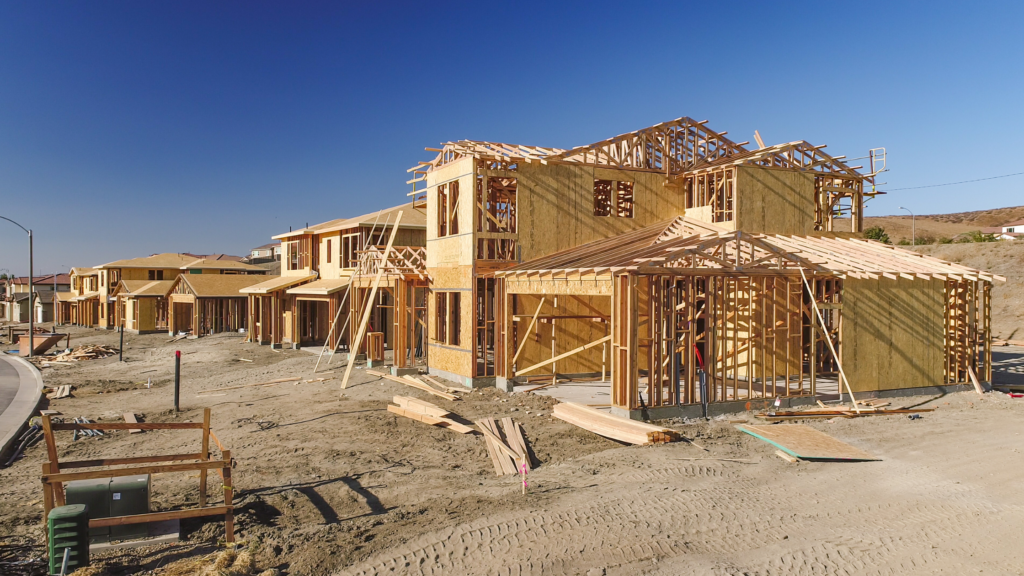
Housing shortages are already a significant problem in many parts of the country, and immigration crackdowns are making things worse. Cities are counting on a steady stream of new construction to slow down rent growth and expand housing supply, but when the labor force behind that construction becomes unstable, planned output starts to fall behind.
Labor shortages have a direct and measurable impact on housing supply. Fewer workers mean longer build times, which means fewer units get finished each year. Higher labor costs drive up the price of each unit, affecting both market-rate and affordable housing. And it’s publicly-funded projects that are most affected, because they’ve got fixed budgets and timelines tied to funding agreements.
In short, immigration crackdowns are having a devastating impact on American construction crews, slowly bringing U.S. housing projects to a grinding halt and sending costs through the roof in cities already struggling to meet demand for homes. Developers are taking a cautious approach. Some are putting new projects on ice until the workforce situation stabilises a bit, with a few delaying new starts altogether. Others are revamping their building plans to cut back on labor needs, often by reducing the number of units they’re building or simplifying interior finishes. But it’s the smaller outfits that don’t have a big safety net who are probably feeling the heat the most—many of them are already in a position where they can’t afford to keep going with their current plans.
We’re already starting to see the effects across the housing pipeline:
- Fewer projects are making it to completion once they’ve hit the permitting stage
- Lots of affordable housing projects are stalling because they can’t keep up with rising costs
- Rents are climbing as there just aren’t enough new homes coming on to the market to meet demand
- Existing homes are becoming even more sought after
When housing targets are missed, they don’t just improve on their own over time. The impact persists long after the initial delay, meaning fewer homes will be available in the future. For cities trying to get their housing markets under control, an unstable workforce is a nightmare for long-term planning.
The wider ripple effects for the economy and communities
But this doesn’t stop at the numbers in the housing market—it has a far-reaching impact on local economies, family finances, and even workforce development. In places with high immigration in the construction industry, lost income means less money is spent locally. And that’s a strain that shows up quickly in neighborhoods that are already struggling.
Housing affordability is worsening rapidly as supply tightens, making it harder for renters to keep up and for first-time buyers to get a foot on the ladder. Working families are the ones feeling the pinch most, especially those where a large share of their income already goes to housing. When new units don’t come online, even small changes in demand can drive prices up.
The construction industry itself is also taking a hit, and not just in the short term. As experienced workers leave the industry, there’s no one to pass on their skills to the next generation. Crews start to break down, and skills get lost. In the long run, it’s a disaster for job-site safety, work quality, and even productivity.
Research from the Marriner S. Eccles Institute shows that housing production is one of the less-obvious costs of immigration policy. When labor instability and construction grind to a halt, it has ripple effects throughout the local economy. Housing shortages get worse, costs rise, and it’s tough for communities to recover.
For architects, engineers, and builders, this isn’t just theoretical—it’s showing up in their day-to-day. Revised schedules, higher bids, redesigns, and tough talks with clients are now the reality. Housing goals rely on a stable workforce; without that, it’s back to square one.
Final thoughts
Housing goals in the U.S. depend on a stable workforce just as much (if not more) as on zoning reform or financing. The immigration crackdown has introduced a whole lot of uncertainty that construction crews and developers are struggling to come to grips with. Smaller teams, stretched-out schedules, and rising costs are all contributing to a slowdown in housing delivery in cities that need it most. For professionals in construction, architecture, and engineering, the bottom line is that understanding how labor policy affects what gets built is part of your job.
Want to stay on top of workforce trends and construction realities? Subscribe to the Under the Hard Hat newsletter and stay in touch with the issues that are shaping the industry.