Construction leaders, safety managers, and crews are facing new risks and new expectations as job sites grow more complex and harder to staff across North America. In 2026, safety trends in construction are being shaped by technology, data, and a stronger focus on worker well-being rather than mere compliance. This article covers the construction safety trends to watch in 2026 and explains why they matter on real job sites, right now.
Quick look
- Tech and data are leading the charge in construction safety for 2026, with AI monitoring, predictive analytics, and wearables becoming standard on job sites.
- Worker well-being is now central to safety, with mental health support, fatigue management, and inclusive PPE design being treated as critical risk factors.
- Automation and smart tools reduce high-risk tasks, from drones inspecting dangerous areas to robots handling repetitive or hazardous work.
- Safety culture drives recruitment and retention, as companies that prioritize safety attract and keep skilled workers in a tight labor market.
Construction safety trend #1: Safety wearables go mainstream
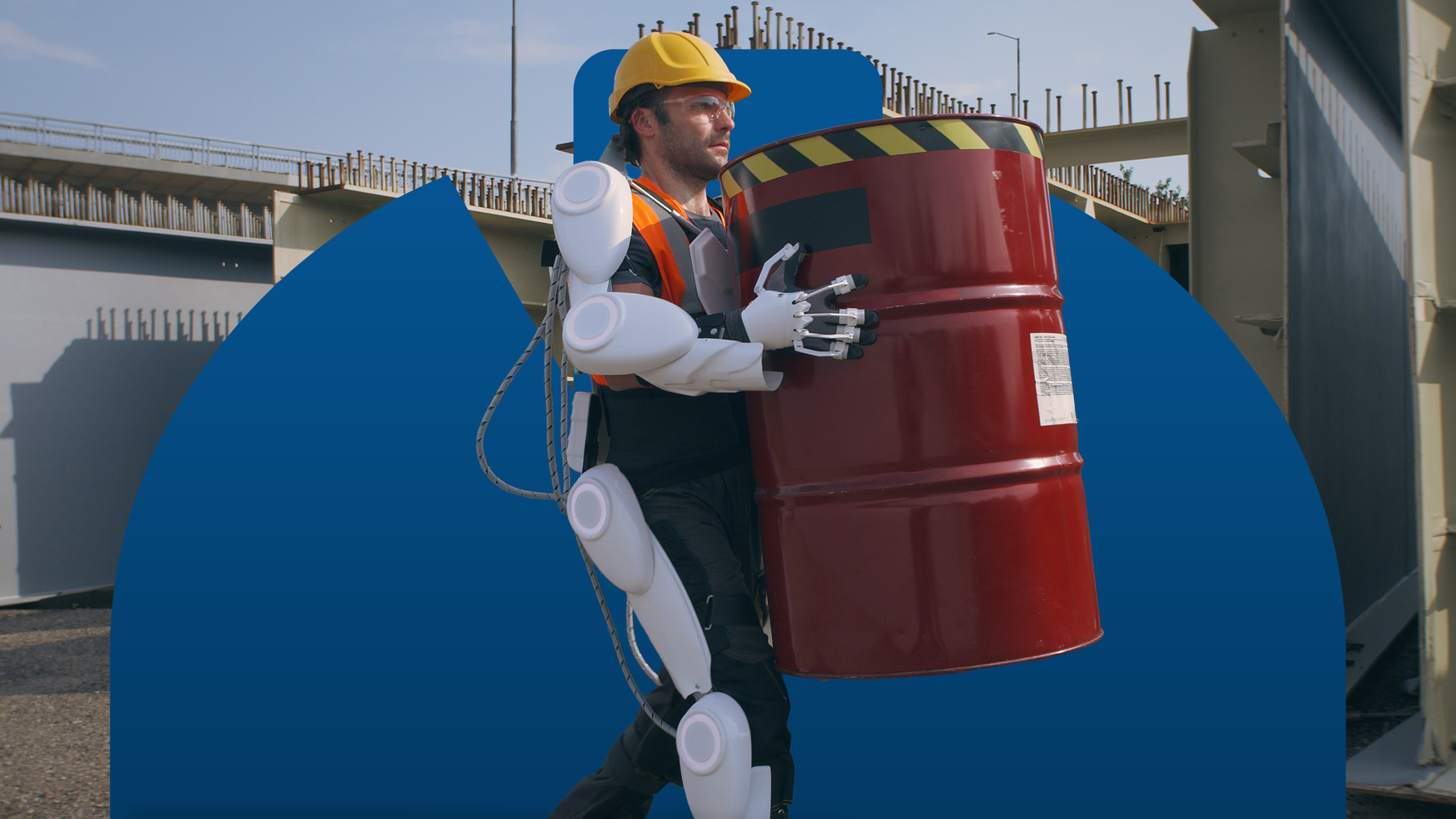
Safety wearables are smart devices that workers wear on their bodies or on their helmets to help detect hazards before they lead to injury. What started as trial projects at a few job sites is quickly becoming everyday use across the industry as employers look for new ways to protect people and prevent incidents. These devices can be simple, like wristbands that monitor heart rate and fatigue, or more advanced, like smart vests and helmets that track falls, heat stress, and even dangerous environmental conditions in real time.
Examples of wearables on job sites include:
- Smart helmets with sensors for impacts, heat, and fall detection
- Connected safety vests that monitor body signals and site conditions
- Wristbands that track fatigue, motion, and health signs
- Exoskeletons that reduce strain from heavy work
Smart safety gear is gaining traction as job sites become busier and companies seek to keep experienced workers safe and productive. Labor shortages and an aging workforce are pushing companies to adopt technology that helps keep workers safer and on the job longer. Insurance carriers and regulators are also encouraging the shift toward proactive safety tools that reduce costly claims and downtime.
The global market for construction wearable technology is growing rapidly, with projections suggesting steady growth as more firms adopt these tools to boost safety and compliance.
Construction safety trend #2: AI-powered job site monitoring
AI-powered job site monitoring is a new way to monitor what’s happening on a construction site without relying solely on people to do checks by hand. Using computer vision and machine learning, systems can watch video feeds or sensor data and spot risky situations in real time, alerting safety teams before problems lead to injuries. These smart tools look for things like workers without proper safety gear, unsafe behaviors, or people getting too close to heavy equipment and danger zones.
One big use of this technology is tracking personal protective equipment (PPE). AI can scan camera feeds to detect whether a worker is missing a hard hat, vest, or other essential gear, and send alerts right away so supervisors can fix the issue quickly. This helps improve safety compliance throughout the day, rather than only during scheduled inspections or manual walkthroughs.
A secondary use is monitoring proximity and unsafe movements. For example, AI systems have been used to detect when workers wander too close to heavy machinery or enter areas with falling-object risks. Real-time alerts help crews act fast and prevent injuries that humans watching screens might miss.
AI monitoring also reduces the need for people to stare at multiple screens or walk the entire site looking for hazards. Instead of relying solely on manual observation, teams can focus on mitigating risks and coaching workers, while AI handles the constant scanning in the background.
At the same time, companies are working to build trust and protect privacy. Clear policies on how video and data are used, and efforts to anonymize information when possible, help ensure workers understand and feel comfortable with this new technology on the job.
Construction safety trend #3: Predictive safety analytics replaces reactive reporting
In the past, safety in construction mostly looked backward at accidents and injury reports after they happened. That’s called using lagging indicators, and it tells you what went wrong, but not what might go wrong next. Now, predictive safety analytics uses leading indicators, such as near-miss reports, skipped inspections, or trends in worker fatigue, to forecast potential risks before they become real incidents. This shift helps safety teams stop problems early rather than only react.
Software tools gather large volumes of job-site data from sources such as near-miss logs, inspection reports, scheduling patterns, weather conditions, and even wearable devices. The analytics look for patterns and connections in that data to identify warning signs that a certain task, team, or time of day could be higher risk. In practice, this means safety managers can see predictive risk scores and receive alerts on where to focus prevention efforts, rather than only reviewing reports after someone is hurt.
One big advantage of this trend is prevention. When teams know where and when hazards are most likely to occur, they can adjust plans, enforce protocols early, or add training where it is needed most. This proactive approach is also drawing interest from insurers and risk modelers, who see predictive safety data as a way to tailor coverage, reward safer performance, and ultimately reduce claims and costs over time.
Construction safety trend #4: Safety software becomes a daily workflow tool
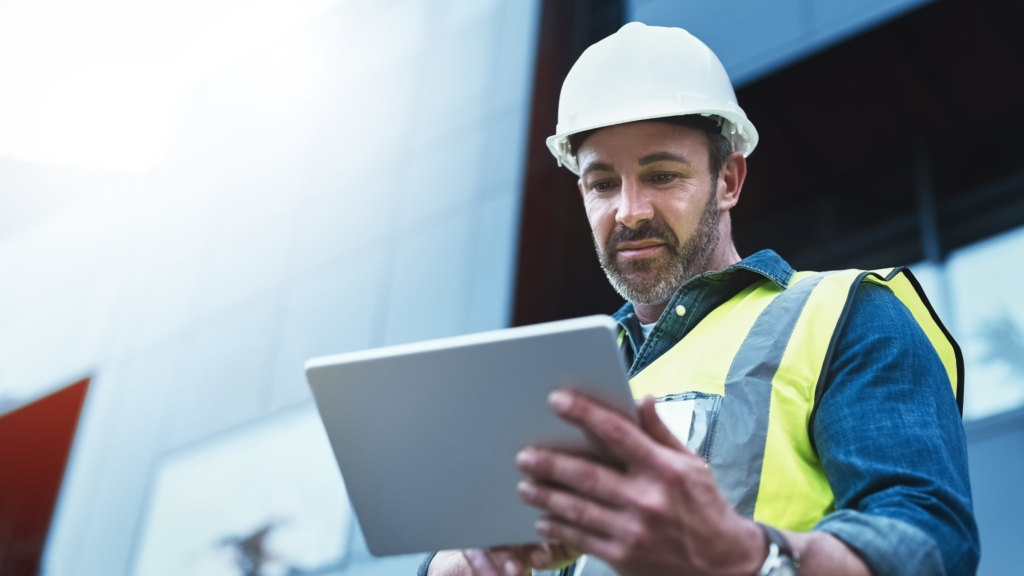
Safety software is becoming part of everyday work on construction sites, not a tool used only after an accident. Instead of keeping safety separate, many companies now use platforms that integrate safety checks with scheduling, payroll, job costing, and project management in a single system. When safety tools are built into the daily workflow, it’s easier for workers and supervisors to record hazards, track training, and follow procedures while they do their normal tasks.
A big part of this shift is mobile-first safety reporting. Workers can quickly submit observations, near-misses, or inspection forms on phones and tablets while still on the job site. This cuts down on paperwork and makes reporting more accurate because people don’t have to remember details later. Regular digital inspections and checklists also help projects stay compliant and organized, especially when multiple teams and subs are on the same site.
Disconnected safety systems, like separate spreadsheets, emails, and paper forms, are slowly being replaced because they make tracking information harder. When data is scattered, teams miss trends, waste time entering data twice, and important details can easily get lost. Integrated platforms keep everything in one place so managers can see patterns and act sooner to prevent injuries or delays.
Smaller and mid-sized companies are starting to adopt safety platforms as the tools get easier to use and more affordable through cloud-based subscriptions. As the industry looks to improve communication and efficiency across projects, integrated safety tech is becoming a key part of how firms of all kinds work every day.
Construction safety trend #5: AI-powered automation reduces high-risk tasks
AI-powered automation and robotics are moving off the factory floor and into real construction sites, where they can take over the toughest, most repetitive, and most dangerous tasks. Instead of asking crews to bend over all day tying rebar or handling demolition in unstable areas, robots and autonomous machines can do this work with greater precision and less risk of injury. For example, robots that tie rebar or handle material transport can work through heat, rain, and long hours without fatigue, lowering the chances of strains, slips, and falls.
Some construction robots are already in action. Rebar-tying robots automate bending and tying steel bars that form reinforced concrete, a physically demanding job that can lead to back and knee injuries when done manually. Autonomous earth-moving equipment can dig, grade, and move materials with minimal human oversight, reducing workers’ time near heavy moving parts. Remote-controlled demolition robots operate in hazardous environments, so people don’t have to be inside unstable structures, reducing risk to workers.
Taking these high-risk tasks off human to-do lists has a direct impact on safety. By reducing heavy lifting, repetitive motions, and proximity to dangerous machines, automation helps reduce musculoskeletal injuries and fall risk on busy job sites. That said, these systems aren’t plug-and-play. Crews still need training to operate and monitor automated equipment safely, understand how to work alongside robots, and maintain this technology. Adoption also requires updates to site protocols, new skills for operators, and thoughtful planning to make sure machines improve safety without creating new hazards.
Construction safety trend #6: PPE design focuses on fit, equity, and comfort
Personal protective equipment is only truly protective if it fits the person wearing it. That’s why more companies and manufacturers are moving toward PPE that fits a broader range of body shapes, sizes, and genders, rather than relying on one-size-fits-most kits built around outdated male measurements. When gear fits better and feels more comfortable, workers are more likely to wear it correctly all day long, which boosts safety on the job.
One part of this trend is designing PPE with gender-inclusive and body-diverse sizing in mind. Many female, non-binary, and smaller-framed workers report struggling to find gloves, helmets, harnesses, and boots that fit properly, leading to discomfort, slower work, and even safety hazards when gear doesn’t fit properly. Inclusive designs that accommodate real human variety help reduce those problems by improving mobility and confidence while minimizing trip hazards and gaps in protection.
Another trend is climate-adapted PPE that helps workers stay safe in extreme heat and cold, as well as in confined spaces. Construction work doesn’t stop for weather, but old gear can become stifling in summer or too rigid in winter, which drives workers to take it off or wear it improperly. Better materials and ergonomic designs help workers stay protected without discomfort, which directly improves compliance and lowers risk.
This focus on comfort and equality is rapidly becoming a safety priority. Workers are more likely to use gear consistently when it fits well and feels comfortable, and companies that update their PPE programs can help close long-standing gaps in access and protection across the workforce.
Construction safety trend #7: Drones become standard safety inspection tools
Drones are quickly becoming common on construction sites because they make it easier and safer to inspect hard-to-reach areas without sending people up ladders or scaffolding. These small unmanned aerial vehicles can fly over a job site to scan roofs, tall structures, and large open areas, capturing detailed images and video that help safety teams spot hazards early and plan safer work. Drones are also used to map ground conditions and monitor changes over time, giving crews a bird’s-eye view that’s hard to get any other way.
One of the biggest benefits of drones is keeping workers out of high-risk situations. Instead of a person climbing onto a fragile roof or navigating scaffolding to check for loose materials or unstable conditions, a pilot can fly a nearby drone to collect the same data from the ground. This reduces the risk of falls, slips, or other serious injuries and allows safety teams to focus on fixing problems rather than just documenting them.
The data that drones collect also supports better safety planning and audits. High-resolution photos and videos can be stored and reviewed later to track progress, verify that hazards have been corrected, and support compliance with safety regulations. Some drones even use advanced sensors, like thermal cameras, to detect problems invisible to the naked eye, such as heat stress points or moisture infiltration.
At the same time, companies must work within evolving regulatory frameworks for commercial drone use. Rules around pilot licensing, flight permissions, and data privacy vary by region and can affect how drone programs are designed and operated on construction projects. Staying up to date with these regulations helps ensure safe, legal use of drones on the job.
Construction safety trend #8: VR and AR reshape safety training
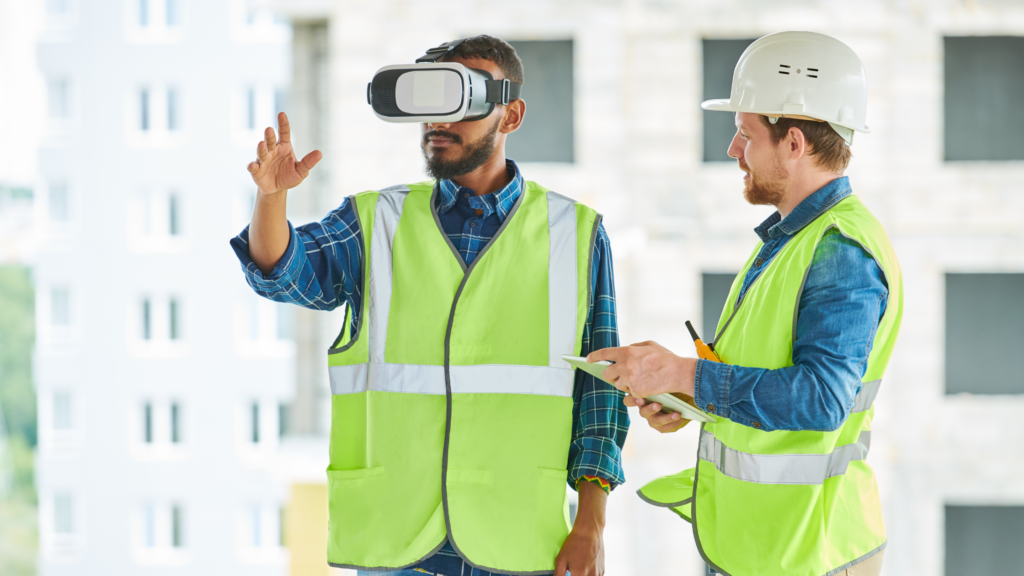
Virtual reality (VR) and augmented reality (AR) are changing how safety training happens on construction sites by letting workers practice real-world risks in safe, immersive environments. Instead of learning only from classroom slides or videos, workers can put on a headset or AR glasses and walk through scenarios that feel real but carry no danger, such as working at heights or handling heavy equipment. This makes training more engaging and better at helping people remember what to do when real hazards appear.
One major benefit of VR and AR is that workers can gain hands-on experience in high-risk situations without ever being in harm’s way. They can repeat tasks as many times as they need, build confidence, and learn proper responses before they ever step onto an actual job site. Trainers also find that these immersive sessions hold people’s attention longer than traditional methods, which helps with knowledge retention and engagement.
Companies use VR and AR for both onboarding new hires and refresher training for seasoned workers. A new employee can learn basic safety steps before their first day, while experienced workers can revisit complex procedures or emergency responses. Because the experience feels real and interactive, workers are often better prepared and make fewer mistakes when working on live projects.
Construction safety trend #9: Mental health becomes a formal safety priority
Mental health is finally getting the attention it deserves as part of overall safety in construction. Workers are more likely to face stress, fatigue, anxiety, and other mental health challenges on the job than in many other industries, and these issues can increase the chance of mistakes and injuries at work. Addressing mental health openly helps crews and leaders understand that stress and emotional strain are a real safety crisis.
One way this trend shows up on sites is through mental health toolbox talks, peer support programs, and leadership training that specifically focus on well-being. Toolbox talks geared toward mental health help break down the stigma and make it easier for workers to talk about stress, anxiety, and other issues in the same way they would discuss fall protection or equipment hazards.
There’s also a stronger connection between stress, fatigue, and incidents on the job. Workers who are burnt out or struggling with personal challenges may be less alert, slower to react to hazards, and less likely to follow safety procedures. By expanding safety programs to include mental health awareness and support, companies can help workers stay physically and mentally safe.
Construction safety trend #10: Real incident data drives policy changes
Construction companies and regulators are paying more attention to real incidents and near-miss data because it helps everyone learn from what’s actually happening on job sites. When serious incidents and close calls are reported and analyzed, safety teams can spot patterns that show where hazards are hiding and what changes are most effective at preventing harm. This transparency is slowly moving the industry away from waiting for accidents to happen and toward using real information to shape better policies and practices.
One big reason this trend matters is that data makes training and prevention more practical. For example, tracking near misses, events where an injury almost occurred, gives companies clues about weaknesses in procedures, equipment, or site layout before someone actually gets hurt. When organizations document and study these reports over time, they can adjust safety plans, update training, and fix risks that might otherwise go unnoticed.
Public and internal incident data also help safety professionals move beyond theory to practice by showing what works and what doesn’t in real job site conditions. This evidence can influence company policies and even industry regulations, pushing leaders to adopt better standards and build a stronger safety culture across projects.
Construction safety trend #11: Human factors and fatigue management
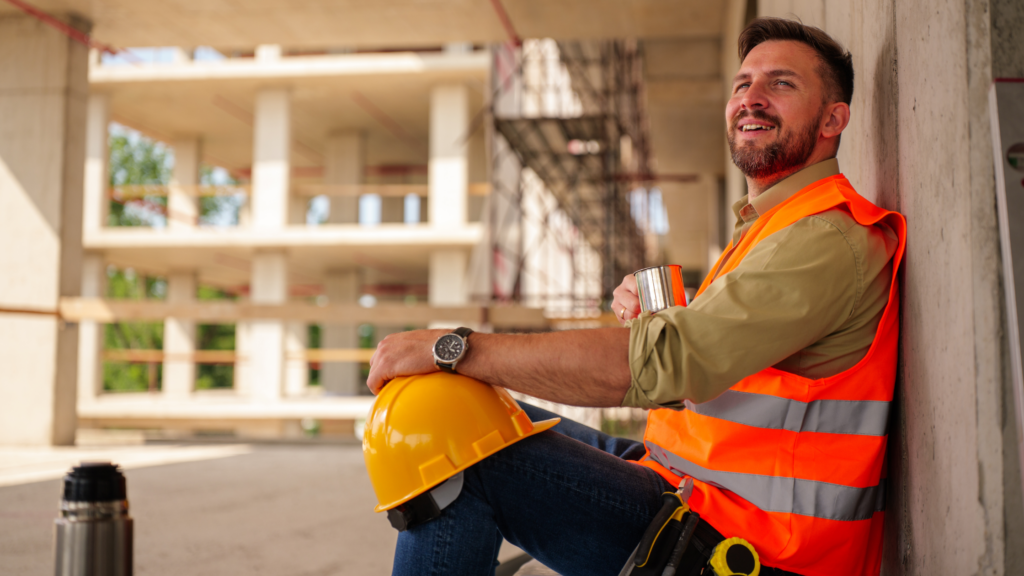
Construction safety leaders are paying more attention to human factors like fatigue, distraction, and stress because these conditions directly influence how people think, decide, and act on the job. Fatigue in particular isn’t just about being tired at the end of a shift; long work hours, irregular schedules, and lack of sleep can make workers less alert, slower to react, and more likely to make costly mistakes. Studies show that injury risk rises significantly during extended or night shifts, making fatigue one of the key human-related hazards to address in safety planning.
To manage this risk, more contractors are looking beyond simple hours-worked rules to fatigue risk management systems (FRMS) that consider scheduling patterns, workload, breaks, and recovery time as part of overall safety planning. These systems identify fatigue risks before they lead to incidents by looking at how work is organized. A strong FRMS helps companies plan shifts and rest periods so workers can stay alert and safe throughout their day, rather than pushing productivity at the expense of well-being.
Integrating fatigue and human factors into safety programs also reflects a bigger industry shift: productivity and safety are no longer treated as separate goals. When workers are well-rested and human limits are respected in planning and scheduling, teams are safer and more efficient. Addressing fatigue head-on helps reduce errors, supports better decision-making on the job, and creates a culture where safety and performance go hand in hand rather than working against each other.
Construction safety trend #12: Safety culture tied to retention and recruitment
Safety culture is a big reason workers pick one employer over another. Many skilled craftworkers and tradespeople now look at a company’s safety reputation before they decide to join or stay with a crew because they want to know they’ll be protected on the job. When a contractor builds a strong safety culture, it becomes part of their identity and helps attract talent in an industry where good workers are hard to find.
Leaders are learning that safety includes how people feel valued and cared for at work. Companies that talk openly about safety, invest in training, and follow through on protecting workers send a message that leadership actually listens. This makes safety part of the employer brand and strengthens trust, making it easier to recruit new people and retain the ones you already have.
There’s also a clear link between turnover, training gaps, and job-related risk. When workers leave often or crews are short-staffed, companies rush training or skip important refresher courses, which can lead to mistakes and injuries. A strong safety culture that supports consistent training, mentoring, and open communication keeps people safer and helps reduce turnover, building more stable, experienced teams over time.
Final thoughts
Safety trends in construction in 2026 are moving beyond rules and checklists and toward smarter prevention, better planning, and stronger support for workers. As technology improves and companies pay closer attention to real risks, safety is becoming part of daily work, leadership decisions, and long-term workforce planning. These trends show a clear shift toward protecting people before incidents happen and building safer, more sustainable job sites.
For more context, explore safety trends in construction to adopt for 2025.
Subscribe to our newsletter to keep up with emerging safety trends in construction and workforce technology trends.