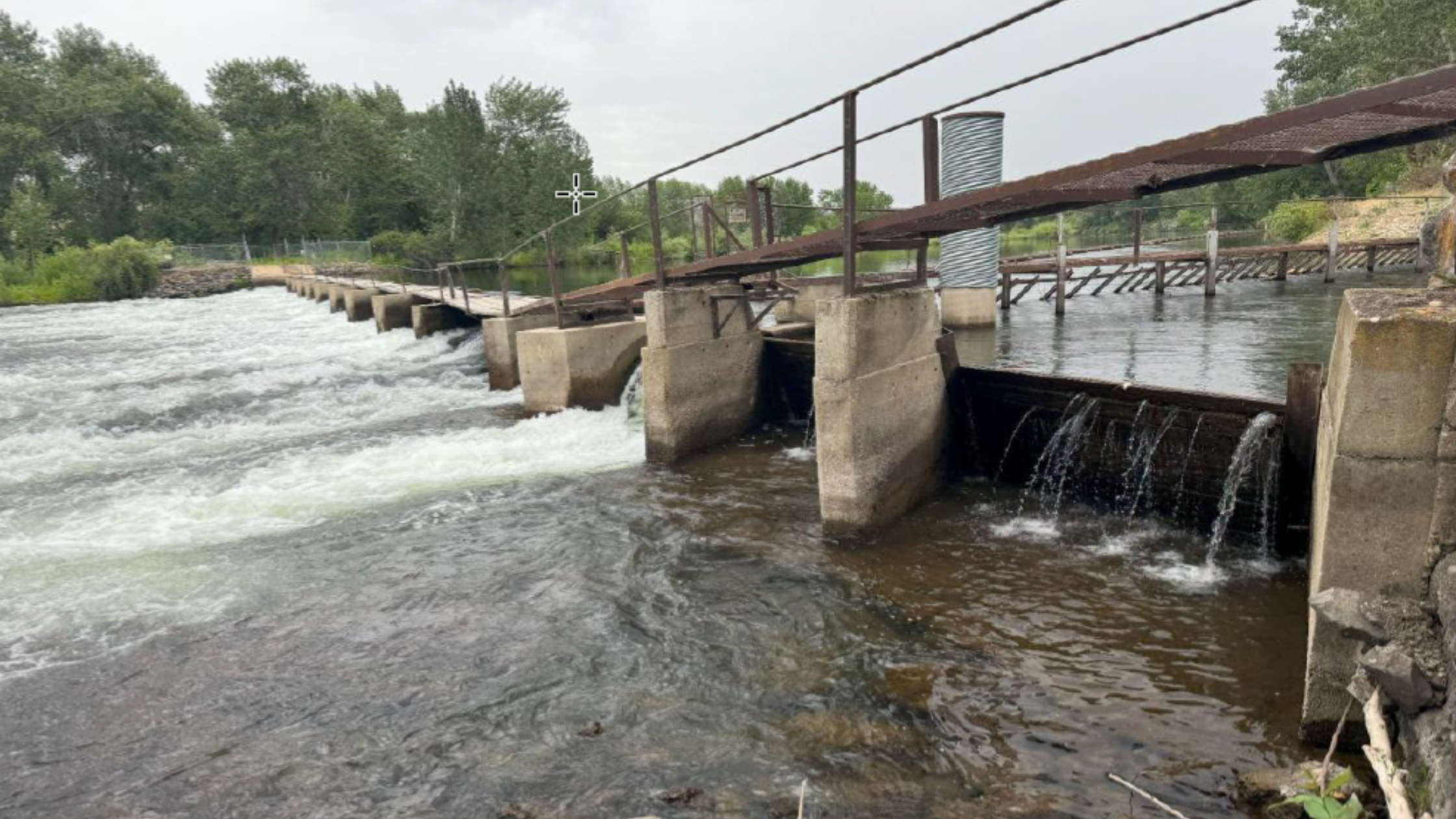
Idaho officials and irrigation leaders broke ground in mid-October on a new dam project along the Boise River. The roughly $20 million build is expected to take about two years to complete. By replacing a diversion structure that’s been in service for nearly a century, the Boise River dam project gives farmers and water managers greater control over water delivery and river flow.
Construction impacts and environmental concerns
People are poring over river flow charts and system upgrades, trying to get a handle on the whole project, but down on the ground, folks are far more interested in the jobs it’ll create and how it’ll pay off long term. The fact that operators, surveyors, concrete layers, welding teams, and inspectors can all secure steady on-site work is a real bonus. And this kind of job site doesn’t just need workers; it needs districts, contractors, and engineers coordinating with each other, with work stretching well into 2026. Local suppliers and small businesses across the valley will also benefit when crews need items such as fuel, lunches, tools, and parts.
Farmers and growers are watching this one closely for another reason. The new Boise River dam will help regulate water flow along the river, meaning some of the sharp fluctuations in spring runoff will be a thing of the past. When irrigation deliveries go haywire without warning, crops can struggle, and extra pumping adds to the farmer’s expenses, which are already thin margins in the Treasure Valley. More reliable deliveries give farmers the freedom to plan their seeding and watering schedules without being disrupted at the last minute when the river changes course.
Thousands of people pass by Barber Park and beyond when the weather warms up. With better control over river levels, float trips become much safer. Businesses such as outfitters, outdoor stores, and restaurants near launch points rely on that steady summer flow. A river that behaves is a river that keeps bringing in customers.
What people living nearby can expect
Construction isn’t going to be a quiet or invisible process—you can bet there’ll be big trucks rumbling in with materials all the time, and gravel pits will be busier than usual, with concrete pours beginning at dawn whenever needed. Neighbours who walk or bike near the Boise River dam site may need to take a detour or navigate around work zones when foundations are being laid or heavy equipment is moved. It may not be quiet all the time, but the noise brings a steady stream of paychecks for local workers.
And then there’s the fish and river habitat that is receiving significant attention. State and local water agencies are developing measures to minimize disturbances during construction, and residents who rely on the river for work and recreation have already proposed ideas for how construction should proceed.
This new Boise River dam is one of those projects that might not make national news, but it’s really important to the people who live around here. It’s providing work for crews, water for farms, and a river that’s stable enough to support local businesses and river access. Several people in the region are closely watching this project.
If you want to follow construction in Idaho and elsewhere around the world, sign up for the Under The Hard Hat Newsletter to get the latest in trade news, product comparisons, and wellness.