Based in Canada and working globally, Stantec designs everything from hospitals and transit systems to mixed-use towers and community spaces, all with a focus on people and place. Below, we’ve provided a curated look at some of Stantec’s most eye-catching past, current, and upcoming projects, and why they matter to the cities and communities they serve.
About Stantec
Stantec is a global design, architecture, and engineering firm based in Edmonton, Alberta, with offices and teams worldwide. The company supports projects across infrastructure, buildings, energy, and community development, helping cities and organizations plan, design, and build spaces people rely on every day.
Stantec combines architects, engineers, planners, environmental specialists, and designers under one roof. The company describes its work as providing the “expertise, technology, and innovation communities need” to address challenges such as aging infrastructure, population growth, and climate change.
With more than 32,000 employees working across more than 450 locations worldwide, Stantec supports public and private clients on projects ranging from hospitals and transit systems to energy facilities and mixed-use developments. At its core, the firm focuses on creating places that are built to serve communities over the long term.
Past, present, and future Stantec projects
Stantec Tower
Location: Edmonton, Alberta, Canada
Year built: Completed 2018 (office) and 2019 (residential)
Typology: Mixed-use skyscraper (office, residential, retail)
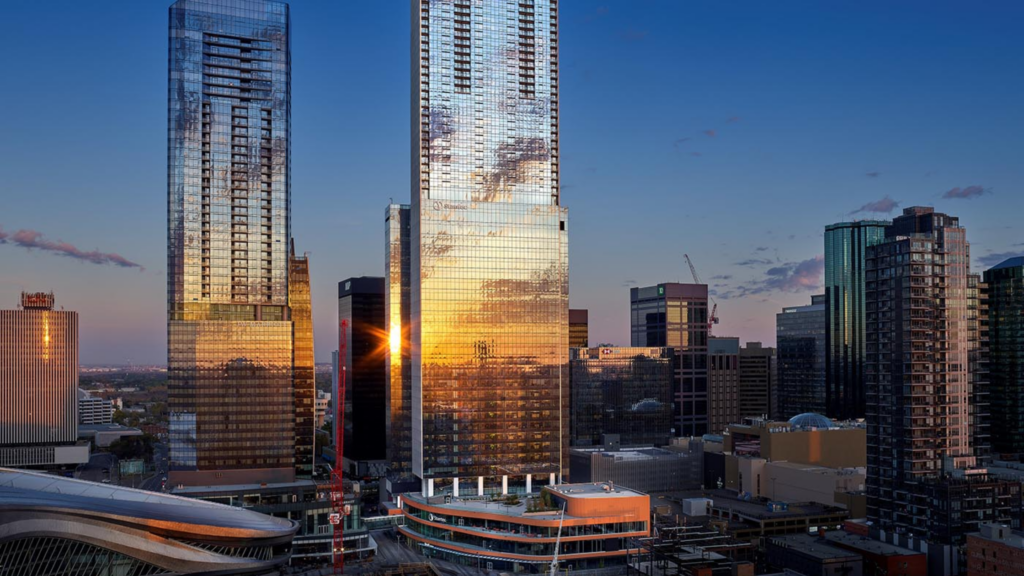
Stantec Tower is one of the most recognizable buildings in Edmonton and a clear statement piece for Stantec. Rising 66 storeys and roughly 251 metres tall, it is the tallest building in Edmonton and the tallest in Canada outside Toronto. The tower brings together office space, retail, and residential units into a single vertical community.
The building also serves as Stantec’s global headquarters, placing the company’s own teams inside a project that reflects its design values. Located in the heart of Edmonton’s ICE District, the tower has helped the area’s growth as a business, entertainment, and residential hub. Its scale, mixed-use design, and prominent location helped signal a new phase of downtown development.
Sustainability was incorporated into the project from the outset, with LEED Gold certification, and design choices focused on energy efficiency, occupant comfort, and long-term performance.
Cortellucci Vaughan Hospital
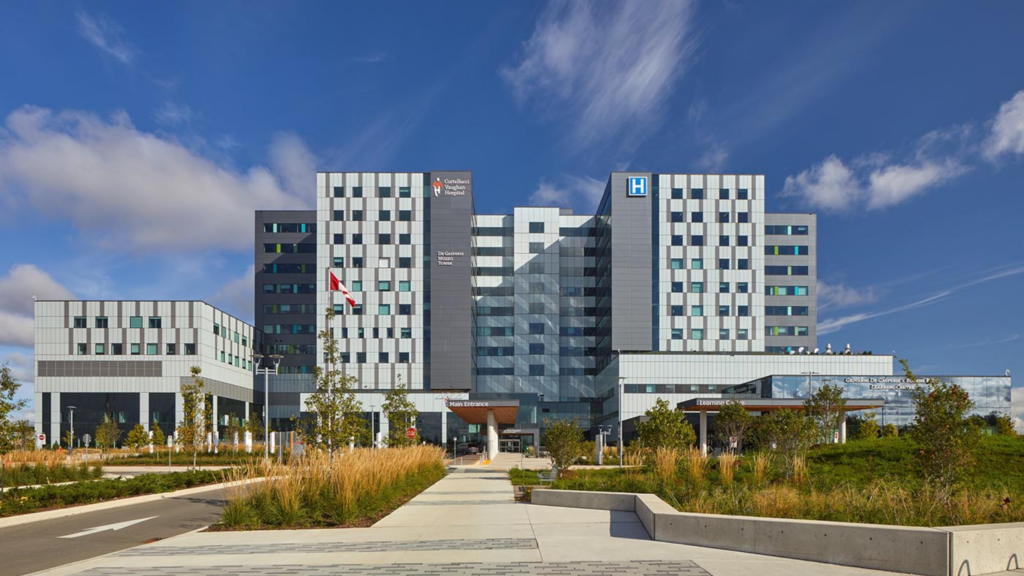
Location: Vaughan, Ontario, Canada
Year built: Opened 2021 (design and construction began mid-2010s)
Typology: Healthcare facility
Cortellucci Vaughan Hospital is a major new health care facility that brings modern hospital care to one of Canada’s fastest-growing cities. This 11-storey, 1.2-million-square-foot hospital opened its doors in 2021 and serves patients from Vaughan, Richmond Hill, and the surrounding areas of York Region. It is the first hospital ever built in Vaughan and one of the first net new hospitals in Ontario in more than 30 years.
Stantec was part of the design team that created spaces focused on healing and comfort. The project includes emergency services, diagnostic imaging, surgical care, intensive care units, and several private patient rooms, all built with natural light and thoughtful organization. Stantec’s team integrated technology and open spaces filled with natural daylight so that patients, families, and staff feel more at ease.
One of the features that helped this hospital stand out is its use of smart technology that enables medical systems to communicate with one another, improving patient care and workflow. The building also connects with its community outside through landscaped paths, green spaces, and areas for walking and rest.
When Cortellucci Vaughan Hospital first opened, it played an important role in supporting Ontario’s health system during the pandemic, and it now operates as a full-service community hospital delivering care across a wide range of specialties.
Bruce Power Refurbishment
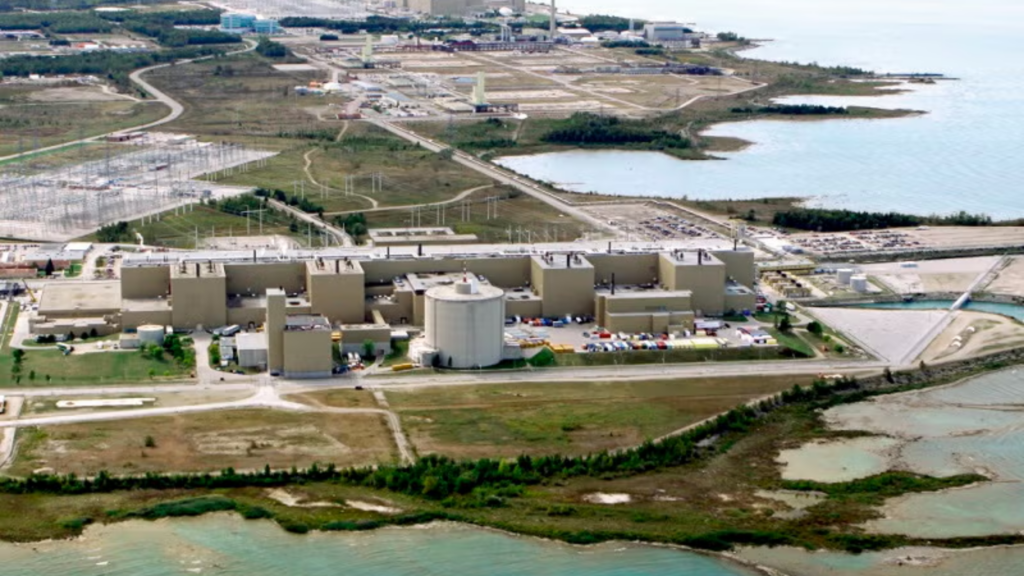
Location: Ontario, Canada
Year built: Ongoing (future phases through 2033)
Typology: Energy infrastructure refurbishment
Bruce Power Refurbishment is a huge, long-term effort to renew one of Canada’s biggest energy sources. At the Bruce Nuclear Generating Station in Ontario, operators are updating key components across multiple reactors to help the plant continue supplying clean, reliable power well into the 2050s and beyond. The work focuses on replacing major components in six of the station’s eight reactors, such as steam generators and pressure tubes, allowing those units to continue running safely and efficiently for decades.
Stantec is part of this massive project team, working on design and planning as part of a broader group of engineers and builders. Its involvement includes helping plan site buildings and support facilities that need to work well with the ongoing refurbishment and future operations.
The goal of this project is to support long-term energy needs, local jobs, and regional economic strength through a careful mix of engineering and construction services. Because the refurbishment spans many years and different reactor units, work will continue in phases until about 2033.
Ontario Line
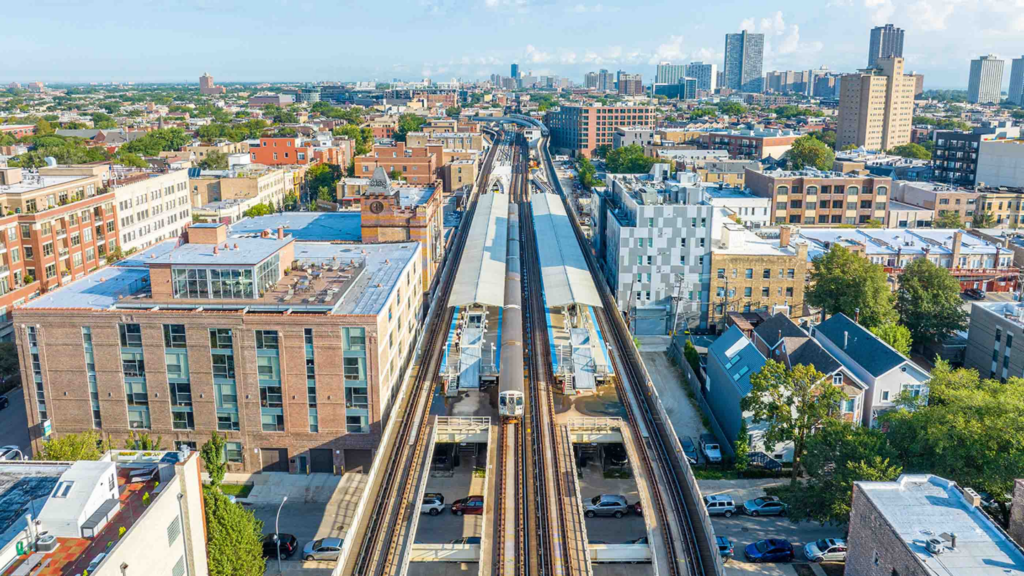
Location: Toronto, Ontario, Canada
Year built: Under construction (estimated completion 2031)
Typology: Rapid transit infrastructure
The Ontario Line is a major new rapid transit line being built in the heart of Toronto to give people faster, easier travel across the city. When finished, this 15.6-kilometre line will run from the Ontario Science Centre in the northeast to Exhibition/Ontario Place in the southwest, with 15 new stations linking to other subway lines, streetcar routes, and GO trains. This will help cut down on crowding, reduce travel times, and make everyday trips simpler for thousands of riders.
Stantec is part of a technical advisory team on this project, working with partners to support planning, design, engineering, and other technical services that help move the work forward. In this role, the team contributes to things like utility relocation planning, site layouts, road design, environmental planning, and project specifications for the Ontario Line route and station areas.
Construction is underway and, once complete, the Ontario Line will improve connections across Toronto’s transit network, reduce pressure on existing subway routes, and make it easier for people to reach jobs, schools, and other community destinations.
Réseau express métropolitain (REM)
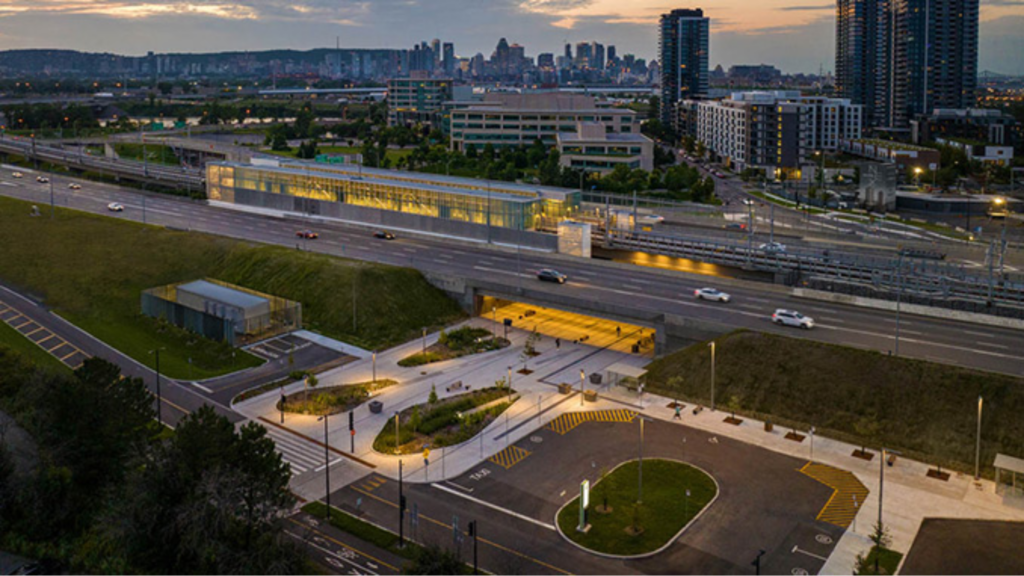
Location: Montréal, Quebec, Canada
Year built: Ongoing (expected to expand through the late 2020s)
Typology: Light rail transit network
Réseau express métropolitain (REM) is a new transit project transforming how people get around the Greater Montréal area. When complete, the REM will be a fully automated, all-electric light rail system stretching about 67 kilometres with 26 stations, linking downtown Montréal with the South Shore, West Island, North Shore, and Montréal-Trudeau International Airport. It is one of the largest automated light rail networks in North America.
Stantec’s teams are helping with engineering, planning, and environmental work on this project. They are designing systems such as lighting, drainage, bridges, civil structures, and support systems to help the REM function safely and smoothly. Their work has included multiple project phases, including sections that now connect the South Shore and the Deux-Montagnes branch to Montréal’s broader transit network.
The REM is already partially in service and being used by riders, and construction continues on more segments. Once finished, it will make trips across the region faster and easier and offer a modern transit option that connects many different parts of the city.
Hazel McCallion LRT
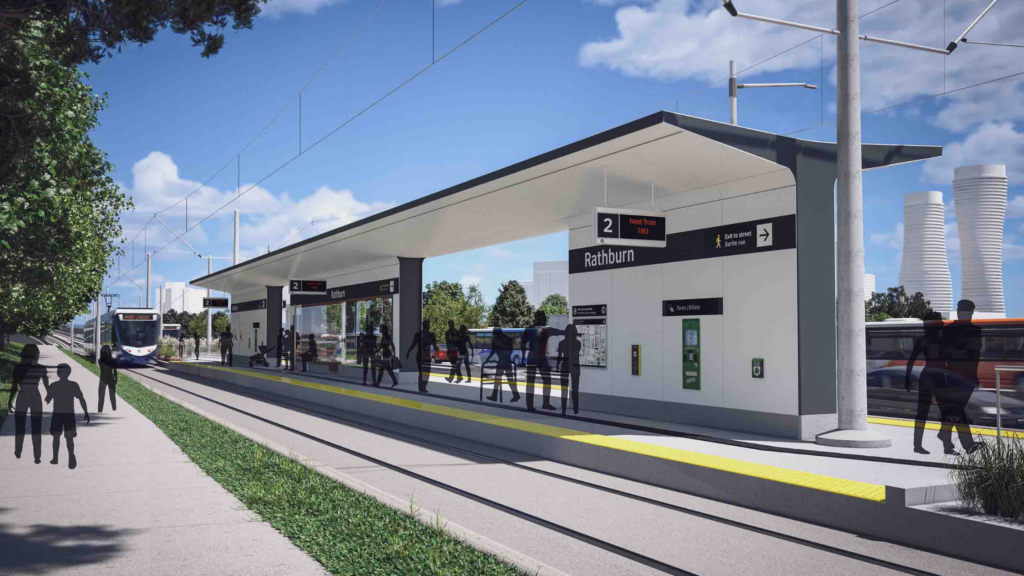
Location: Mississauga and Brampton, Ontario, Canada
Year built: Under development
Typology: Light rail transit
The Hazel McCallion LRT is a major public transit project aimed at improving travel along the busy Hurontario Street corridor. Once complete, the light rail line will connect Mississauga and Brampton, making it easier for citizens to travel between neighborhoods, job centers, and transit hubs.
Stantec is involved in the project through a technical advisory role, supporting planning, design coordination, and delivery. This kind of work focuses on making sure complex transit systems come together smoothly, from early construction through readiness for service.
By running largely in a dedicated corridor, the Hazel McCallion LRT is expected to offer faster and more reliable service than buses that share the road with traffic. The project also supports long-term growth goals in Peel Region by encouraging transit-oriented development and giving residents a more sustainable way to get around.
Scarborough Subway Extension
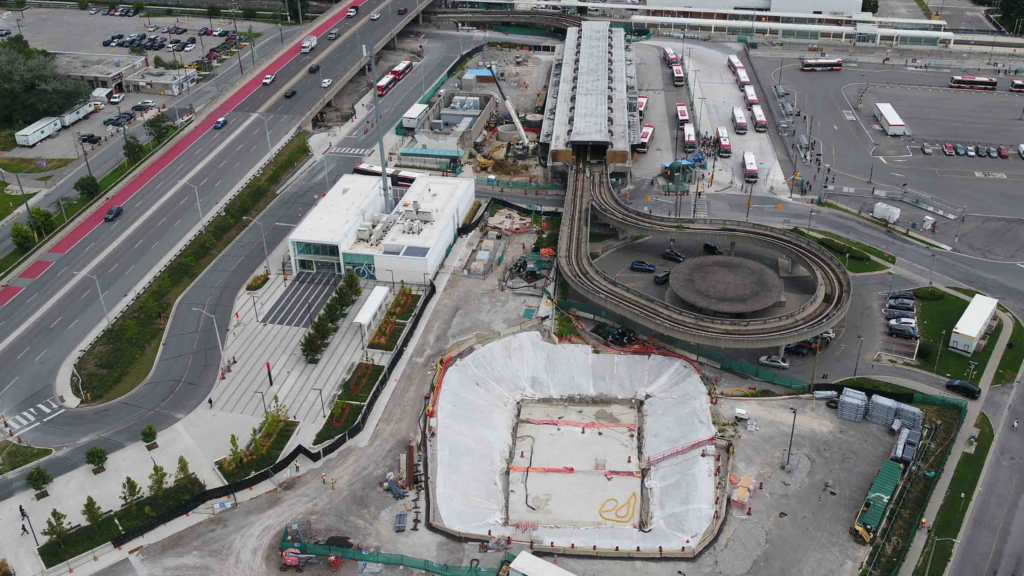
Location: Toronto, Ontario, Canada
Year built: In progress
Typology: Subway infrastructure
The Scarborough Subway Extension is a massive transit project that will extend Toronto’s Line 2 subway deeper into Scarborough, replacing aging rapid transit and improving access for growing neighborhoods. The extension is designed to increase capacity and shorten travel times, strengthening connections between Scarborough and the rest of the city.
Stantec is providing design and engineering support for the project, helping move this complex underground infrastructure forward. Work includes supporting station design, tunneling coordination, and systems planning.
Once complete, the Scarborough Subway Extension is expected to ease crowding on existing transit lines and provide more reliable service for daily commuters. It also plays a key role in Toronto’s long-term transit strategy by supporting future growth and making rapid transit more accessible to residents across the eastern part of the city.
100 Pier 4
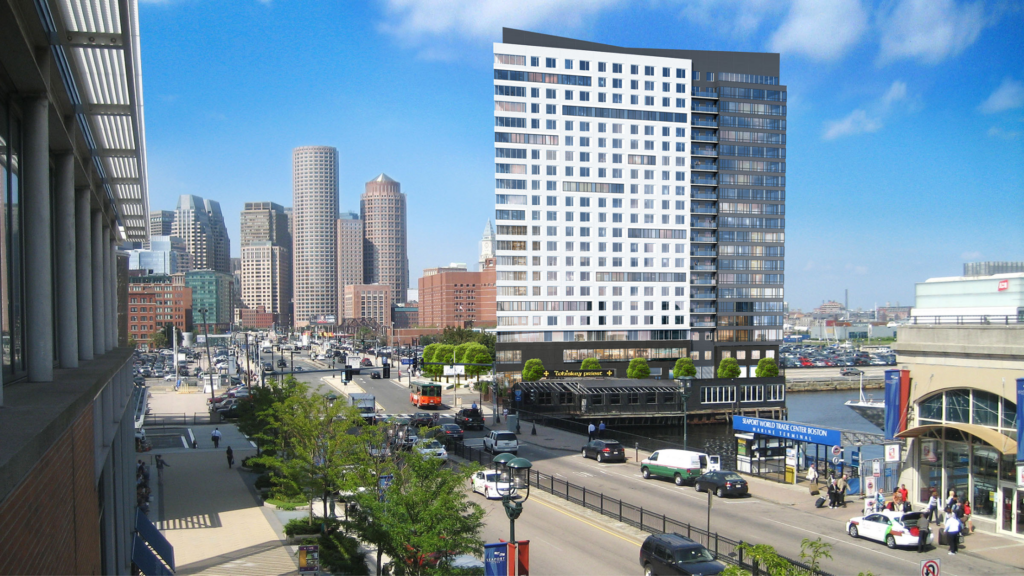
Location: Boston, Massachusetts, USA
Year built: Completed
Typology: Residential tower
100 Pier 4 is a modern residential tower located along Boston’s waterfront in the Seaport District. The building stands out for its sculptural shape, which is designed to capture sweeping harbor views while fitting into the fast-growing skyline around it.
Stantec played a key role in the building’s design, helping shape a structure that balances visual impact with everyday livability. The tower includes a mix of residential units and shared amenities that take advantage of natural light, water views, and outdoor space.
Because the building sits close to the harbor, resilience was a primary focus. The design accounts for coastal conditions and long-term durability, making it well-suited to a changing climate. Together, these elements make 100 Pier 4 a strong example of contemporary urban residential design in one of Boston’s most active neighborhoods.
Ollie at Baumhaus
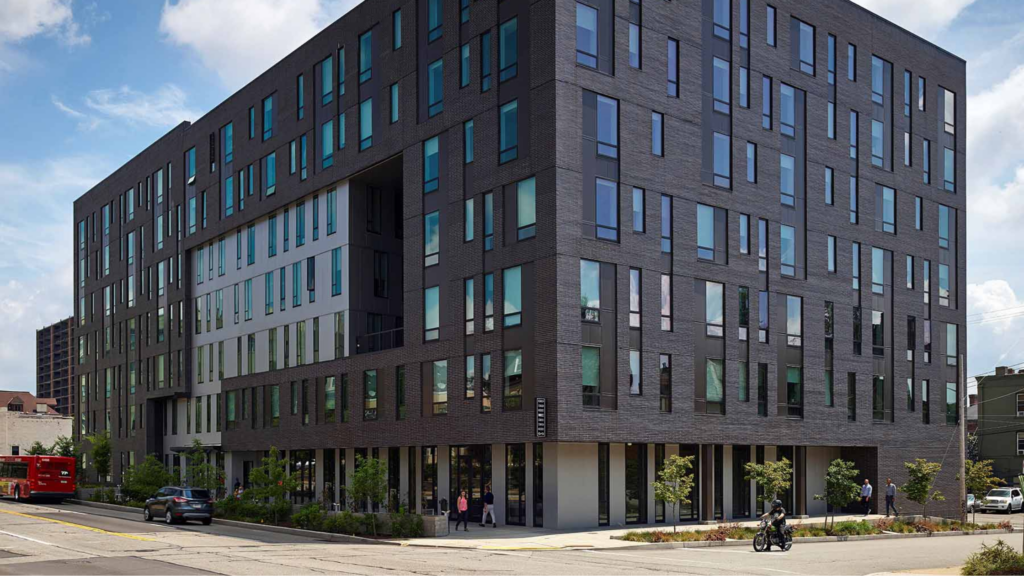
Location: Pittsburgh, Pennsylvania, USA
Year built: Completed
Typology: Mixed-use residential
Ollie at Baumhaus is a mixed-use residential project designed for people who want to live, work, and relax in the same neighborhood. Located in Pittsburgh, PA, the building combines modern apartments with shared spaces and amenities that support everyday life.
Stantec helped bring this project to life through thoughtful residential and urban design. The building features a rooftop garden and shared amenity spaces that encourage residents to spend time outdoors and connect.
The overall layout focuses on flexibility and comfort, making the building feel functional and welcoming. Ollie at Baumhaus reflects a growing trend in residential design that blends housing with lifestyle-focused amenities, creating spaces that support modern-day living.
Valley Line LRT
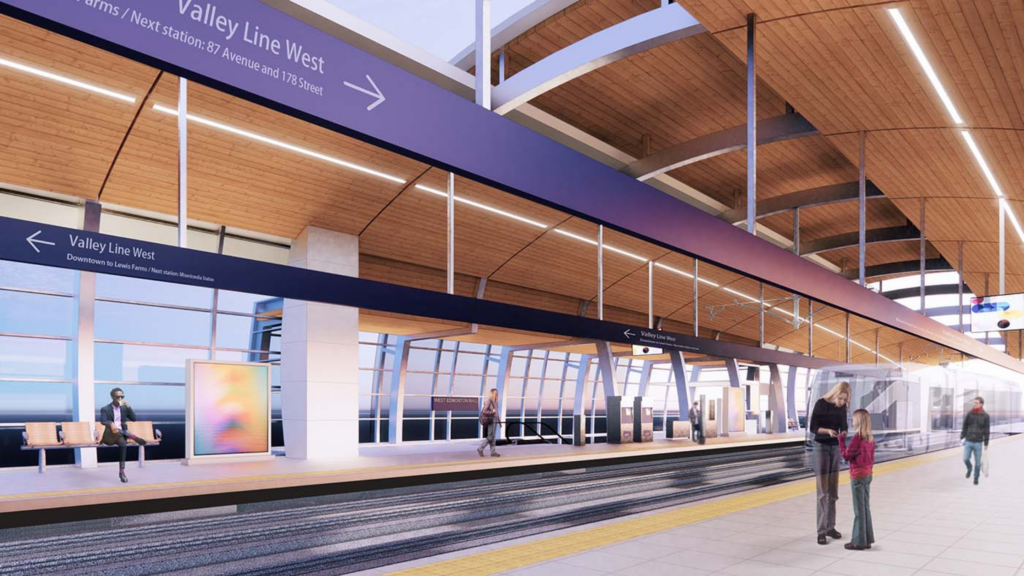
Location: Edmonton, Alberta, Canada
Year built: In progress (Southeast segment open; West segment under construction)
Typology: Light rail transit
The Valley Line LRT is a major public transit project designed to improve how people move across Edmonton. Unlike older LRT lines in the city, the Valley Line runs mostly at street level and is designed to better connect established neighborhoods with growing areas on both the southeast and west sides of the city.
Stantec is part of the design and engineering team supporting the project. Work includes civil engineering, urban design coordination, and transit planning with a focus on integrating modern rail infrastructure into busy city streets.
By bringing rapid transit closer to where people live, work, and shop, the Valley Line LRT supports long-term growth and more sustainable transportation. It also reflects a shift toward transit systems that are designed to blend into urban life, rather than run around it.
Want more spotlights like the Stantec projects? Subscribe to our newsletter for weekly stories on the people, projects, and ideas shaping the built world.