
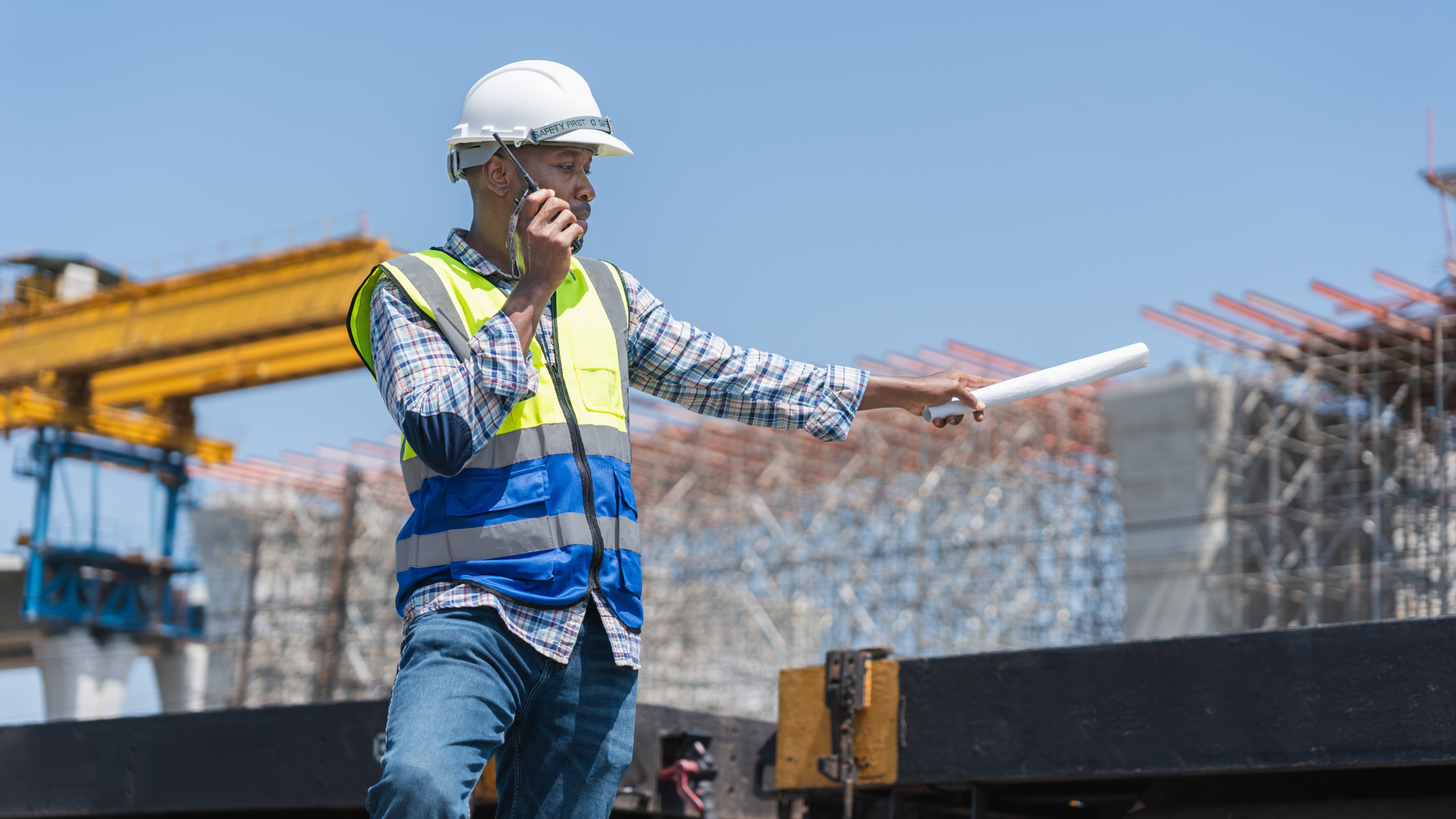
If you’re searching for how to become a site superintendent, you’re likely already familiar with the realities of construction work. As a site superintendent, you’re the person on the ground, making sure day-to-day operations at the jobsite are running smoothly, from keeping an eye out for safety hazards to juggling schedules and getting all the different trades on the same page. It takes years of getting your hands dirty in the field, making tough calls under pressure, and finding ways to keep projects moving forward despite all the unexpected twists and turns. In this guide, we’re going to break down the path to becoming a site superintendent in the US, step by step, and give you the lowdown on what employers are really looking for at each stage.
How long does it take to become a site superintendent
Becoming a site superintendent in the U.S. typically takes five to ten years of progressive construction experience. Most people spend their early years working directly in the field as laborers, apprentices, or tradespeople. That time builds a working understanding of how crews operate, how production actually unfolds, and how problems surface on site.
Of course, there are all sorts of variables that can speed things up or slow them down—the size of the company you work for, the type of projects you’re on, and how well you do at your job all play a role. Contractors with a lot of employees might have more of a structured career path than smaller outfits, with clear roles like foreman and assistant superintendent, where you can move up through. On the other hand, smaller contractors might be more likely to reward people who prove they are good leaders and reliable team players. While education or certifications can definitely help you get ahead, they won’t replace years of hard-won experience in the field.
Steps for how to become a site superintendent in the U.S.
1. Start with hands-on construction experience
Most site superintendents begin their careers working directly on jobsites. This can include laborer roles, apprenticeships, or skilled trade positions. Field work teaches lessons that can’t be learned from books, like how weather affects productivity, where delays really come from, and how crews move through a job day-to-day. This experience builds judgment, which is the foundation of good site supervision.
Spending time across different phases of construction also matters. Early exposure to excavation, structure, MEP rough-ins, and finish work helps you understand sequencing and trade coordination. Crews tend to trust supervisors who understand their work firsthand. That trust becomes essential once you’re responsible for the entire site.
2. Advance into a foreman or crew leader role
The foreman role is often the first true leadership position on a jobsite. At this stage, you move from executing tasks to directing others. You assign work, track progress, and solve problems as they come up. This role teaches accountability through practical application.
Foremen also work more with people than with paperwork, which sharpens their communication skills. Managing diverse personalities, addressing mistakes, and keeping teams productive prepare you for larger leadership responsibilities. Many superintendents point to this role as where they learned how to lead under pressure.
3. Learn to read and apply construction drawings and specifications
Site superintendents rely heavily on plans and specifications to accurately manage work. Reading drawings regularly helps you understand how designs translate into real conditions. Over time, you begin spotting conflicts between trades or details that won’t work as shown.
Understanding drawings also improves coordination with inspectors and project managers. It reduces guesswork and prevents rework. Strong plan-reading skills are one of the clearest indicators that someone is ready for site supervision.
4. Build field-based scheduling skills
Scheduling on a live construction site is different from scheduling on paper. Field-based scheduling teaches you how manpower, inspections, deliveries, and weather interact. Even minor disruptions can ripple through the schedule, and learning to anticipate those effects is critical.
Start by helping with look-ahead schedules and daily work plans. Watch how sequencing affects trade flows and safety. Learning this skill early helps you stay proactive rather than reactive later.
5. Take on safety responsibility early
Safety oversight becomes a major responsibility as you move toward site supervision. Site superintendents are responsible for enforcing safety rules and responding to incidents. This role carries legal responsibility and real human impact. Strong safety habits protect workers and the company.
Many employers expect OSHA 30-hour training. Learning how to conduct job hazard analyses and daily safety walks prepares you for superintendent-level accountability. A consistent safety record builds credibility fast.
6. Consider a bachelor’s degree (optional, but beneficial in some paths)
According to the Bureau of Labor Statistics, construction managers—under which site superintendents are often classified—typically hold a bachelor’s degree. In practice, many site superintendents reach the role through experience rather than formal education. The degree is common, but not mandatory, in most field-driven environments.
A bachelor’s degree in construction management, civil engineering, or building science can shorten the path to advancement at large commercial firms. It may be preferred for complex projects or corporate roles. That said, many employers accept equivalent experience in place of formal education, especially for candidates with strong field leadership backgrounds.
7. Move into an assistant superintendent position
The assistant superintendent role is designed to prepare you for full site responsibility. In this position, you may coordinate inspections, oversee subcontractors, and manage quality control. You begin making decisions independently while still receiving guidance.
Assistant superintendents often manage specific sections or project phases. This controlled responsibility builds confidence and judgment. Performance in this role is often the deciding factor for promotion to full superintendent.
8. Learn project controls and cost awareness
Although superintendents don’t usually manage budgets directly, field decisions affect costs every day. Learning how change orders, RFIs, and schedule delays impact budgets helps you make better choices. Understanding these relationships strengthens collaboration with project managers.
This awareness also helps you avoid decisions that save time in the short term but cause problems later. Contractors value superintendents who think beyond the immediate task.
9. Earn certifications that support advancement
Certifications can strengthen your resume, especially as projects grow more complex. Safety credentials and superintendent certifications help standardize knowledge and show commitment to the role. Some employers require formal training for large or public projects.
Choose certifications that align with the kind of work you want to do. Avoid collecting credentials without a clear purpose. Training should support daily performance, not just appearances.
10. Apply strategically for site superintendent roles
When applying for superintendent positions, focus on responsibility rather than job titles. Highlight project size, crew counts, safety records, and scheduling responsibilities. Employers want proof you’ve successfully managed complexity.
Interviews often include scenario questions. Be ready to explain how you’ve handled delays, conflicts, or safety issues. Clear, honest examples carry more weight than polished buzzwords.
Salary expectations for a site superintendent
In the United States, pay for site superintendents ranges from $75,000 to $120,000 per year. Assistant superintendents usually start off making somewhere between $65,000 and $85,000, but it really depends on which part of the country you’re in and how big the company is. Then you’ve got senior superintendents running major commercial, infrastructure, or specialty projects who are bringing home six figures—easily over $130,000 a year.
According to Indeed, the demand for site superintendents is holding steady across residential, commercial, and infrastructure projects. While pay can vary significantly depending on the specifics of the job, bonuses, overtime, and even travel pay are often part of the package. People with specialized skills, such as in healthcare, energy, or data centers, can command pretty high wages. If you’re looking to move up, roles such as senior superintendent, construction manager, or project executive are viable options.
Tips for success as a site superintendent in the U.S.
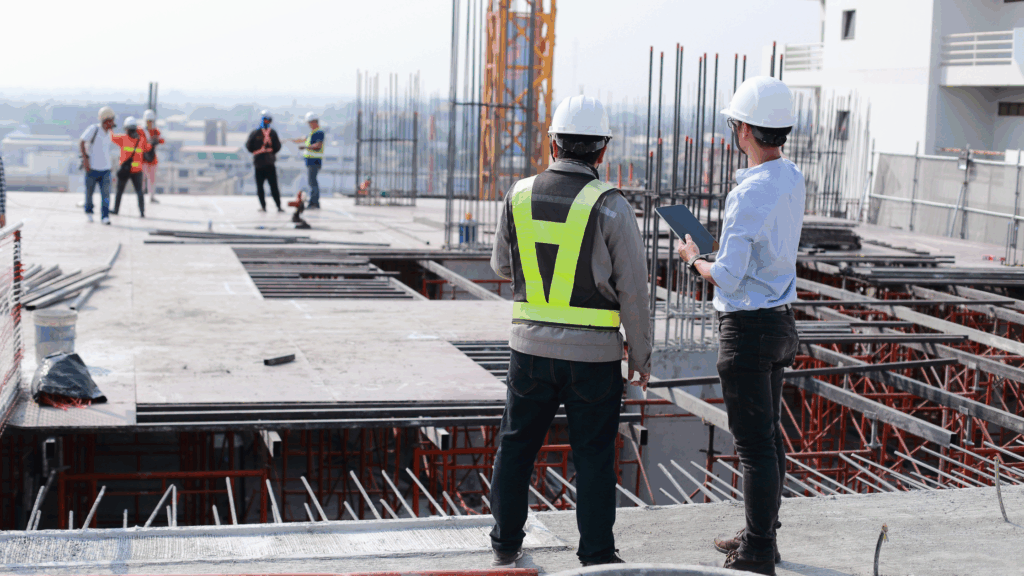
- Show up and be seen on site: That builds trust and lets you head off problems before they become major headaches. If the crew knows you’re on their side, they’re a heck of a lot more likely to respond to your leadership.
- Don’t overpromise and underdeliver: The minute you start overpromising, it’s easy to get yourself into trouble. Set realistic timelines, and you’ll keep quality up and morale high.
- Build relationships with your trades: A healthy dose of respect on both sides really can make a difference when things get tough. It reduces conflict and makes workflows run much more smoothly.
- Document everything: Clear records of what’s happening are lifesavers when disputes or claims arise. And let’s be honest, it’s much less stressful for you.
- Watch out for fatigue and stress: The minute you start burning the candle at both ends, you’re gonna lose your edge. Make sure you’re taking care of yourself so you can keep on delivering.
- Stay on top of the latest codes, methods, and tech: Things change fast in this business, and if you don’t stay current, your skills will get left behind.
- Talk straight with your team: Clear, calm instructions are the key to preventing confusion and earning your crew’s respect. Consistency counts.
- Plan your day and your week: By doing so, you can anticipate any problems that might come up, and you won’t end up getting caught flat-footed. A little organization goes a long way in keeping chaos at bay.
Is a site superintendent a good career?
For a lot of construction professionals, a career in site supervision is a real safe bet and offers steady career growth. The government and states continue to invest in new infrastructure projects, driving up demand for experienced site leaders who can stay on top of complex timelines and safety procedures. But there’s a catch: labour shortages in many regions are making it even more valuable to have a superintendent who can keep the crew productive and moving on jobs.
According to The BIRM Group, the demand for superintendents isn’t going away anytime soon, across residential, commercial, and institutional projects. This kind of role tends to suit people who like being in charge, who work well under pressure, and are happy to take the blame when things go wrong. That’s because site superintendents are often the calm in the eye of the storm when plans go awry or problems come up, which makes the role both influential and visible.
Working under tight deadlines or in the run-up to inspections can be pretty stressful for a site superintendent. But it’s also a real respect-builder; you’ll earn the respect of your crew, the owners, and your peers. Many superintendents value the balance between hands-on work and taking charge, without being stuck behind a desk all day. For those who want to stay in the field while advancing their careers, a career in site supervision can be a solid and rewarding path.
Final thoughts
Learning how to become a site superintendent is a long-term process built on experience and trust. It’s a role earned through steady growth, solid judgment, and leadership under pressure.
If you’re exploring related safety-focused paths, these resources may help:
- How to become a construction safety officer
- Prevent construction accidents and improve safety with job hazard analysis
For more construction career guidance and field-tested insights, subscribe to the Under the Hard Hat newsletter.