
Hariri Pontarini designs the kind of buildings you pass once—then turn around to admire. Their work is defined by confident scale, refined material choices, and a strong connection to the street. Here’s a look at 10 standout Hariri Pontarini projects that highlight the breadth of their portfolio, from high-density urban towers to bold, light-filled spaces that push architectural boundaries.
Hariri Pontarini
Hariri Pontarini Architects (HPA) is a Toronto-based architecture and urban design practice founded in 1994 by Siamak Hariri and David Pontarini. If you’ve spent time in Toronto, you’ve likely encountered their work. Their portfolio spans high-rise residential and mixed-use towers, cultural institutions, and large-scale master plans.
What sets the firm apart is its focus on the “in-between” spaces—the parts of a building people experience every day: lobbies, street edges, public walkways, and the precise way a façade meets the sidewalk. HPA consistently treats the public realm as integral to the architecture. Their towers often feature active, thoughtfully designed bases with meaningful retail, pedestrian connections, and landscape elements that strengthen the surrounding streetscape. The result is work that aims not just to shape skylines, but to contribute to the fabric of the city itself.
10 past, present, and future projects from Hariri Pontarini
1. Artists’ Alley
Location: Toronto, ON
Year built: 2025
Typology: Mixed-use residential and commercial towers
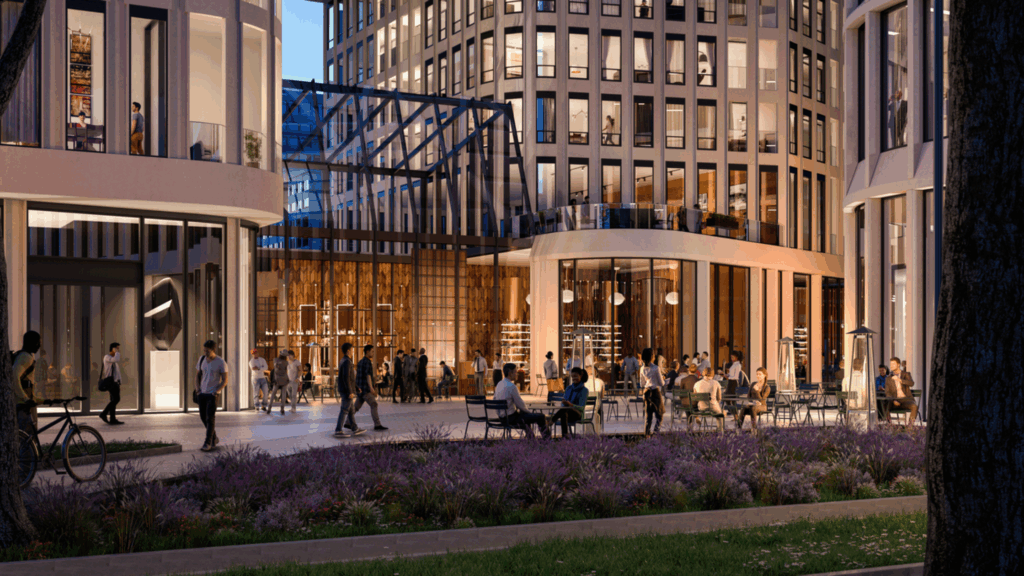
Artists’ Alley is the kind of downtown development that could have been purely transactional—three towers, a podium, and a sidewalk that people rush past. Instead, the whole thing was turned around by a single decision: designing the space so you can walk through it, rather than being funneled around it. That simple change turns the whole project on its head, making it feel integrated in the community rather than just a private estate. A little park tucked away off St. Patrick Street and some green space give this place some much-needed breathing room and inject a bit of humanity into the design. The ground-floor retail does its job here, keeping things lively at street level and avoiding the usual ‘dead zone’ effect, which turns so many of Toronto’s street-level developments into desolate wastelands.
2. 12 Ossington Avenue
Location: Toronto, ON
Year built: 2022
Typology: Commercial architecture
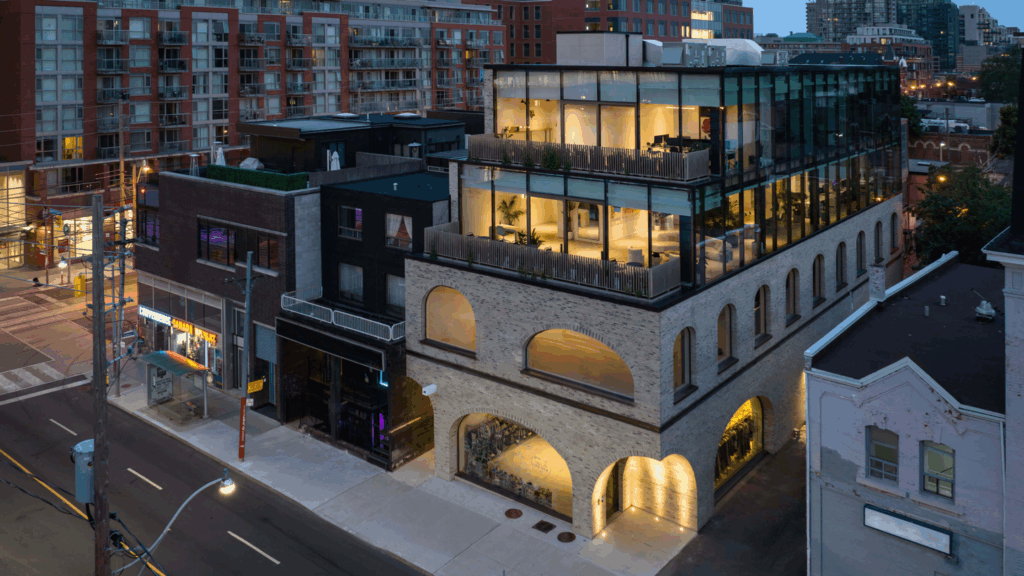
12 Ossington is a building that understands its street. Ossington has an eclectic, layered feel—old brick, patched storefronts, patios, and a constant flow of people—and a new commercial building here could easily feel too slick. HPA’s approach is restrained and confident, with a façade that’s layered and textural rather than a single sheet of glass. The proportions are tuned to the street, so it feels like part of the neighborhood rather than an outsider trying to “upgrade” it. The entry and ground floor are handled with care, which matters in a corridor where the sidewalk is the main public space. This project proves something Toronto forgets sometimes: you don’t need a tower to make a strong architectural statement.
3. OpenROM – Royal Ontario Museum transformation
Location: Toronto, ON
Year built: In progress
Typology: Museum entry and interior transformation
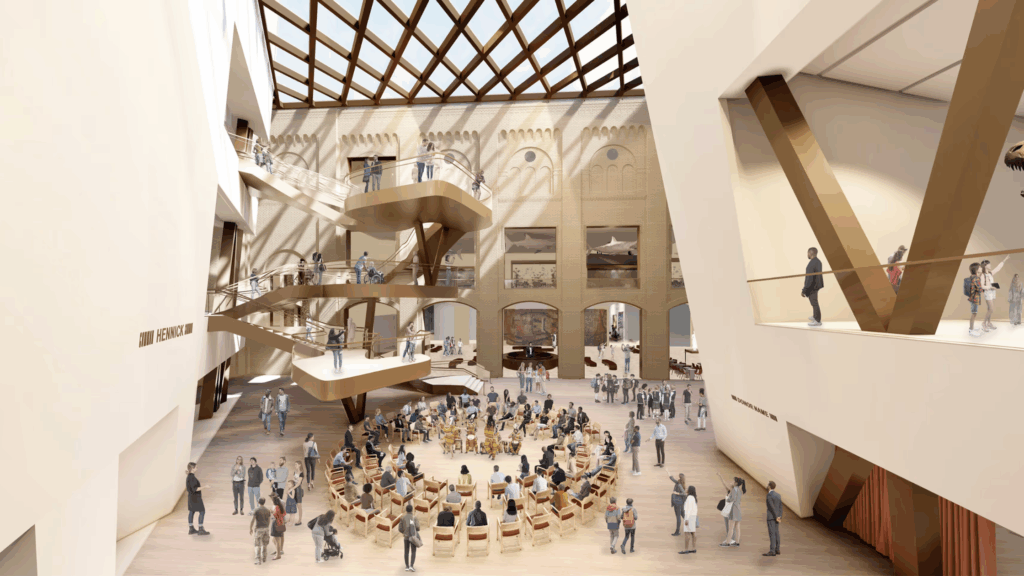
OpenROM is the kind of project that appears straightforward in a rendering but proves complex in reality. The Royal Ontario Museum is a layered institution, shaped by multiple architectural eras, and its ground-level experience has long felt fragmented and difficult to navigate. This transformation addresses that head-on, reimagining the main floor and Bloor Street entrance to create a clearer, more welcoming arrival sequence.
At the heart of the redesign is Hennick Commons—a luminous central gathering space that introduces much-needed daylight and provides immediate visual orientation. A new bronze canopy and expanded glazing further open the museum to the street, helping it feel connected to the city rather than sealed off from it.
4. College Park redevelopment
Location: Toronto, ON
Year built: In progress
Typology: Urban redevelopment, mixed use
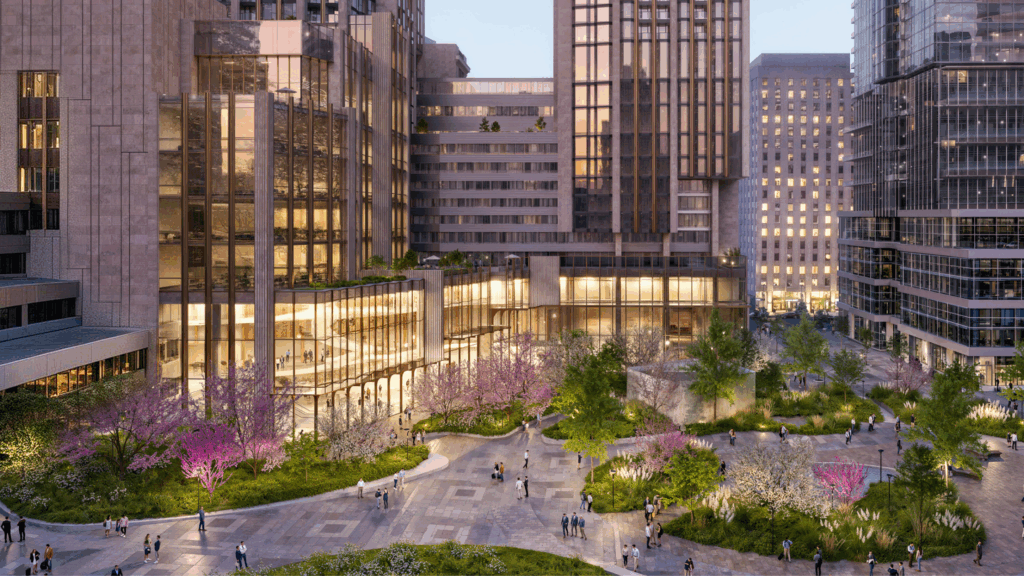
College Park occupies one of Toronto’s busiest intersections, yet for years its street presence has felt strangely dormant. The College Park redevelopment aims to change that by carefully restoring heritage elements while introducing significant new density—residential towers, office space, retail, and new public connections threaded through the site.
What matters most here isn’t the height, but the ground plane. The plan focuses on permeability and flow: reopening the historic arcade, introducing a public atrium, and strengthening links to transit to transform the block from a barrier into a connector. If executed well, it could become a benchmark for how Toronto handles high-density, heritage-sensitive redevelopment—proof that growth and public life can move in step.
5. Bahá’í Temple of South America
Location: Santiago, Chile
Year built: 2016
Typology: Religious/cultural architecture
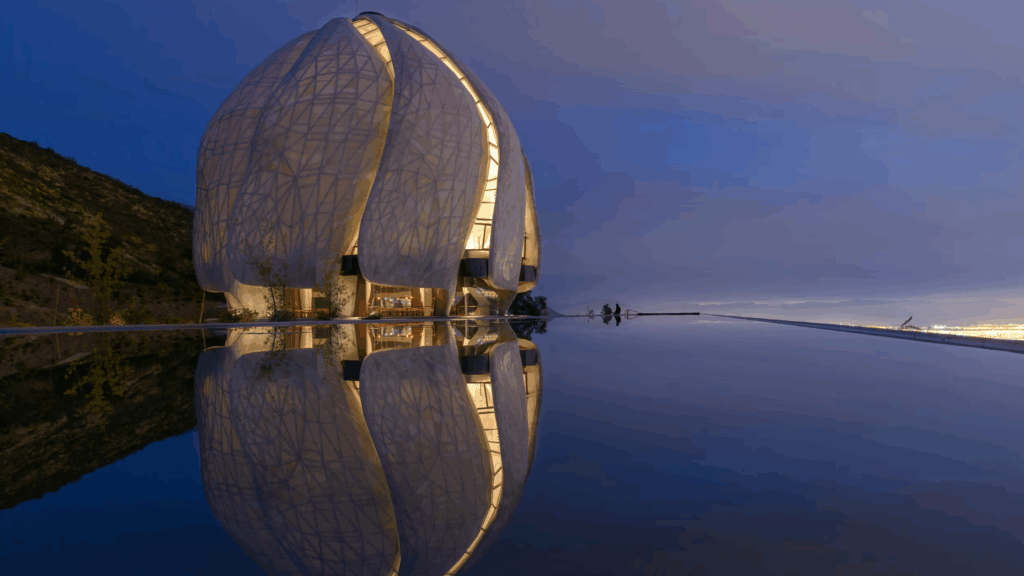
The Bahá’í Temple of South America is the project people point to when they want to talk about Hariri Pontarini as architects of atmosphere, not just city builders. The design is almost entirely about light: petal-like surfaces shaped in cast glass and stone that shift constantly with the time of day. Inside, the light is soft and diffused, and the space feels quiet without feeling cold or sterile.
The temple sits against the Andes, but the architecture doesn’t compete with the landscape—it stays calm and focused. At sunrise and dusk, the building takes on a glow that makes it look lit from within, exactly what the design aims to achieve. It’s one of the firm’s most internationally recognized works, and it’s easy to see why.
6. McMichael Canadian Art Collection redevelopment
Location: Kleinburg, ON
Year built: In progress
Typology: Museum expansion and redevelopment
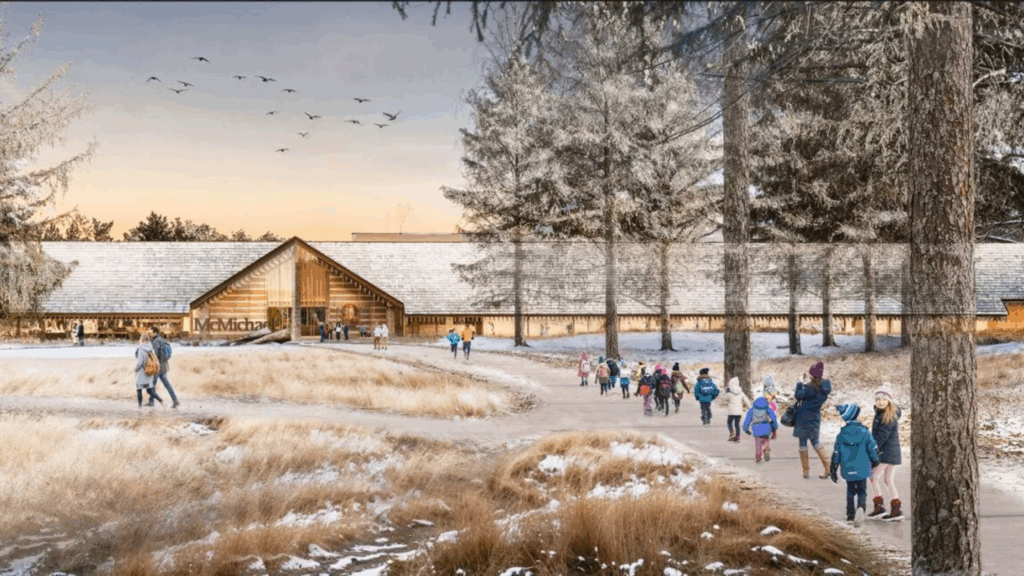
The McMichael redevelopment is a project where the site is as important as the building. The museum is nestled in the Humber River Valley, and its character has grown up alongside that landscape, with timber and stone reflected in its design. HPA’s expansion introduces much-needed space for exhibitions, education, conservation labs, and public programming—but the real challenge lies in seamlessly integrating these additions into the existing campus.
This project is ultimately about transitions: from inside to out, old to new, gallery to back-of-house. If they get it right, this redevelopment could turn the McMichael from a quiet “hidden gem” into a fully realized cultural campus—one that embraces its setting while expanding its reach.
7. Tom Patterson Theatre
Location: Stratford, ON
Year built: 2022
Typology: Performing arts theatre
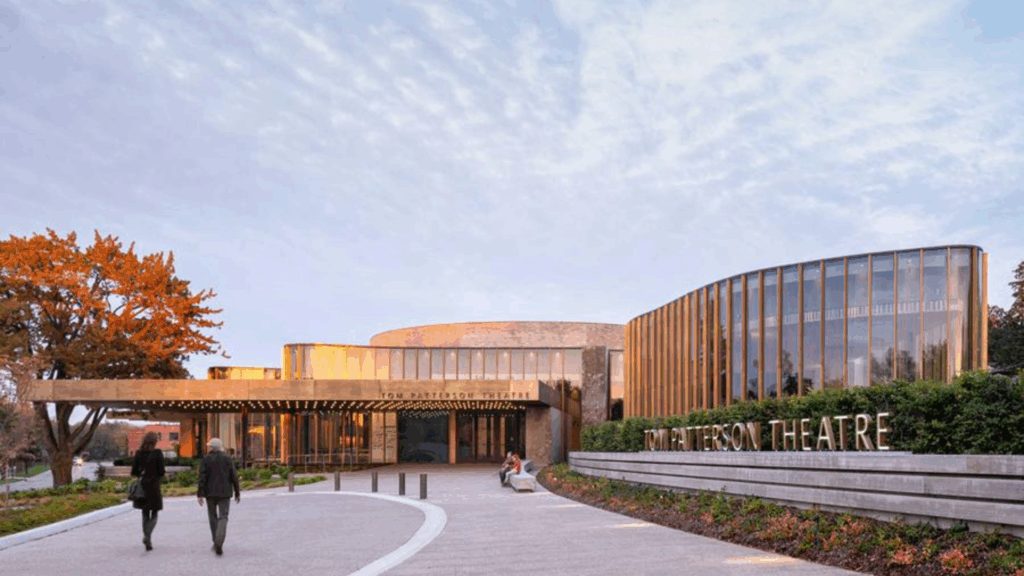
The Tom Patterson Theatre sits along the Avon River, and the redesign embraces that setting, treating the building as part of the riverfront rather than a standalone object. The exterior uses a bronze-toned screen and generous glass that shift the character based on weather and light. The entry sequence is intuitive and welcoming, and the public spaces are designed to feel intentional—places to linger, not simply corridors for intermission traffic.
Inside, the beloved intimacy remains. The horseshoe layout and thrust stage fully immerse the audience in the action, preserving the Stratford experience. Behind the scenes, upgraded technical and backstage systems ensure the theatre functions as beautifully as it looks. It’s a renewal that feels new without losing the spirit that made the original venue special.
8. St. Lawrence Centre for the Arts
Location: Toronto, ON
Year built: In progress
Typology: Cultural/performance centre renewal
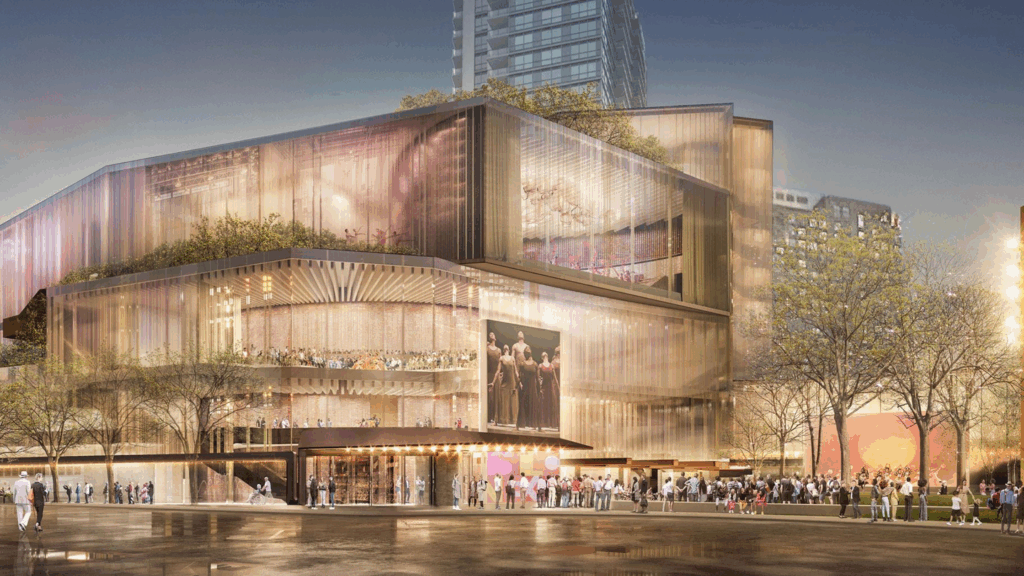
Renovating a performance venue is not just about cosmetics—it’s about making the building truly functional. The St. Lawrence Centre is a cornerstone of Toronto’s cultural landscape, but, like many older theatres, it struggles with circulation and accessibility, especially during sold-out performances.
HPA focuses on breathing new life into the theatre, from the inside out: improving traffic flow and reshaping public areas so they feel intuitive and welcoming. Projects like this are essential. Cultural infrastructure can’t just coast on charm and nostalgia alone—if you want a venue to thrive in a city for decades, it needs ongoing investment to ensure it works as well as it inspires.
9. Art Gallery of Ontario – South Entrance and Grange Park Pavilions
Location: Toronto, ON
Year built: Completed
Typology: Cultural/public realm improvements
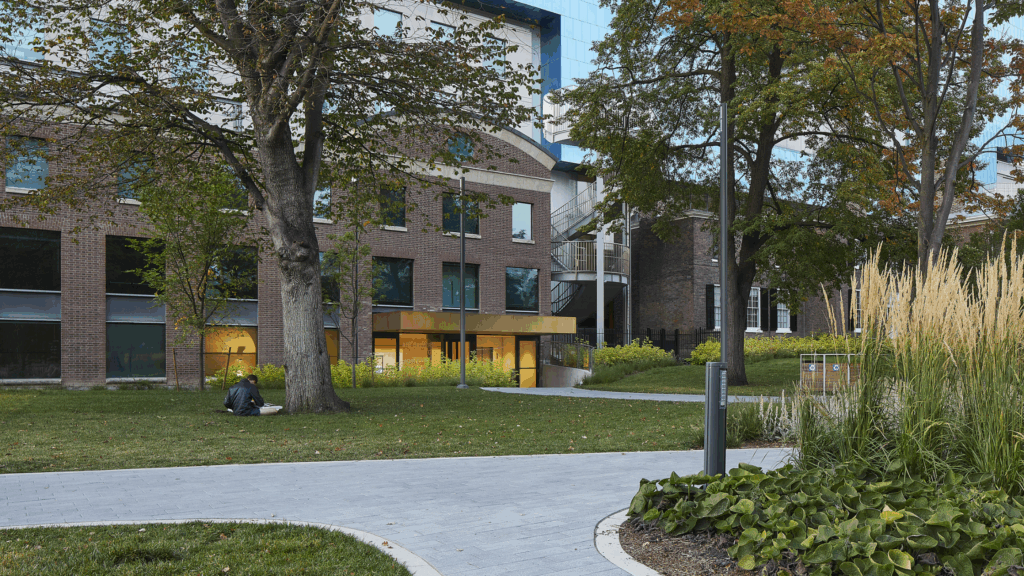
This project shows how thoughtful and deliberate renovations can dramatically shape public experience. For decades, the AGO, one of Toronto’s most iconic landmarks, has sat beside Grange Park with surprisingly little connection to it—present, but not fully engaged with its surroundings. The new South Entrance and park pavilions change that dynamic, making the south side of the museum a true front door and drawing the museum into the rhythm of the city.
Another impressive feature is how the design caters to a wide range of users—gallery visitors, families, students, and even commuters passing through the neighborhood. The AGO becomes not just another institution—it strengthens the public realm around it.
10. Canada Square Master Plan
Location: Toronto, ON
Year built: In progress
Typology: Mixed-use master plan and urban redevelopment
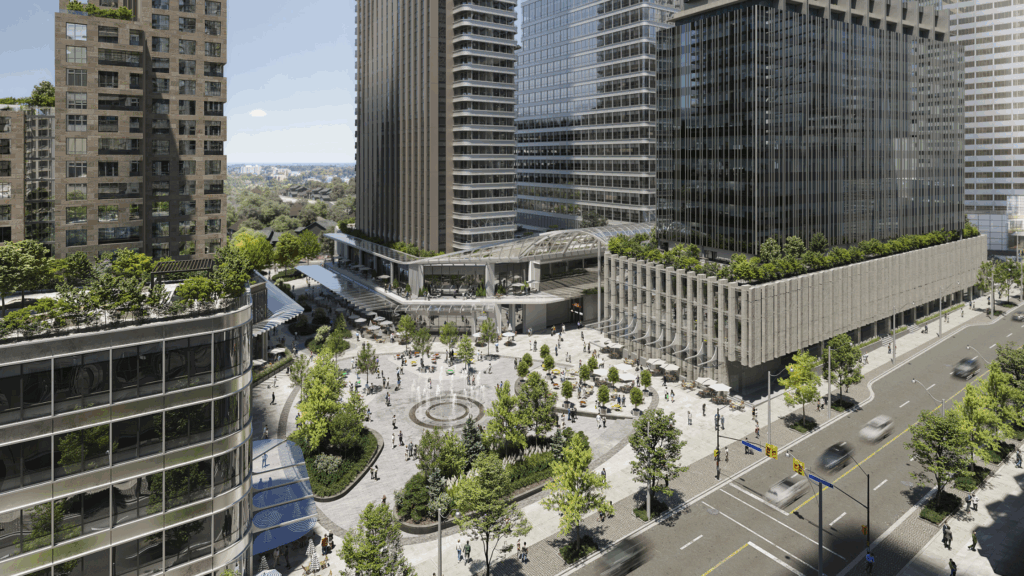
Canada Square earns its place on this list because of its location: Yonge and Eglinton, one of Toronto’s busiest and fastest-growing intersections. The goal behind the master plan is clear: take a site that’s been largely dominated by office buildings and a mall, and turn it into a real, mixed-use district where people can live, shop, and move around in a way that feels genuine and complete. New residential high-rises, a refurbished public space, and better access to public transit are central to the vision.
The real challenge here is scale. As a ‘superblock’, the area has often felt isolated—more like a private bubble than part of the city’s fabric. The plan is to break that down and create some permeable and personal—places that areuseful and inviting.
Final thoughts
Hariri Pontarini projects are a great example of how architecture is about more than just putting up “pretty buildings”. It’s about getting the basics right: how a place works at street level, how it ages over time, and whether people feel welcomed. Across their 10 projects, there is a clear focus on public spaces—how buildings sit at the sidewalk and how pedestrians move through a site. Even in their dense skyscraper work, the base is treated as an integral part of the building rather than an afterthought. In landmark projects like the Bahá’í Temple or OpenROM, that same attention to detail extends to light, materials, and that all-important “wow” feeling that greets visitors inside.
If you want more project spotlights like this—plus construction, architecture, and design stories worth reading—subscribe to the Under the Hard Hat newsletter.