Safety training and high-tech gear have improved a lot over the years, but many workers still take unnecessary risks on the job every day. This article explores the hidden mental triggers that lead to these choices and how certain jobsite cultures can actually push people to cut corners. By understanding the psychology of risk taking behavior, we can build a better safety mindset that protects every member of the crew.
What risk-taking looks like in construction
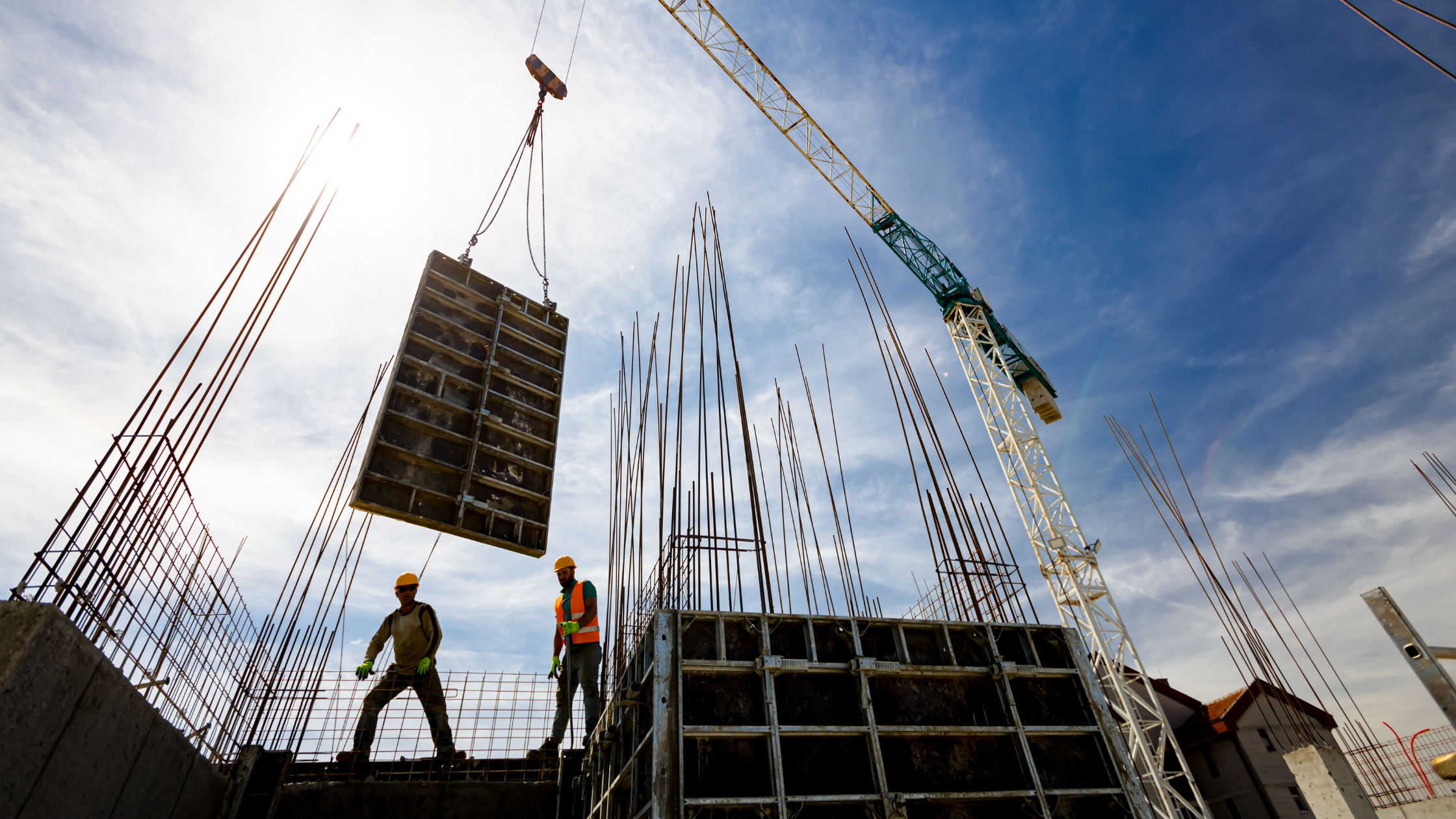
Taking a risk isn’t always a loud or obvious choice,, like standing on the top of a wobbly ladder or on the edge of a building. In construction, it often shows up in small and quiet ways that feel harmless in the moment but can have serious repercussions.
- Skipping PPE: You might think you’ll be fine without your safety glasses or gloves just this once because the task will only take a few seconds.
- Taking shortcuts: This could mean skipping a step in a safety inspection or using the wrong tool for a job because the right one is all the way across the site.
- Overconfidence: After doing the same task a thousand times without getting hurt, it is easy to assume that nothing will ever go wrong.
- Pushing through: Many pros try to work through extreme fatigue or heavy pressure to meet a deadline, even when they know their focus is fading.
Research shows that these behaviors are often tied to how our brains process danger and rewards on a busy jobsite.
What happens in your brain during risk-taking behavior
Taking risks on the job activates a complex tug-of-war inside your brain. It is a constant battle between seeking a reward and staying safe. Here is how three key areas of your head work together to help you make a split-second decision:
- The reward center (striatum): This part of your brain is driven by dopamine. It is the voice in your head that focuses on the win, like finishing a job early or hitting a big milestone.
- The fear center (amygdala): This is your internal alarm system. It highlights the potential dangers of a situation and tries to keep you from taking a gamble that could lead to an injury.
- The rational center (prefrontal cortex): Think of this as the site supervisor of your brain. Its job is to look at the facts and make a logical choice.
In high-reward situations where things are uncertain, parts of your brain, like the medial orbitofrontal cortex and the caudate nucleus, step in to weigh the potential gains. Sometimes, these areas can actually overpower your rational center. This explains why even the most experienced veteran might occasionally take a shortcut when the pressure is on to get the job done.
Why risk-taking happens
There are several psychological reasons why even the most experienced pros make risky decisions on a daily basis. Our brains are designed to find the fastest way to do things, which can sometimes lead to dangerous mistakes.
- Familiarity bias: When you do the same job every day without having an accident, your brain eventually stops seeing the danger. You become numb to the risk because nothing bad has happened yet.
- Time pressure: Construction is a fast-paced industry driven by strict deadlines. When workers feel they’re falling behind schedule, they often prioritize speed over safety protocols to keep the project moving.
- Peer pressure: If the rest of the crew is cutting corners to get the job done, it’s hard to be the only person who stops to follow every single rule. Nobody wants to be seen as the person slowing down the team.
- The invincibility mindset: Many people naturally believe that bad things only happen to others. This makes it easy to think you’re the exception to the rule.
The role of environment and construction culture
Even with the best safety equipment in the world, incidents still happen because of the unwritten rules of a jobsite. If a company only rewards speed and finishing early, it unknowingly pushes people toward risky behavior.
In some construction cultures, asking for help or stopping work because of a safety concern is seen as a sign of weakness. This kind of environment makes it difficult for even the most careful workers to stay safe every time. When the site’s culture values toughness over safety, the risk of serious injury increases for everyone.
The operational drain: Why one risk stops the clock
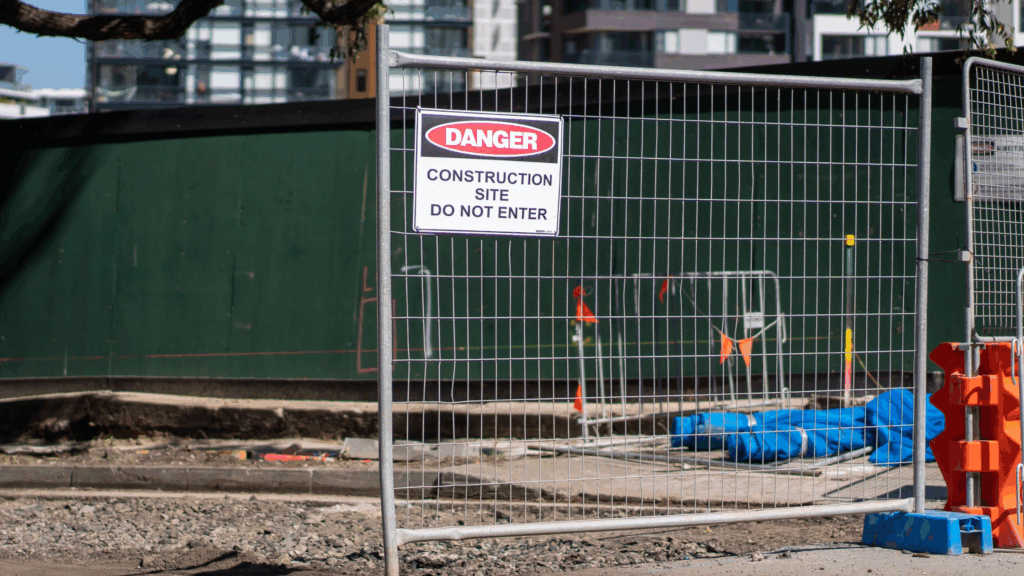
When the brain’s reward center wins and a worker takes a shortcut, the operational fallout affects the entire crew, not just the individual. It creates a domino effect that can stall a project for days or even weeks.
- The investigation freeze: After an incident caused by risky behavior, the site often goes into a total lockdown. You’re losing more than the one worker who took the risk; you’re now paying for an entire crew to stand around while investigators and safety officers do their work.
- Equipment downtime: Risky behavior often involves pushing a machine beyond its limits to save time. If a motor burns out or a hydraulic line snaps because a shortcut was taken, that machine is out of commission. Waiting two weeks for a specialized part can throw the entire project sequence out of alignment.
- The experience gap: If an experienced worker is sidelined due to a risk-taking injury, you lose their leadership and technical knowledge. Bringing in a new person, even a skilled one, takes time to get them up to speed on your specific site rules and culture.
By choosing the safe route every time, you’re protecting the operational heartbeat of the project. Keeping the machines moving and the crew working is the only way to stay on schedule.
Why this matters: The true cost of a gamble
Understanding the biology of risk is important, but we also have to look at the math. In construction, the reward for taking a shortcut is usually a few minutes of saved time. However, the risk is a financial hit that can sink a project.
- The 3% rule: Many construction firms operate on a profit margin of around 3% (on the low end). This means if a worker takes a risk that leads to a $10,000 injury, the company has to bill an extra $333,000 just to break even. One small lapse in judgment can wipe out the profit of an entire job.
- Direct vs. indirect costs: We often think only of direct costs, such as medical bills or insurance claims. But the hidden costs, like stopping work for an investigation, repairing equipment, and training a replacement, are often three times higher than the original bill.
- The reputation tax: Beyond the immediate cash loss, a poor safety record makes it harder to win new work. Many clients will not even look at a bid from a contractor with a high injury rate, meaning a single risky choice today can cost you the chance to bid on major projects for years to come.
What actually helps reduce risk-taking
To change the way people act, you have to change the environment they work in every day. For example, safety should be a conversation that happens every single morning, not just at orientation. Regular huddles keep the right mindset at the front of everyone’s mind.
Construction leaders can also set the pace by modeling good safety habits. When a foreman or supervisor stops to put on their gear or fix a tripping hazard, the rest of the crew sees that safety is a real priority. Actions always speak louder than words.
Finally, the safe choice has to be the easiest choice to make. This means keeping PPE right where people need it and making sure tools are well-maintained. If the right tool is broken or missing, someone will be tempted to use a dangerous alternative just to get the job done.
Shifting the risk-taking mindset
Construction crews need to recognize that risk-taking is often situational rather than intentional. People don’t usually set out to be unsafe; they react to the pressures around them.
By integrating safety into the core of the workplace culture, it stops being a separate set of rules and makes it a habit. Shifting this mindset starts with everyone recognizing that a quick shortcut is a high-stakes gamble with their lives and livelihoods.
Risk-taking is part of being human, but the stakes on a construction site are far too high to leave things to chance. By understanding our own mental biases and supporting our teammates, we can make working safely the standard for every single job and ensure that everyone makes it home at the end of their shift.
Want to learn more about the human side of construction, safety, and leadership? Subscribe to our newsletter today!