
Large-scale arena builds are driving subcontractor demand and changing how projects are delivered
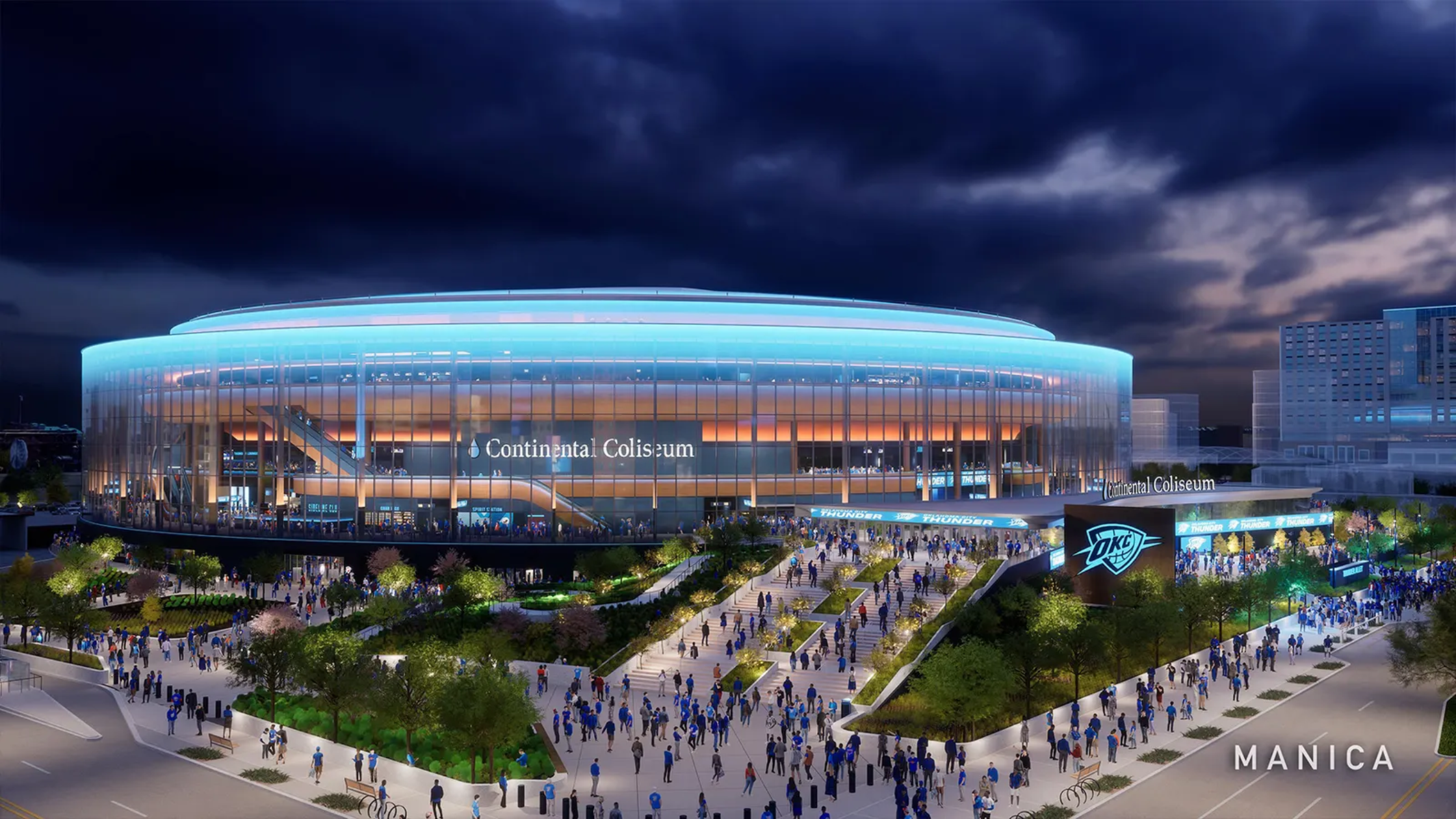
Construction firms Flintco and Mortenson recently broke ground with other collaborators on Oklahoma’s new $900 million NBA arena, Continental Coliseum. Set to replace the Oklahoma City Thunder’s current home, the Paycom Center, the project is expected to be completed between summer 2028 and June 2029. Beyond the build itself, it signals a shift across the construction industry toward large, publicly-backed infrastructure. For contractors, that means more predictable, long-term work, larger contracts, and access to high-value projects.
“Breaking ground on this arena is a proud moment for Oklahoma City,” said Dave Kollmann, central region president at Flintco. “As a company founded in Oklahoma, it’s especially meaningful to help build a world-class home for the Thunder that reflects the energy, pride, and passion of this community.”
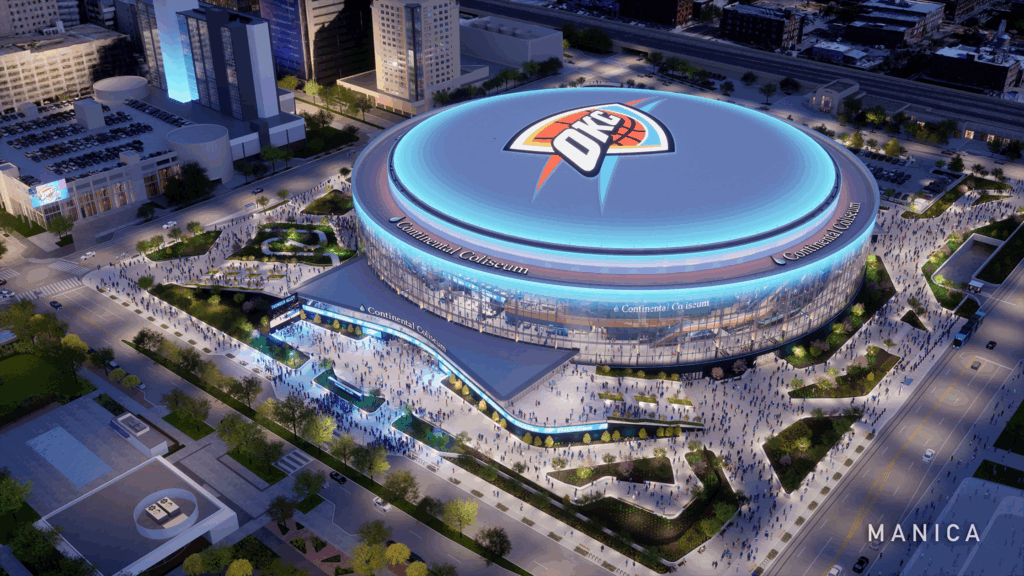
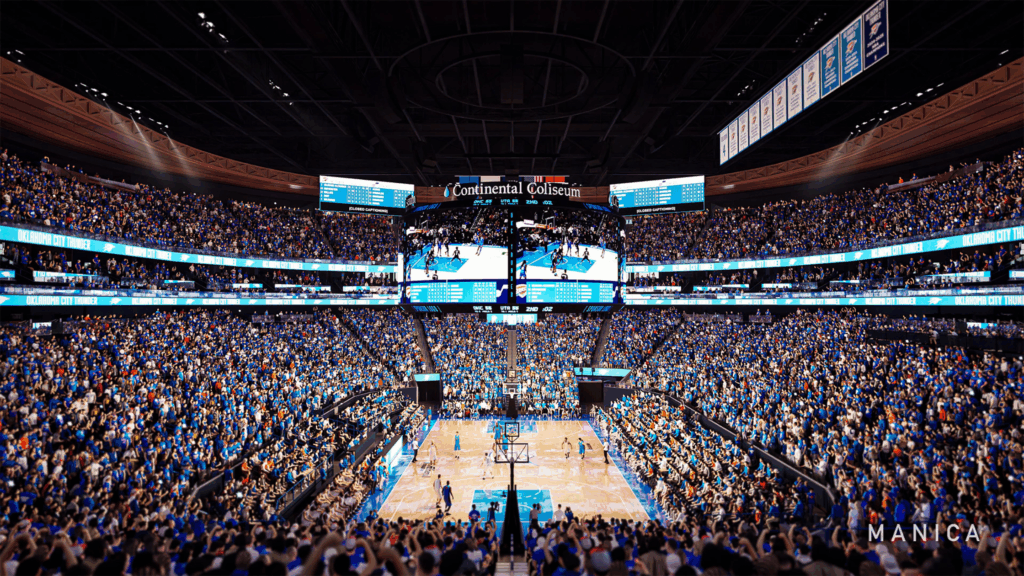
The stadium, located in downtown Oklahoma City, is being designed by MANICA, with TVS serving as the architect of record. The design centers on a 360-degree glass curtain wall that opens the area to panoramic views, coupled with an elevated main entrance that creates a strong street presence. Inside, the design is built around basketball—with optimized sight lines that keep attention focused on the game from every seat.
A growing trend
Projects like Oklahoma’s NBA arena aren’t isolated—cities are increasingly investing in large, publicly-funded venues. Stadium developments and other major construction projects are huge economic drivers that fuel job creation, increase subcontractor demand, and encourage long-term investment in surrounding areas.
For contractors and subcontractors, projects of this scale mean sustained, reliable work that can span years, rather than short one-off projects. That translates to greater stability and access to large-scale opportunities across multiple trades like structural work, interiors, MEP, and specialty scopes.
Joint ventures on the rise
Another pattern that’s becoming clear is the need for joint ventures between regional builders and national firms to deliver complex, high-value projects. Oklahoma City’s NBA arena is a clear example, bringing together Flintco and Mortenson to combine local expertise with large-scale project delivery experience to ensure the project is executed as envisioned.
Teaming up also helps tackle risk-sharing on high-value projects while creating more opportunities for contractors to collaborate with large partners. Combined technical expertise makes it easier to take on mega projects that require input from experienced contractors. At the same time, this raises the bar, bringing higher expectations around scale, experience, and potentially, prequalifications.
Evolving construction challenges of a different kind
Oklahoma City’s NBA arena reflects an industry-wide shift that favors large, publicly backed infrastructure and entertainment projects. But this shift comes with a new set of challenges. Contractors need to be ready to address labor shortages, coordinate supply at scale, and thrive in increasingly complex stakeholder environments. They also need to be comfortable with advanced scheduling, modern project management tools, and real-time collaboration across teams.
The $900 million NBA arena is part of a broader shift toward large builts that brings longer project timelines, more coordination across teams, and a rise in joint ventures. For contractors, that means more consistent work, but also more complexity. Those who stay ahead of the curve and can adapt to larger, more collaborative projects will be better positioned to stay competitive.
To stay connected with the latest updates on major construction projects, subscribe to our weekly newsletter and follow us on LinkedIn.