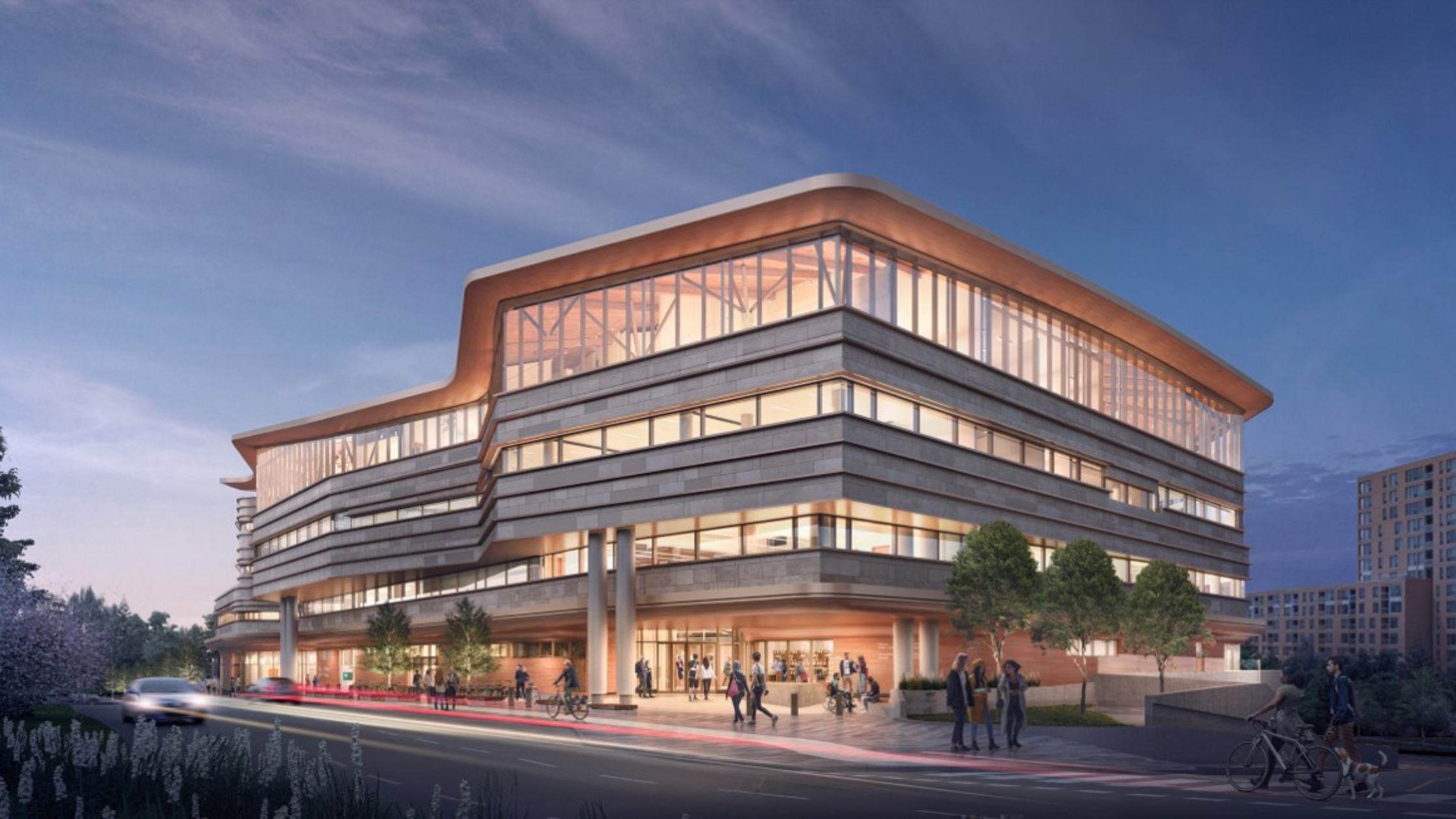
Ottawa’s Ādisōke library is getting close, but the final phase is where everything tightens up. The 5-floor, 216,000 sq ft building is now deep into interior work, with exterior cladding mostly complete and systems being installed across multiple floors. Crews are working on detailed finishes, custom-built elements, and mechanical systems simultaneously. It’s also not a typical library—it combines a public space with national archives, which changes how the building is laid out and delivered. As construction moves toward completion, this project shows how much more demanding civic builds have become when sustainability targets, custom interiors, and cultural design are all part of the job.
The project is a joint venture between PCL Construction and multiple specialized contractors with a total approved budget of $334 million. As one of the largest civic builds currently underway in Canada, and as it nears completion, the real challenge is bringing all the details together and delivering on the investment.
A building with two very different roles
Ādisōke brings together the Ottawa Public Library and Library and Archives Canada into a single structure. While that may sound efficient, it adds significant pressure during construction.
A public library comes to life with all the hustle and bustle of people moving about, needing room to breathe and plenty of space to move with ease. This is the opposite of an archival storage space, which calls for a tightly controlled environment with strictly limited access and a priority on preserving irreplaceable materials.
Those differences carry through the entire build. Mechanical systems have to serve both uses. Structural loads change depending on the space. Layout decisions have to balance openness with control. It’s not a matter of repeating the same setup floor after floor—each area has its own demands.
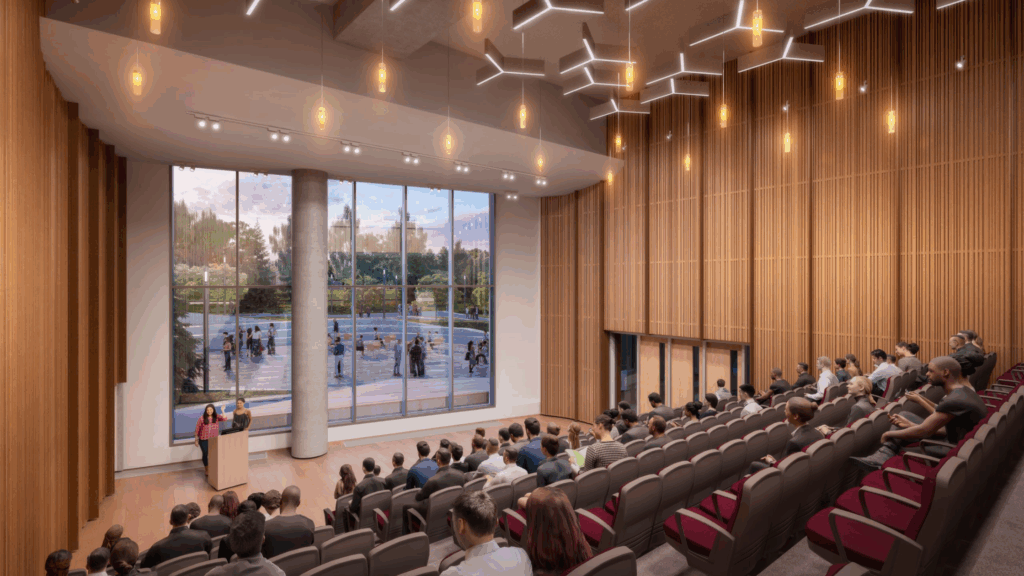
The archival requirements alone are worth noting. Library and Archives Canada (LAC) holds one of the world’s largest collections, with more than 22 million books, 250 km of textual documents, 35 million photographs, maps, and artwork, and 700 million megabytes of digital records. The environmental controls needed to preserve these materials—temperature, humidity, air quality, and light exposure—must be maintained independently of the rest of the building and built to standards that will last for decades.
Most of the challenge with this project isn’t what you see from the outside. It’s inside, where the work becomes more specific. Custom-built elements are a big part of it. Fixtures, shelving, and interior features are being fabricated for this building rather than pulled from standard products. That affects how the installation works. Pieces arrive with fixed dimensions and need to fit exactly as planned. If something is off, it can slow down the work around it.
There’s also a strong cultural layer built into the design. The layout reflects Indigenous and local input, which shapes how spaces connect and how people move through them. That influence isn’t something added at the end. It’s built into the project’s structure, so it has to be carried through carefully during construction.
When you combine custom fabrication with design that can’t be easily adjusted, coordination becomes more important; there’s little room to improvise.
What’s happening on site right now
Mechanical and electrical systems are being completed, and finishing crews are now installing walls, ceilings, and detailed surfaces. Millwork and custom elements are being brought in and installed. All of this is happening across multiple levels, often in the same areas. That overlap makes sequencing harder to manage. One trade needs space to finish their work before the next can move in. If something gets delayed, it affects the work around it.
At the same time, the level of precision needed is much higher at this stage. It is not just rough construction anymore. Everything is on show, which makes alignment and fit more important than ever. And if a small issue arises, fixing it can take time, especially when you already have other systems in place.
Ādisōke is aiming for net-zero performance, and that is reflected in how the building is put together. The envelope has to perform at a higher level. Airtightness matters, so careful attention to every joint and transition is essential. Insulation and sealing aren’t things that can be rushed or corrected later without consequences.
The building also connects to district energy and includes systems designed to reduce overall energy use. That makes mechanical and electrical work more connected than usual. Systems need to be aligned from the start, rather than adjusted later.
Material choices play a role as well. Lower-carbon concrete and selected finishes come with different handling and scheduling requirements. These decisions don’t sit in one part of the job—they affect how the work is carried out from early stages through to completion.
Net-zero civic buildings of this magnitude are rare in Canada, which means crews aren’t working from a clear playbook. Reaching net-zero performance in a 216,000-square-foot building that must serve two very different purposes is a technical challenge on another level. The final commissioning phase will be more demanding than typical civic builds, and there’s significantly less room for error in how these systems are installed and perform.
Why projects like this take longer
Delays on a project like Ādisōke don’t come from a single issue. It’s usually a mix of factors that build over time. Custom fabrication is one. When elements are made specifically for the project, timelines depend on production as much as construction. If something arrives late or needs adjustment, it can slow down the work around it.
Then there is the interior detailing—spaces that demand spotless finishes and perfectly integrated systems take a lot longer to sort out. Crews have to work with precision, making tiny adjustments, and progress can grind to a halt when multiple trades are trying to do their thing in the same area.
Lastly, there’s the issue of coordination. By the time a project gets to this stage, many tasks are interdependent. If one of them falls behind, it can mess up a bunch of others. By the time you reach the final stages, the connections among these tasks can make it difficult to work your way through the problem.
What Ādisōke library says about civic construction
Ādisōke reflects a shift in how public buildings are approached, and you can see it in the way the work is carried out on site.
These projects are no longer built around a single, straightforward use. Spaces are being designed for specific functions, and those functions often come with very different requirements. In this case, open public areas sit alongside controlled archival environments, which affects everything from layout to mechanical systems. That kind of mix makes coordination more important early on, because systems and structure have to support different conditions within the same building.
Performance expectations have also gone up. Net-zero targets and stricter energy standards change how materials are selected, how systems are installed, and how the building is sealed and tested. Crews aren’t only focused on getting the work done—they’re working to tighter tolerances, knowing the building has to perform a certain way once it’s in use.
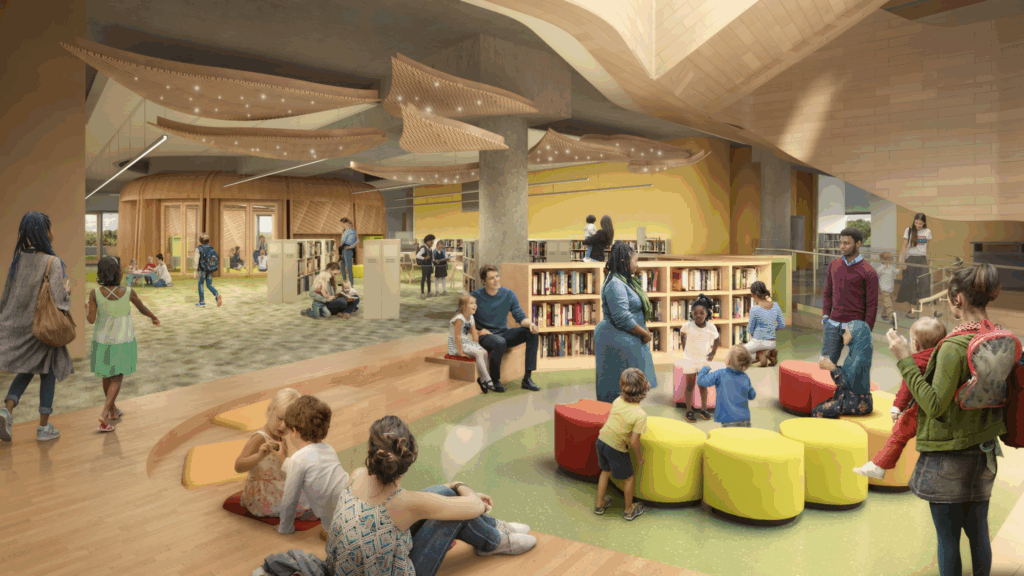
There’s also a stronger focus on cultural and community input. Design decisions are being shaped before construction starts, and those decisions carry through the build. That limits how much can be adjusted later, which puts more pressure on getting things right early and sticking closely to the plan during construction.
All of this changes how the job runs. There’s more planning up front, more back-and-forth between trades, and once the work starts, everything is much tighter, including timelines. The building is doing a lot more than it used to, and every single part of it has to come together in the right way at the end of the day.
For contractors, the pipeline of similar projects is growing. Canada has invested billions into renewing civic buildings over the next decade, and the expectations of those buildings—sustainability requirements, cultural design integration, complex multi-use—are only going up. The firms building the experience now will be better positioned to bid on projects once they come to market.
What Ādisōke library tells us about where civic construction is heading
As construction on Ādisōke wraps up, it really shows how far civic construction has expanded. This is a building where meeting performance targets, getting custom interiors just right, and incorporating cultural design influences are part of every step of the build process. For contractors, that means tighter coordination, more detailed work, and a greater focus on getting things right the first time. These kinds of projects are becoming more common, and they’re changing what it takes to deliver them.
Civic construction is becoming more complex, and the projects coming down the pipeline are raising the bar further. For more coverage of the builds, trends, and on-site insights shaping the industry, subscribe to our newsletter.