Mining operations around the world are pushing their heavy machinery harder than ever to hit aggressive production targets. While a breakdown from a single overload is easy to spot, the real danger is the invisible vibration that slowly weakens metal components over time. By understanding how these repeated stress cycles lead to structural fatigue, you can better protect your assets and avoid the high costs of unexpected downtime.
The cost associated with unplanned downtime in mining is huge. According to McKinsey Mining Operations Research, downtime for large mining haul trucks costs companies an average of $5,000–$10,000 per hour, including lost haulage capacity, idle crew wages, and contract penalties. In operations where every truck is scheduled against tight production targets, even an hour of downtime can result in a significant loss.
When we talk about equipment breaking down on a job site, it’s easy to focus on one singular disaster, like a big rock falling or a cable suddenly snapping, but those hits are rarely what puts a machine in the shop. The real problem is usually the thousands of tiny vibrations and shocks that rattle the whole structure during every hour of work.
In mining, fatigue is cumulative. Think of it like bending a paperclip back and forth; it doesn’t break the first time you move it, but eventually, the metal just gives up. This is exactly what happens to steel structures. You can see when a machine is overloaded, but you can’t see the harmonic energy that is quietly rattling the life out of your equipment. For many operators, the problem only becomes clear when a crack finally appears, but by then, the damage is already done.
The site-level impact of vibration and shock
Every time a machine moves during a normal shift, it creates dynamic loads. When a bucket slams into a rock face or a shovel swings around, that energy ripples through the whole steel frame like a wave. A hard shock at the front of the machine can cause high-stress cycles in the rear pins, bushings, and welds. This is what makes vibration a difficult challenge on a job site.
The real danger is that these forces move through the entire structure all day, every day. Unlike a visible dent or a bent plate, vibration works inside the metal. It finds the smallest weak points and slowly pulls them apart.
In the mining world, nothing costs more than downtime. When you have to pull a machine off the line for a sudden weld or a cracked part, you stop the production flow and throw the whole work schedule out of gear. Since these fatigue problems are hard to spot early, they usually lead to unexpected stops that eat into your profits and force your crew to work overtime just to get back on track.
What makes vibration damage difficult to manage is that it’s cumulative and largely invisible. Until the damage reaches a certain threshold, operators aren’t aware that it’s a problem. But once the crack is visible, the material is already compromised, and repair isn’t usually as simple as just fixing the crack.
Why the industry is rethinking energy distribution
The demand for higher production is pushing mining companies to run their machines around the clock at maximum capacity. When equipment is constantly working at its limit, there’s zero room for error. This high-pressure environment forces every part of a machine to absorb more force than it was originally designed to handle, making structural fatigue a constant threat.
At the same time, the cost of new equipment has skyrocketed. Buying a new fleet every few years is no longer a realistic option for most operations, so extending the life of current assets has become a top priority. Keeping an older machine running reliably is much more cost-effective than dealing with the lead times and massive price tags of new iron.
This shift in priorities is prompting the entire industry to rethink how machines handle energy. For decades, the standard way to build equipment was to use rigid, heavy steel to fight off force with sheer strength. Today, however, engineers are moving toward designs that focus on energy absorption instead. By switching from stiff components to materials that can actually soak up force, the industry is finding new ways to kill vibration before it ever reaches the main structure.
Case study: WireCo synthetic pendants as a damping solution
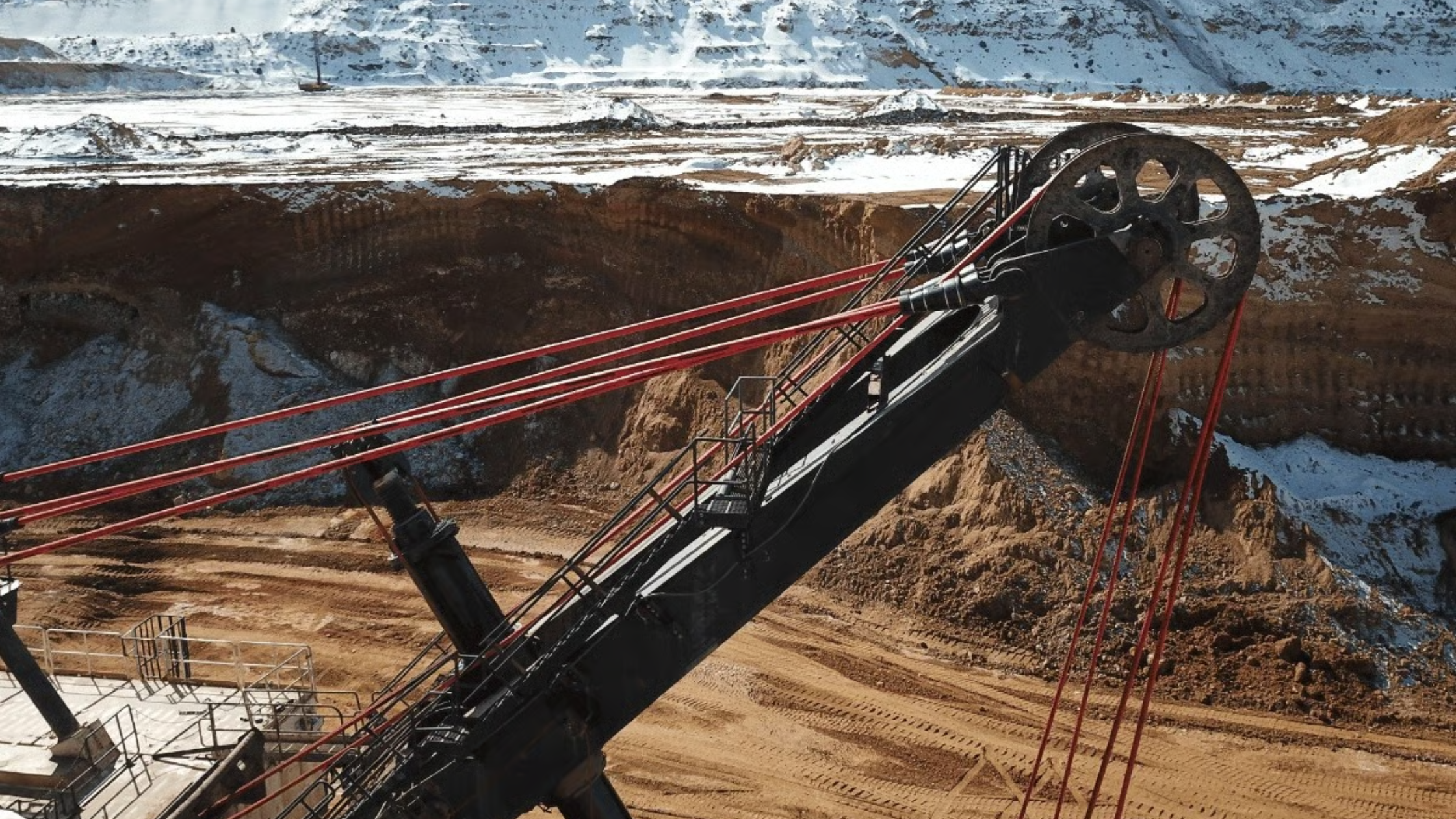
WireCo is providing clear proof of how the industry is solving the vibration problem with their synthetic pendants. For a long time, steel was the only option for these components, but the industry is recognizing that synthetic materials offer a significant functional advantage. These pendants act as a high-tech damping system, capturing and absorbing energy before it can travel into the machine’s main steel structure.
The data shows exactly how much of a difference this change makes for equipment health. By switching to synthetic materials, WireCo reported a 13% reduction in harmonic energy. This means less rattling and shaking throughout the frame. Even more impressive is the 29% reduction in sideloading stress, a major cause of cracks in structural joints. When you add these benefits together, you get an average 14% increase in the total life of the machine components. These pendants manage and resist the force, allowing the equipment to work harder for much longer.
The human and operational benefit
Operators of heavy earth-moving machinery (HEMM) are constantly exposed to whole-body vibration (WBV), a serious health hazard in the mining industry. These vibrations typically occur between 0.5 and 80 Hz, and long-term exposure can lead to painful musculoskeletal disorders (MSDs), particularly in the lower back.
Because mining equipment like loaders and dozers often travel over rough ground, vibration levels remain high throughout the day. Even with specialized seat suspension, the repetitive mechanical shocks can cause chronic health issues for the crew.
With a damping solution such as synthetic pendants, the machine itself lasts longer, and the person sitting in the cab sees a difference as well. When the equipment shakes less, the ride is smoother, and the environment is much quieter. This improved comfort helps operators stay focused and sharp throughout their shift, a major win for safety on any busy site.
Moving to a proactive maintenance strategy allows teams to stop the cycle of reactive patching. In a typical setup, crews often have to wait for visible cracks to appear before they can begin repairs, leading to costly downtime and slower project progress. Using materials that specifically absorb vibration means that companies can shift toward proactive fatigue management. This approach stops structural damage before it starts, rather than chasing repairs after the steel has already failed.
It’s important to remember that companies are not switching to synthetic parts just because they are lighter and easier to carry. While the weight savings are a nice bonus, the real reason for the switch is functional energy absorption. These systems are chosen because they act as filters for the machine, capturing the harsh energy that steel would normally pass along to the rest of the structure.
How dampening systems are changing the industry
The shift toward synthetic damping systems is one example of a much larger change in how equipment is built today. The industry is moving away from the idea that machines are just tools and moving toward a future where every part is designed with the user and long-term sustainability in mind. Cutting down on vibration saves fuel, reduces waste from broken parts, and creates a better environment for the people working on the ground.
In the coming years, the AEC and mining industries will likely stop viewing components as mere load-bearing parts. Instead, they will expect every pin, pendant, and joint to actively protect the entire machine. Protecting the structure from fatigue will become just as important as engine horsepower. Adopting these smarter systems today means fleets are ready for tomorrow’s high demands.
Equipment that lasts longer costs less to run, and the technology and materials making that possible are changing fast. Subscribe to our newsletter for more practical breakdowns of the tech and maintenance strategies that keep heavy equipment in the field longer.