Machine control is the technology that connects a digital blueprint to the movements of a heavy machine. Many operators struggle with the slow and frustrating process of manual grading, which often leads to mistakes or wasted time. This guide explains what machine control is and shows you how to use GPS and 3D models to hit your target grade on the first pass, saving your budget and your schedule.
What is machine control?
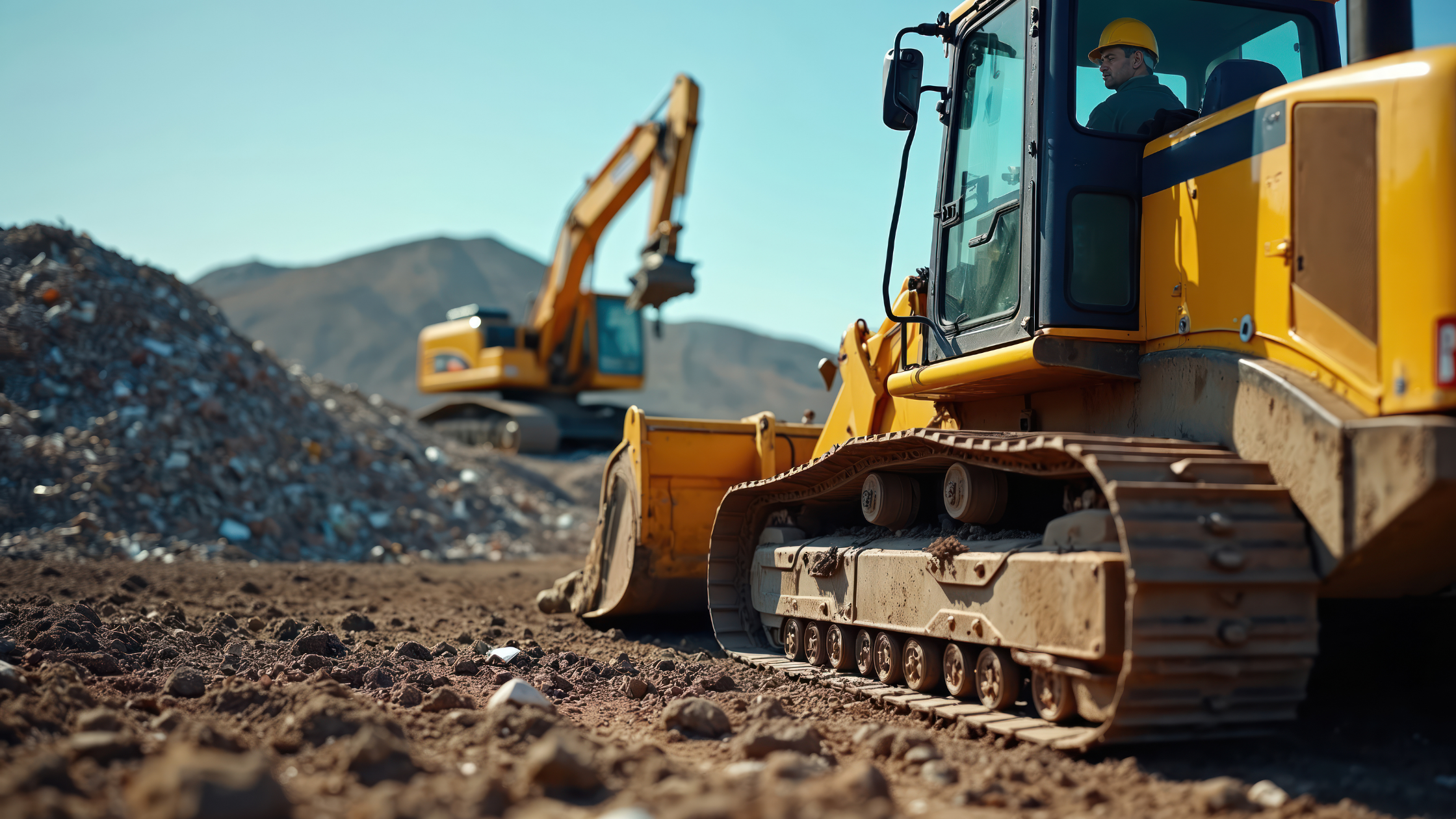
At its core, machine control is a set of tools that use GPS and onboard sensors to guide heavy machinery. Instead of an operator relying on wooden stakes or a survey crew to find the right level, the machine knows exactly where it is on the site. It calculates how much dirt it needs to move to perfectly match the digital design.
How machine control works
The process of turning a digital file into a perfectly finished surface involves four simple, automatic steps. This workflow ensures that your operators have the right information at exactly the right time.
Step 1: Upload digital site plans
Engineers create a 3D digital design, often called a BIM model, which represents the final shape of the project. This file is uploaded directly to the machine’s onboard computer, providing the equipment with a digital map of the entire site.
Step 2: Tracking in real time
A global navigation satellite system (GNSS) antenna on the machine tracks its exact position by connecting to multiple satellite systems. At the same time, internal sensors monitor the angle and height of the blade or bucket to see exactly where the cutting edge is located.
Step 3: In-cab guidance
A display screen inside the cab shows the operator exactly where they are compared to the final design. It indicates cut or fill values, telling the operator exactly how much dirt needs to be moved to hit the target grade.
Step 4: Automated adjustments
In high-end automatic systems, the machine can take over the hydraulics to keep the blade on grade. No matter how the operator moves the machine, the system ensures the blade stays at the perfect height and slope.
Pro tip: While GPS is the go-to for open sites, it often struggles in tight city spots or tunnels where skyscrapers block the signal. In these urban canyons, crews switch to Total Stations. These tools use lasers instead of satellites, so you can still hit your grade with millimeter accuracy, even when you can’t see the sky.
Where machine control is being used
While this technology was once rare, it is now found on almost every major jobsite. Here are the machines that benefit the most:
- Dozers: Automated blade control helps maintain perfect slopes for roadbeds and building lots.
- Graders: Precise adjustments ensure that the ground is flat and ready for paving.
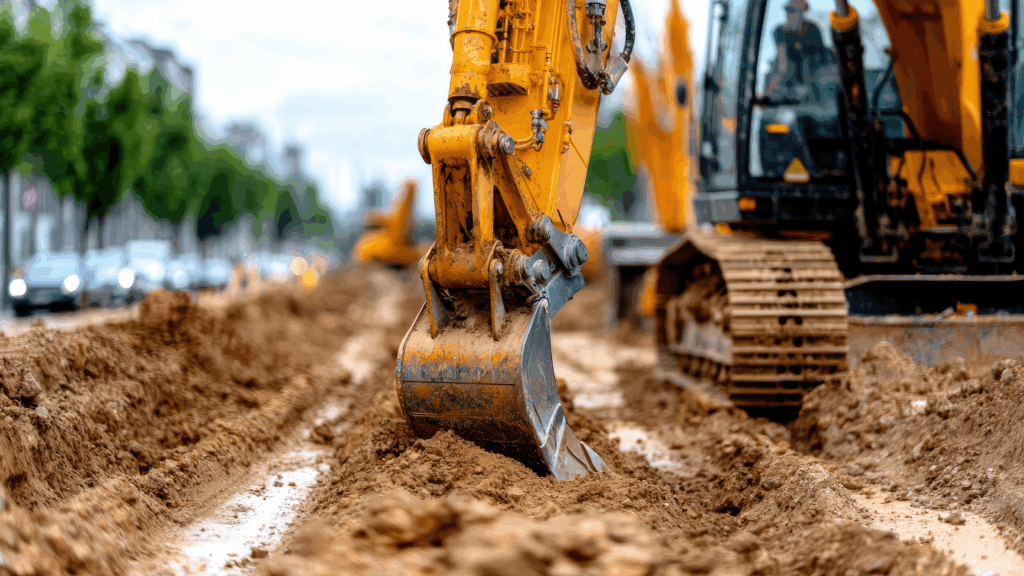
- Excavators: Sensors track the bucket depth and angle to prevent over-digging in trenches or foundations.
- Pavers and rollers: Advanced systems improve road texture and make sure the ground is packed down evenly.
Beyond earthmoving, machine control is now expanding into every corner of the jobsite to improve safety and quality.
- Paving and milling: New 3D guidance systems help pavers lay asphalt with almost zero material waste, ensuring a perfectly smooth road surface every time.
- Utility trenching: New ‘Stop Before Strike systems’ can automatically halt an excavator’s bucket if it gets too close to a buried utility line, which helps prevent dangerous accidents.
- Drilling and piling: Machine control guides heavy drill rigs to the exact coordinates needed for structural foundations, ensuring every pile is placed with high precision.
Benefits and drawbacks
Moving to machine control brings big wins to your operations, but there is a learning curve. Here’s what you can expect:
Key benefits
- Faster grading: Machines can hit their target levels in about half the time because you no longer have to stop for manual checks or repeat the same passes. This speed allows you to move on to the next phase of the project sooner.
- Less rework: Precision ensures you get a perfect finish on the first try, reducing waste of materials like gravel and asphalt.
- Reduced staking: Jobsites stay safer and less cluttered since you don’t need physical stakes or surveyors walking near active machines.
- Machine longevity: Making fewer passes and smarter movements reduces fuel costs and wear and tear on equipment.
Common drawbacks
- Upfront cost: Buying the hardware and software requires a large initial investment that can be a tough hurdle for smaller firms to clear.
- Training needs: Your team will need hands-on time to learn the system and gain the confidence to trust what the digital screen is telling them.
- Connectivity risks: Remote job sites may experience signal loss or satellite blackouts when operating under thick tree cover or near very tall buildings.
Machine control vs. conventional grading
The shift from manual work to digital guidance changes how every person on the site spends their day.
| Feature | Conventional grading | Machine control |
| Guidance | Physical stakes and string lines | 3D digital models and GPS |
| Verification | Periodic checks by a survey crew | Continuous real-time data in the cab |
| Accuracy | Varies by operator skill and fatigue | High accuracy is maintained automatically |
| Material waste | High risk of over-digging | Minimized by instant cut and fill data |
Is machine control becoming the standard?
Current 2026 industry data and expert reports from Autodesk, CMiC, and Quickbase confirm that machine control is no longer a luxury but a fundamental requirement for staying competitive.
- Contractual mandates: Digital Project Delivery (DPD) is now a baseline standard for most large-scale and regulated projects. Owners and developers are increasingly requiring contractors to operate within a digital, model-based framework as a condition of the contract.
- BIM as a baseline: Building Information Modeling (BIM) workflows are now used in approximately 65% of projects worldwide, with more than half of all new builds requiring BIM from the start.
- Market necessity: Experts note that organizations are moving away from fragmented, manual systems toward unified digital platforms where field execution and digital models work together.
With persistent labor shortages, this tech is essential for survival. It allows newer operators to achieve the same accuracy as 20-year veterans in a much shorter time. It’s the foundation of the connected jobsite, where equipment, drones, and digital twins work together to create a site that you can measure and monitor from anywhere in the world.
Solving the labor crisis with technology
With a staggering shortage of skilled workers, machine control is serving as a critical tool for survival in the industry.
- The talent gap: The industry must attract an estimated 349,000 to 500,000 net new workers in 2026 just to keep pace with demand and replace a rapidly retiring workforce.
- Closing the skills gap: Because this tech automatically guides the machine, it allows newer operators to perform with the same precision as veterans. This data-access labor strategy makes fewer people more effective and is one of the most successful ways to maintain productivity with smaller teams.
- Productivity gains: Contractors who embrace these digital tools report 34% productivity gains and a 30-40% reduction in costly rework.
The foundation of the connected jobsite
The connected jobsite is now a measurable reality rather than a future concept.
- Integrated ecosystems: In 2026, successful firms are using IoT-connected equipment and digital twins to monitor jobsite conditions and equipment health in real-time.
- Investment surge: An overwhelming 91% of construction companies plan to invest in AI, automation, and robotics by the end of this year to solve their most pressing business challenges.
- Transparency: This technology creates a unified system of record that connects design, construction, and operations, providing owners with the total clarity and schedule certainty they now demand.
| Performance Area | Impact of machine control & digital tools |
| Productivity | 34% increase |
| Rework costs | 30% to 40% reduction |
| Material waste | 15% to 25% decrease |
| Safety incidents | 20% to 30% reduction |
Best machine control software
Right now, three big names lead the market for this technology. Each company offers different tools and systems to fit the specific needs of your machines and your jobsite:
- Trimble: Known for its rugged hardware and the Connected Site ecosystem, which links the office to the field.
- Topcon: Offers user-friendly interfaces and highly scalable 3D machine control systems that are easy to learn.
- Leica Geosystems: Prized for its high-precision sensors and the way it connects seamlessly with civil engineering software.
Why this matters for your future
Machine control enables construction crews to be smarter with their most expensive resources. Using this technology builds a more professional business that can win bigger jobs. If you can prove that your timeline is certain and your work is perfect on the first try, you’ll always have an edge over the competition.
Want to stay ahead of the next tech wave on the jobsite? Subscribe to our newsletter for more deep dives into the tools building our future.