
For architecture firms, the work isn’t just about bringing a vision to life; it’s about solving a challenge. B+H Architects does exactly that by using modern design and building trends to deliver a unique solution to every client’s challenge. Here are some of the past, present, and future projects from B+H Architects, including TD Centre Toronto, Hoi An Marriott, and Crystal Lodge Whistler. Plus, how each design brought creativity and innovation to the build.
About B+H Architects
Founded in Toronto in 1953, B+H Architects aims to convey stories that showcase the relationship between space, people, and context. The stories and project geographies are diverse, and often speak to cultural traditions, social values, and sustainable design.
B+H’s sector expertise enables them to provide holistic solutions to each client. They strive to deliver on something truly unique and distinct every time. They serve clients around the globe, with studios in Toronto, Montreal, Vancouver, Los Angeles, San Diego, Shanghai, Singapore, Hong Kong, Dubai, and more.
Past, present, and future projects on the go from B+H Architects
1. University of British Columbia – AMS Student Nest
- Location: Vancouver, Canada
- Year built: Completed 2015
- Typology: Institutional/Education
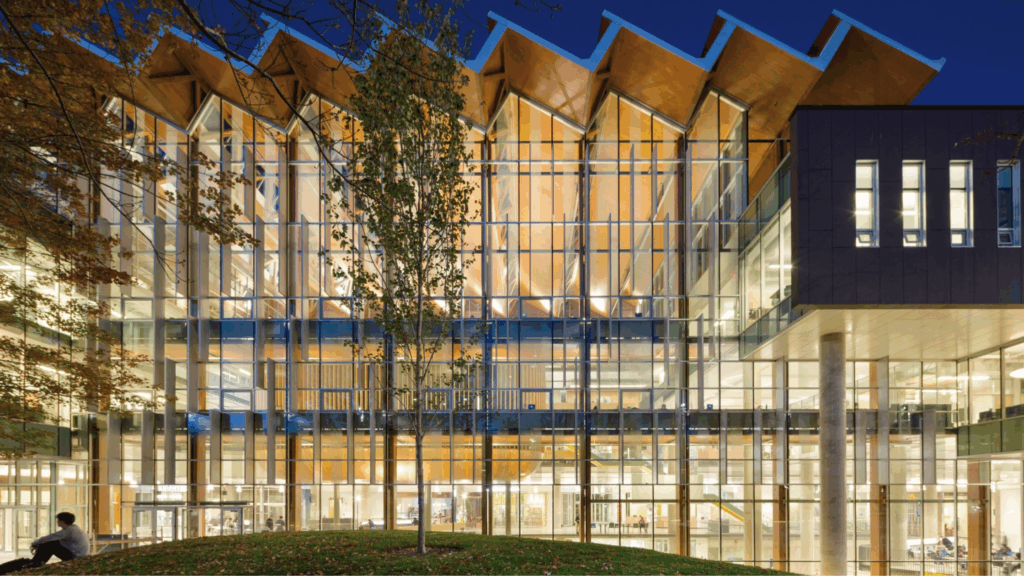
The AMS Student Nest at UBC is a 255,100-square-foot gathering area for students and faculty alike. The goal is to provide the school with a welcoming, inclusive student union centre that would embody social, environmental, and economic sustainability.
The project features a five-story atrium called the Agora, which faces toward the popular outdoor gathering space, Knoll. Terrace seating and stairs sweep across the two lower levels, and larger stairs connect all levels of the atrium, fostering a sense of community. The students’ input on the design inspired the Nest to adopt a welcoming “miniature city” look as the focal point of the school.
2. TD Centre Toronto
- Location: Toronto, Canada
- Year built: Completed 1991
- Typology: Commercial/Mixed Use
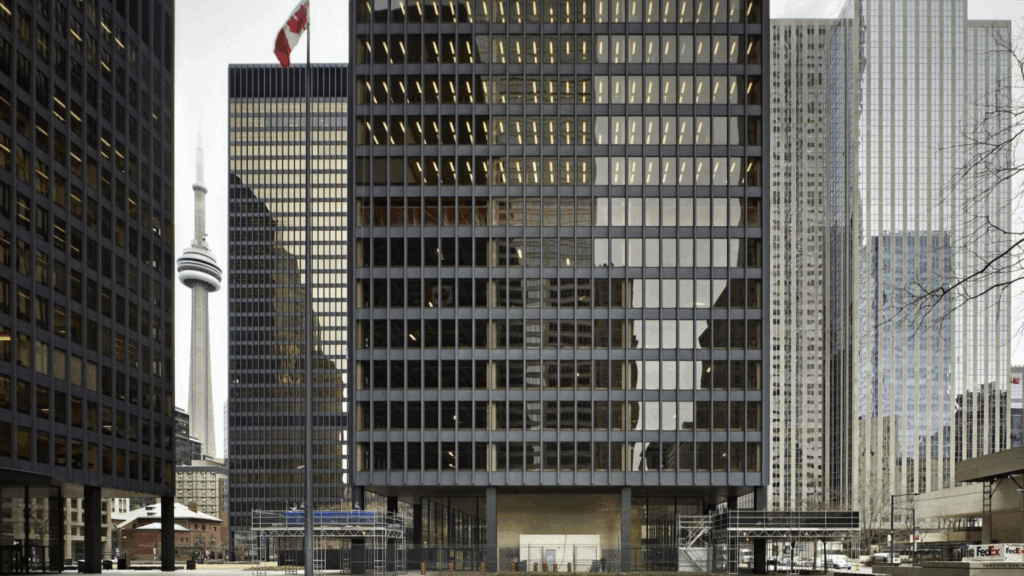
Toronto’s timeless TD Centre is an almost 5 million square foot project in the heart of the financial district. This project marked the rebranding from B+H, formerly Bregman + Hamann Architects, and symbolizes Toronto’s status as a major city while setting a new standard for Canadian office buildings.
The project features a granite-paved pedestrian plaza and a banking pavilion, including what are now known as the North, South, and West Ernst & Young Towers. The project won a 25-year award from the Ontario Association of Architects and is one of the very few Modernist designs to receive an Ontario Heritage designation.
3. Fairmont Pacific Rim
- Location: Vancouver, Canada
- Year built: Completed 2010
- Typology: Hospitality
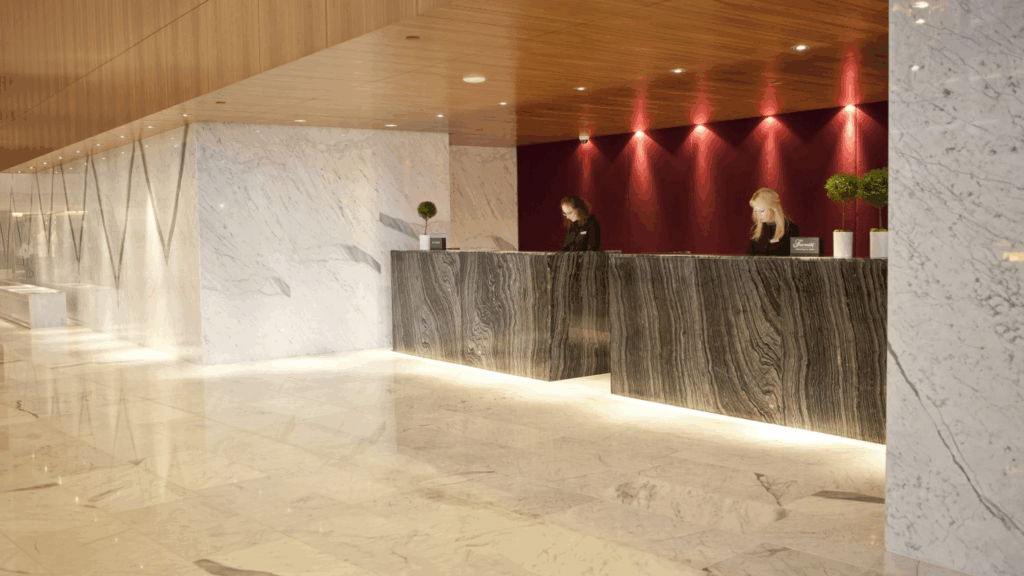
Fairmont Pacific Rim is one of many Fairmonts that blend contemporary aesthetics with cohesive brand design. The challenge for B+H here was to integrate qualities unique to this West Vancouver location. Hotel rooms at Pacific Rim are laid-back and contemporary, with a clean, modern aesthetic and state-of-the-art technology. They feature marble, spa-inspired bathrooms with spa showers and soaker tubs.
The rooms feature media connectivity, television mirrors, and iPads, offering a more interactive guest experience. The Willow Stream spa, complete with a Japanese Zen tub, is on the fifth floor, and the hotel also features 15,000 square feet of amenity space, including multi-media rooms, conference space, and a business center.
4. Aloha ʻĀina, An Indigenous-led Economic Resilience Centre
- Location: Kapa’a, Kaua’i, United States
- Year built: In Progress
- Typology: Planning & Landscape
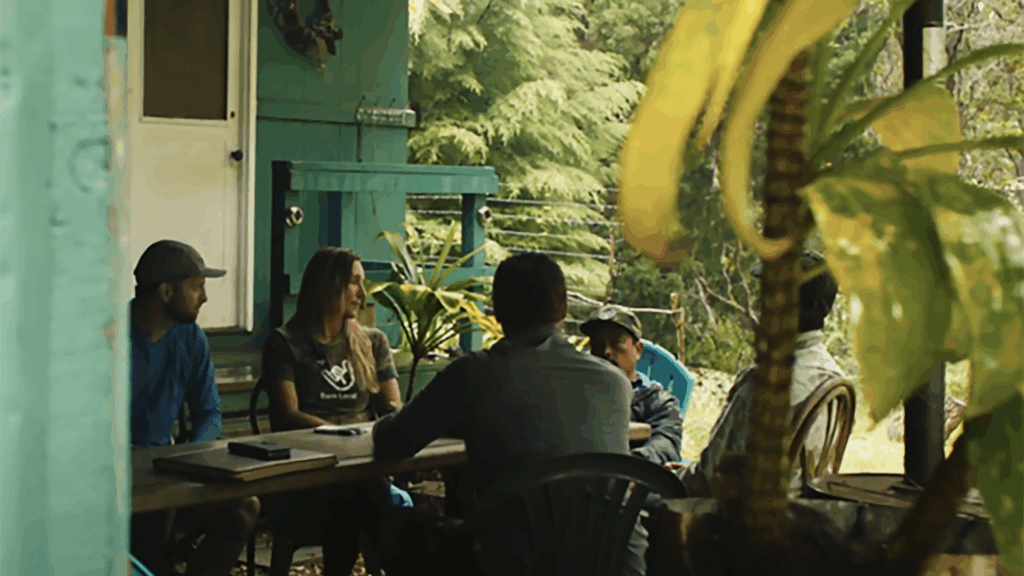
The Indigenous-led Economic Resilience Centre, Aloha ‘Āina, is a 20,000 square foot area establishing a new economic model for Kaua’i. Aligning design with cultural essence, B+H’s goal was to involve the locals who share the strongest relationship with the space in the project.
After many in-depth consultations with Indigenous leaders, B+H established a Living Story document to adhere to critical design principles from Indigenous experiences and perspectives. The design is heavily landscape-led and will bring a sense of peace and connection to nature to those who visit the client, Kaua’i Federal Credit Union.
5. The Jiulongpo Area of The Western (Chongqing) Science City
- Location: Chongqing, China
- Year built: In Progress
- Typology: Planning & Landscape
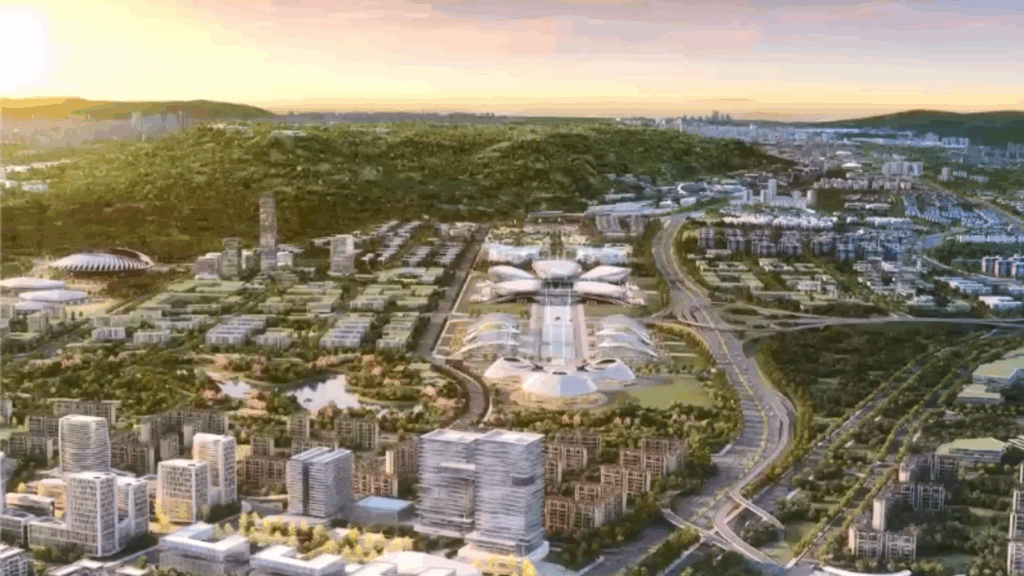
The Jiulongpo Area Of The Western (Chongqing) Science City is situated on the Yangtze River, China’s primary waterway. Science City connects to the metro, shipping centers, and the high-speed railway, driving pedestrians and new growth to each cluster. The design respects the existing land resources and retains the original functions of the already existing farmland.
The project explores the area’s organic integration options for advanced agriculture, creating a bridge between untouched nature and scientific innovation. Once completed, the project is expected to drive digital shipping, a new wetland, smart logistics, and a boost in riverside tourism.
6. Hoi An Marriott Hotel Resort
- Location: Vietnam
- Year built: In Progress
- Typology: Planning & Landscape
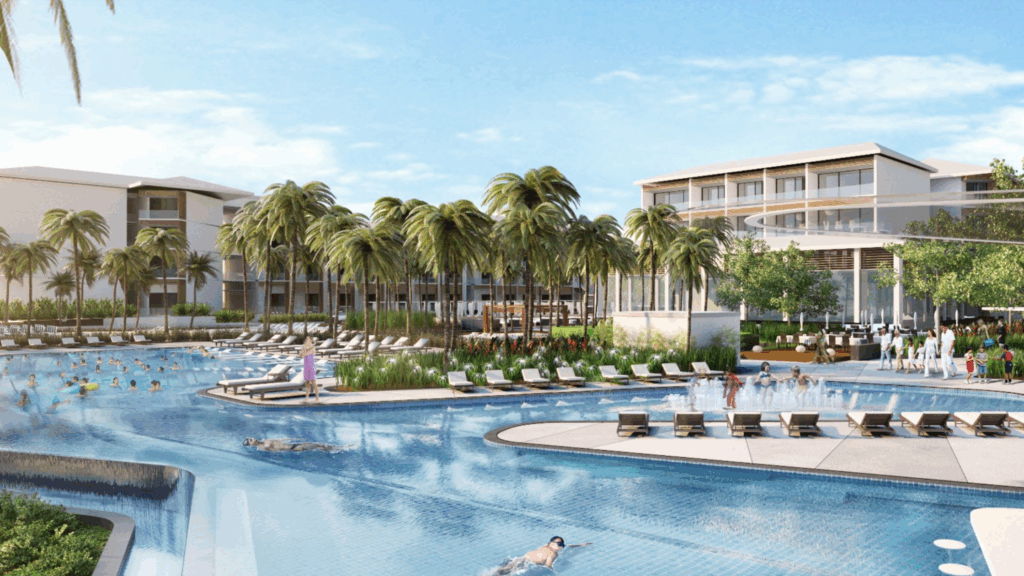
Vietnam’s newest Marriott, the Hoi An Marriott Hotel Resort, features a stretch of secluded beachfront along a vast, open ocean area. The goal of B+H Architects was to mitigate the adverse water conditions during weather events and maximize beach time for guests under any conditions. The elevated sandbank was added to boost the beach’s depth and act as a buffer, and other resort activities include family, main, and quiet pools.
A lazy creek runs through the area, connecting amenities with common spaces. The resort also connects to other local attractions, engaging guests with the surrounding culture.
7. Crystal Lodge Whistler
- Location: Whistler, Canada
- Year built: Completed 2020
- Typology: Hospitality
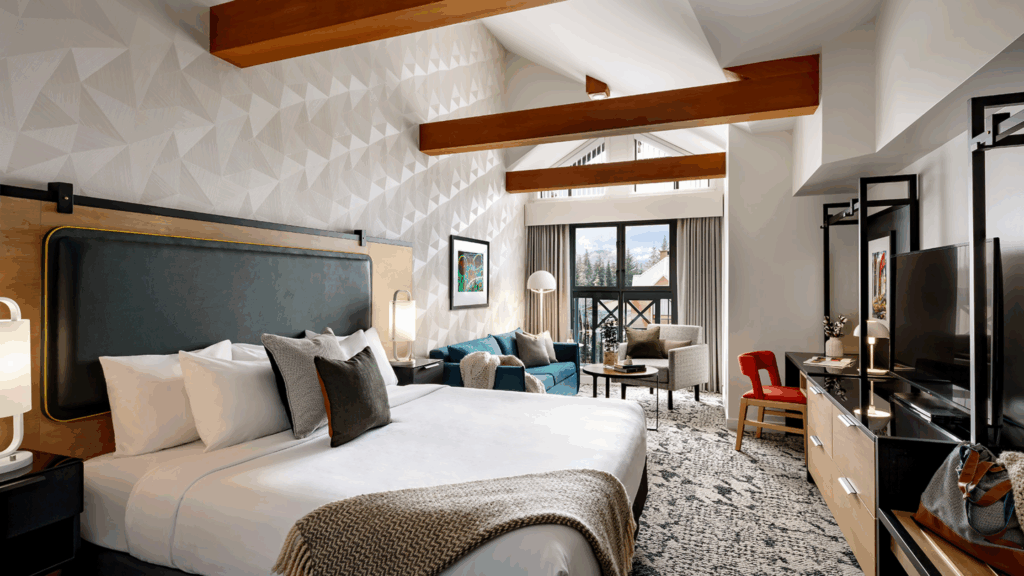
Crystal Lodge Whistler is a well-known hotel that blends the aesthetics of nature’s playground with the unique mountain landscape. The 2020s North Wing refurbishment by B+H created a sensory walk-through from the town’s past to the present. The new palette is inspired by the natural resources that blanket the Whistler Blackcomb mountain. The integration of spruce and cedar wood tones creates a comforting warmth, while the black lichen accents and granite rock elevate the wing with a modern, luxurious touch.
The materials used in the project aim to express a language that is not only identifiable to the Whistler area, but to the broader West Coast. It’s a blend of modern design with rich mountain history, bringing a refreshed air of allure to the historic hotel.
8. Ripley’s Aquarium of Canada
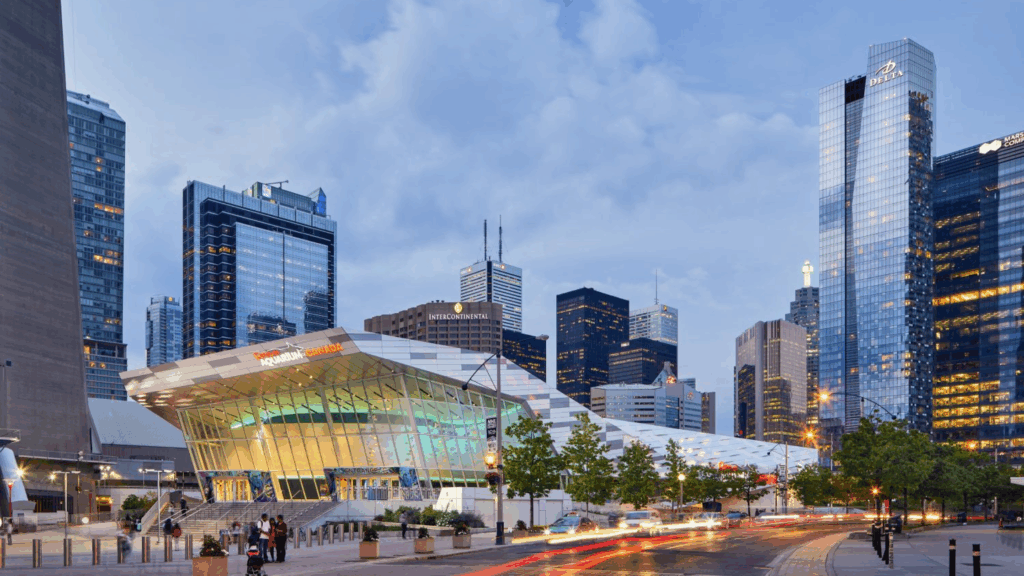
- Location: Toronto, Canada
- Year built: Completed 2013
- Typology: Education, Sports & Recreation
Toronto’s Ripley’s Aquarium of Canada is a 110,000-square-foot project located on the ground floor of the CN Tower, complementing the area’s setting with a modern yet exciting exterior. The attraction draws more than 2 million patrons each year and is designed to captivate guests of all ages and walks of life. It’s thoughtfully choreographed, leading people on an educational journey that both inspires and entertains. The faceted exterior mimics modern glacial formations peeling away from the land, revealing a grand window that leads guests down an open, winding, guided path.
The project was also intended to foster sustainability and aquatic ecosystem conservation, as well as a heightened sense of exploration. Many design elements are inspired by the rich diversity of aquatic life found in the facility, such as abstract patterns that mimic the movement of a jellyfish. The project had to consider natural daylight use, limiting it to reception and non-exhibit areas, as it encourages excess algae and can cause glare on the largely glass exhibits.
Final thoughts
Across decades and continents, B+H Architects has built a portfolio defined by thoughtful problem-solving and contextual design. Whether working on cultural institutions, hospitality spaces, or large urban mixed-use developments, the firm consistently balances creativity with practicality, sustainability with storytelling. Together, these projects show how architecture can respond to its surroundings while shaping experiences that endure long after construction is complete.
Like this and want more content like it? Subscribe to our newsletter and follow us on LinkedIn for more project spotlights.