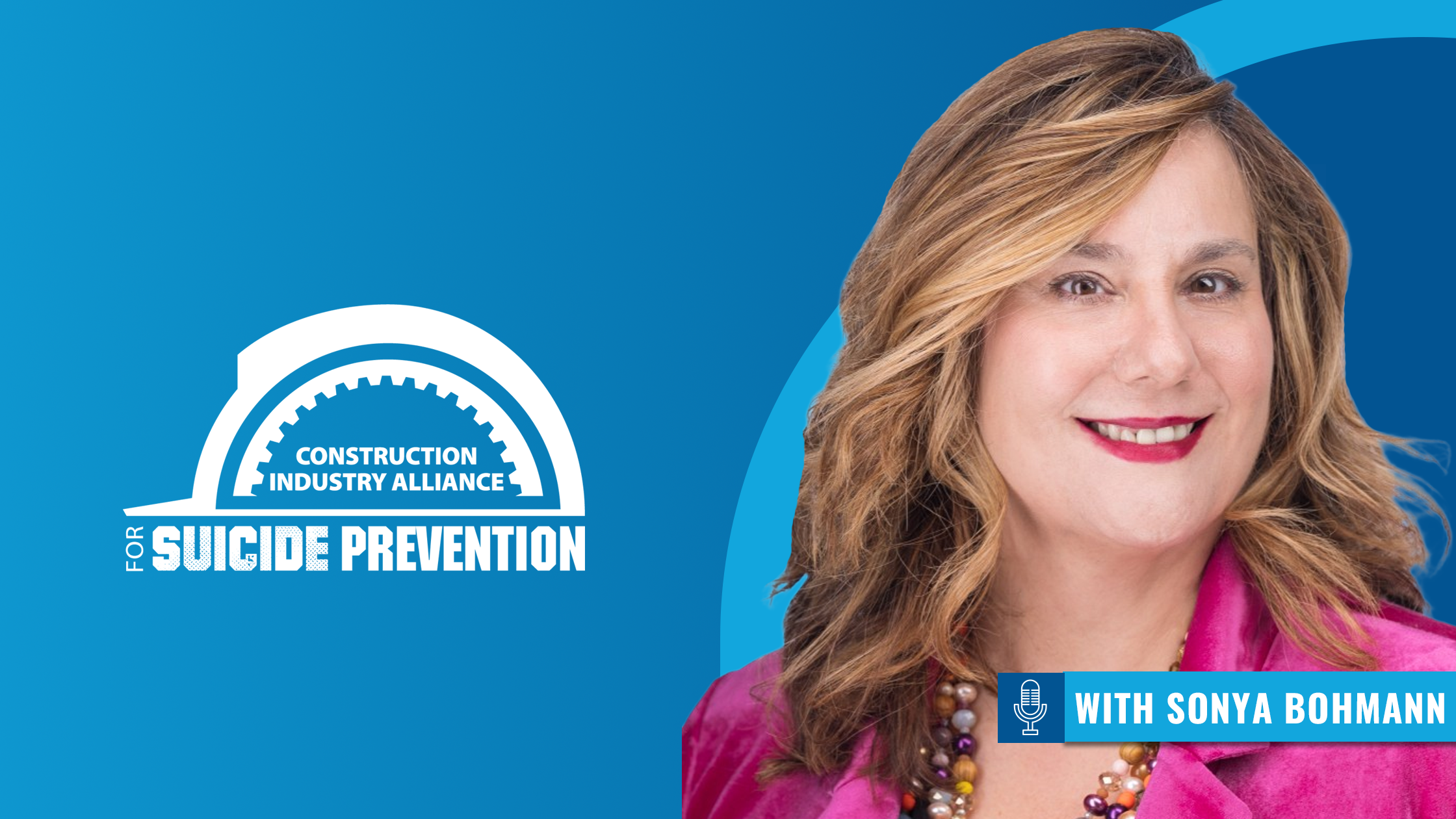
Building a mental health program in construction can feel like trying to solve a complex engineering problem without a blueprint. In this field guide, we show you how to use CIASP resources to move from simple awareness to a “Culture of Care” that protects your entire workforce. Featuring insights from Sonya Bohmann, we explain how to build a program from scratch and support all workers in our industry so they can thrive for the long haul.
A field guide to building a construction mental health program from scratch
For a long time, the construction industry has treated mental health like a “hot moment” priority. We discuss it once a year during a safety week or after a tragedy. However, to truly save lives, we must treat mental health as a core company value that is just as important as wearing a hard hat or a fall protection harness. As Sonya Bohmann, the Executive Director of the Construction Industry Alliance for Suicide Prevention (CIASP), points out, we need to make it part of our everyday standard.
Bohmann brings a unique perspective to this fight. She spent years as an executive in the reconstruction and facilities maintenance world before leading the charge at CIASP. Her vision is simple yet bold: to create a “Zero Suicide Industry.” This means moving past the stigma and building systems where every worker feels safe asking for help before they reach a breaking point.
We want to give you the exact steps to deploy CIASP resources regardless of your company’s size. We also take a deep look at the unique stressors that women face on the job site. By addressing the emotional toll of being the only woman in the room, firms can ensure that their female talent not only enters the industry but also stays and leads it.
“I think we’ve seen this shift from a moment to a movement,” Bohmann says. “But now it needs to become a standard.”
Phase one: The “Starting from Zero” blueprint
For small- to mid-size contractors, the goal of a mental health program is to build a solid foundation using tools that already exist. Bohmann suggests three specific steps to get your program off the ground and ensure it actually works for your team.
1. The STAND Up pledge
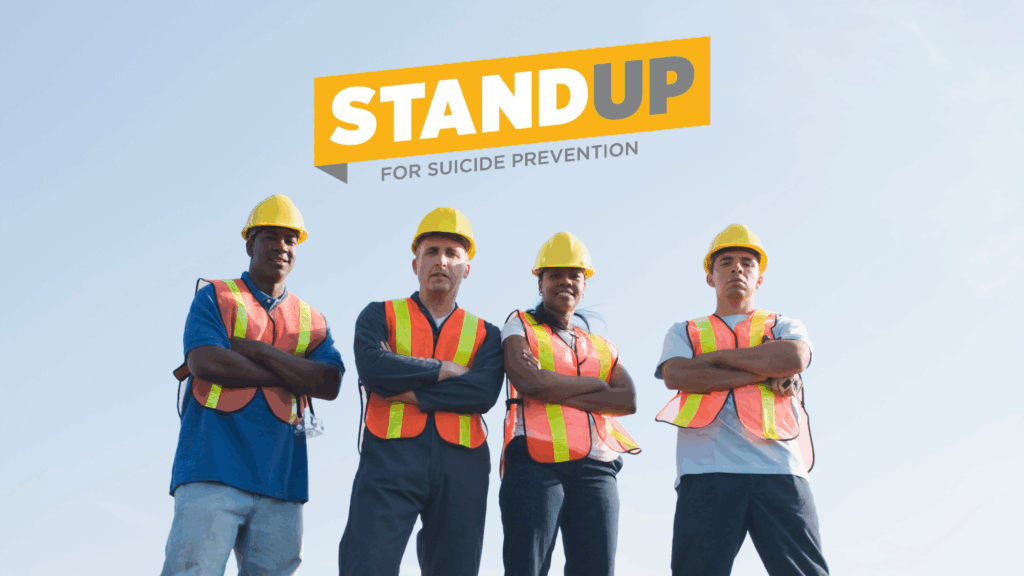
The very first step for any company is to take the STAND Up Pledge through CIASP. This serves as a clear signal to every person on your payroll that leadership is ready to acknowledge the problem. By taking the pledge, you signal to your workforce that you are committed to addressing mental health. “The standup pledge is a really good signal to their company and a good starting point to say, we’re ready to do this,” Bohmann says.
2. The needs analysis
Once you have made the commitment, the next logical step is to look at what you already have. The Needs Analysis tool helps you evaluate your current setup and find the gaps. This tool is detailed enough to help you ask the right questions, such as who is responsible for these programs. As Bohmann points out, “If there’s no one responsible for it. It doesn’t really exist, right? It’s out there. No one’s managing it. No one’s pushing it, no one’s making sure that it’s utilized.” This step moves mental health from a “nice idea” to a managed part of your business operations.
3. The EAP audit
Most companies have an Employee Assistance Program (EAP), but many owners do not know what it actually covers. Bohmann recommends doing an audit to see if your EAP is robust enough for the construction world. A good program should cover more than just basic counseling. It needs to include behavioral health support, financial advice, and even help for family members. Because construction workers often face stress from travel or financial pressure, having these specific resources can make a huge difference.
Phase two: Building a “Culture of Care” through drip-marketing
Once you have the foundation in place, the next goal is to make mental health a normal part of your daily routine. This does not have to happen all at once. Bohmann suggests a drip marketing approach, which involves sharing small bits of information over a long period. This keeps the topic fresh in everyone’s minds without it feeling like a one-time speech.
Normalizing the conversation
One of the best ways to start is by moving away from grand, performative gestures. Instead, make small, visible changes people see every day. Bohmann recommends adding the 988 crisis line to your email signatures or putting it on posters in common areas. When workers see these resources in their everyday environment, it helps reduce stigma. It shows the company is committed to providing support 365 days a year, not just during a safety week.
Utilizing the calendar
You do not have to reinvent the wheel when it comes to training. Use the existing industry calendar to guide your efforts. For example, you can use Mental Health Month in May or Suicide Prevention Month in September to introduce specific toolbox talks. CIASP provides templates and micro-learning tools that make this easy. By using these moments to lead real talk sessions, you turn a regular safety meeting into a life-saving conversation.
The “Warm Handoff”
Every construction company has a plan for what to do if someone falls or gets hurt, but few have a plan for a mental health crisis. Bohmann highlights a new tool called the Warm Handoff. This is a crisis management plan specifically for suicide or overdose intervention. It helps you identify your touch points, the people who need to be brought into the conversation to keep someone safe. Knowing exactly where to take a person and whom to contact in a crisis can prevent a tragedy before it happens.
“We tell everybody in construction you need a crisis management plan,” Bohmann says. “But how often does that crisis management plan include suicide or overdose? And what are you going to do when you come in contact with that?”
The “only woman in the room”: Retention through psychological safety

Getting women into construction is a great first step, but keeping them there is the real challenge. Many companies focus on hiring quotas but overlook the environment the person is entering. Bohmann explains that for a woman to stay in the industry, she needs to feel more than just “welcome.” She needs to feel psychologically safe.
The invisible load
Women in the trades often carry what Bohmann calls an “invisible load.” On top of doing a hard job, they often face higher psychological stressors. This can include feeling they must prove themselves twice as much as their male coworkers or experiencing isolation as the only woman on a crew. This extra pressure leads to burnout much faster. Bohmann points out that many women leave not because they cannot do the work, but because the mental toll of being the “only one” becomes too heavy to carry every day.
Mental health PPE
Just like we use gloves and glasses to protect our bodies, women in construction need “mental health PPE” to protect their minds. “Find your people,” Bohmann says. This means getting involved in industry subgroups like Women in Construction or Women in Asphalt. These groups enable women to connect with others who understand their specific challenges. Having a peer network acts as a safety net, ensuring no one has to face job-site pressure alone.
Culture shift over hiring quotas
If you want to retain female talent, you have to look at the daily culture of the job site. Bohmann is very direct about what actually matters to workers. It starts with basics, like having clean, secure facilities. It also means having a zero-violence policy and realistic schedules that allow for a life outside of work. When a company prioritizes these things, they create a space where everyone can thrive.
“We have to stop looking at them as a woman or a man,” Bohmann says. “We have to look at them as human beings and what they need to be successful in their job.”
Redefining the standard: Language and leadership
The way we talk about mental health is just as important as the tools we use. If a worker feels they will be judged for speaking up, they will stay silent. Bohmann believes that changing our language and understanding the specific stresses of our industry are the keys to a better leadership model.
Safe messaging
For a long time, the industry used labels that made people feel ashamed of their struggles. Bohmann advocates adopting person-first language. “When I talk about language, I like to equate it to physical health … It’s about creating spaces again where people are seen and heard and supported, and how we treat physical health and mental health have to be equal.” For example, she compares a mental health struggle to a “frozen shoulder;” a condition that needs treatment and time to heal, not a character flaw or a sign of weakness. When leaders use safe messaging, they create an environment where it is okay not to be okay. This shift in language helps workers feel supported as people, not just as tools for the job.
Isolation and industry legacy
Bohmann’s experience in facilities maintenance gives her deep insight into the industry’s legacy that harms our mental health. Many construction roles require extended travel, night shifts, and complete isolation from family. “Many times you are trying to work at night so that a facility can be up and running again the next day,” she says. “It really highlighted the isolation for me and the sleep deprivation pieces of it. You see the toll that it takes on people.”
Bohmann points out that these factors create a perfect storm for depression and anxiety. Leaders need to recognize these risks and build in ways for workers to stay connected to their support systems, even when they are hundreds of miles away from home.
“If you have a frozen shoulder, you go to the doctor, and you get it fixed,” Bohmann says. “We need to look at our brain the same way. It is just another part of our body that might need help.”
Actionable next steps
Building a Culture of Care is an ongoing commitment to the people who build our world. By using CIASP tools and listening to each worker’s unique needs, contractors can shift from reactive safety to proactive care.
Provocative standards
Some people think that aiming for “Zero Suicide” is an impossible goal in such a high-pressure industry. However, Bohmann argues that we must be provocative to drive real change. In the trades, there’s no acceptable amount of falls or equipment accidents, and we shouldn’t accept any number of lost lives to mental health, either. Aiming for zero is the only way to ensure we do everything in our power to protect our workforce. It sets a high bar that forces us to stay vigilant every single day.
“I think we’ve seen this move from a moment to a movement,” Bohmann says. “But now it needs to become a standard.”
Resource directory
Use these direct links to the CIASP resource hub to start your journey:
- The Stand Up Pledge: Take the commitment here
- Needs Analysis Tool: Evaluate your company’s gaps
- Toolbox Talks: Download ready-to-use safety talks
- The Warm Handoff: Access the crisis management guide
Check out these other articles on building a better construction culture:
- Why safety culture should be a priority for worker retention
- Women in Construction Week highlight: Build like a girl
- How to attract more women to the construction industry
Want to stay ahead of the curve on people, process, and technology in the AEC industry? Subscribe to our newsletter today to get the latest insights delivered straight to your inbox.