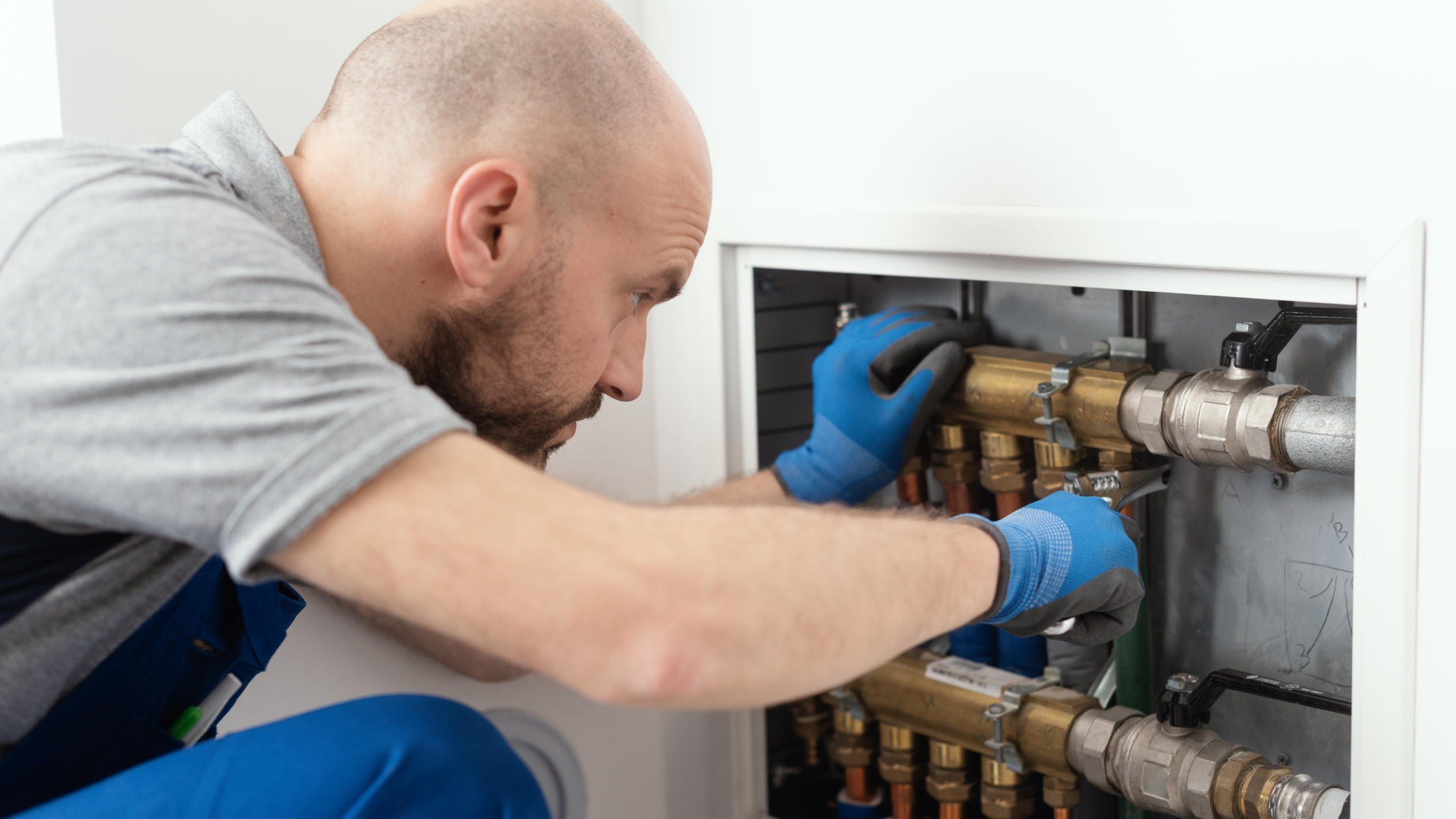
Entering a skilled trade is a huge choice that requires looking past the high pay to see the actual daily grind. This guide breaks down the honest benefits and the difficult trade-offs of the plumbing industry to help you decide if the long-term career fit matches your personal goals. We want to give you a clear look at earnings and job security, as well as the physical demands and messy situations you’ll face on the job.
Pros and cons of being a plumber
Deciding to become a plumber is a popular move right now because the trade offers a rare mix of high wages and total job security. However, it is not a career that suits everyone, and the best way to choose your path is to weigh the real pros and cons side by side. Most people struggle with this choice because they hear about the big paychecks but do not realize how much physical work and technical skill it takes to reach that level.
Taking an honest look at the daily reality helps you avoid a costly career mistake. We’ll cover the factors that actually matter—what the work is like, how the pay grows over time, and what kind of people tend to stick with the trade long-term.
The biggest pros of being a plumber
If you’re looking for a career that offers long-term growth and a solid paycheck, plumbing has some major advantages. The national average salary for a plumber sits around $62,970 a year, and that’s the middle of the range. Where you land on the pay spectrum depends on your license, specialty, and where you work.
Unmatched job security and recession resistance
Plumbing is considered an essential service for a very simple reason. People can live without a new car or a fancy phone, but they can’t live without clean water and working toilets. This makes the trade very stable even when the economy is struggling. While office workers might worry about layoffs during a recession, plumbers usually stay busy fixing leaks and broken heaters that people simply must have repaired.
Job security is even stronger right now due to a massive labor gap in the United States. Recent industry reports from LIXIL indicate that the country will face a shortage of about 550,000 plumbers by 2027. This gap is caused by many older pros retiring with fewer young people entering the field to replace them. For you, this means that as long as you have your license, you will likely never have to worry about finding work.
For contractors, that shortage presents challenges and opportunities. Shops that are actively recruiting and training apprentices will have the crews to take on bigger jobs in the next five years. The ones that aren’t will be turning down work.
High income potential and business ownership
Your earning power in plumbing grows quickly as you gain experience. Most tradespeople start their journey by earning while they learn. As an apprentice, you get a paycheck from day one. Once you put in the time and earn your master plumber license, your income can easily climb into the six-figure range.
One of the best parts of this trade is how easy it is to start your own business. Compared to opening a restaurant or a tech company, the cost to start a plumbing service is relatively low. If you have a truck, your tools, and your license, you can be your own boss. Many independent plumbers enjoy a level of financial freedom that is hard to find in other jobs.
Beyond just the paycheck, overtime earnings can add 10-25% to a plumber’s annual income, and performance bonuses tied to customer satisfaction or sales can add even more. For those who grow into their own business, owning and running an efficient shop can push earnings well into the six figures, but it’s highly dependent on how well you run the business side.
Tangible results and psychological satisfaction
There is a real mental health benefit to doing work where you can see the results immediately. In many modern jobs, you might spend all day sending emails without ever seeing a finished product. In plumbing, you walk into a house with a major problem and leave a few hours later with a happy customer and a perfectly working system. Seeing a leak stop or a cold house become warm again gives you a sense of pride and accomplishment at the end of every shift.
High-tech specialization options
The plumbing trade offers several high-tech paths that pay substantially more than general service work. Once you have the core skills and a license, they’re easily accessible.
- Medical gas systems: This involves installing and maintaining the life-saving oxygen and vacuum lines in hospitals. Because of the high risk and the need for specialized brazing and installer certifications, these roles command a premium.
- Solar thermal: These specialists set up systems that use sunlight to heat water for homes and businesses. Demand for this sector is growing alongside energy efficiency incentives and green building codes.
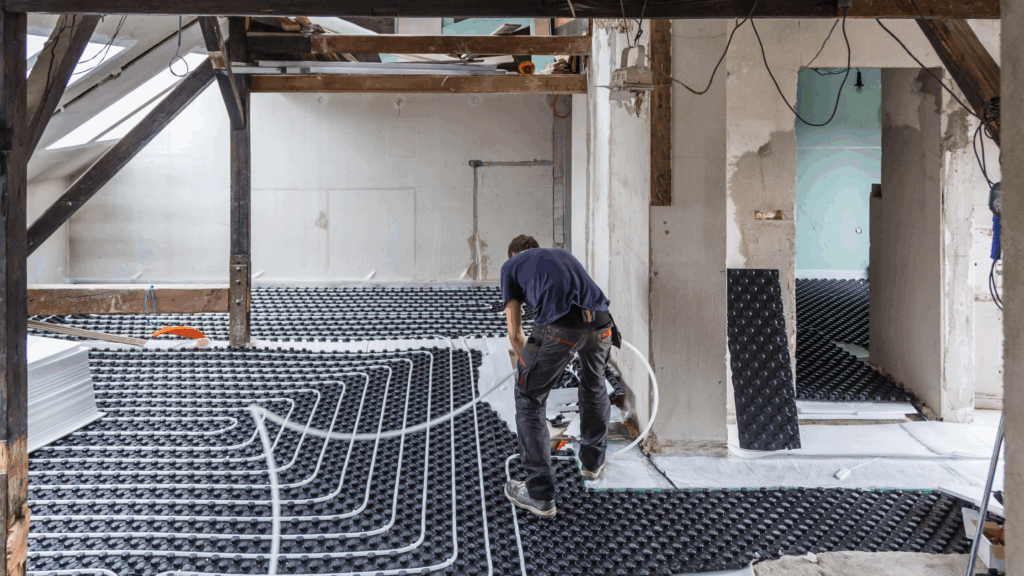
- Hydronic heating: This specialty focuses on complex systems that use liquid to move heat through floors and radiators. Demand for this specialty is particularly strong across the Northeast and Midwest, where radiant heating is a standard for luxury and energy-efficient builds.
| Specialization | Average annual salary | Top-tier earning potential |
| Medical gas plumber | $49,500 – $72,500 | $85,000+ |
| Solar thermal technician | $57,650 – $61,369 | $89,000+ |
| Hydronic heating specialist | $64,888 – $71,323 | $91,000+ |
These specialized roles move you away from standard repairs and into the world of advanced engineering and construction. For contractors, having a certified specialist on your crew means you can access jobs that most shops can’t bid on.
The biggest cons of being a plumber
While the benefits of the trade are strong, it’s important to look at the challenges that come with the job. Plumbing is a demanding career that requires a high level of physical and mental toughness. Understanding these trade-offs now will help you decide if you are ready for the long-term reality of the work.
The heavy physical toll
After 20 or 30 years of kneeling on cold concrete, crawling through tight spaces, and lugging heavy gear, the constant strain can lead to lasting issues with your back, knees, or shoulders. You can’t avoid the physical reality of the trade. This is why so many experienced plumbers eventually shift into roles like management or site inspection later in their careers.
The smartest move is to think about this early. Plumbers who build a physical maintenance routine, stretching, strength training, and know when to call for help, can typically stay in the field longer rather than being forced out by an injury.
Exposure to hazardous environments and materials
Plumbing is often a dirty job that puts you in contact with things most people want to avoid. You will frequently deal with raw sewage, mold, and various household chemicals. There is also a real risk of being exposed to bacteria or viruses while working on drain lines. Beyond the mess, there are serious safety risks involved with high-pressure water systems and steam lines. You have to be extremely careful and follow strict safety rules to avoid burns or injuries when working with heavy machinery and pressurized pipes.
It’s also worth flagging to contractors that proper PPE protocols and safety training are matters of liability. A crew that cuts corners to save time and money is a workers’ comp claim waiting to happen.
Unpredictable schedules and emergency calls
If you choose to work in residential service, your schedule might not always be your own. Pipes do not just burst during regular business hours. Being a plumber often means being on call for middle-of-the-night emergencies or working long shifts on weekends and holidays. This can make it difficult to maintain a steady work-life balance. While emergency calls usually pay much more, they can also lead to burnout if you do not manage the unpredictable schedule.
For shop owners, on-call coverage is one of the trickiest parts of owning a service business. Building an on-call rotation that spreads across your entire team is one of the most important retention tools. Burnout is one of the leading reasons people leave the trade.
The apprentice grunt work phase
The first two years of your career will likely be the most difficult. As a new apprentice, you are at the bottom of the ladder, which means you get the least desirable tasks. You’ll be spending a lot of time digging trenches in the mud, hauling heavy materials, and cleaning up messy jobsites. During this phase, your pay is at its lowest while your physical workload is at its highest. This is the period when many people drop out of the trade. If you can push through this grunt work phase, the job becomes much more technical and rewarding as you gain your license.
For shop owners, this highlights the importance of intentional mentorship. Apprentices who feel like they’re actually learning, and not just doing someone else’s dirty work, are far more likely to stick around. Giving a young technician space to try things out and even make mistakes is essential for their development. Mentorship, regular feedback, and clear goals build a personal connection and loyalty to your business.
Who tends to find plumbing worth it?
Deciding if the pros outweigh the cons usually comes down to your personality and what you want out of a workday. While pay is a major draw, people who stay in the trade for 30 years tend to share specific traits.
The practical problem solver
No two service calls are ever the same. You might spend one afternoon tracing a hidden leak through a basement wall and the next morning figuring out water pressure math to keep a high-rise system running smoothly. Finding the best path for every pipe is a constant challenge, but that’s exactly why the job never feels repetitive. If you’re the kind of person who can’t help but take things apart to see how they work, you are going to thrive on these types of daily puzzles.
The active worker
This career is a great fit for those who genuinely dislike sitting at a desk all day. As a plumber, you are rarely in the same place for long. You might visit four different homes in a single day or spend weeks on a massive commercial construction site. If you prefer to be on the move and want a job that keeps you physically active, you will find this much more satisfying than a typical office routine.
The entrepreneurial mindset
Plumbing is one of the best trades for individuals who want to build something of their own. Because the cost of starting a service business is relatively low, it attracts people motivated to build a personal brand. If your ultimate goal is to lead a team, manage a fleet of vans, and grow a company from the ground up, the path from apprentice to business owner is very clear in this field.
The resilience test
Perhaps the biggest predictor of success in plumbing is your level of physical and mental resilience. You have to be okay with working in uncomfortable environments, such as a hot attic in the summer or a muddy trench in the winter. Success in the trades often comes down to adaptability; being able to solve complex problems while dealing with cramped, dirty, or noisy jobsite conditions.
A high tolerance for messy work and the ability to stay focused when repairs get difficult are what separate professionals from those who struggle in their first year. If you can handle the grit, the rewards are well worth it, as the trade offers strong long-term stability and excellent earning potential.
Further reading:
- 12 best gifts for plumbers they’ll actually use
- How to become a plumber in 5 simple steps
- Plumbing apprenticeship: how to get one and become certified
Want more breakdowns like this one—pay data, career paths, and honest looks at the trades? Subscribe to the Under the Hard Hat newsletter.