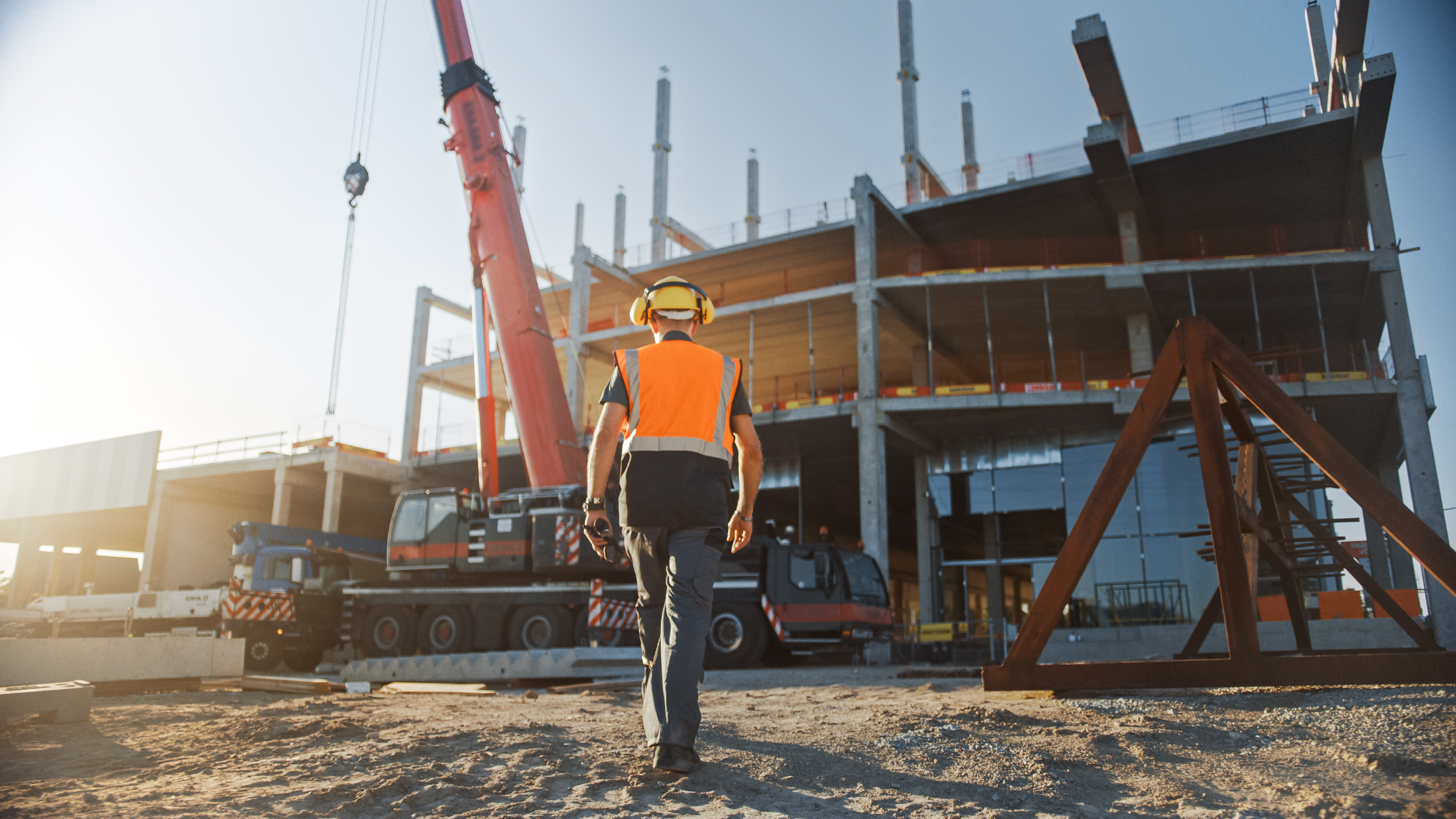
If you’re trying to understand the different types of construction projects, you’re really asking a bigger question: how does each type of job actually work? You’re likely trying to figure out what kind of projects are out there, how they differ, and what that means for the kind of work you might take on. The category matters more than most people think. It shapes everything from how crews are staffed to how risk is managed, how timelines are built, and where the work is heading next.
Project types bring to life how the work gets done
Contractors don’t treat project types as labels—they treat them as signals. The type of job affects how you price it, how you staff it, what tools you need, and how much risk you’re taking on. Two jobs might look similar from the outside, but once work starts, they can feel like completely different kinds of work.
At a surface level, the labels are straightforward. Residential is homes and apartments. Commercial covers offices and retail. Industrial deals with warehouses and plants. Mixed-use combines different functions, while civil works handle roads and infrastructure. But once you’re on the job, those categories start to mean something very different. Each different construction project type runs its own way. Residential jobs tend to move quickly and rely on trades to keep pace. Institutional work slows things down due to approvals and compliance, while industrial projects demand greater precision, especially when systems are involved. Infrastructure work operates on a scale that changes how everything gets planned.
That’s why the type of job affects how you price it, how you staff it, what tools you need, and how much risk you’re taking on. Two jobs might look similar from the outside, but once work starts, they can feel like completely different kinds of work.
You’re also seeing the mix of work change right now. Residential construction has slowed in many areas as rising interest rates and affordability challenges put a wrench in projects. At the same time, other areas are picking up. Industrial construction is one of the fastest-growing areas—1.8 billion square feet of industrial space has been delivered across the U.S. since 2020, driven by demand for logistics and data centers.
Infrastructure is getting a push from public funding, with the Infrastructure Investment and Jobs Act (IIJA) investing $1.2 trillion over 5 years to rebuild roads, bridges, public transit, broadband, and utilities. Mixed-use is becoming more prevalent as cities try to build denser around transit. That shift is starting to reshape where contractors spend their time—and how they think about the work ahead.
6 main types of construction projects
1. Residential
Residential construction covers everything from single-family homes to large apartment buildings and high-rise towers. This is one of the most labor-heavy parts of the industry. Much of the work depends on skilled tradespeople working quickly and efficiently. Framing, electrical, plumbing, finishing—everything stacks together in tight timelines.
The sector’s sensitivity to external influences is the challenge. Residential construction projects are hit hard by changes in interest rates, material costs, and housing demand. The moment borrowing becomes expensive, projects tend to slow. Rising costs shrink margins. This is why productivity is so important here; when builds take longer or cost more than expected, home buyers are the ones who have to foot the bill, and that’s a major affordability issue.
Some contractors are backing away from residential work. Not because there’s no demand for it, but because the risk is just too high to manage. Delays, unpredictable cost swings, and those dwindling margins make it less predictable than other project types.
2. Commercial
Commercial construction projects involve big-ticket items such as office buildings, retail spaces, hotels, and large mixed-use properties. These jobs have a lot of moving parts—multiple stakeholders, many approvals required, and extensive coordination across teams and systems. Owners, tenants, designers, inspectors, and sometimes even multiple end users are all involved. Before you can even start breaking ground, the planning phase alone can drag out for months.
Since COVID, the commercial sector has shifted. There’s been a big change in demand for traditional office space, and in many cities, new office buildings are being replaced by conversions—turning office buildings into homes or mixed-use spaces. That increases complexity, as you’re not starting from scratch; you’re working with existing buildings, which means dealing with unknown conditions and figuring things out as you go.
For contractors, commercial work can still be pretty steady, but it requires much more upfront planning and tighter coordination than residential work.
3. Mixed-use
Mixed-use projects combine different functions into a single development—residential units, retail, office space, and sometimes even transit connections. These can be built vertically, like a high-rise with retail at the base and apartments above, or horizontally, where multiple buildings are connected across a site.
A lot of these projects are tied to transit-oriented developments. Cities are pushing density near transit lines to reduce sprawl and make better use of infrastructure. For developers, mixed-use spreads risk. If one part of the project slows down—say, retail—other parts, like residential, can still perform.
For contractors, mixed-use projects are more demanding in terms of coordination. They require managing multiple types of work within one project—each with its own systems, inspections, and handoff points. Each area can have completely different trades, timelines, and client expectations running at once. Getting the sequencing right is more important here than in most other project types.
4. Industrial
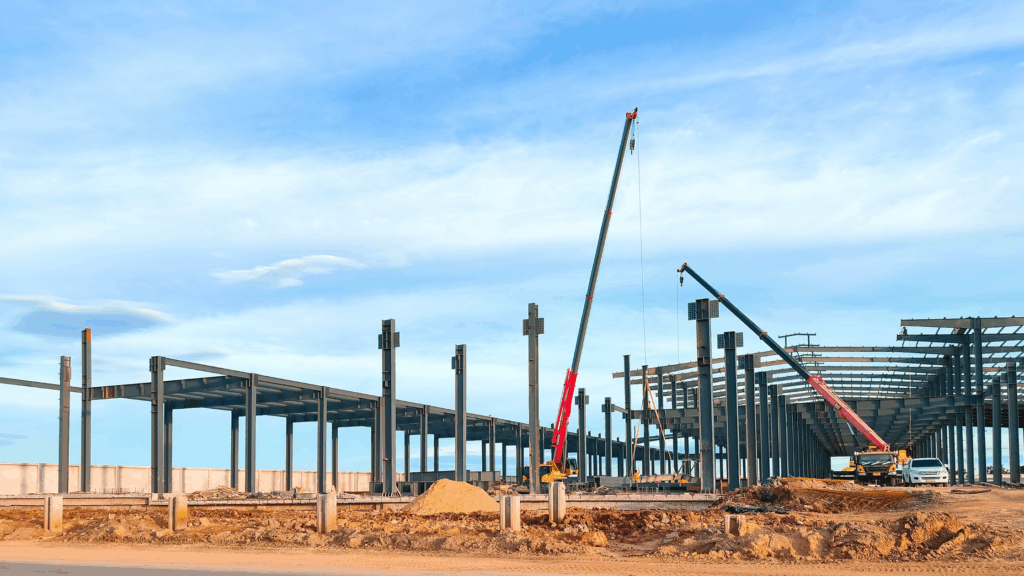
Industrial construction projects include warehouses, manufacturing plants, distribution centers, and data centers. This is currently one of the fastest-growing areas. Much of it is tied to changes in supply chains, manufacturing returning closer to home, and increased demand for data storage and processing.
These projects go beyond building the structure. They involve installing the equipment, control systems, and infrastructure needed for the facility to operate. There’s also pressure to move quickly, since these sites begin generating revenue once they’re up and running.
Industrial work can be profitable for contractors, but it comes with a higher barrier to entry. You need the right technical skills and a solid understanding of the systems involved. It’s very different from typical commercial work—the installations are more complex, and the sequencing takes more planning.
5. Institutional
Institutional projects include schools, hospitals, government buildings, and other public facilities. These projects are typically funded through public programs, which often come with strict compliance requirements and detailed approval processes. Timelines can be long, with significant planning and review required before construction begins.
Once a project is approved, it tends to move forward with fewer funding surprises. That makes this type of work appealing during slower periods in the private sector. For contractors, institutional work can offer stability. The trade-off is the time it takes to get through approvals and the level of documentation required along the way.
These projects also tend to have higher standards for safety, accessibility, and long-term performance.
6. Civil and infrastructure
Civil and infrastructure projects include roads, bridges, public transit systems, utilities, and other large public works, and these projects are typically long-term. They often take years and require large crews, a massive amount of heavy equipment, and highly complex coordination.
Government funding plays a major role here. Right now, there’s a strong push across North America to invest in infrastructure, which is creating steady pipelines of work. This type of project offers scale and consistency for contractors and crews. The work is less affected by short-term market swings compared to residential or commercial construction.
The trade-off is complexity. These projects require detailed planning, coordination with multiple agencies, and the ability to manage large teams over long periods.
How project types impact contractors
Risk
Risk doesn’t manifest in the same way across all types of construction projects.
In residential construction, the risk is closely tied to market conditions; when interest rates rise or demand decreases, projects can stall or be put back in the queue. That leaves contractors trying to make ends meet on tighter and tighter profit margins while dealing with the uncertainty that comes with it.
Industrial construction projects bring a different kind of exposure. The work is often tied to systems that need to function the moment the project is complete. If something goes wrong during installation, it can affect operations, not only the build. Civil and infrastructure work tends to have more stable funding, but the scale of the work raises the stakes. A delay on a large project doesn’t stay small—it grows quickly.
Where the risk sits often determines what kind of work a contractor is willing to take on and how they price it.
Workforce
Crews don’t look the same from one project type to another.
On residential jobs, it’s about speed and density. Multiple trades move through tight spaces, often working in sequence and under pressure to keep things moving. The pace is fast, and coordination happens on the fly. Shift over to commercial or mixed-use projects, and the picture changes. Larger teams are involved, and scheduling becomes more structured. Multiple systems need to be installed simultaneously, which requires more planning and tighter coordination.
Industrial work tends to be all about specialists—not every electrician is going to know how to work with automated systems or handle super-complex installations, so there is a smaller pool of labor to draw on. Civil and infrastructure projects are a whole different situation, as these jobs require large crews, heavy machinery, and the coordination that comes with working at a massive scale.
For contractors, workforce planning isn’t fixed—it changes with the type of work they’re doing.
Equipment
The tools and equipment needed on a job say a lot about the type of project you’re dealing with.
Residential work tends to rely on smaller tools and mobility. Crews need to move quickly, often carrying what they need from space to space. On commercial construction projects, you start to see more equipment brought in—lifts, cranes, and systems that support vertical building.
Industrial projects shift the focus again. It’s less about volume and more about precision. Equipment is tied to installation and integration, where accuracy matters more than speed. Civil and infrastructure work sits at the far end of the scale. Heavy machinery takes over—excavators, graders, paving equipment—along with the costs of operating them.
The type of equipment required can shape what work a contractor can pursue in the first place.
Timelines
Every project runs on a timeline, but how that timeline rolls out depends on the type of work.
Residential projects can move at a rapid pace. Crews work through tasks in a very specific order, but one minute they’re moving ahead, and the next they’re held up by a market shift or a problem with material access. Commercial builds, on the other hand, take a very different approach. A lot of time is spent up front on planning, approvals, obtaining permits, and working out all the other details that must be in place before a single shovel goes into the ground.
Mixed-use projects stretch things further. With multiple functions built into one development, timelines become layered and harder to compress. Industrial construction projects can move quickly once underway, but only if the planning phase is tight. There’s little room for error when systems need to come online at the end. Civil and infrastructure projects operate on a longer horizon. These are multi-year builds with phased work and extended schedules.
For contractors, timelines affect everything—cash flow, staffing, and how many jobs can realistically be handled at once.
Where the work is shifting right now—and what it means for contractors
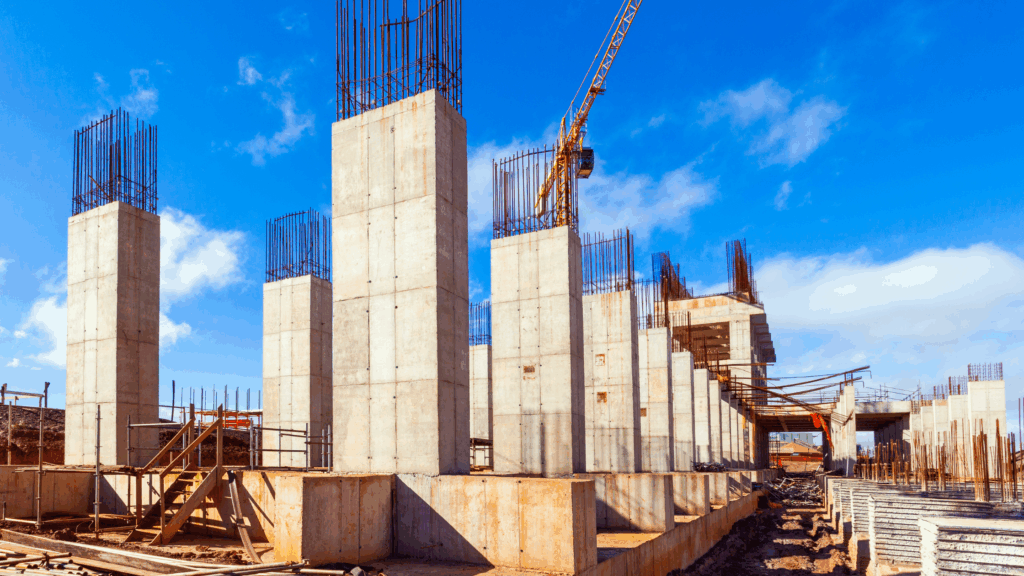
Construction isn’t slowing down—it’s shifting. Residential construction has slowed in many regions. Industrial, infrastructure, and mixed-use are picking up speed. For contractors, this is both a challenge and an opportunity.
The challenge is that sticking to a single type of construction can limit your options when that sector slows. The opportunity is for contractors who pay attention to where the work is flowing to position themselves ahead of the game—expanding into new areas, building partnerships, or investing in different equipment to take on different types of jobs.
It also means thinking differently about crews and skills. The type of work you pursue affects who you hire, how you train them, and how you keep them working. A crew built for fast-paced residential work isn’t automatically ready to tackle industrial precision. Building this takes time, which is why contractors who keep this top of mind are better positioned when the market shifts.
Final thoughts
Understanding the different types of construction projects isn’t only context—it’s a practical tool. The type of work you do shapes your risk, your crew, your equipment, and your timeline and cash flow in ways that matter every day on the job. Knowing these differences helps you make better decisions about pricing jobs, staffing them, and completing them.
The construction market is shifting faster than most contractors can keep up with. For practical breakdowns on where the work is moving, how to price it, and what it takes to stay ahead—subscribe to the Under the Hard Hat newsletter.