7 tips to keep your mental health in check over the holidays
Mental health can be tough to manage over the holidays. Lowering expectations, prioritizing exercise, and setting boundaries can help.



Mental health can be tough to manage over the holidays. Lowering expectations, prioritizing exercise, and setting boundaries can help.
Sonya Bohmann, Executive Director of CIASP, is tackling high suicide rates in construction through education, resources, and leadership.

Herbal medicines can provide natural support for mental health. Consider trying lavender, linden, passionflower, and St. John’s wort.
Get mental health support on the go with popular apps like Calm and Headspace. From better sleep to mindfulness, these apps make self-care simple and…
Businesses and community organizations across Canada will use purple lights to celebrate the contributions of people with disabilities on October 17, 2024.
Mental toughness is about adaptation, discipline, and persistence—and it’s something you can develop over time through consistent practice and a positive mindset.
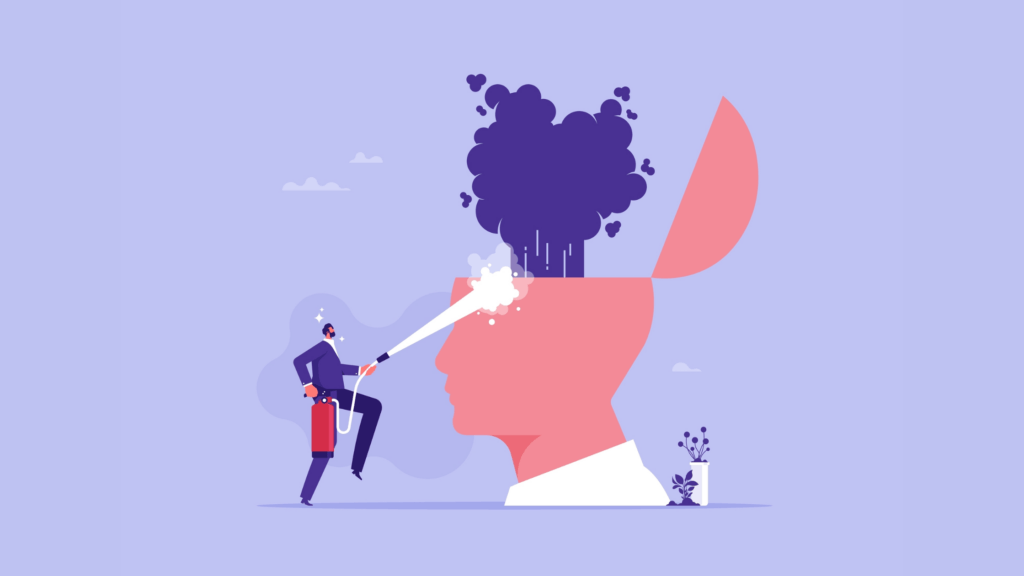
Don't let stress build up—take action. Stress is inevitable in the construction industry, but asking for help is a sign of strength, not weakness.
Construction workers experience high rates of depression. Watch out for signs like sleep loss, anger, and irritability.

Mental resilience is essential on the job site. Fostering connection, finding an outlet, and physical movement are simple ways to build mental resilience.
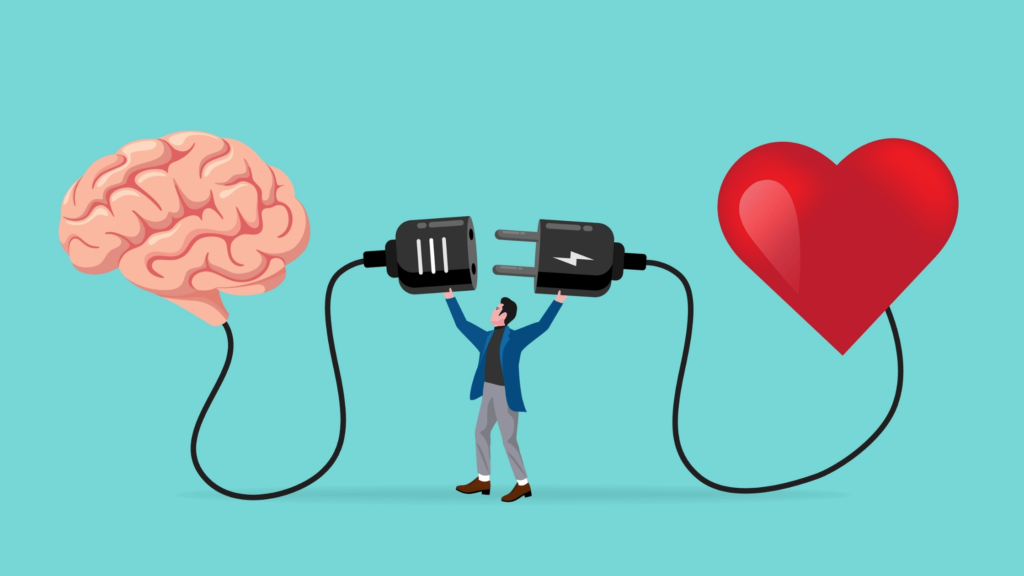
Strengthening your emotional intelligence—your ability to understand yourself and others—can make you happier, healthier, and more successful.
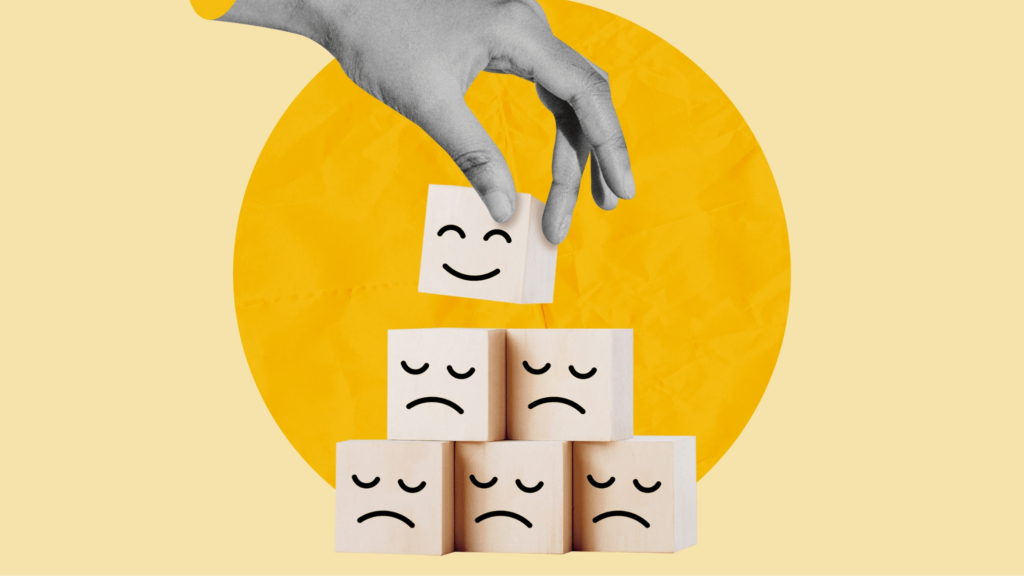
Feeling drained, overwhelmed, or irritable? These and others are signs you might need a mental health day to recharge and stay at your best.

WSIB recently expanded mental health coverage for insured workers through its program, giving them more access to mental health treatment.