National Sleep Awareness Week: What workers should know to stay safe on the jobsite
National Sleep Awareness Week highlights why sleep is a critical safety tool in construction and how managing fatigue helps prevent injuries on busy job sites.


National Sleep Awareness Week highlights why sleep is a critical safety tool in construction and how managing fatigue helps prevent injuries on busy job sites.

From clogged filters to ignition failures, here’s what to check when your furnace stops heating and when a specialist is needed.
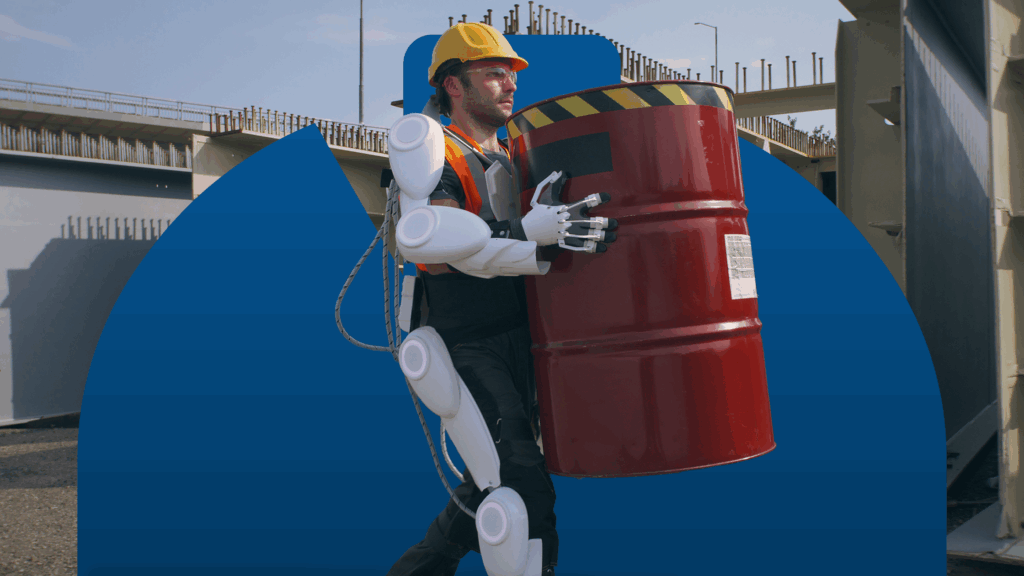
Construction safety in 2026 is being reshaped by technology, data, and a stronger focus on worker well-being. From AI monitoring and wearables to mental health…
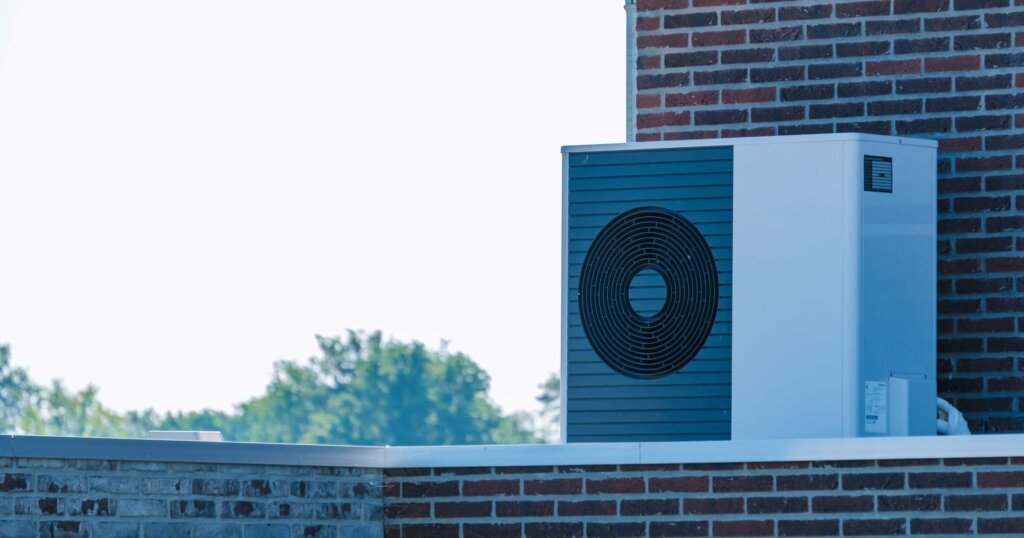
If your heat pump is blowing cold air, freezing up, or running nonstop, a few simple checks may solve the problem. This guide explains the…

Ergonomic injuries in construction build slowly through daily lifting, bending, and repetitive tasks. This article reveals the hidden risks, common strains, and practical steps—like better…

A practical guide to conducting a construction safety inspection, including what to look for, how to prepare, and OSHA-aligned follow-up steps.

The right safety software keeps your team compliant and connected. Compare top apps that track hazards, incidents, and inspections in real time.

This construction safety report offers a clear snapshot of safety in 2025, including key statistics, top hazards, and practical steps employers can take to protect…

From premium all-day rigs to budget picks, this guide compares top roof safety harnesses, key features, certifications, and how to choose the right fit for…

Virginia Tech’s Helmet Lab tested 17 construction helmets and crowned multiple Type II models as 5-star standouts. See which ones topped the list.
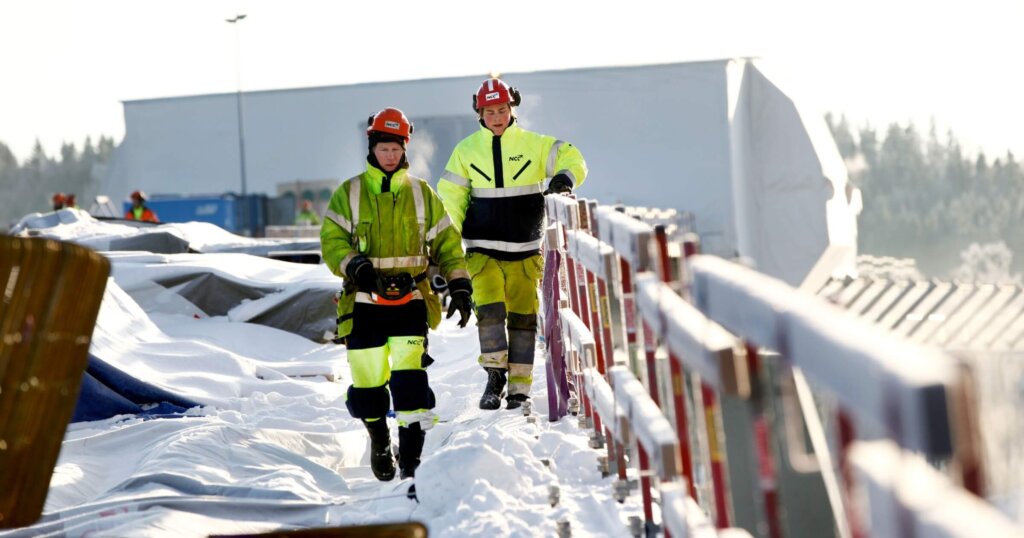
New data highlights how freezing weather is putting construction workers at greater risk, prompting calls for stronger safety protocols and cold-weather protection.
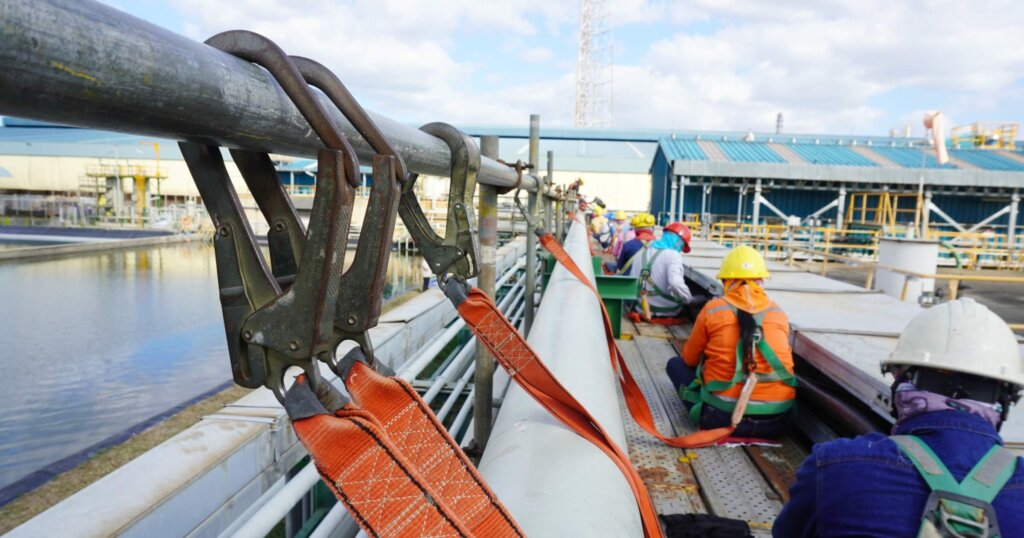
Scaffold fall protection is mandatory at 10 feet, but contractors who want safer, more efficient jobsites should go beyond OSHA basics. This article breaks down…