Developers and contractors want to know where to find the best data center markets; which regions offer the best mix of power, land, fiber, and cost so they can plan their next project with confidence. This guide looks at the top U.S. data center markets, why these areas are thriving, and what builders should keep in mind as demand for new data center construction continues to rise.
What defines a top data center market
Not every region is built for heavy data center growth. The best data center markets have a few key strengths that help lower risk and make long-term planning easier. One of the most significant needs is reliable power. Strong grids and nearby substations give operators steady electricity for large campuses.
These markets also have dense fiber networks and access to carrier hotels where major internet routes come together. This helps keep latency low for users in busy population centers and for companies that rely on fast connections to subsea cables.
Land cost plays a big part, too. Competitive real estate pricing makes it easier to build large sites without blowing the budget. Many top markets also offer tax credits or business incentives, which help lower operating costs over time.
Climate and natural disaster risk matter as well. Regions with fewer storms, floods, or wildfires give data centers greater long-term stability. Many companies also look for areas with good access to renewable energy, which helps support sustainability goals.
Finally, supportive zoning rules make a big difference. Markets that already allow large, power-hungry campuses can speed up construction and help avoid long delays during planning or permitting.
Macro backdrop
Data centers are growing fast in the United States as more people and businesses depend on cloud computing, streaming, online shopping, and AI tools every day. All of this activity requires a huge amount of power and digital space, which is why demand keeps climbing.
Analysts expect energy use from AI and data centers to rise by about 460 TWh between 2023 and 2030. This gives states a strong incentive to compete for new data center projects, as they bring jobs, tax revenue, and long-term investment.
Because of this rising demand, many regions are racing to attract large campuses, hyperscale data centers, and new AI facilities. The markets that can offer power, land, and strong connectivity are the ones pulling ahead.
Leading data center markets and their distinguishing features
Northern Virginia (NOVA)
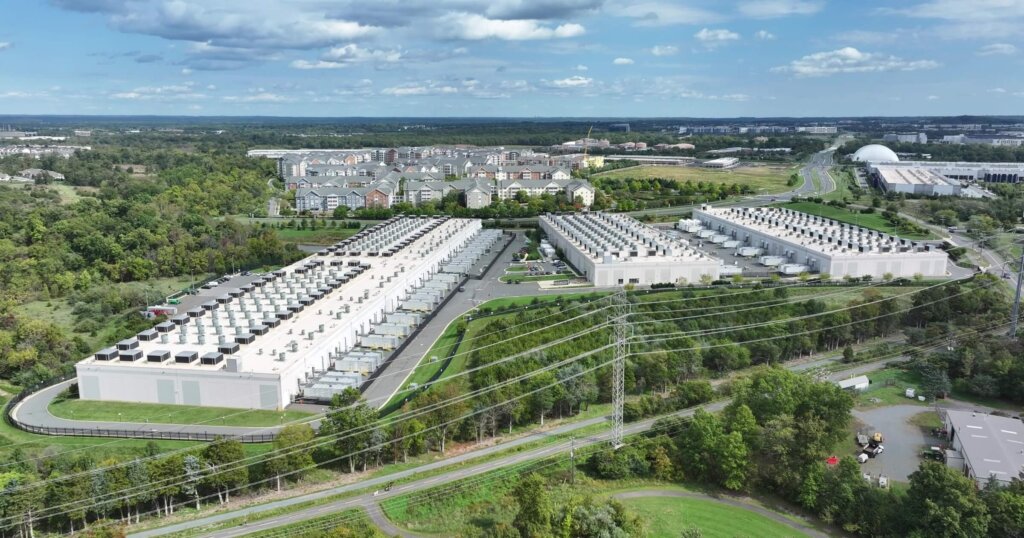
Northern Virginia has earned a reputation as the biggest data center market in the world. The area is packed with fiber routes and important internet exchange points, which give it some of the best connectivity in the country. Being close to Washington, D.C., also makes it a popular choice for cloud providers and federal agencies that need fast, reliable access.
The area also offers competitive tax incentives and a low risk of natural disasters, creating a stable and attractive environment for long-term growth. Strong power availability and a large, well-developed grid support the heavy demand from current and future data center campuses.
Dallas–Fort Worth, Texas
Dallas–Fort Worth has become one of the best data center markets in the country because of its central location and strong nationwide connectivity. The region has deep fiber routes that help lower latency across many U.S. metros.
It also benefits from competitive energy prices and a large power supply, which makes it easier for operators to scale. A business-friendly climate, plenty of land, and a growing corporate base continue to attract new development. Dallas–Fort Worth also has a strong interconnection footprint, which helps new builds connect quickly to cloud providers and carriers.
Phoenix, Arizona
Many companies are choosing Phoenix for new data center projects since the region is more affordable than California, but still well connected. The dry climate helps cooling systems work more efficiently. Phoenix also has access to renewable energy and is adding more clean power over time.
Phoenix’s relatively low disaster risk and ample available land give builders room to design and scale hyperscale campuses. These factors make the region especially popular among operators planning large, long-term deployments.
Atlanta, Georgia
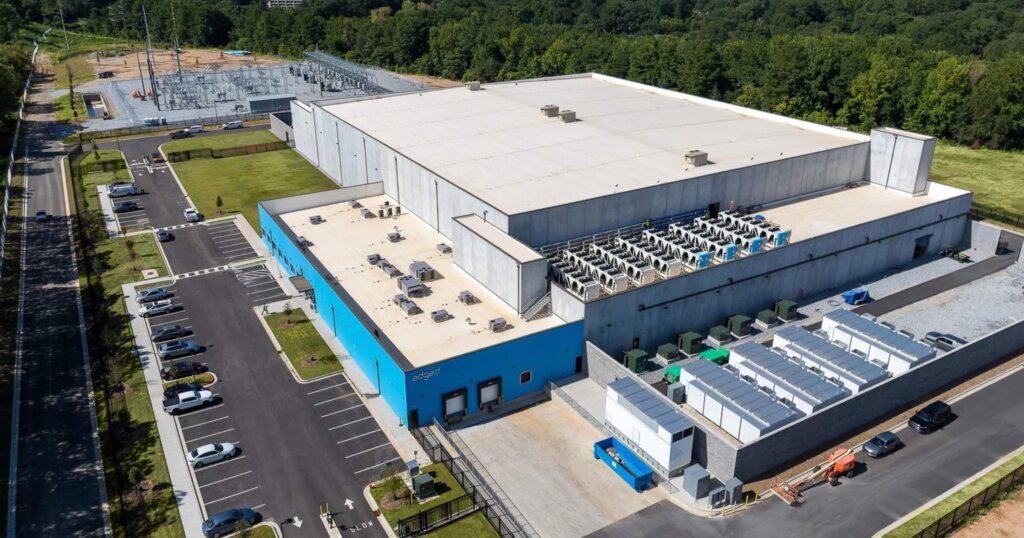
Atlanta is becoming one of the most important data center hubs in the Southeast thanks to its strong infrastructure and competitive business climate. The region sits on major fiber routes, which helps keep latency low for users across the eastern United States.
Atlanta also offers attractive state and local incentives that support large-scale infrastructure projects. The city’s growing enterprise base, access to reliable power, and proximity to a major international airport make it a strategic choice for operators building new capacity.
Chicago, Illinois
Chicago is one of the most established data center markets in the central United States. Its location offers short latency to both coasts and strong nationwide connectivity. The region has a reliable power grid with many underground lines in key areas, which helps reduce outage risks during storms.
Chicago also offers a lower cost base than many coastal markets, making it appealing to both colocation and hyperscale operators. With major carrier hotels, steady enterprise demand, and easy access to skilled construction labor, Chicago remains a dependable and well-connected market for new and expanding data center projects.
Silicon Valley/Bay Area, California
The Silicon Valley region remains one of the most important data center markets in the world because it sits at the center of the tech industry. The area has some of the densest connectivity in the country, with major carrier hotels and direct links to cloud providers, software companies, and network operators. While land and power costs are higher here than in many other markets, the demand from local businesses continues to drive strong data center development.
The Bay Area also has access to advanced renewable energy programs and energy-efficiency standards that support long-term sustainability goals. With steady enterprise growth, deep talent pools, and unmatched proximity to major tech companies, the region continues to play a key role in U.S. data center activity.
Hillsboro/Portland, Oregon
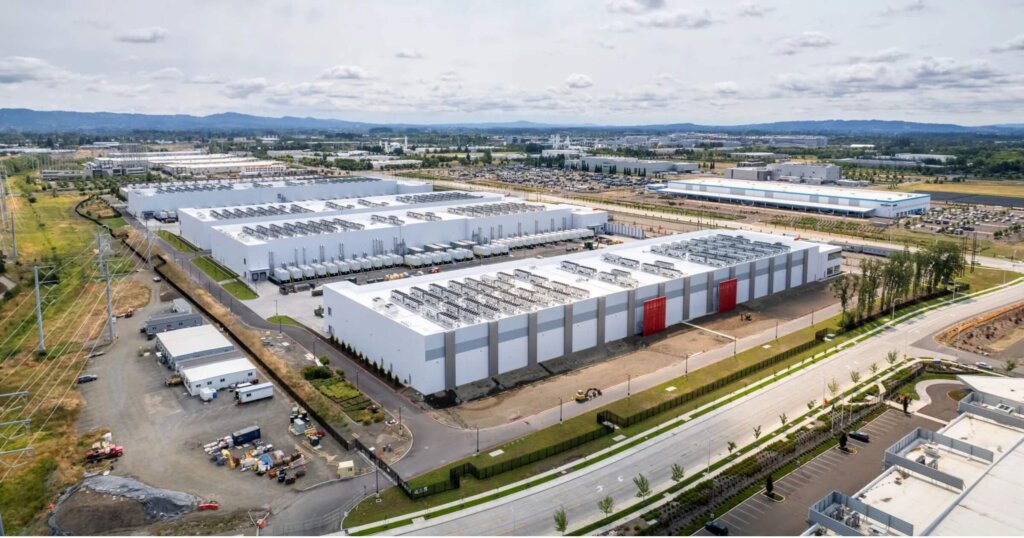
Hillsboro is gaining ground as a central hub for data centers on the West Coast because it offers a mix of affordable land, strong power availability, and excellent connectivity. The region is known for its access to renewable hydro power, which helps operators meet long-term sustainability goals.
Hillsboro also benefits from a cooler climate that supports energy-efficient cooling, lowering operating costs for large data center campuses. Its location provides direct access to Asia-Pacific subsea cables, making it a valuable gateway for international traffic. With supportive tax policies and room for continued growth, Hillsboro has become a preferred location for both hyperscale and colocation providers.
Salt Lake City, Utah
Salt Lake City has grown into a major data center destination in the western United States thanks to its low land costs, tax-friendly environment, and strong power access. The region offers a stable climate with a low risk of hurricanes, floods, and other major disasters, which makes it appealing for long-term infrastructure planning.
Salt Lake City also connects well to western fiber routes and offers plenty of space for future buildouts. These advantages help the region stand out as a strong location for companies looking to expand their footprint in the western United States.
Austin and San Antonio, Texas
Austin and San Antonio are rising data center markets in Texas, driven by strong regional growth, access to reliable power, and a fast-expanding tech and enterprise base. These cities have more open space and less crowding than the larger Texas markets, making them appealing to companies that want room to grow.
The region also benefits from steady investments in power infrastructure and strong access to renewable energy options. With a growing workforce, robust connectivity, and a business climate that continues to support large infrastructure projects, Austin and San Antonio have become popular choices for new data center development.
Reno, Nevada
Reno has become a strong alternative for companies seeking West Coast access without California’s high development costs. The region offers a dry climate, low disaster risk, and ample available land for new campuses.
Reno also maintains access to renewable energy programs and a steady power supply. Its location near California gives operators regional reach while keeping operating costs more manageable. These features have helped Reno gain steady momentum as a rising data center market.
Infrastructure and risk considerations
Power constraints and grid pressures
As data center markets grow, many regions face new challenges around power, water, planning, and long-term sustainability. One of the biggest issues is power demand. High-growth states are seeing heavy pressure on their utilities because data centers need strong, long-term access to high-capacity power feeds. These power needs must be planned years before a project breaks ground, and not every region can keep up with the pace of expansion.
Cooling and water use
Cooling and water use are also major concerns. Cities in desert climates, such as Phoenix or Reno, must balance fast development with limited water resources. Many operators are turning to newer cooling technologies that use less water and rely more on outside air or advanced heat-reduction systems. This helps reduce strain on local supplies and supports future growth.
Zoning, planning, and community pushback
Zoning and community planning play a large role, too. Some regions are debating the impacts of noise, energy use, and land consumption from large data center campuses. In areas with limited space or where communities want slower development, projects can face lengthy permitting delays or even temporary moratoriums.
Environmental and sustainability requirements
Environmental rules are another factor. Many states require data center operators to choose renewable energy options or report their emissions. Builders also need to follow ESG expectations from tenants and investors, who want cleaner operations and energy-efficient designs.
Risk assessment and climate concerns
Climate and natural disaster risks must be evaluated carefully. Hurricanes, floods, wildfires, and extreme heat can cause significant damage, so companies carefully assess a region’s long-term risk profile before starting construction. Markets with fewer hazards tend to offer better stability for long-term operations.
What developers and contractors should look for in a market
Choosing the right data center market takes careful planning. Developers and contractors need to understand what makes a location work for long-term growth: high power needs and fast connection speeds. A strong site helps lower risk, reduce delays, and support future AI and cloud demand.
A good starting point is land that is already zoned for data center use. This helps avoid long planning debates and speeds up the approval process. It is also helpful to look for parcels near substations or major transmission corridors, as this makes it easier to secure high-capacity power feeds.
Connectivity is another key factor. Fiber-rich corridors with low-latency routes support strong performance for customers and cloud providers. Markets with competitive utility rates and access to renewable energy also stand out because they help lower long-term operating costs and support sustainability goals.
State and local tax incentives can make a big financial difference for large projects, so it is important to compare incentive programs across different regions. Scalability matters too. Sites with room for future buildings or additional server halls make it easier to add AI-intensive loads over time.
Climate and natural disaster risks should constantly be reviewed. Regions with fewer hurricanes, floods, or wildfires tend to offer better stability for long-term operations. Finally, developers should look at the availability of skilled construction labour and the strength of the local supply chain. This includes access to steel, generators, prefabricated modules, and cooling systems, all of which are needed to build on schedule.
Final thoughts
The best data center markets in the United States continue to grow because they offer the right mix of power, connectivity, land, and long-term stability. Regions that can support strong fibre networks, reliable grids, and competitive energy options are attracting the most attention from builders and operators. As AI and cloud demand continue to rise, choosing the right market is becoming increasingly important for developers, contractors, and investors.
Success in this space comes from looking ahead. The best data center markets are the ones that can support large projects today and still have room to grow in the future. By focusing on power access, scalability, local incentives, and climate conditions, companies can build data centers that stay efficient and reliable for many years.
For those who are also keeping an eye on how construction and equipment trends tie into larger industry shifts, you might find our latest deep dives useful: check out our piece on upcoming data-center conferences and explore our analysis of data-center spending in 2025. These articles look at how demand for power, battery systems, and new equipment is influencing everything from tool development to large-scale infrastructure.
If you want updates on trends, tools, and major projects shaping the construction industry, subscribe to our newsletter and stay in the loop.