

If you want to work with drones and gain a hands-on career in construction, surveying, or infrastructure, becoming a drone surveyor could be a great fit. This simple guide explains what the job involves, how certification works, how long it takes to get started, and what to expect in terms of pay and demand nationwide. It’s written for beginners who want a clear, practical path without getting buried in technical details.
How long does it take to become a drone pilot in the U.S.?
The length of time required to become a drone surveyor in the U.S. depends on how quickly you earn certification and how much hands-on experience you build before working professionally. The legal side of getting started usually moves fairly quickly. Feeling comfortable with surveying workflows and data processing tends to come later, after time spent working through real jobs.
FAA Part 107 certification timeline
Anyone using a drone for paid work in the U.S. needs an FAA Part 107 Remote Pilot Certificate. The certification process includes a written exam focused on airspace, weather, and flight safety. After the exam, the remaining approval steps depend on processing time.
Building flight experience and surveying skills
The exam covers the legal requirements for flying. Flight planning, repeatable paths, and usable data come together only after spending time on real sites.
Education or geomatics background
Drone surveying pulls people in from different corners of the industry. Backgrounds vary widely, and most skills are shaped along the way rather than coming from a single starting point. In practice, most technical skills are sharpened through real work rather than where someone started.
Entry-level drone operator vs fully qualified drone surveyor
Early on, drone work often involves flying and gathering data, usually under guidance from a more experienced team. Over time, the work usually starts to include more than just flying. Planning missions, processing photogrammetry, and delivering results become part of the day once someone has spent enough time on real projects.
Steps to become a drone surveyor
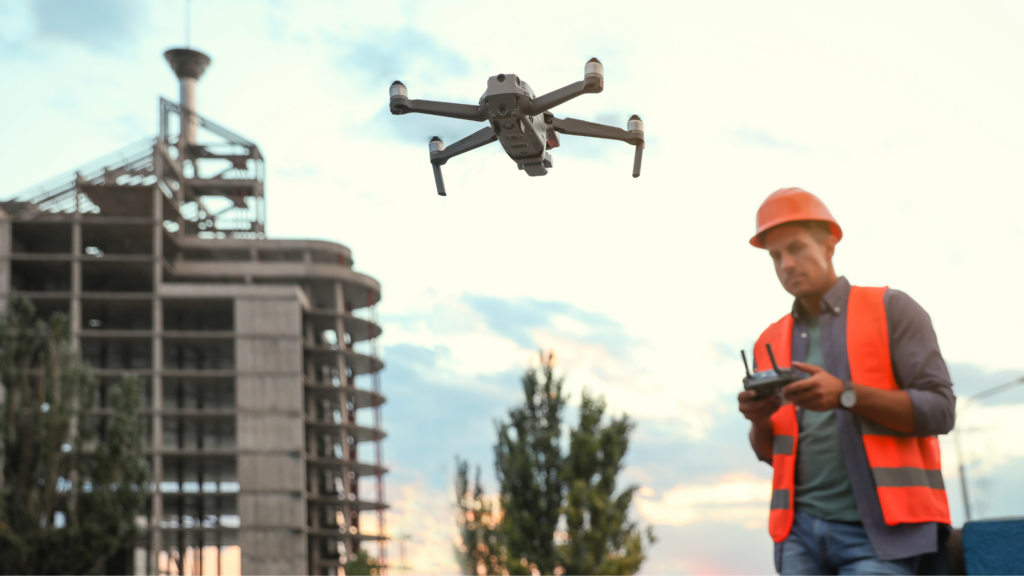
Becoming a drone surveyor isn’t a single-step process. It is a mix of learning how drones are used in surveying, obtaining proper certification, building flight and data skills, and gaining field experience.
1. Learn what a drone surveyor does
Drone surveying is often used to get a clearer picture of a site without sending more people into the field. The flying comes first, but most of the work happens later when images are reviewed and turned into usable outputs.
That workflow is used across many types of projects. Construction teams use drone data to check progress and quantities. Infrastructure and utility work often relies on it to look at areas that are hard to access safely. Mining and land development projects use aerial data to get a clearer picture of terrain and volumes without slowing work down.
On most jobs, drone work fits into a larger survey process rather than standing on its own. Licensed surveyors remain responsible for legal decisions, while aerial data provides context to support planning and measurement for the rest of the team.
2. Get your FAA Part 107 certification
In the U.S., anyone flying a drone for commercial purposes must earn an FAA Part 107 Remote Pilot Certificate. This certification confirms that you understand airspace rules, weather, flight operations, and safety procedures.
There is a single Part 107 certification, rather than basic and advanced tiers. However, additional authorizations or waivers may be required depending on where and how you fly, such as operations in controlled airspace or near people.
Certification starts with a written exam and the FAA paperwork that follows. Because survey flights often take place around active sites, airspace awareness and safety rules become part of everyday work.
3. Build drone flight and data collection skills
Data quality is learned on real missions, not through certification alone. Survey-grade work depends heavily on accuracy, which is why learning to use ground control points is important. Day-to-day habits like logging flights, running pre-flight checks, and following safety procedures also play a big role in meeting client expectations.
4. Learn drone surveying and photogrammetry software
Most of the real work in drone surveying happens after the drone lands. Images still need to be processed, checked, and turned into something teams can use, which is where software becomes just as important as the flight itself.
5. Choose the right drone and equipment
Once survey work becomes more detailed, differences between drones start to matter. Accuracy and repeatable workflows tend to expose what specific models can and cannot handle.
6. Understand regulations and privacy rules
Survey flights are often tied to busy job sites. Projects near airports, infrastructure, or developed areas usually involve checking the airspace before setting up equipment.
Privacy also comes into play more often than people expect. Survey flights can capture areas near homes, businesses, or public spaces, making it important to consider how imagery is handled and who has access to it. On active job sites, flying safely around people, equipment, and structures is part of doing the work properly, not just meeting requirements.
7. Gain experience or specialize
Early drone survey work often involves a mix of small tasks and short jobs. Helping a crew or picking up contract work is a common way to start building experience and usable examples.
Over time, the work usually narrows in focus. Some surveyors spend most of their time tracking construction progress, while others handle volume calculations, inspections, or infrastructure-related jobs. At that point, what someone has actually worked on matters more than job titles or how they entered the field. Experience, continued training, and a steady record of completed projects are what usually open the door to more complex work.
Salary expectations for a drone pilot in the U.S.
One of the big questions people have when considering a career as a drone surveyor is how much you can realistically earn. Pay varies widely based on experience, where you work, the industry you are in, and whether you choose full-time employment or contract or freelance work.
Drone surveyor salary comparison*
| Level | Typical Annual Salary | Notes |
| Entry-Level | ~$39,000–$52,000 | Early jobs or supporting roles with limited experience and skills. |
| Mid-Level | ~$53,000–$75,000 | More experience, solid Part 107 skills, and basic photogrammetry abilities. |
| Experienced / Specialist | ~$75,000–$111,000+ | Includes senior surveyor roles, advanced data processing, or work in high-demand industries. |
| Freelance / Contractor | Varies widely | Project rates often range from hourly to per assignment; experienced contractors can earn more depending on scope and client. |
*Based on current job listings and market data.
Factors affecting pay
Several factors influence where pay tends to land for drone surveyors:
- Comfort with FAA requirements and professional software often shows up in the kind of work someone is trusted to handle, especially on more regulated or complex projects.
- Jobs tied to construction, mining, or energy work generally come with higher rates than basic inspection or early mapping assignments.
- Rates can vary widely from one region to another. Areas with active development or labor shortages often support higher pay than slower markets.
- Photogrammetry, 3D modeling, and GIS skills tend to show up in work where the data itself carries more weight for the project team.
Contract and freelance income potential
Contract work shows up fairly quickly in drone surveying. Pricing looks different from job to job, depending on what the site requires, the scope of work,, and what level of accuracy the client expects.
Freelance drone survey work tends to ebb and flow. Some operators do well when markets are busy or when they have repeat clients, but independent work also means handling things like insurance, taxes, and lining up the next job. Platforms such as Upwork and Freelancer are often used to find contract work, along with drone-focused marketplaces like DroneBase and Droners.io.
Career progression opportunities
With more time in the field, some drone surveyors take on broader responsibilities. That can mean senior technical work, project coordination, or focus on areas such as geomatics, data analysis, or infrastructure-related projects.
Tips for success as a drone pilot
- FAA rules and airspace checks are a regular part of planning, particularly around controlled airspace and active sites.
- Survey results are judged by the quality of the data, not the flight itself.
- Software tools vary by project, and workflows change with them.
- File organization and reporting often become relevant long after the flight is finished.
- Work opportunities often come through existing industry contacts rather than formal applications.
Is drone surveying a good career?
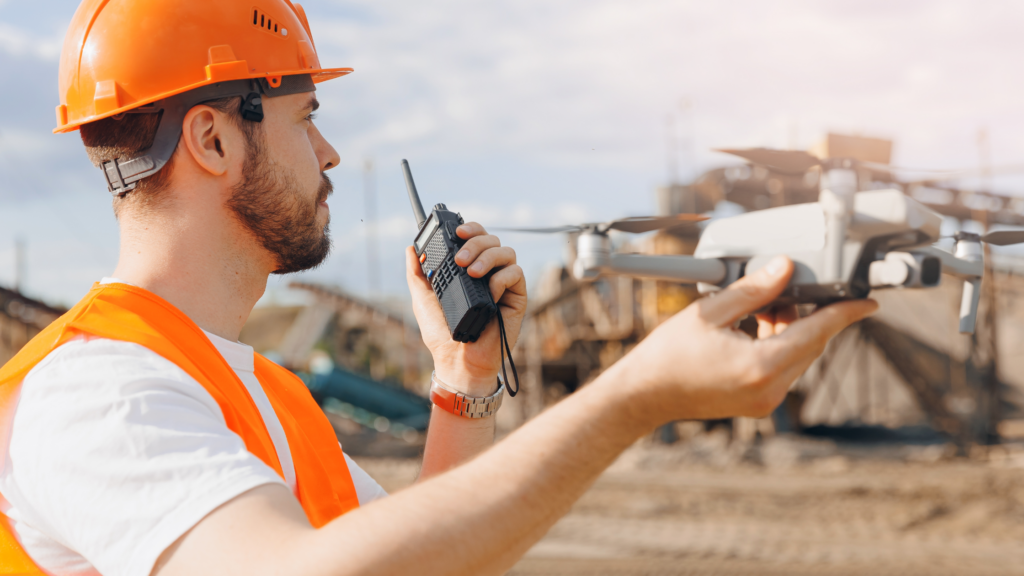
Drone surveying has become more common on real job sites, especially as construction and infrastructure projects grow in size and complexity. Teams are using drones to gather site data faster and with fewer people exposed to risk, which has pushed the role beyond a niche specialty.
Drones also play a big role in improving safety, speed, and cost savings on job sites. Instead of sending workers into hazardous areas or shutting down active sites, teams can capture accurate aerial data in a fraction of the time. This shift is part of a broader industry trend in which technology is changing how work gets done. You can see more examples of this shift in how drones are shaping the future of construction.
One advantage of drone surveying is the transferability of the skills. The same core work shows up across construction sites, land development projects, infrastructure work, utilities, and inspections. When activity slows in one area, that flexibility can make it easier to shift into another type of project rather than starting over.
The role tends to appeal to people who like a mix of fieldwork and technical problem-solving. Some days are spent on site planning flights or collecting data, while others are focused on reviewing results and refining outputs. Details matter in this line of work, especially when measurements are used by other teams later on. The mix of time spent on site and time spent working through data is what many people enjoy about the job.
Final thoughts
Drone surveying has become a practical entry point into construction and surveying work that relies more heavily on technology than it did even a few years ago. The work alternates between on-site work and data analysis on a computer. That mix shows up on most projects and shapes how the job actually feels day-to-day.
Growth in this field happens gradually. Skills sharpen with each project, and over time, it becomes easier to move toward more specialized work, whether that is photogrammetry, inspections, or progress tracking. In most cases, opportunities expand as experience builds and as the quality of work becomes more consistent.
For more career guides, tool breakdowns, and industry trends, subscribe to our newsletter and stay up to date on what is shaping the future of work in construction and beyond.