

For years, contractors have known there’s waste on jobsites—machines idling longer than they should, equipment being used inefficiently—but it hasn’t always been clear where those losses were happening or how much they were costing. Now, that’s starting to change. Fuel costs aren’t easing up, and emissions targets are tightening, which is pushing contractors to take a closer look at how their equipment is actually being used. This article breaks down how data-driven insights are helping crews identify waste, cut fuel use, and reduce emissions without overhauling their entire fleet.
What data-driven actually means on a job site
“Data-driven” can sound abstract, but on a jobsite, it’s simple. Machines collect data every time they run. Telematics systems track engine hours, idle time, fuel use, and location. Fleet platforms show how often equipment is used—and where it’s parked when it’s not in use. On top of that, operator activity adds another layer of performance data throughout the day.
All this information feeds into dashboards that project managers and fleet managers can actually use. Rather than relying on guesswork, they can see clear patterns: Which machines are idling too long, where fuel is being wasted, and how equipment is being used across sites. That shift is bigger than it sounds. Construction has always leaned on experience and instinct. Data doesn’t replace that; it simply adds clarity.
Where the biggest savings come from
Most contractors expect savings to come from big changes—new machines, new fuels, major upgrades. That’s not usually where the first wins show up.
Idle time: the biggest opportunity
Idle time is one of the highest hidden costs on any jobsite.
- Equipment idle time averages around 30% of operating hours in construction
- Idling can account for 10–30% of total fuel consumption
- A single machine can burn up to 0.8 gallons of fuel per hour while idling
That’s fuel being burned with zero production, and it adds up fast. When contractors start keeping tabs on idle time, they find it’s much higher than expected. Machines are often left running during breaks, in between tasks, or while waiting for loads. What once seemed normal—leaving equipment running between tasks—has now become a major source of inefficiency and extra spend.
The good news is that this is one of the easiest areas to fix.
- Telematics programs have reduced idling by 10–15% on average
- Some fleets have cut idle time by 40–60% within a month by tracking and coaching operators
- Real-world construction fleets have seen 28% reductions in idling within a year
That translates directly into fuel savings and emissions reductions.
Equipment usage and right-sizing
Another major source of savings comes from how machines are used across a jobsite. Once contractors start looking at utilization data, patterns become clear. Some machines are running constantly, while others sit idle for long stretches of the day. That imbalance doesn’t just affect productivity—it also leads to unnecessary fuel burn and added wear on overused equipment.
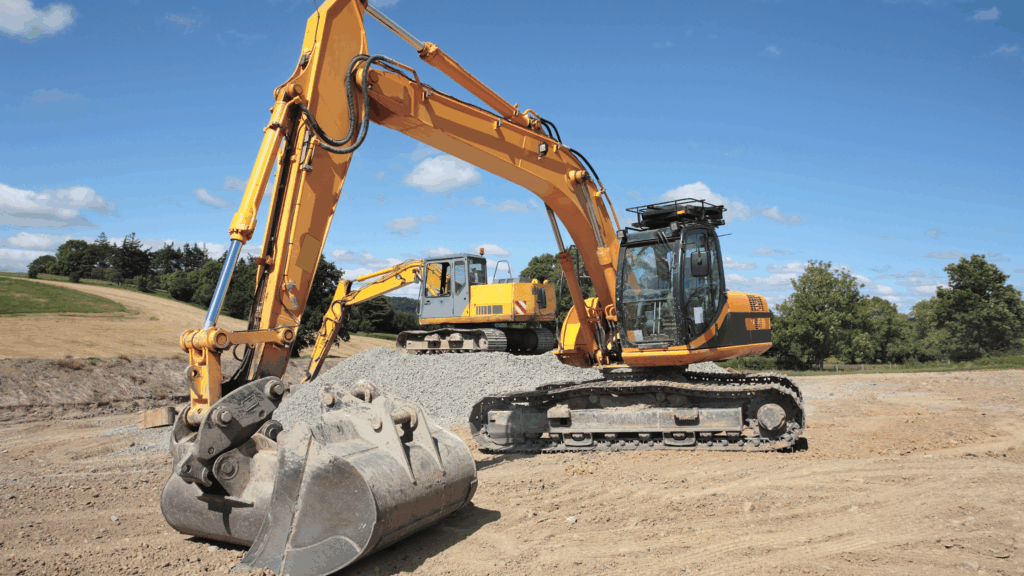
Reviewing this data gives contractors the chance to rebalance their fleet. Underused machines can be reassigned to other tasks or removed from the site altogether. At the same time, crews can make better decisions about which equipment is actually needed for each job. Matching the right machine to the task is one of the simplest ways to cut costs.
Using oversized equipment for a small job is more common than it should be. It burns extra fuel and puts unnecessary wear on machines. When contractors match equipment to the task, you’ll see fuel usage drop right away—without sacrificing speed or performance.
Run time and workflow gaps
Fuel waste isn’t just about idling around; it’s built into how the jobsite runs. More often than not, it’s hiding in everyday workflows.
For instance:
- Trucks sitting idle at loading points before they move
- Excavators running without a truck to haul
- Crews working out of sync, creating delays and unnecessary machine time
Having numbers on hand helps track inefficiencies. Once the issues are identified, the fixes are pretty straightforward—better scheduling, optimized haul routes, and better coordination between crews. Companies that get a handle on this have cut fuel costs by 14% and racked up $47,000+ in savings in just 90 days. These aren’t major overhauls—they’re the result of more informed decision-making from clearer information.
How to reduce emissions without overhauling your fleet
There’s a common assumption that lowering emissions means replacing equipment with electric machines. That’s one path, but it’s not the only one. Data enables contractors to reduce emissions with the equipment they already own.
Start with visibility
Before data, most companies could only track fuel purchases—not actual fuel use.
Now, telematics and IoT sensors show:
- Idle time per machine
- Fuel consumption by the operator
- Equipment utilization across the jobsite
That visibility is what drives change.
Practical changes that make a difference
- Tracking machine usage: The data highlights which machines are overused and which are underused. Rebalancing workloads reduces unnecessary fuel burn.
- Identifying operator behavior: Two operators using the same machine can produce very different fuel results. Data shows those differences and helps guide training.
- Adjusting haul routes: Shorter routes or fewer delays reduce engine time. Even small adjustments add up over the course of a project.
- Improving scheduling: Better coordination between crews reduces idle time and waiting periods.
- Optimizing fleet size: Data often reveals that fewer machines can handle the same workload. Removing excess equipment immediately cuts fuel use and emissions.
These changes don’t require new machines. They require better decisions.
Benefits and barriers
The benefits of using data on a jobsite tend to kick in much sooner than many contractors expect. Once teams are tracking machines’ performance and fuel use, it becomes much easier to spot areas where resources are being wasted and make small changes that can add up over time. But transitioning to a data-driven approach takes time—it requires changes in how teams work, communicate, and make decisions.
Benefits
- Lower fuel costs: Reducing idle time and improving equipment utilization cuts one of the largest operating expenses on a jobsite.
- Reduced emissions: Lower fuel consumption directly reduces emissions. Contractors can make measurable progress toward environmental targets without replacing their entire fleet or investing in new equipment.
- Less machine wear: Idle time doesn’t just waste fuel—it adds wear to engines and components. Cutting unnecessary runtime helps extend equipment life and reduce the frequency of maintenance and repairs.
- Better project flow: When data highlights delays or inefficiencies, teams can tighten up workflows. Crews spend less time waiting for equipment or materials and more time completing tasks.
- Improved decision-making: Data replaces assumptions with actual performance metrics. Managers can make decisions based on what’s happening on the jobsite rather than relying solely on experience or estimates.
Barriers
The biggest challenge isn’t collecting data—it’s putting it to use in a consistent and practical way. Many contractors already have access to telematics and reporting tools, yet those tools don’t always translate into daily action.
Some common issues include:
- Teams are unsure how to interpret data: Raw numbers don’t always tell a clear story. Without context or training, it can be difficult to understand what needs to change.
- Too much information without clear priorities: Dashboards can become overwhelming. If everything looks important, teams may struggle to focus on the changes that will have the biggest impact.
- Resistance to changing habits: Construction workflows are often built on years of experience. Shifting those habits, especially when they seem to work, can be challenging.
- Inconsistent use across projects: One site may fully adopt data-driven practices while another continues to operate the old way. That inconsistency limits the overall impact.
Training plays a major role in overcoming these barriers. Operators and managers need to understand not only what the data shows, but how to act on it in real situations. Even small changes—like adjusting idle practices or reassigning equipment—can make a difference when applied consistently.
A shifting industry
Construction is starting to measure performance differently. Finishing a project on time still matters, but there’s growing attention on how that work gets done. Fuel use, idle time, and machine performance are no longer background details. They’re becoming part of everyday conversations on jobsites and in project meetings.
This shift is driven by a mix of pressures contractors are facing. Fuel costs continue to rise, which makes inefficiencies harder to ignore. Emissions regulations are getting tighter, and that’s forcing companies to get their act together on tracking and reducing their environmental impact. Meanwhile, clients and investors are asking more questions about how a project is being run, not just whether it’s getting done on time. Technology has made it easier to collect and review jobsite data, removing many of the barriers that once made this kind of tracking difficult.
There’s also a generational change happening in the workforce. Newer workers are more comfortable using digital tools and expect data to be integral to project management. They’re used to dashboards, real-time updates, and readily available information. This expectation is starting to shape how companies operate.
All of this is leading to a gradual shift toward more connected job sites. Machines are still digging, hauling, and grading the same way they always have. The difference lies in how those machines are monitored and managed. Data now ties together equipment, crews, and workflows, giving teams a clearer picture of what’s happening across the site and where improvements can be made.
Final thoughts
Data is doing more than tracking machine hours or fuel use. It’s helping contractors make better decisions every day. The biggest gains don’t come from massive changes. They come from small adjustments—reducing idle time, improving coordination, and using equipment more effectively. Those changes lower costs. They also reduce emissions without requiring a full fleet overhaul. Construction will always rely on experience. That’s not going away. What’s changing is the ability to support those decisions with clear, measurable information.
If you want more insights on how technology is shaping construction jobsites, subscribe to the Under the Hard Hat newsletter and stay up to date on what’s changing across the industry.