
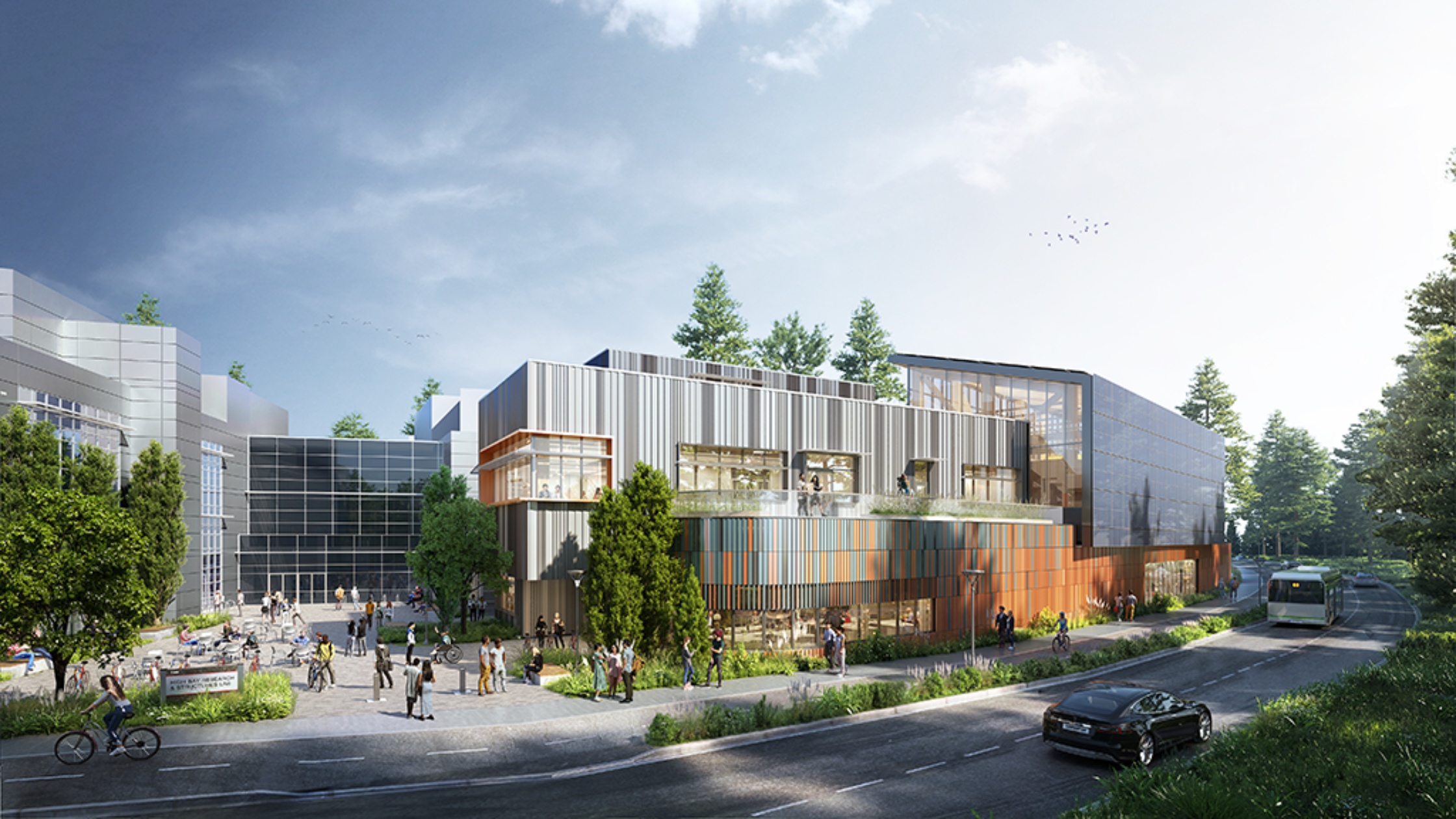
A new net-zero living laboratory project in British Columbia is turning sustainable design into a measurable goal. Rather than relying solely on software predictions, this next-generation expansion embeds performance monitoring directly in the building. Tied to the University of Victoria‘s campus expansion, this project relies on mass timber construction, super-efficient exterior envelopes, and real-time monitoring systems to determine how well a building performs in real-world conditions, after people have actually moved in. For construction and design teams, it offers something rare: hard data collected from day-to-day operation.
Mass timber and high-performance design drive the build
The University of Victoria’s expansion includes a new mass timber academic building designed to operate at net-zero energy. That means the building is intended to produce as much energy as it consumes each year. Reaching that goal isn’t about simply installing solar panels on the roof—it takes airtight construction, cutting-edge mechanical systems, and careful detailing from the first blueprints to the final commissioning.
Mass timber is at the heart of this project. The building is framed with engineered wood products that absorb carbon while avoiding the emissions typically associated with construction. Compared to standard steel and concrete systems, mass timber reduces the building’s overall carbon impact while enabling faster on-site construction.
High-performance design is also playing a big role—the building’s envelope is getting an upgrade with improved insulation, carefully detailed air barriers to keep heat from leaking out, and triple-glazed windows to manage the amount of solar energy coming in. The mechanical systems, meanwhile, are optimized to capture and use that energy while minimizing peak energy demand. These are all tried-and-true techniques, but it’s the first time they’re being put together in a single, research-ready facility.
Embedded monitoring turns buildings into research tools
What sets this project apart is the “living lab” component. Sensors are embedded throughout the building to monitor energy use, indoor air quality, humidity, temperature, and system performance. Researchers can compare predicted performance to actual data. If energy consumption rises above expectations, they can analyze why. If occupant comfort shifts, they can trace the cause.
This type of monitoring is important because many buildings are designed to high sustainability standards, but underperform once occupied. Commissioning gaps, behavioral patterns, and maintenance practices all influence outcomes. By collecting continuous data, the University of Victoria’s project aims to close that performance gap. It turns the building into a research tool for students, faculty, and industry partners.
Carbon accounting is another focus. The project tracks both operational carbon and embodied carbon from materials. Embodied carbon is the emissions associated with material extraction, manufacturing, and transport. Tracking it requires detailed documentation during procurement and construction. For contractors, that means tighter coordination with suppliers and clearer material reporting to get a better picture of a building’s total climate impact.
For designers involved, seeing actual data changes the whole game when it comes to decision-making. They’re no longer forced to rely solely on computer models; they can look at real-world results and adjust how they detail and select systems accordingly. And the fact that they get to go back and refine all that based on what actually worked and what didn’t means they can bring better building science ideas to future projects.
Climate-action communities also closely watch these developments. Buildings account for a significant portion of global greenhouse gas emissions. Net-zero living labs demonstrate how campuses and public institutions can reduce operational energy use and address embodied carbon.
The University of Victoria’s expansion is not an isolated effort. Similar projects across British Columbia are using academic campuses as testing grounds for low-carbon construction strategies. By embedding monitoring and research directly into the built environment, they turn buildings into long-term data sources.
For the construction industry, that shift is meaningful. It moves sustainability from aspiration to verification. When performance is measured, teams can adjust methods, refine systems, and improve outcomes on the next project.
If you want more reporting on mass timber, net-zero construction, and emerging building technologies, subscribe to the Under the Hard Hat newsletter. We cover the projects shaping how construction responds to climate targets.