
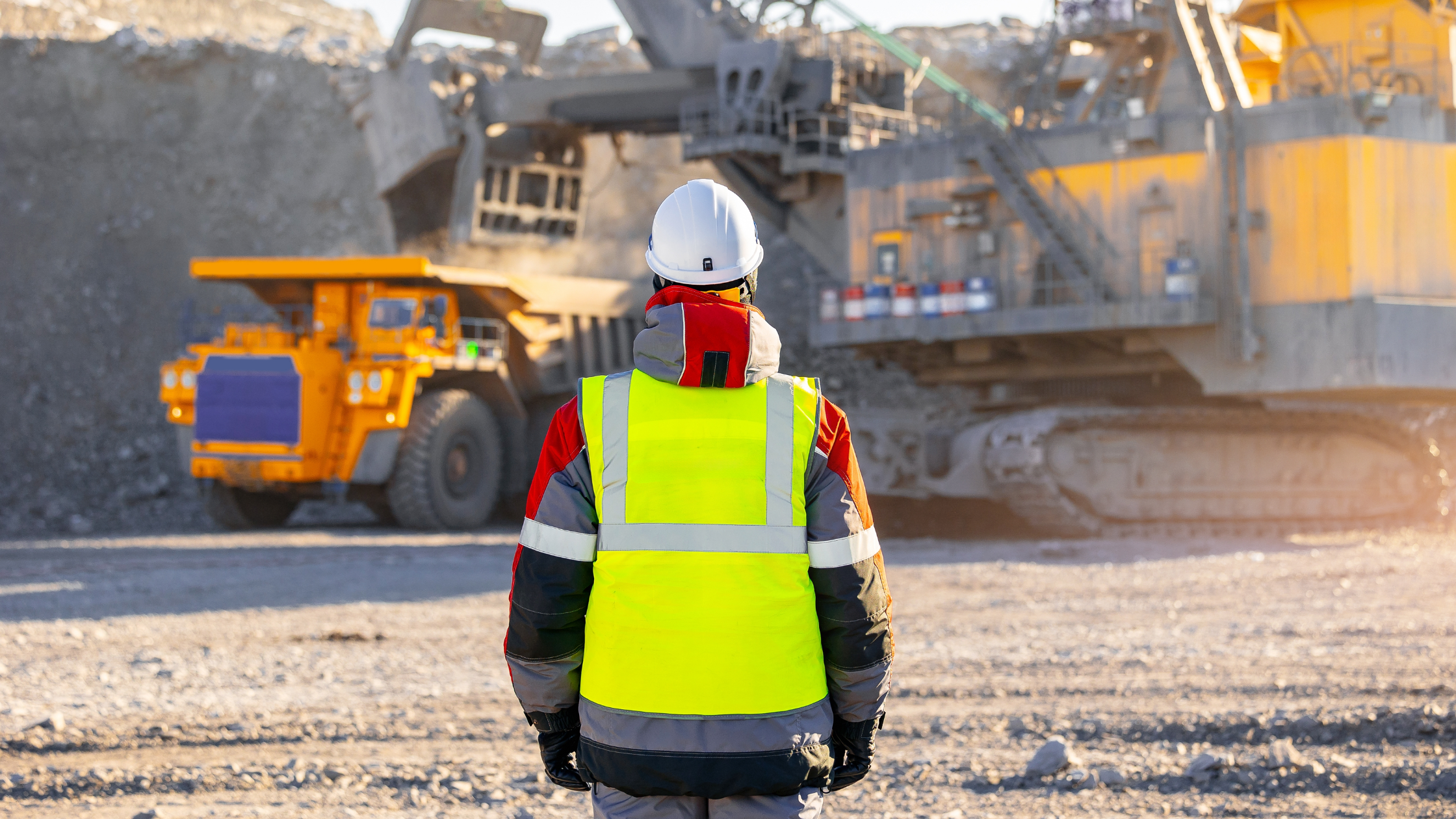
Weather whiplash isn’t just an inconvenience—it’s a major jobsite risk. One week, you’re up against freezing wind, the next you’re sweating through your hoodie by lunch. Those fast swings affect both your comfort and how you think, move, and perform on the job. Understanding how these shifts affect your body, safety, and performance is key to staying safe, sharp, and productive when conditions aren’t consistent.
What “weather-whiplash” looks like on site
Seasonal change doesn’t happen gradually; it zigzags in waves—late winter clings on longer than we expect, before suddenly surrendering to warmer spring days. Cold mornings turn into warm afternoons, and crews are forced to adjust on the fly.
On a job site, that means constantly being on your toes. You start your day stiff from the cold and layered up, then a few hours later, you’re overheating, shedding layers to stay comfortable. Gloves come off. Then a cloud rolls in or the wind picks back up, and you’re scrambling to put everything back on. That back-and-forth becomes part of the workday.
This isn’t just about comfort—it changes how tasks feel. A job that feels manageable in steady conditions can feel harder when your body is constantly trying to catch up. Carrying materials, climbing ladders, or working overhead all feel different when your temperature keeps shifting.
The mental impact is just as real. When the weather continually shifts, so does your attention and focus. But while your body is adjusting, nothing else slows down. Schedules stay tight. Production targets don’t change. Crews are expected to perform the same way, even when the conditions are anything but consistent.
How rapid weather swings affect your body
Your body is built to regulate temperature, yet it works best when conditions are stable. When temperatures swing throughout the day, your system has to keep adjusting, and that takes energy. Frigid conditions make everything feel like it’s been sucked tight. Your muscles contract, and your joints feel like they’re stuck on cement. Blood flow detours straight to your core, leaving your hands and feet feeling cold. Grip strength decreases as your coordination declines. Tasks that require precision—handling tools, fastening components, and guiding equipment—can feel harder than usual.
Then the temperature rises, and your body flips into cooling mode. Sweating increases. You start losing fluids, often without realizing it. If you’re still wearing heavier layers from earlier in the day, heat builds quickly. That can lead to overheating, dizziness, or headaches.
The real strain comes from the constant switching between these states. Your body never fully settles. It’s always adjusting, which can lead to fatigue. Not the kind that hits all at once, but the slow kind that builds over the day. You might feel fine in the morning, then notice your energy dropping earlier than expected.
There’s also a cognitive impact. Temperature stress can affect concentration, reaction time, and decision-making. You might feel slightly off—slower to react, less sharp, more easily distracted. Even your mood can shift, altering how you think and respond. Small frustrations feel bigger, and communication can break down.
Sleep plays a role, too. When temperatures swing wildly between day and night, it can wreck your sleep. Poor sleep the next day makes it even harder, and with the cycle repeating, it gets miserable.
Impact on jobsite performance and safety
Weather whiplash often doesn’t happen at once—it slowly wears you down. When your body is working harder to regulate temperature, your energy drops faster and your reaction time slows, which matters in a fast-moving environment.
Focus takes a hit, too. When you’re physically uncomfortable, your attention starts to drift, increasing the chance of small mistakes—missing a measurement, forgetting a step, or misjudging spacing or timing. On a construction site, even small errors can create unsafe situations.

Clothing adds another layer to this. Dressing for changing weather is necessary, but extra gear can restrict movement and reduce dexterity, while removing layers mid-task can interrupt your workflow or leave you exposed if conditions shift again.
Then there’s the crew dynamic piece. Everyone reacts differently to the same conditions, creating issues with communication and teamwork. When temperatures become inconsistent, so does productivity—and that’s where safety becomes a concern.
Why weather changes are overlooked in construction
Weather is often treated as something you deal with, not something you manage. It’s part of the job, so crews are expected to adapt on the go rather than planning for it.
Most safety conversations focus on extremes. Summer heat waves trigger hydration stations and regular rest breaks. Deep winter brings cold-weather contingency planning. It’s the in-between period when the seasons are switching that doesn’t get the same level of attention; it doesn’t feel urgent, so it doesn’t get addressed.
That’s how and when weather whiplash gets missed. No single day feels severe enough to worry about, but the cumulative impact adds up. Fatigue builds, focus gets derailed, and productivity slows.
Experience can play a role, too. Many workers rely on what’s worked before, but weather patterns are becoming less predictable. What used to be a reliable routine may no longer fit the conditions. The result is a gap between what crews expect and what they actually experience.
Practical tips for beating weather whiplash effects
Building a smarter layering system
Kick off with a foundation layer that keeps the sweat from getting in the way of your skin. Then add layers you can shed quickly without interrupting your workflow. Try to steer clear of heavy gear that will cause overheating when the sun comes out. What you want is the flexibility to tweak your setup as the day goes on without jeopardising your productivity.
Tweak your morning routine
Really cold mornings can leave you feeling stiff and sluggish. Taking a couple of minutes to get the blood flowing before you start can make a big difference. Even the slightest bit of movement can get those circulatory juices flowing and reduce strain. Light, gentle stretches, a short walk, or even some yoga can do wonders before you start your shift.
Stay on top of hydration
When it’s cold outside, it’s easy to forget to drink enough water. But as soon as the sun comes out, dehydration can sneak up on you in a hurry. Drinking steadily throughout the day is key to keeping your energy and focus levels up where they need to be.
Anticipate the temperature swing
Checking the temperature only in the morning isn’t enough. You have to take a closer look at how things might change throughout the day. If you’re dressing for the average high, you might find yourself overheating or underdressing by the afternoon.
Keep some spares handy
Having a stash of spare gloves, socks, and lighter clothes close by makes a big difference when you need to make a quick change. It’s those little comfort tweaks that can keep you on track and prevent fatigue from setting in.
Be on the lookout for signs of fatigue
If you’re feeling more tired than usual or your brain starts to feel like mush and focus isn’t where it should be, it might be because of the weather changes. Catching onto it early lets you make adjustments before things start to slide.
Stay in touch with your team
The weather will affect everyone on site. Keeping each other in the know about the conditions, who’s getting winded, and who needs a break helps everyone stay on the same page. Plus, it stops one person from pushing too hard in the wrong conditions.
Take short breaks
Stepping away for 5 or 10 minutes to change into something more suitable or to cool down can really help you get back on track. It’s much better than pushing on in discomfort and then losing your edge as the day wears on.
Adapting to new weather patterns
Unpredictable weather isn’t a future problem—it’s already changing how crews perform on site. With temperatures fluctuating throughout the day, adaptation needs to be a part of how work gets planned and executed.
For companies, that means factoring weather variability into scheduling, staffing, and site setup. Supervisors play a key role on job sites. They will need to be aware when things get tough and make changes when needed. For crews, preparation is key. Being ready for changing conditions—physically and mentally—can help you stay consistent throughout the day. Having a flexible clothing system in place and drinking plenty of water should always be part of your daily routine.
Training ties everything together. When workers understand how temperature changes affect their bodies, they’re more likely to recognize early signs and respond. The goal isn’t to control the weather. It’s to reduce the extent to which it controls your performance.
Conclusion
Weather whiplash doesn’t always jump out, yet it affects how crews think, feel, and work. Those daily swings between cold and warm conditions can wear you down faster than expected and increase the chance of mistakes. Paying attention to how your body responds, making small adjustments, and planning can help you stay sharp through unpredictable days. It’s about working with the conditions instead of constantly reacting to them.
If you want more insights on jobsite safety, performance, and how real-world conditions affect construction work, subscribe to the Under the Hard Hat newsletter and stay connected to what matters in the field.