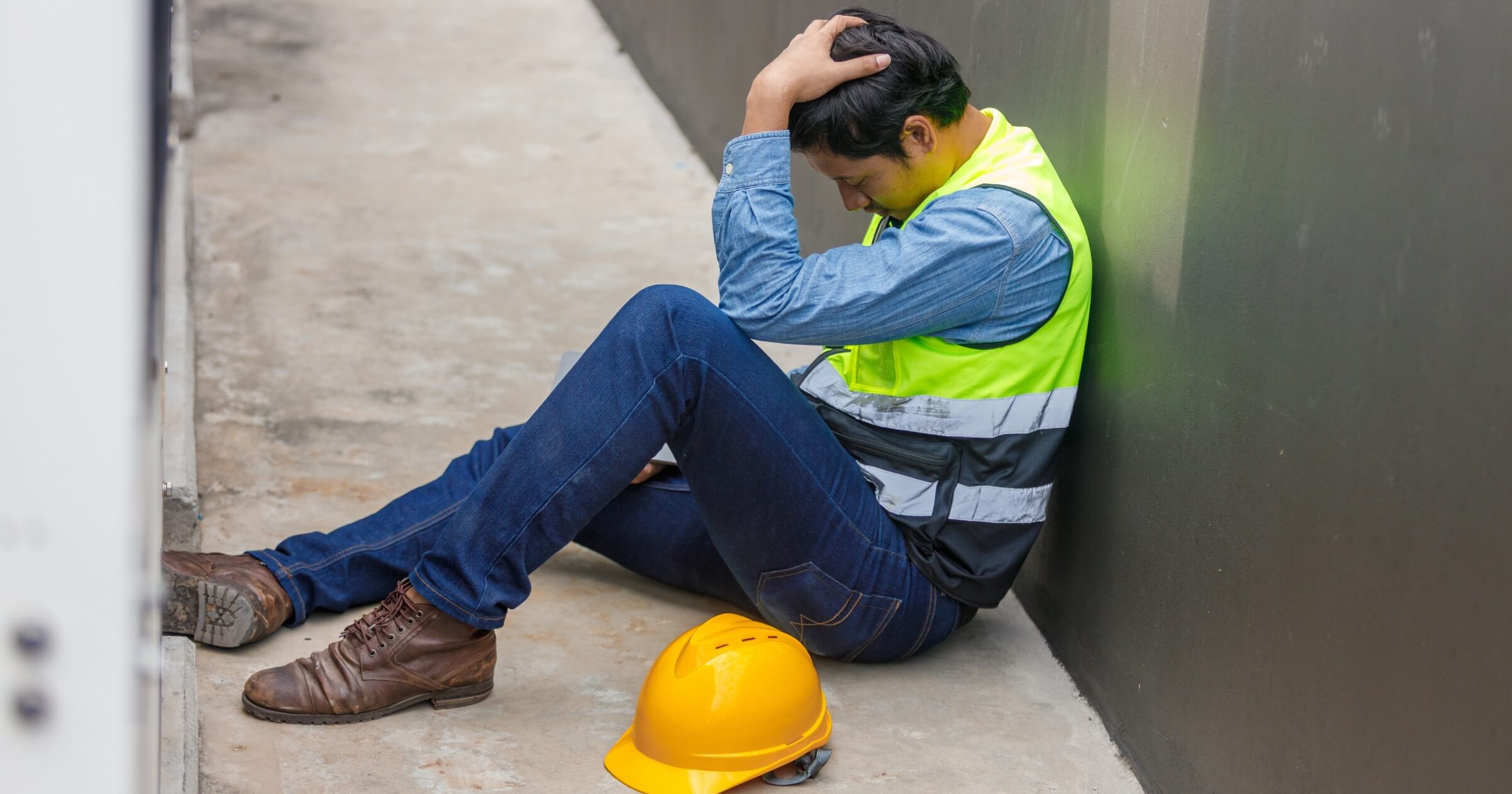
Many people in the construction industry know the strange feeling of being surrounded by a busy crew but still feeling completely alone. This article explains how workplace loneliness affects your health and job performance, and offers clear steps to build better connections on the site. We will look at why social isolation is so common in the trades and how we can work together to make the job site a more supportive place for everyone.
What is loneliness?
Loneliness is often misunderstood as just being by yourself, but you can feel lonely even in a crowded breakroom. It is a subjective emotional response that happens when there is a gap between the social connections you want and the ones you actually have. Loneliness itself isn’t a formal clinical diagnosis like a broken bone or a specific infection; it’s a painful feeling that tells you something is missing in your social life.
However, when loneliness lasts for a long time, it becomes a major risk to your mental health. Persistent isolation acts as a gateway to more serious conditions like clinical anxiety and depression. It keeps the body in a state of chronic stress, making it much harder to cope with the daily pressures of a construction site.
How loneliness affects overall well-being
The impact of loneliness goes far beyond just feeling sad; it actually hurts your physical body. Research from the U.S. Surgeon General has shown that a lack of social connection can be as dangerous to your health as smoking up to 15 cigarettes a day. This is because chronic loneliness increases the risk of heart disease, weakens your immune system, and makes it harder to get a good night’s sleep.
Psychologically, loneliness often creates a difficult feedback loop. When someone feels isolated, they may start to struggle with low self-esteem. This can lead to even more social withdrawal because the person might feel like they don’t fit in or that others don’t want them around. On a job site, this cycle makes it very hard for a worker to reach out for help when they are struggling.
Loneliness also directly affects how you do your job. When workers feel disconnected from their team, their job satisfaction drops significantly. A lack of social connection at work leads to lower performance and a much higher likelihood that a worker will leave the industry altogether. This is a serious problem for construction companies that are already struggling to find and keep good workers.
Loneliness in the workplace
Modern work environments have changed the way we interact with our teammates. Even though we’re constantly connected through technology, high-pressure deadlines often mean we spend less time having real conversations. Casual chat between crew members is replaced by fast-paced coordination and digital messages. When work becomes strictly about finishing the next task, human connection begins to fade.
This shift has a major impact on the entire team. When workers feel lonely, they are much less likely to collaborate or share ideas with their colleagues. This leads to lower morale across the work site and can cause people to miss more workdays because they no longer feel like they belong to a group. Over time, this constant feeling of disconnection leads to total burnout, where a worker has no more energy left to give to their job.
Loneliness in the construction industry

The statistics for the construction world are particularly eye-opening. According to research, nearly half of all construction workers have reported feeling lonely or isolated while at work. This is not just a minor issue; it is a widespread challenge that affects thousands of people on job sites every day.
The very nature of construction work makes it difficult to build lasting friendships. Many workers live a “transient” lifestyle, which means they are constantly moving from one project to another. When you are frequently traveling between sites or far from your family, it is nearly impossible to grow stable social roots. By the time you get to know a crew, the project ends, and you are sent to a new location to start the process all over again.
Finally, the industry culture also plays a role. Construction has traditionally been a male-dominated field with a “tough guy” attitude. In this environment, admitting that you feel lonely or disconnected can feel like a sign of weakness. Many workers suffer in silence because they worry that their peers or supervisors will judge them. This stigma creates a wall that prevents people from reaching out for the support they truly need.
Risk factors of loneliness and signs to watch for
Understanding what causes loneliness can help you spot it before it becomes a bigger problem. In the construction industry, certain triggers make it much easier for someone to fall into a cycle of isolation.
Common loneliness triggers
There are several factors in the trades that put workers at a higher risk for feeling disconnected:
- Relocation for projects: Moving to a new city for work pulls you away from your established circle of friends and family.
- Life changes away from home: Dealing with major events like a divorce or the loss of a loved one is much harder when you are living in a hotel or a temporary rental.
- Extreme overtime: Working 60 or 70 hours a week, combined with long commutes, leaves almost no time for the social activities that keep us feeling human.
Signs to watch for in your crew
It’s also important to know what loneliness looks like in action. While everyone has a bad day now and then, you should keep an eye out for these consistent changes in behavior:
- Social withdrawal: You might notice a coworker who used to be chatty suddenly skipping team lunches or sitting alone in their truck during breaktime.
- Transactional communication: This happens when a person’s talk becomes strictly about the job. They stop asking “How was your weekend?” and only focus on the specific task at hand.
- Mood and performance shifts: Loneliness often leads to increased irritability or a sudden drop in work quality. When someone feels like no one cares about them, they may lose interest in maintaining the high standards they usually keep.
Recognizing these signs early lets you check in on a teammate before they reach total burnout. A simple conversation can sometimes be the bridge that pulls someone back into the team.
Strategies to prevent and address loneliness in construction
Addressing loneliness requires a team effort to change how we interact on the job. One of the best ways to build connection is to change the way we handle morning meetings. By adding a quick personal check-in to your toolbox talks, you give everyone a chance to speak and be heard before the work begins. Another great strategy is creating a “buddy system” for new hires or workers who are traveling from out of town. This ensures that everyone has at least one person they can talk to as they get settled into a new site.
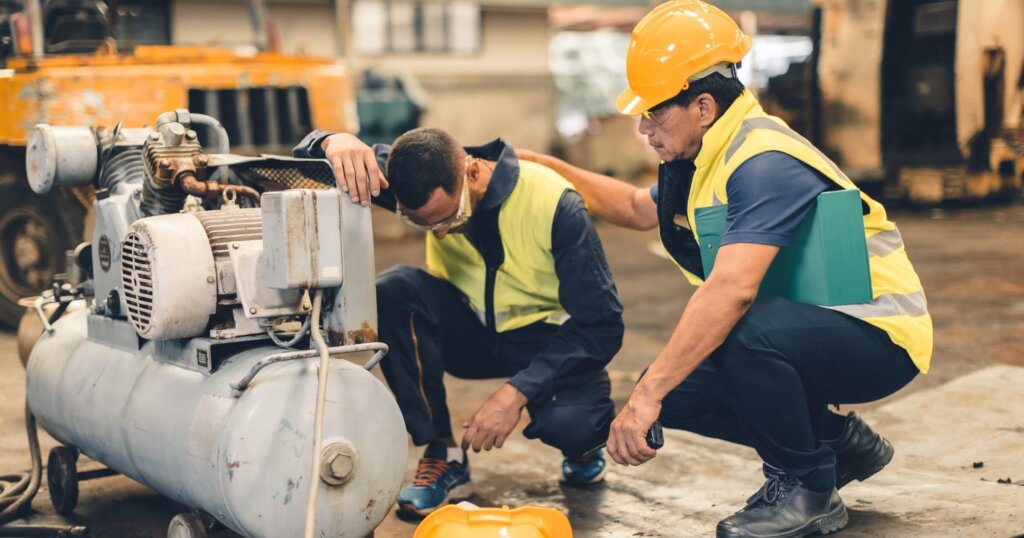
Leadership plays a crucial role in making these changes stick. Supervisors should have regular one-on-one check-ins with their crew members that aren’t just about productivity or deadlines. A simple, “How are you today?” can go a long way in making a worker feel seen and valued as a person, not just a number on a spreadsheet. When leaders talk openly about mental health and social needs, it normalizes the conversation and makes it easier for others to speak up when they are struggling.
Finally, it is vital to make sure everyone knows how to find professional help when they need it. Companies should clearly highlight their Employee Assistance Programs (EAPs) and specialized industry support lines. Organizations like Construction Industry Alliance for Suicide Prevention (CIASP) and the 988 Suicide & Crisis Lifeline offer resources specifically designed for the trades. Providing this information in break rooms or on company apps ensures a lifeline is always within reach for those who feel isolated.
Bottom line
Loneliness is a universal human experience that many of us will feel at some point in our construction careers. While it is common, it should never be a permanent or expected part of working in the industry. By recognizing the physical and mental toll that isolation takes, we can start to prioritize social connection just as much as we prioritize physical safety. When we look out for one another’s well-being, we build a stronger, more productive industry that people actually want to stay in for the long haul.
Your action item: Reach out to one colleague today just to “shoot the breeze.” You don’t need a professional reason to check in; a simple five-minute conversation about weekend plans or a shared hobby can be enough to break the cycle of isolation for someone else.
Further reading
If you want to learn more about supporting your team and maintaining a healthy job site, check out these related articles:
- Mental health in construction: A 2025 report and summary
- Mental health toolbox talk topics every construction crew should know
- Breaking the silence: CIASP’s fight against suicide in construction
- Safety, mental fitness, and the future of construction: A conversation with Ian Gray
Want to keep up with the latest in construction mental health? Subscribe to our newsletter today to get expert insights and industry updates delivered right to your inbox.