
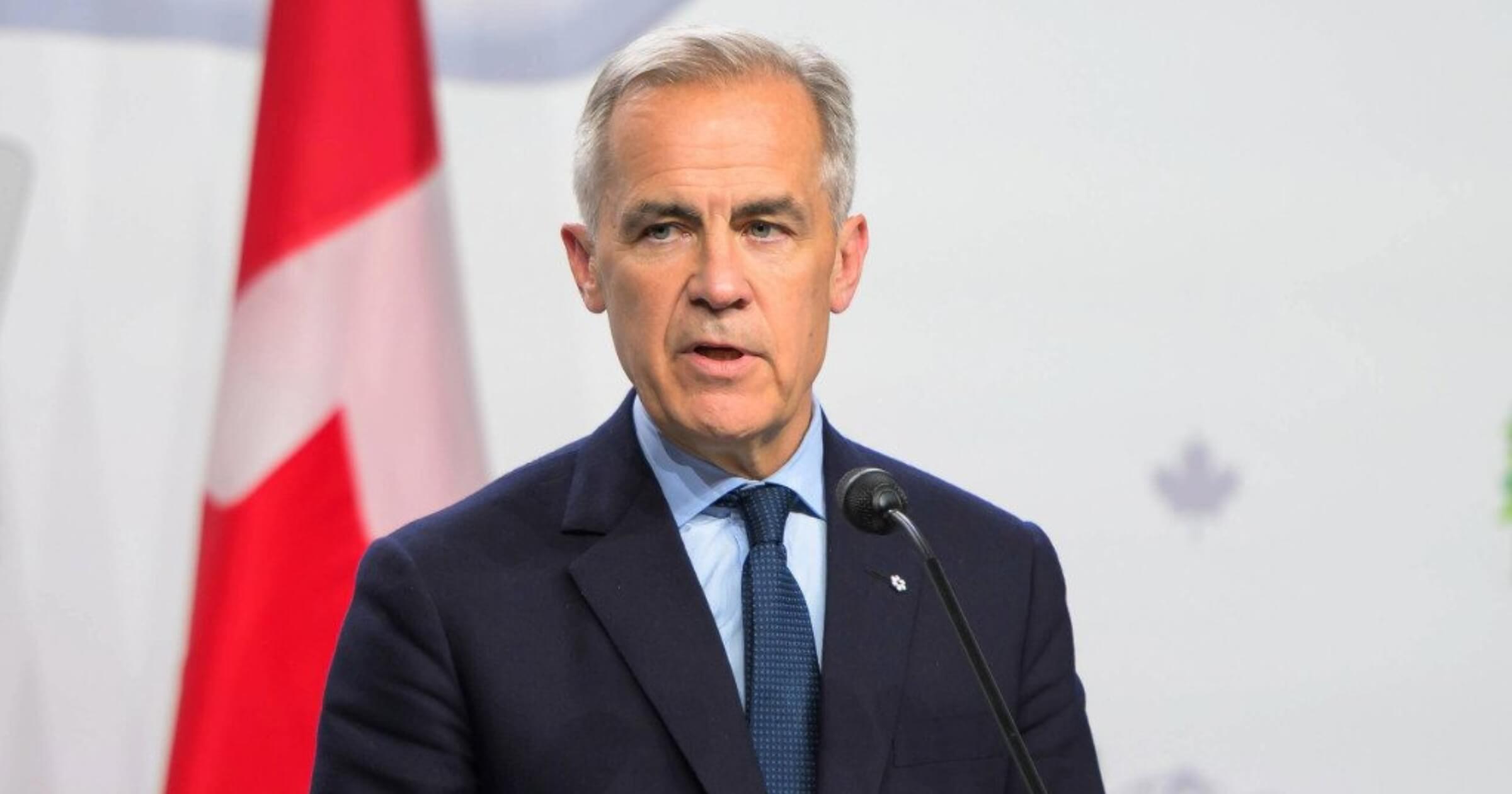
Canada’s government just took a significant step toward reshaping the country’s economic future. On November 13, 2025, Prime Minister Carney announced a second tranche of nation-building projects in Canada that will be referred to the Major Projects Office for accelerated review. The new slate includes proposals across energy, critical minerals, infrastructure, and clean power—totaling more than $100 billion in potential investment. These projects aim to support job creation, increase domestic resource independence, and expand trade corridors. For contractors, builders, and tradespeople, this could mean a wave of activity that spans coast to coast—along with increased demand on supply chains, labour resources, and project financing.
What’s being fast-tracked
The new batch includes a range of projects: mines (critical minerals and metals), LNG facilities, hydroelectric developments, transmission corridors, and infrastructure to unlock remote regions. Together with the first tranche announced this fall—worth roughly $60 billion—the total value of projects now under MPO review exceeds $100 billion.
The government says that this referral does more than simply label projects; it streamlines regulatory and permitting processes and aims to reduce red tape. The MPO becomes a centralized hub coordinating between federal departments, provinces, territories, Indigenous partners, and private investors.
Officials estimate these developments will support around 68,000 high-quality jobs, especially in regions where resource extraction, infrastructure, and energy work intersect with First Nations partnerships and remote community engagement.
Timelines will shorten for many projects. Under the old model, federal approvals for big resource or infrastructure projects would take years or even decades. The MPO’s “one project, one review” approach means clear federal coordination, faster permitting, and more access to funding. For companies already stalled by delays, this means getting to the ground much more quickly.
Why this matters to construction, engineering, and resource sectors
For trade and construction sectors, this second tranche likely signals years of high workload. Mines, energy plants, transmission lines, and infrastructure corridors all rely on heavy labour, skilled trades, and long-term site staffing. Companies in electrical, mechanical, civil, and industrial trades can expect upticks in hiring and project volume.
For Canada’s domestic supply chain ecosystem, the move supports growth in mining of critical minerals needed for batteries, clean energy, and advanced manufacturing. That could position Canada as a global supplier of raw material for the green economy while bringing processing and infrastructure spending back onto Canadian soil rather than overseas.
The second tranche of nation-building projects across Canada is a positive sign for the economy and builders. However, it’s important to note projects are complicated and can get stalled once construction begins. So while these projects are being fast tracked to approval, the process of building them may see several delays. It’s common to see this happen in many large scale projects as they require coordination and proper budgeting, which can be easily affected by material prices and labor.
Want to keep track of major Canadian construction projects? Subscribe to our newsletter for the latest on major builds, resource developments, and trades-industry news across Canada.