A fresh take on construction safety from J.J. Keller and the American Society of Safety Professionals(ASSP) highlights a real problem in the construction industry: construction companies have safety programs on paper but struggle to execute them in practice. This new study draws on feedback from construction safety and operations managers and identifies common trouble spots that are leading to costly injury claims, fines, and project delays. This isn’t an abstract concept—it’s a daily reality on many active construction sites right now. For contractors, this study gives a clear picture of where the risks lie and why their tried-and-true approach just isn’t cutting it.
Where construction safety programs fall apart on-site
One of the most significant problems the study identified is inconsistent training. Many companies have safety training programs on paper, but still struggle to keep them up to date, consistent, and relevant for all on-site workers. New hires, temporary workers, and subcontractors are often brought on faster than training programs can keep up. When schedules get tight, safety training gets done as quickly as possible, or sometimes not at all. This creates inconsistent knowledge across the workforce: some workers understand what’s at risk and how to respond, while others are just winging it.
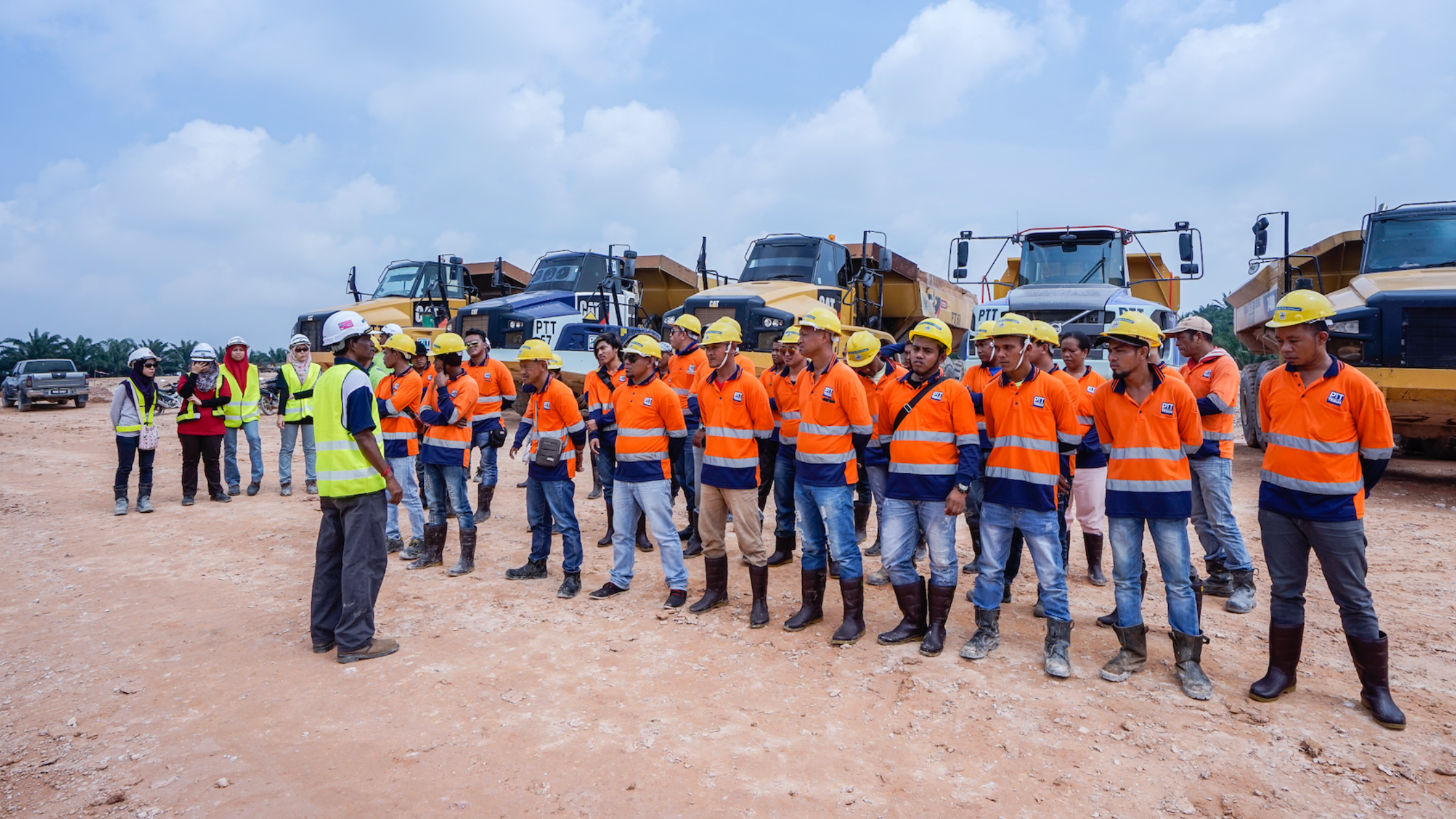
PPE compliance is a separate concern; the study clearly shows that getting workers to wear the right gear in the right way is the exception rather than the rule. Sometimes it’s because the gear itself is the problem—the wrong equipment for the job or the conditions. And other times it’s because the workers just can’t be bothered to wear it; if they don’t see supervision, they’re less likely to do so. That leaves workers wide open to a whole range of serious injuries: broken heads, long-term ergonomic problems, the list goes on. And it’s not just the workers who suffer—companies can face significant fines or legal action if things go wrong.
Another area of concern is supervisory follow-through. Many of the study’s respondents reported having safety policies in place, but they are not consistently enforced on the ground. Supervisors are often under pressure to meet deadlines and prioritize safety, but safety can take a back seat when the clock is ticking. That means no one gets a proper toolbox talk, no one has a chance to report hazards, and no one is tracking the minor problems that can eventually add up to big ones.
What it means for contractor risk
The study also highlights a few other significant challenges. One is the lack of effective systems for documenting near misses, and the other is getting workers to report them when they occur. When near misses go unreported, it can be hard to determine what went wrong and how to fix it. When near misses are reported but the company doesn’t take action, it’s effectively ignoring a flashing red light—and that can be very expensive.
Labor shortages are also a significant factor. With experienced workers in short supply, companies are having to rely more heavily on new entrants to the trade. And that means they need to be more careful and hands-on in their supervision, but often they just don’t have the people or time to do it right. New recruits may not fully understand the risks, and if they spot something dangerous, they may not feel confident enough to speak up about it.
It has significant implications for contractors—not just because they’re at greater risk of injury, but also because of the potential for insurance claims and legal issues. Cutting corners on safety, safety equipment, and supervision isn’t just a risk to workers; it’s also a recipe for disaster that can delay projects, drive up costs, and damage a company’s reputation. Clients and owners are increasingly scrutinizing a company’s safety record, and a single safety incident can be enough to put a company out of the running.
The study makes one thing clear: it’s not because we don’t have the rules; it’s because we don’t follow them or do things the same way every time. Contractors who can spot where things are falling apart are way better placed to sort them out before disaster strikes.
Want to stay on top of construction safety trends, risk management, and the real-world problems that come up on actual job sites? Subscribe to the Under the Hard Hat newsletter for regular updates that are specifically for the trades.