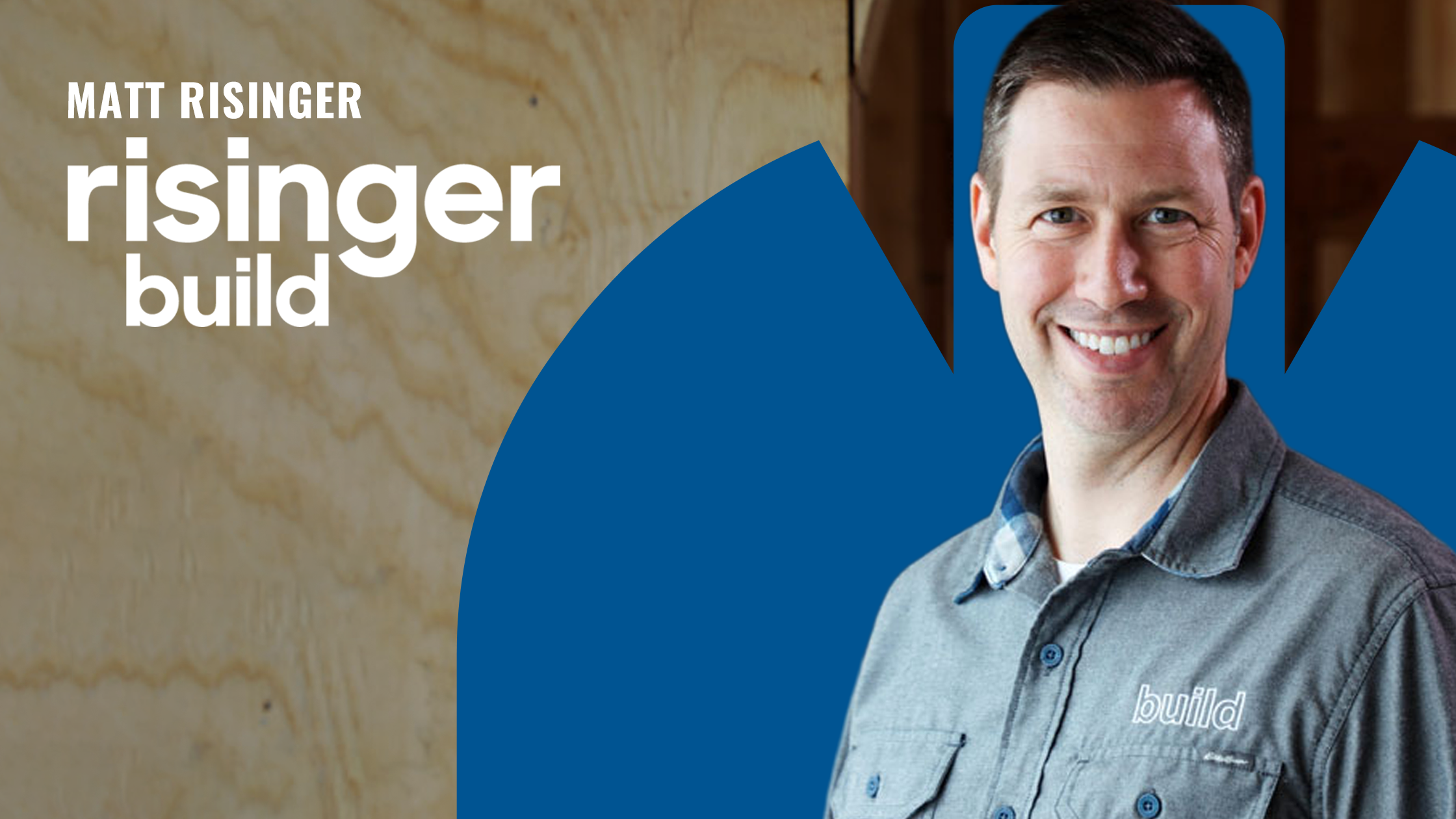
For builders, contractors, and homeowners who want to understand what actually makes a house last, Matt Risinger has become a go-to voice in modern construction. Risinger helps people see how performance, durability, and healthy homes connect by breaking down real job-site decisions and explaining the “why” behind better building.
Who is Matt Risinger?
Matt Risinger is a Texas-based custom home builder and the founder of Risinger Build, with more than 20 years of hands-on experience in residential construction. He grew up around building and remodeling, which gave him early exposure to how homes are put together and, just as important, how they can fail when people choose shortcuts.
Real job site lessons informed his focus on doing things right the first time, with an emphasis on building science, durability, and long-term performance. Today, Risinger wears a few hats as a builder, educator, and construction influencer, using his experience to explain what high-performance homes really require and why quality matters, even long after the job is done.
How he’s building influence in construction
Much of Risinger’s influence comes from how he uses digital platforms to teach, not sell. His primary home base is YouTube, where his channel breaks down real construction outcomes using active job sites, mockups, and side-by-side comparisons. With millions of subscribers and steady engagement from both professionals and homeowners, the channel has become a go-to resource.
Check out this video, where Risinger walks through the early planning stages of a high-performance home and explains the decisions that matter before construction begins.
Short-form content plays a supporting but significant role. On Instagram, Risinger shares quick clips, job site photos, and simplified explanations that reinforce his long-form videos. These posts often draw in builders, inspectors, architects, and curious homeowners, all trying to learn from the same problems and solutions.
What sets his content apart is tone. Risinger keeps things calm, practical, and focused on education. He walks viewers through topics like moisture control, insulation strategies, and air sealing without hype or jargon, always tying the lesson back to real-world consequences.
His most-shared videos often include detailed walkthroughs of wall and roof assemblies, along with honest breakdowns of what goes wrong on job sites and how those mistakes can be fixed or avoided. That transparency has helped position him as a trusted voice in broader industry conversations about building science and better construction practices.
From job site to side hustle
Content creation grew naturally out of Risinger’s work as a builder and educator. Early on, he realized that sharing what he was learning about building science and best practices filled a gap for countless other builders and homeowners searching for honest, practical explanations. “I’ve built my two companies greatly through online presence,” he said in a podcast interview. “And about 15 years ago, I started my home building company here in Austin, Texas, called Risinger Build… and then I went all in on YouTube in 2015.”
That leap transformed Risinger’s educational content into a full-scale media operation. His YouTube channel, including The Build Show and deep-dive series like Build Science 101, now draws a massive audience who tune in for lessons on everything from air barriers to insulated wall assemblies.While his videos aren’t ads, they’ve attracted trusted product partnerships with brands focused on building performance, tools, and materials that align with his focus on durability and quality.
Outside of digital content, Risinger has expanded into speaking engagements and in-person events. For example, Build Show Live brings builders together for hands-on learning, networking, and deeper conversations about where the industry is heading. These opportunities help him connect with the community offline, reinforcing the educational mission of his online platforms.
Even with all the growth, Risinger still runs an active building company in Austin, using real projects as the backbone of his teaching. That job-site-to-camera synergy is part of what makes his content resonate: lessons come from real problems he and his team solve on the ground, not from a studio script.
Juggling both roles hasn’t always been simple. Early in his career, Matt Risinger candidly shared a major mistake, a cost-plus build that nearly put him out of business, as a teaching moment for other builders to rethink systems like change order management. It’s an honest look at “progress over perfection,” and how even content “celebrities” are sometimes fallible.
His work also prompts tough conversations within the industry. Some peers question the value of high-performance buildings, especially when it changes cost expectations. Discussions like these spotlight the ongoing challenge of balancing cost, value, and long-term performance in residential construction.
Whether through a detailed job site walkthrough or a candid discussion about mistakes, Risinger’s content consistently bridges practical building with broader industry dialogue, and that’s what makes his side hustle such a significant part of his influence today.
Why it matters for the future of construction
What Matt Risinger is doing goes beyond social media views or polished job site videos. At its core, his work is changing how people think about the trades and what good construction really looks like. By explaining building science in plain language, he removes the intimidation factor and shows that asking questions, testing assemblies, and learning from mistakes are all part of modern craftsmanship.
That mindset has ripple effects across the industry. Risinger helps bridge the gap between traditional trade knowledge and today’s performance-driven standards, where energy efficiency, moisture control, and durability are no longer optional extras. Contractors who follow his work often rethink long-held habits, while homeowners become more informed and start asking better questions about how their homes are built, not just how they look.
The broader payoff is significant. Better-informed decisions lead to healthier indoor environments, longer-lasting buildings, and fewer callbacks caused by hidden failures behind walls or roofs. Instead of reacting to problems years later, builders can prevent them upfront by understanding how systems work together.
Underlying all of this is a simple philosophy: build it once, and build it right. Risinger teaches through transparency, using real successes and real mistakes rather than presenting perfection. That honesty helps normalize continuous learning in the trades and sets a higher, more realistic standard for the future of construction.
Takeaways from Matt Risinger’s journey
Risinger’s path offers a reminder that deep, hands-on expertise still matters, even in a social-first world. His influence didn’t come from chasing trends or quick hits. It came from years on job sites, learning what works, what fails, and why those details matter long after construction wraps up.
Teaching builds trust when it’s rooted in real experience. Consistency matters more than virality, especially in an industry where credibility is earned over time. By showing the work instead of selling the result, Matt Risinger invites people into the process, helping them understand the thinking behind good construction rather than just the finished product.
More people reshaping construction
Matt Risinger is part of a growing group of creators who are changing how construction is seen, taught, and valued. Profiles like Lexis Czumak-Abreu, who uses social media to make trades more visible and relatable, and Chaz “Lunch Check” Arro, who highlights job-site culture and community, show how diverse voices are shaping the industry in different ways.
These creators are part of a broader movement of construction influencers who blend education, culture, and real-world experience to reach new audiences.
For more stories like this delivered straight to your inbox, subscribe to our newsletter for the latest profiles, insights, and industry trends.