
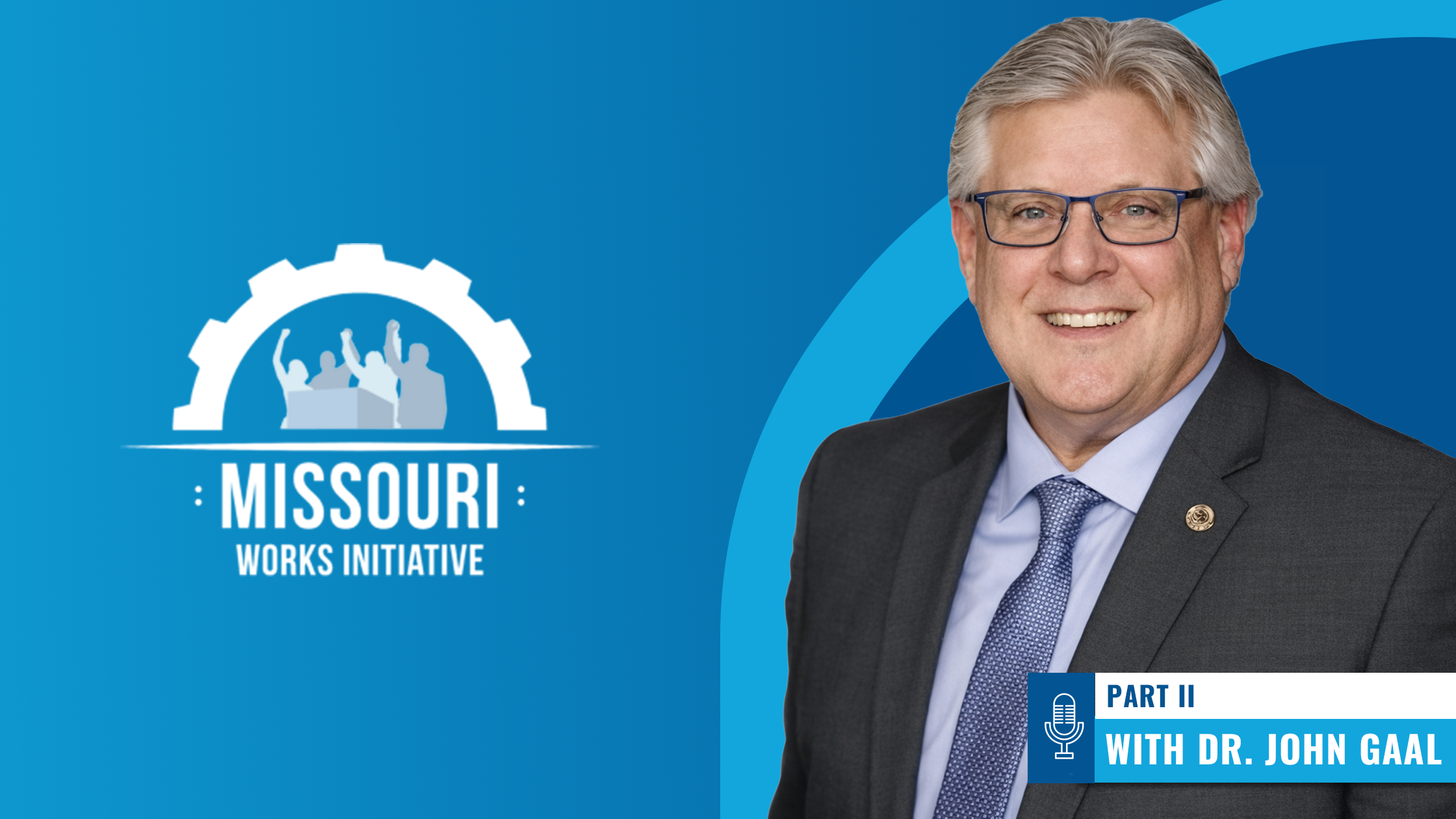
Before stepping onto the construction site, everyone goes through proper safety training. But in the event of a mental health crisis or suicide, most teams lack the knowledge and resources to step in. Dr. John Gaal, director of the Missouri AFL-CIO’s Missouri Works Initiative’s Worker Wellness Program, focuses his years of research on proper suicide postvention care for that very reason.
The construction industry sees one of the highest suicide rates of any industry. Many teams have made strides to reduce mental health stigma as a form of prevention, but postvention support goes largely unspoken about.
In the second of the three-part mini-series, John continues his chat with Mariah Moore to discuss what current postvention resources look like for construction teams, who are responsible for doing better, and why peer support is a missing piece of the puzzle.
This interview has been edited for length and clarity. To see the full interview, check it out on our YouTube channel here: https://youtu.be/o6DT_txuDfs.
Click here to watch part one in this two-part mini series.
UTHH: For those who are just joining us, could you tell us a little bit about the triangle or the three legs of suicide?
Dr. John Gaal: Most of the focus has been on suicide prevention and, to a lesser extent, intervention. So those are two legs of the triangle. And yet the numbers are not decreasing annually when it comes to suicides.
Prevention is awareness, for lack of better words. It is and has been the approach undertaken across the globe. Intervention is a bit less talked about. Intervention is the second leg of the suicide triangle, where one sees or hears something that seems amiss and then takes action. That’s what intervention is: taking action.
The third leg of the triangle is postvention, which focuses on the aftercare. It’s basically how we interact with the loss and/or attempt survivors.
UTHH: Thanks for that breakdown. During our research, we found that you were quoted as saying, “Postvention is prevention.” I’d love to ask what you meant by that.
Dr. John Gaal: This term is often used by people who work in the postvention space. Essentially, loss survivors are at a higher risk of what we call suicide contagion.
This can be due to shame, guilt, anger, stigma, and so on. And so by unconditionally offering services to those who do need help, we send a clear message to those individuals that they matter. So when we do not handle this critical period, we further embed shame and stigma and, in turn, isolate those people who need services.
UTHH: That makes sense. We also wanted to talk about where people need the most help in the postvention phase. Is it right after the incident? Is it on the first day or the first week?
Dr. John Gaal: The greatest need is within the first 48 hours due to an array of issues, such as the shock and disbelief, because most of us who’ve been in this predicament weren’t expecting it. And so my experience has been that there are too few resources for this, what I call the acute period.
I’ve studied a variety of workplace postvention models. I’m leaning towards a model known as TAPS. It’s a military postvention model that is evidence-informed and evidence-based. But it’s more fluid versus sequential. So it’s not designed on a timeline. It’s designed so you can move back and forth. And those phases consist of stabilization, grief work, and post-traumatic growth.
UTHH: Right, so the advantage, of course, of having phases that move back and forth is because it’s such a case-by-case basis for every family.
Dr. John Gaal: That’s correct. Especially when you get into the grief work, you’ll find that tragedy influences you, not impacts you. And we may be brother and sister, for example, and that’s our sibling who passed. You may have been older than the child who passed, and I may be younger, and we have different relationships. So we have different needs, different experiences, and the same goes for parents, friends, other family members, and coworkers.
UTHH: Amazing, I’m glad such a flexible model exists for people to work off of. Are there specific patterns or risk factors that make postvention particularly important for the construction industry?
Dr. John Gaal: It’s important across the board, but specific to the construction industry, it’s pretty transient in nature. How do we, as companies and unions, have a process in place to address postvention before a crisis? We need to do that, and we need to ensure that all employees and members know where to turn for help in that time of crisis, as they come and go.
Things aren’t the same as they were 40 years ago in construction. A local contractor may do 60% of their work 200 miles from home. They may have been on that job yesterday with that individual who just passed away, but they are now 500 miles away. When they get the news, it will still impact them. They still need services available. They may not want them right away, but they should know that they are there.
UTHH: I hadn’t even thought of that, John. I’m thinking about all the remote collaboration now. You may not have even worked with this person in real life, but you might still need services or help. And as it stands now, does the construction industry have adequate resources?
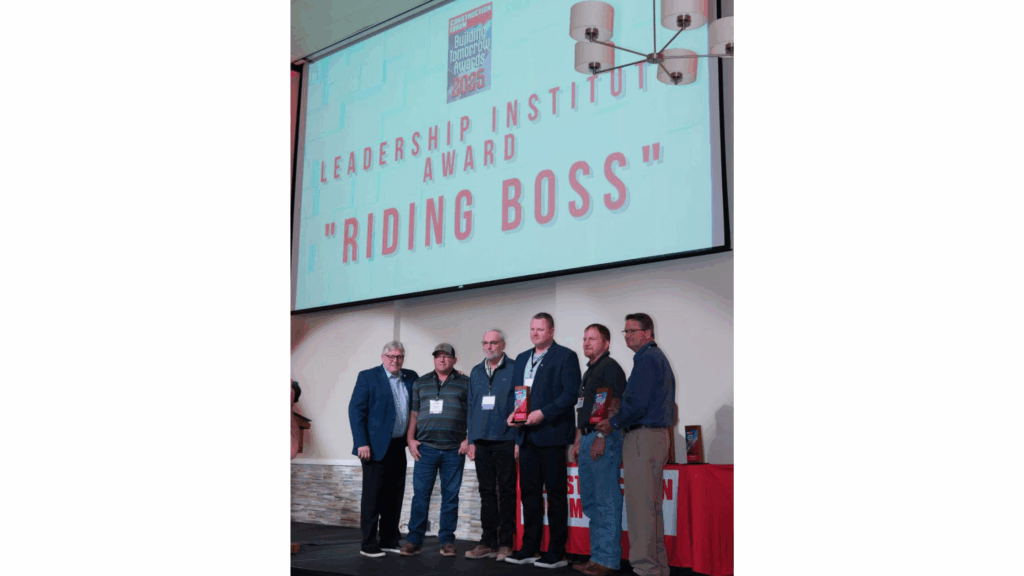
Dr. John Gaal: Right now, we’re just beginning to see movement in this area. So, in early June of 2025, I visited Scotland and England to talk with some subject-matter experts there. I attended a two-day training program on workplace postvention. And then I moved from Scotland to England and delivered a presentation on my findings to date about my study.
When I got back, I received two or three emails from different organizations looking for leadership training, saying, “Hey, might you be interested in joining us for a one-hour training program on suicide postvention?”
One of them was AFSP, the American Foundation for Suicide Prevention. They created a one-hour piece called Caring Communities for a broader audience, not just construction. And then a week or two later, I don’t know if you ever heard of a group called Construction Working Minds. They launched a product called Vital Cog a few years ago. So those are two that you know that hit me right when I came back in June.
UTHH: That’s so nice to hear that things picked up as soon as you got back from those conferences. I’d love to go back to that piece about leadership involvement. How should leadership communicate with employees on-site after a loss?
Dr. John Gaal: Well, this is going to be very concise because this could be a whole other podcast. Assuming a postvention team has been created, that’s a big assumption, and it has practiced a few times each year.
After the incident, you would gather the postvention team to contain that crisis. You should notify the stakeholders, whether that’s family, friends, coworkers, bosses, or others. And first and foremost, you want to respect the privacy of that deceased employee. Leadership should communicate pertinent information on time to that family, because you must get, for lack of a better word, their blessing on how to move forward with the situation.
- Some people won’t want you saying anything about it being a suicide. You might be up against that because that cultural stuff that hangs over us, called stigma, brings on guilt and shame. You would undoubtedly want to offer assistance to the impacted family. And you’d like to connect with affected employees, whether it’s in an informal or more professional capacity. But those options and resources need to be provided.
UTHH: The more we keep coming back to case-by-case options for resources rather than definitive paths for people, the more impactful it is. When we talk about postvention responsibility, is this all on postvention teams or leadership in construction? Or does some of the responsibility for training fall on the individual worker?
Dr. John Gaal: Yeah, that’s an interesting question as well.
I do like the concept used by MATES in Australia, where everyone receives basic training, whether white-collar or blue-collar, in the field and in the office. And from that, we can typically identify natural leaders for additional training.
You may train them up with a two-day assist training or something like that. And then they get a green sticker for their hard hat. Then any tradesperson can maybe nab that person, pull them aside, and say, “Hey, I really need to talk to you.”
So the baseline here is that I recommend training up a group of peer specialists, whether it’s at the union hall, in the apprenticeship school, or in a company. We need all hands on deck.
UTHH: I love that piece about having something as simple as a colored sticker on the hard hat. Being able to identify a safe person who won’t judge you for needing extra help could do wonders. What would you say are the cultural or structural barriers that prevent construction companies from talking about the three legs of suicide?
Dr. John Gaal: Well, I would say, despite decades of diversity efforts in this industry, in the United States, it still remains 89% male, and I would say close to 60% white. So sadly, we still see stories of hazing and harassment in the trades.
Construction owners, contractors, and the unions need to do a better job when it comes to workplace violence, aggression, and psychological safety. You know, we talk the language of culture of care, but how do we live it? And, you know, part of what you’re doing is a piece of how we live this.
UTHH: That’s a great point. We’re getting a little better at talking the talk, but I’m not sure how well we’re walking the walk quite yet. Anything else you’d like to talk about or mention, John?
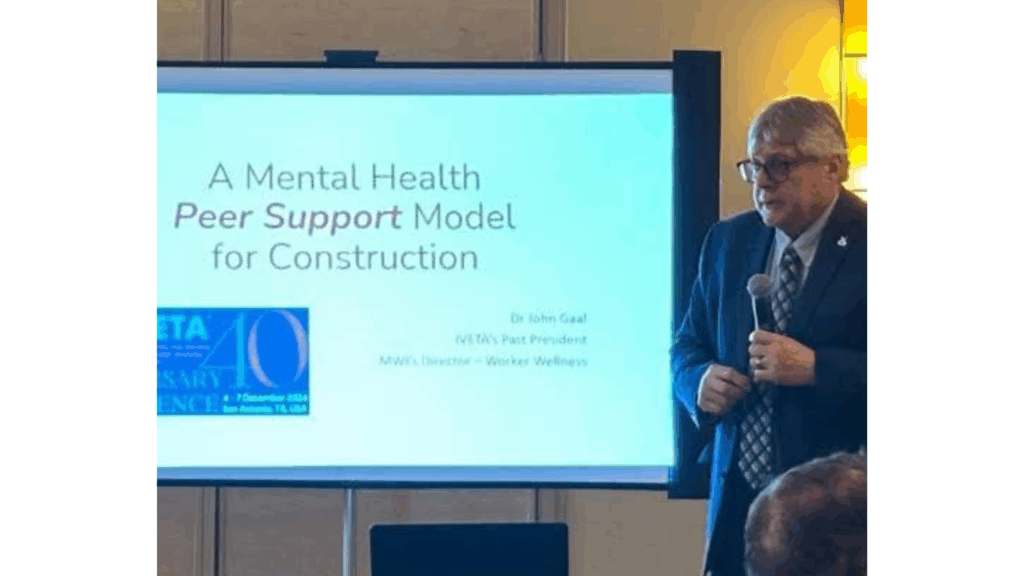
Dr. John Gaal: We touched on it a bit, but I want to talk about peer support. We need to see this concept of peer support grow.
You know, it’s not unusual to listen to a story about mental health. And doesn’t matter if it’s in the trades or the general population. And in the second paragraph of this story, it says, “This country has a lack of mental health professionals.” Well, that doesn’t solve the problem. So we have to be creative. And part of that is having a known corral of trained peer supporters out there.
Let’s not spend valuable time and money on recreating the wheel. We’ve got a couple of decent models out here that are working, and they’re evidence-based, which is really important. We’re all in this together, and the tools are getting better. Peer support will help us get to where we’re going.
Special thank you to Dr. John Gaal for sharing his story and research.
For companies or individuals looking for some of the resources John mentions in the full chat, check out:
- The 21-14 Concussion Awareness Foundation
- MATES Australia
- Labor Assistance Professionals (LAP)
- Construction Working Minds
- The Construction Industry Alliance for Suicide Prevention
- Labor’s Escaping Adversity Now
- The American Foundation for Suicide Prevention’s Talk Saves Lives
- The National Alliance for Mental Illness
If you or someone you know needs help, don’t wait. Call the National Suicide Prevention line at 988.
For more like this, subscribe to our newsletter and follow us on LinkedIn to stay in the loop.