Air filters found in heavy machinery are often treated as disposable—replaced and tossed out as soon as they get dirty. While this process has become standard across the industry, it comes with a hidden cost that teams overlook. Constantly replacing filters wastes labor, increases machine downtime, and increases costs. As jobsite demands rise and fleets expand, these small inefficiencies stack, costing contractors tens of thousands in avoidable costs.
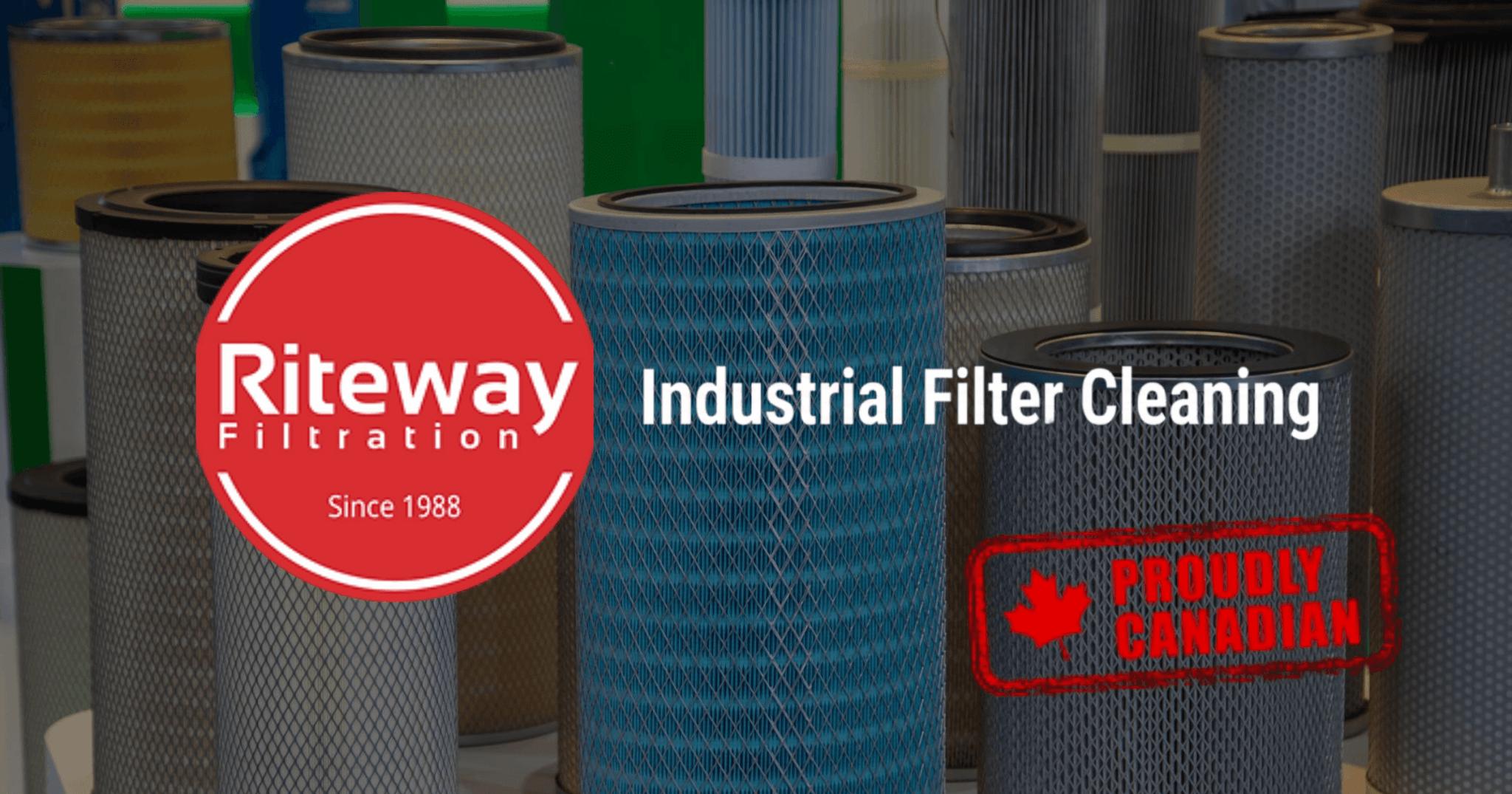
Companies like Riteway Filtration—a member of the Ontario Stone, Sand & Gravel Association (OSSGA)—are helping lead a shift in how air filtration is managed. They’re turning air filters from disposable parts into managed assets through full-service cleaning systems that reduce waste, lower costs, and keep machines running more efficiently.
The overlooked cost of throwing out dirty air filters
Air filters are among the most overlooked parts of a jobsite, but they act like the lungs of machines. When a filter gets clogged, the machine’s engine has to work harder to breathe, which burns through fuel and puts unnecessary stress on internal parts.
The financial hit is even bigger than most teams realize. Large fleets can go through up to 100 filters per month—at roughly $250 per large-engine filter, that’s $25,000 in monthly material costs alone. When labor, downtime, and fuel efficiency are factored in, the cost of business as usual becomes a massive problem for the bottom line.
Why traditional air filter practices fall short
The biggest issue with replacing air filters as soon as they appear dirty is the sheer amount of waste it creates. Treated as one-and-done items, air filters can be thrown away far before they’ve reached the end of their usable life.
Many shops try to save money by blowing out filters with an air compressor or a shop-vac. This practice, known as the shop-vac trap, often does more harm than good. Standard air compressors don’t have a set pressure, so it’s very easy for a worker to accidentally tear the delicate material inside the filter. According to Daniel Maciel, owner of Riteway Filtration, even a tiny hole will allow dirt and grit to bypass the filter entirely, potentially leading to premature engine wear or failure and the massive associated costs.
Manual cleaning is also time-consuming and inconsistent. It can expose workers to dust and debris, limit how effectively filters are restored, and take time away from higher-value maintenance tasks that keep equipment operational.
The financial impact of cleaning versus replacing
When you look at the numbers, the case for professional cleaning is clear. “On average, having a filter professionally cleaned costs only about one-third as much as buying a brand-new one,” says Daniel Maciel, owner of Riteway Filtration. If a new engine filter costs $250, that same part could be cleaned and restored for a fraction of that price.
This 3-to-1 cost ratio helps contractors make their maintenance budgets go much further. It also ensures that every machine in a fleet continues to perform at the same high level. Instead of constantly buying new parts, teams can reuse their current filters without compromising reliability.
Making this shift is also a win for the environment. By cleaning and reusing air filters, companies create much less industrial waste. Sustainability is now a major factor in winning construction contracts. Showing that your company uses sustainable practices can help improve your reputation and help you win more bids.
How Riteway is changing air filter management

Instead of treating filtration as a reactive maintenance task, Riteway Filtration approaches it like a managed system. Using industrial-grade equipment, Riteway can restore filters to up to 98% efficiency. Compared to a manual blowout, which only removes the surface dirt, the specialized machinery that Riteway uses deep-cleans the filter media to a near-factory level. “When someone’s cleaning it out by hand, they don’t necessarily have the same techniques or machines to do a thorough cleaning,” says Maciel. “They might put the air gun too close; there’s potential for damaging the filter, which could lead to a big issue. They’re not checking for damage the same way that we do after the filter’s cleaned.”
With a clean air filter, a machine’s engine receives nearly the exact airflow it was designed to have, helping protect equipment from overheating or power loss. This shifts filtration from a one-off task to a more controlled process, where airflow, performance, and lifespan are maintained across a company’s fleet.
A full-service system built for uptime
The real value of this approach is the Managed Bin model. Riteway takes over the end-to-end management of filtration needs—inspecting, cleaning, and replacing filters as needed—removing the need for teams to track inventory or coordination with multiple suppliers.
Riteway sets up a regular exchange system with clean, ready-to-use filters delivered regularly, while dirty ones are collected and cleaned off-site. Because the filters are already cleaned, tested, and waiting in the bin, an operator can change a filter mid-shift in almost no time. This system allows for a 10-minute swap right on the jobsite. By making sure filters are always available when a machine needs them, the exchange system eliminates waiting for maintenance. There’s no need to bring the machine all the way back to the main maintenance shop or wait for a mechanic to clean them manually.
Riteway also supports equipment teams with a broader filtration supply program. Along with its cleaning and exchange services, the company supplies oil, hydraulic, and fuel filters, as well as engine air and cabin air filters. As a Wix distributor, Riteway offers flea pricing, giving customers the ability to work around their needs.
Why contractors should perform air filter inspections
Riteway also has a standardized process for inspecting filters. During manual cleaning, small defects in filter media can be missed. They call this the “inspection gap,” and it’s usually where expensive engine damage begins. To address this, Riteway uses a rigorous quality control process to detect even the smallest leaks. If a filter shows any sign of wear that could compromise the machine, it gets pulled from the line.
On a busy site, even small airflow restrictions can interfere with machine output, slow cycles, and increase fuel burn. Over time, proper filtration management can:
- Extend engine life
- Reduce the risk of overheating
- Improve power output
With a professional air filter cleaning service, there’s also a safety upgrade for crews. Cleaning filters on a jobsite is a dirty job that kicks up clouds of hazardous dust. This includes hazardous substances such as silica, as well as fine metal dust from welding or laser cutting. Sending dirty filters to a professional facility removes the need for workers to handle these materials at all. It’s a safety-first approach that lowers liability and keeps employees breathing clean air.
How ArcelorMittal Dofasco achieved 100% airflow recovery
To see how this works at scale, consider the ArcelorMittal Tailored Blanks steel plant. In this punishing environment, laser cutters run constantly, creating a high volume of very fine, hazardous dust. These machines require high-performance filters to stay operational, and the cost of constantly replacing them would be astronomical. By using Riteway’s professional cleaning system, the plant keeps its laser cutters running at peak performance without a massive weekly bill for brand-new parts.
The data from ArcelorMittal Tailored Blanks tells a very clear story. Before switching to a managed system, many shops run their filters until they are totally clogged. This forces machines to slow down or even overheat. With a set cleaning schedule, those same machines maintain a steady level of power all day long.
The performance data
A study of approximately 200 filters used at the plant showed how effective professional cleaning can be. Many of these filters were cleaned up to six times while still maintaining top-tier performance.
| Filter status | Pressure drop (inH2O) | Performance impact |
| Used/clogged | 70 – 90 inH2O | Reduced airflow; risk of machine overheating. |
| After Riteway cleaning | ~40 inH2O | Full recovery; matches brand new airflow levels. |
| Brand new filter | ~40 inH2O | Baseline performance for a fresh part. |
In practical terms, this means machines achieve the same airflow performance with a cleaned air filter as with a new one. For companies running hundreds of filters through heavy-duty conditions, the savings are huge. The performance outcome stays the same, proving that cleaning is the smarter route for both the budget and the machinery.
Testimonials
“Riteway Filtration has been fantastic to work with. Their service is always quick and reliable, and the pickup and drop-off of filters makes a huge difference—it saves us time and keeps everything running smoothly. Highly recommend them for anyone looking for efficient and hassle-free filtration service.” —Jason Bruzzese, Production Manager, Canadian Metal Buildings
“I have been using Riteway filtration for over 20 years because of the excellent service, and opportunities to also clean and maintain other filters we have used within our facility. They have excellent prices to provide new filters as required, and their communication to provide us with service when required on short notice.” —Wade Shaw, Brampton Brick Ltd.
“Riteway Filtration has been cleaning our filters for years with great results, fantastic service. I would highly recommend.” —Shawn Micks, James Dick Aggregates, Erin Pit
A smarter and cost-effective way to handle air filters
Air filters are a small component with a big impact on cost, performance, and uptime. For contractors running large fleets, the math is simple: professional filter management costs less, keeps machines in service longer, and completely eliminates the maintenance burden from the team. Working with a full-service air filtration company like Riteway Filter Cleaning & Supply is not only cost-effective but also a sustainable, efficient way to maximize machine uptime.
The competitive edge in the modern construction industry belongs to firms that identify and fix these small inefficiencies. Rethinking how air filters are handled is a simple change that can lead to substantial savings and a safer working environment for crews.
Small inefficiencies in your fleet can add up fast. For more practical breakdowns on the tools, tech, and maintenance strategies keeping contractors ahead of the curve, subscribe to the Under the Hard Hat newsletter.